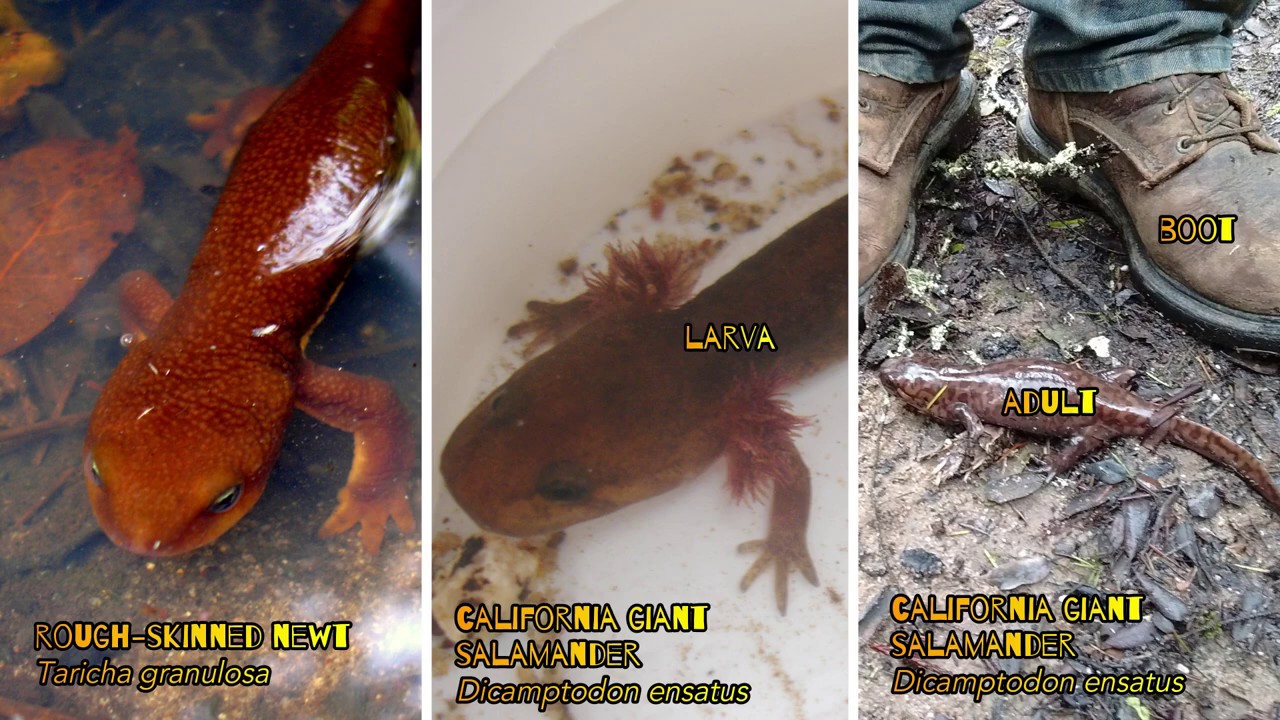
you wake up you go outside you see what you see the next day you go outside you see that same thing again the day after that you wake up you go outside and you see what you see is that what the world seems like to these critters - - they go outside part they have that covered but unless something dramatic happens to the outside world seem like a relatively static and unchanging place well guess what it's not the outside world is a dynamic place but unless there's an immediate change like a natural disaster sometimes you
have to look on a different time scale to see the change let's take UC Santa Cruz for example when you look at this aerial view what things pop out can you see the city of Santa Cruz grassland and forest - the city has it always looked this way yeah no but let's not get that deep let's look instead at how vegetation communities here UCSC have changed over a more reasonable timescale about 170 years note that this video doesn't focus on the thousands of years of active land management practiced by the ancestors of the AMA moods
and tribal band so that's a deep and complex and really important topic this map shows vegetation community is mapped by consultants in 2002 different types of forest grassland and a few smaller patches of northern maritime chaparral a shrub land habitat zooming into the Western mostly forested part of UCSC's upper campus now this will be our study area for the day in the set for our landscape change mystery an aerial view from 1991 shows the forest as a darker color with chaparral appearing lighter in the upper center of the photo with some even lighter bare patches
visible to jumping ahead to 2018 we see the land more or less as it is today do you notice any other changes that occurred in the intervening 27 years between these images check out that rectangular patch of chaparral at the upper center some kind of disturbance created a change in the habitat jumping even further back we reached the time of davis and jordan and henry cowell in the lime industry marble bedrock itself signifying massive change as it's really calcium carbonate or dead sea creature shells and exoskeletons and here it is on dry land anyway this
marble was quarried from what is now the campus burned in massive kilns to produce as pre cement building material called lime that helped build California during the gold rush where did they get the fuel to burn in these kilns you guessed it the forests within a 50 to 70 year period everything worth burning in the kilns was cut and that was basically everything that was the first major disturbance the industry had on the land the second was fire in order to haul trees you need to cut off the branches and buck up the trunks the
stems are too cumbersome to haul and they burned too quickly so they were piled as slash and burned and then surprisingly these fires often got out of control it's thought that the whole interior portion of the Santa Cruz Mountains burned over a few times during this period our job today is to figure out how the forests recovered from these two disturbances our blogging and fire will do that by examining the process of succession has it played out here on what is now the UCSD campus and thereby get a glimpse of landscape change primary succession starts
from bare rock has what might happen after volcanic activity although there were volcanoes here in the distant past what we're dealing with is secondary succession we recede sources available on site in the soil and from nearby trees and other plants watch the wee little arrow as it traces the scene of our investigation we'll be tracking landscape change in a blob mostly north of the North perimeter parking lot what will you discover how is the vegetation recovered from large-scale deforestation and fire we'll make some observations and then try to interpret those observations to tell this story
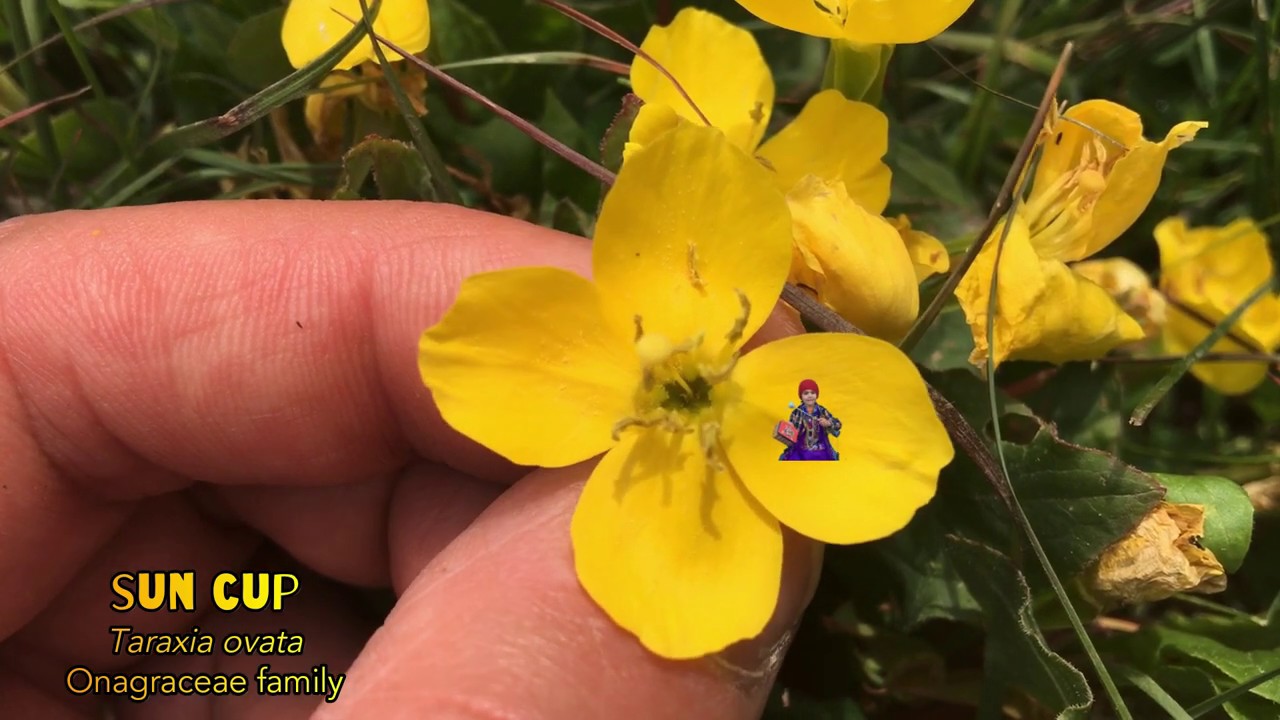
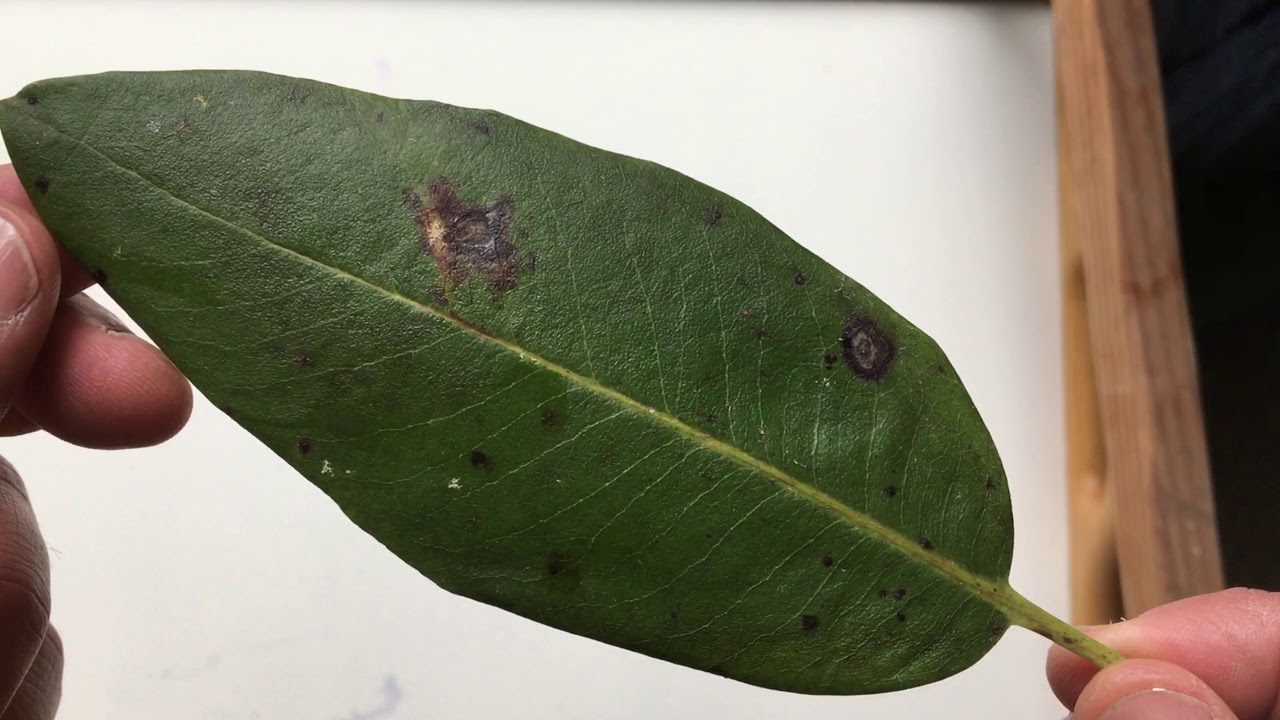
of change over time he'll be the nature detectives hunting clues and piecing them together to simplify this task let's pay attention to just 5 or the many plant species out there for trees in one shrub as we explore the area we'll be looking for them in all states and sizes live dead large diameter small diameter seedlings and saplings or barely recognisable skeletons of their former selves to do this it's helpful to know what these things look like what conditions they prefer what they're capable of so grab your detecting notebooks and let's go [Music] [Music] [Music]
now that we've gotten to know our main characters a bit let's track them through a series of scenes from our study area jot down notes on your worksheet and later you'll have the chance to interpret these observations as you try to tell the successional story of landscape change to keep it at a slow enough pace to make your observations we strap cameras to the backs of several volunteer banana slugs look for interactions between the main characters and describe what you see scene [Music] [Music] exhausted but exhilarated from your exploration it's time to take your detective
pan and tap it against your detective head and put together the pieces hit pause and try to synthesize your observations what conditions to each of those five species prefer how are they able to reproduce and respond to disturbance what changes do you think occurred and what evidence do you have what happened soon after the disturbance and then what happened after that who's on first I don't know so again here's where we were and again here's what happened and here again is the vegetation communities map produced in 2002 this time with labels dwarf redwood forests the
densely packed small diameter redwoods II songs from prior clips chaparral forest transition and dwarf redwood mix chaparral all represent communities in transition to one extent or another these are the areas that clearly show succession post Cal Ranch disturbances lumping these transitional zones in addition to some areas mapped as redwood forests but clearly showing signs of transition and simplifying the map of raw we can see what the area might have looked like following the lime industries logging and fire note that in this exercise we didn't encounter coastal Prairie the thought here is that clear-cut logging opened
up the forest canopy allowing in the sunlight that chaperon plants like brittle leaf manzanita thrive upon adding the fire which most chaparral plants are adapted to and you get conditions ripe for chaparral expansion now in the nearly present you can see how the chaparral has receded as the forest has re-established itself well what's our evidence and how do we think this happened let's briefly glance back at some clips of our explorations we know that redwood stump and root sprout following logging we see stumps all over Science Hill for example with rings and other patterns of
second-growth trees surrounding them but here we have red woods without stumps how'd that happen perhaps these stands labeled on the 2002 map as dwarf redwood are the result of fire clearing away the leaf litter layer and exposing sandy mineral soil where redwood seeds were able to establish and grow into these dense but somewhat dry a nutrient deprived stance and then how about all the dead Berta leaf manzanita in these stands well it seems that this was an area in which chaparral grew following logging and fire what was there prior to the disturbances is another mystery
but it doesn't seem like it was redwoods no stumps now how about these larger diameter Douglas firs with large lower limbs often with skeletons of dead manzanita below them these aren't much older than the skinny dwarf redwoods surprisingly it seemed that winged seeds from existing as yet uncut Doug firs blew into existing or advancing stands of chaparral and found a nice place to settle down and grow up able to grow in the shade below the dense shrub canopy the Doug firs had all the sudden they wanted after emerging above this canopy this allowed their lower
limbs to grow large and outwards which ultimately shaded out the shrubs below started the transition back to forest the standing in fallen dead madronas tell a similar story to the manzanita skeletons patron also likely established an open sunny zones following logging and fire perhaps dispersed there from birds eating the berries and pooping out the seeds ultimately though they weren't able to withstand the shade provided by the redwoods and Douglas fir that established within the shrub lands and outpaced the Sun leveling madrone manzanita the dead nob cone pines in certain areas of the forest point to
a history of fire as the knob cone needs fire to reproduce this early successional species is relatively short-lived and easily over topped by the taller conifers that established later finally we saw redwood stumps and second grow three sprouts along the tributary stream leading down to cave gulch these stumps tell us without question where redwood forest grew prior to the lime industry disturbances redwoods like these lower wetter micro climates like in this narrow ravine which also happened to be among the few places in our study areas where we don't see dead manzanita seems it was and
still is forest so to put it more simply disturbance expansion of chaparral shrinkage of chaparral as forestry established the cool thing about this is that we can look at today's chaparral and see the same dynamics happening here we have the dense impenetrable shrubland impenetrable unless you crawl that is here are the living boroughs of the brittle leaf manzanita it's also a good place for conifer seedlings to establish the seeds can get here and now as then we have Douglas fir and redwood towering over the chaparral and then below the Douglas fir the sun-loving shrubs get
shaded out same dynamic as before happening right now that might be a good time to point out that I don't really know what happened out there Luud specific photos or written records this is just based on what I've observed out there it paused if you want to read the gist of it there are a couple of successional models evident here facilitation where the manzanita created and is still creating the conditions that allow the conifers to establish which leads to a later stage in succession in inhibition where currently many of the shady redwood forest scans were
preventing much else from establishing until another disturbance comes in that is if we're not logging and if we're suppressing wildfires as much as we can what will this disturbance be could be disease as we're seeing regionally with tan oak or it could be intentional in February 2018 we worked with CalFire to burn two eight acre patches of chaparral and upper campus our original intent was to take out the Douglas fir in redwoods and thereby prevent chaparral from transitioning to forest but we hit some red tape at the last minute and couldn't take the trees out
the shrubs however got roasted and are regenerating quickly annual and low growing perennial plants that hadn't grown in decades had their chance to germinate and set seed replenishing their stock in the seed bank for their next appearance following the next disturbance to manzanita species the rare santa cruz manzanita which comes back from seed in the brittle leaf manzanita which tree sprouts from its basal burl hand sprouts from seeds are coming back strong you may have noticed a senior thesis students poster in the last clip we have two other projects at UC Santa Cruz where we're
tracking long term landscape change dynamics the forest ecology research plot or ferp is part of a global network of forest plots studying long-term forest dynamics forty acre ferp was established in 2007 and every five years we measure all the 40,000 plus woody plant stems that are bigger than your pinky finger in diameter to track growth mortality in recruitment the ferp is a hub for ecological research of all kinds and it's a training ground for future ecologists serving nearly a hundred interns per year during census years the continuous forest inventory project is a newer effort that
tracks long term dynamics on a series of circular plots throughout UC essays upper campus repeated measurement of various vegetation and ecosystem parameters on these projects will help any future nature detectives and their efforts to make interpretations of the landscape around them it'll make that effort thoroughly quantifiable if that's your thing if not you can always slow down notice your surroundings appreciate the beauty and remember that it's all in flux nothing in this wild world ever stays the same for long