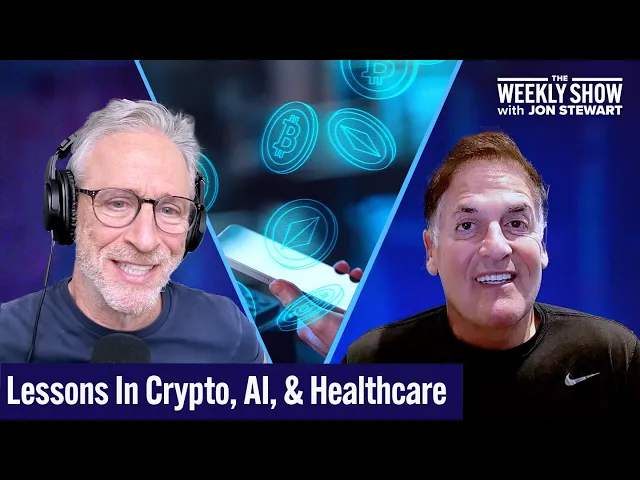
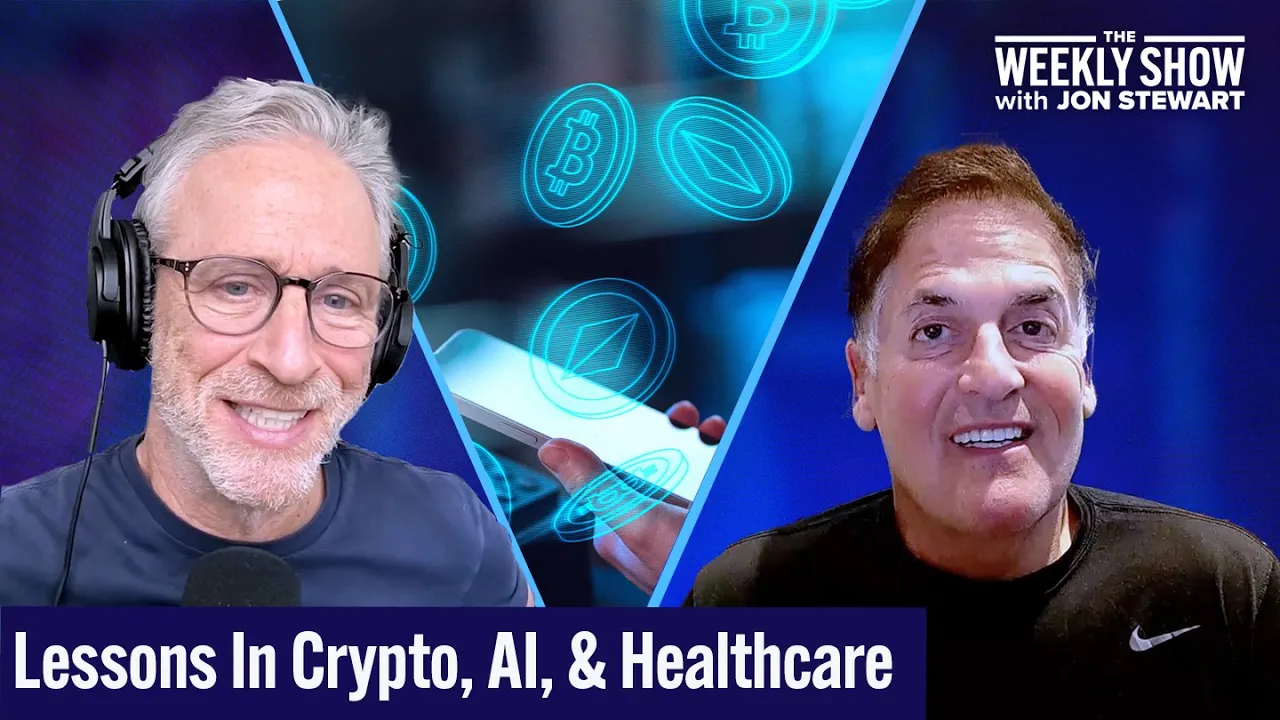
Another great question John Stewart Boom come on end of year baby let's do [Music] this hey everybody uh welcome once again it is the final weekly show uh POA paloa uh at the end of this very tumultuous 2024 uh we've been delighted uh that you have stuck around and you've uh listened to these fine conversations as as much as you can and I hope that you've enjoyed it and we're going to keep going We're going to be on ourselves a a a little bit of a break uh some rumors that I am taking a few
weeks to soak in the WAN sto signing no that's not true that's not true I I knew it was coming I don't you know listen when you're a Mets fan you expect the best you expect it all to to go your way you're like a Gatsby no it was a it was a complete uh and and utter shock and joy but we are going to do our our final conversation for this year with our with our go-to Dude who does our our final conversations Mark Cuban as you know we had uh Bernie Sanders on last
week we like to do we like to go from Bernie Sanders to Mark Cuban you go from uh the Democratic Socialist to the billionaire and you hope that the audience does not sustain a groin pull uh in that transition but uh a really interesting guy really smart guy and I'm really looking forward to the conversation I hope you guys are too uh so let's let's Just get on damn to it ladies and gentlemen it is our annual uh weekly show pod wrapup uh as per tradition Mark Cuban will be joining us uh he is the
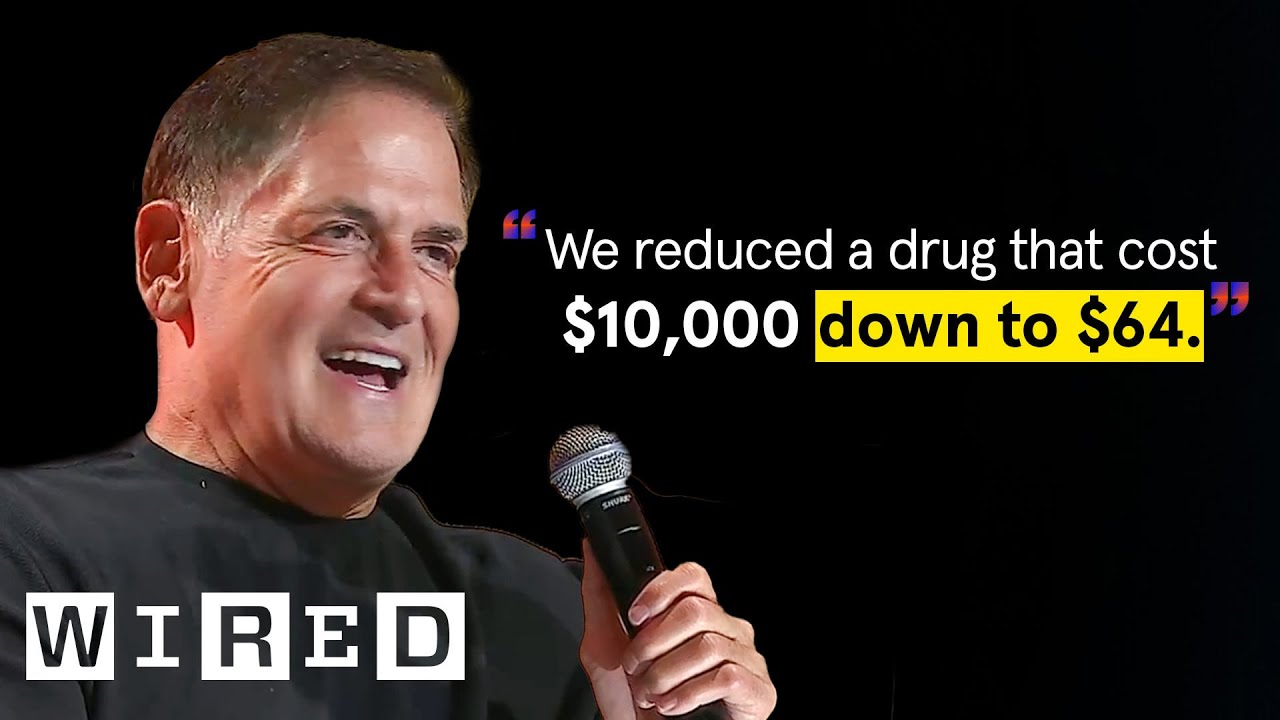
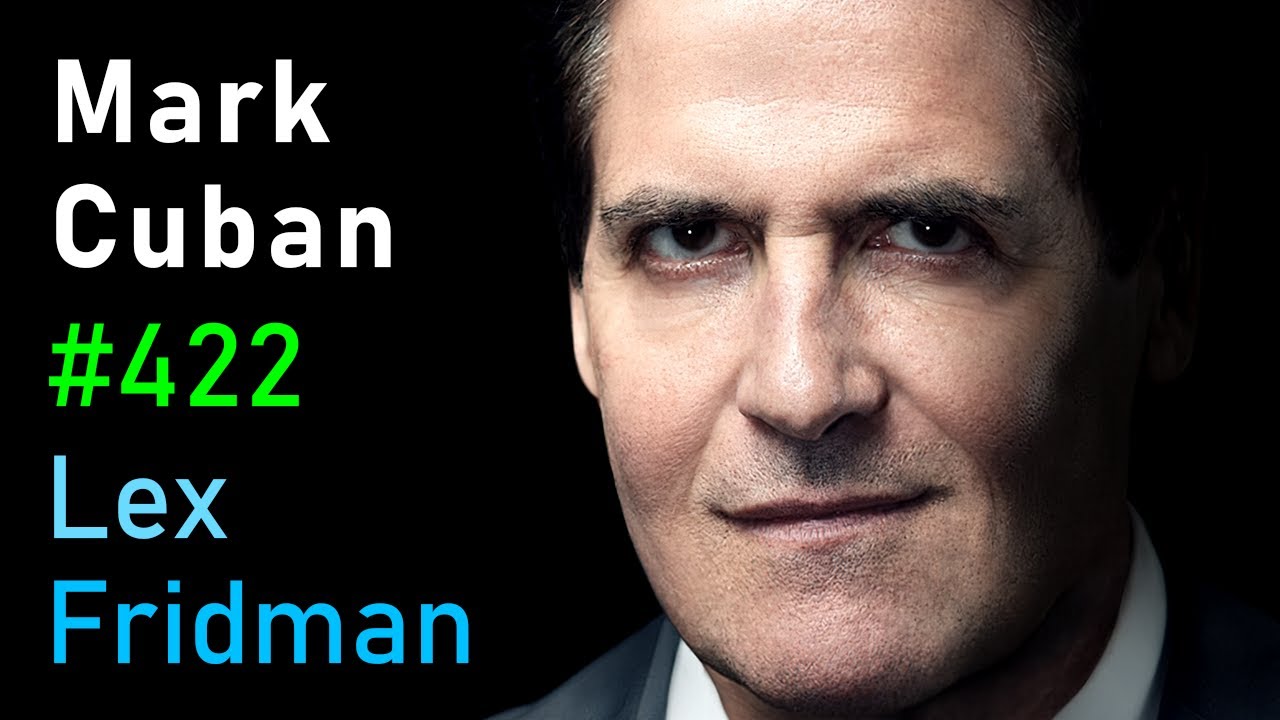
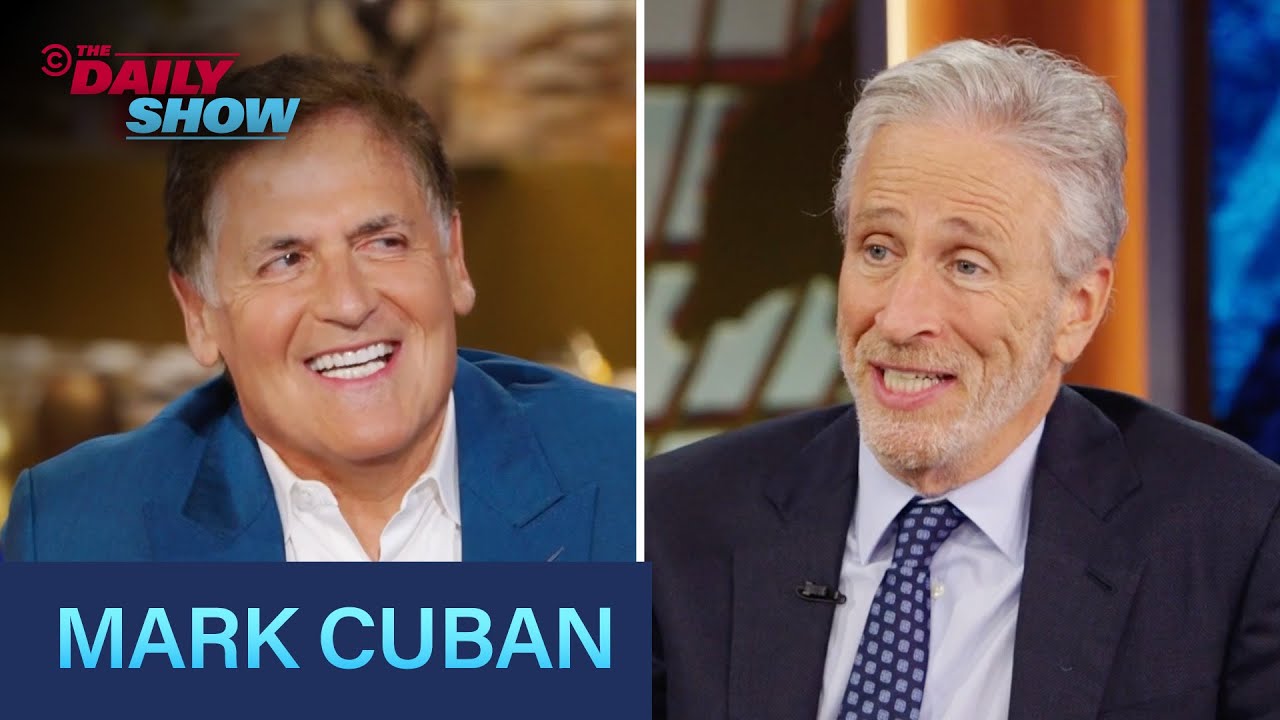
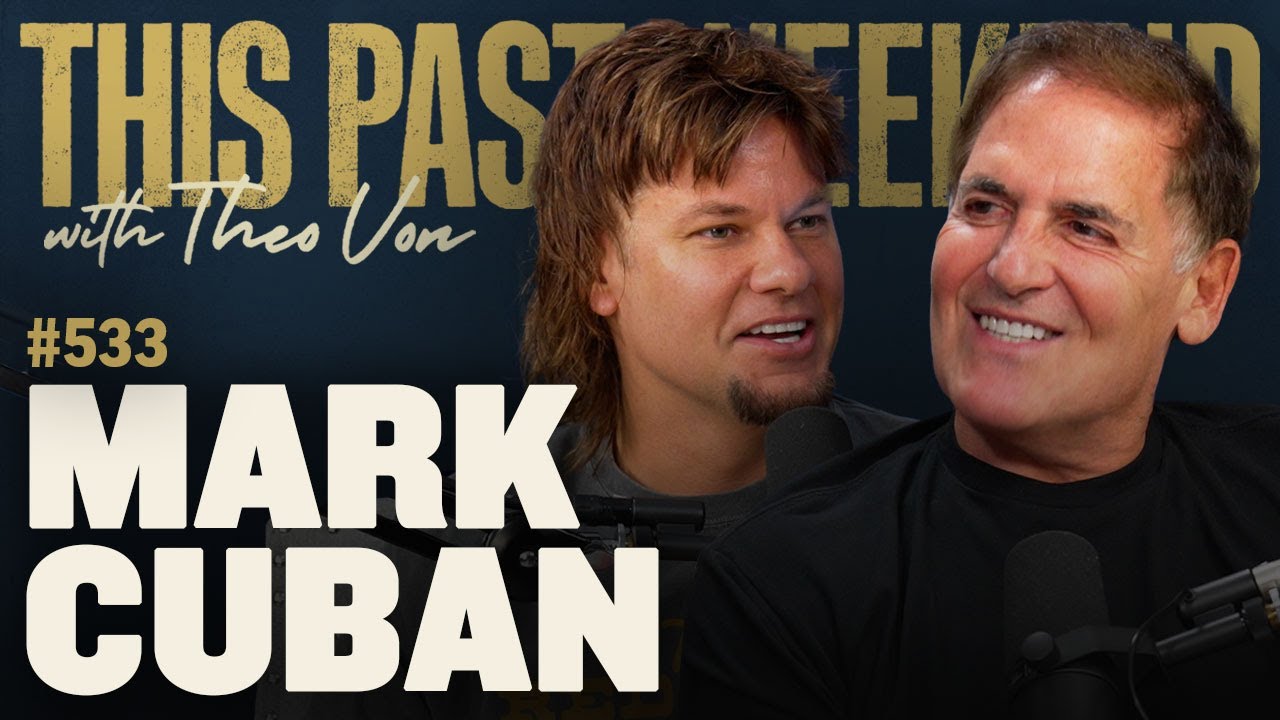
co-founder of Cost Plus drugs Mark cubin welcome to the weekly show pod year and round up thanks for having me John from now on I am only going to introduce you as co-founder of costplay plus drugs as far as I'm concerned Mavericks Shark Tank billionaire none of that it's co-founder Cost Plus drugs that's all I care about that's all that's that's all we care about uh Mark cubin the year has ended this has been a tumultuous a tumultuous year uh for you personally you uh you've changed in terms of you're done with shark tank now
you have you taped your last episode I have taped my last episode I have to do some updates for some of the companies I invested in but in terms of sitting in the chair done now did they throw at the End of it was there like a dog pile was there like a what was the type of Celebration that was done to end your rain there was cake and alcohol and a little going away party so it was fun all right fair enough fair enough no nudity I'm assuming it was all above board it was
all uh parental consent and and and that N I have an NDA an absolutely A wise choice uh the one thing I want to ask you about you stepped into the political arena in a Way that you have not in in the past what was your experience like there did it leave you wanting more did it leave you cynical what what was your experience being a surrogate on the on the political circuit I mean it didn't leave me wanting more that's for sure um but it wasn't cynical either I kind of enjoyed it I mean
it was a unique experience I loved going out there and talking to people about America and you know what I'd hope the future would look Like um how businesses would impact them and you know the Harris campaign had me talking primarily to um small to medium-sized businesses who were not kamla Hara supporters so I got to you know respond to their questions and talk about the economy and businesses and starting companies and I really enjoyed it when you talk to small business and and medium business what are the frustrations and complaints that you that you
hear the most are they are they Anything that surprised you about that no there were there were no surpris at all I mean it was you know small business people are just trying to get by for the most part and you know I had my kind of got into my wrote approach where you know I talked about the fact that there were 33 million businesses in the country 98% of them are small businesses that are passed through and 98% of them make $400,000 or less profit or is that are you talking about that's That's net
or that's no that's net that's worky waren because if it's a pass to a business that individual entrepreneur or the entrepreneur is making $400,000 or less and that's a magic number because remember kamla Harris said if you make $400,000 or less your taxes weren't going up they potentially were only going down so that was an important component of the discussion and then we talked about potential tariffs and you know I tried To project out and say look if it's a year from now and it's December of 2025 and you're you know you're in the retail
business as an example if there are 60% tariffs on products from China how's that going to impact your Christmas selling season right you know nobody say oh that's a great thing and how does that impact you as a family you know now all of a sudden all your Christmas presents or most your Christmas presents cost 60% more you're going to be able to Not buy as much you're buying less and so not only are you're not going to be happy as a family but the vendors that you deal with the retailers the online buy whatever
it may be they're not going to sell as much either there's a cascading impact and then I would go into um immigration and you know and I was honest I would not let the Harris campaign tell me what to say you know they would try to give me notes and I would say I don't Care that's what they always want from a surrogate is for them to go like hey man screw your notes I'm just gonna say what I'm were were you able to have any influence on policy at all you know I know there
was some discrepancy between unrealized gains and that was something you thought was was a kind of a non-starter did you have some influence on policy there I think I did I mean I talked a lot about unrealized gains and you know when I went out there and said You know for the first time it was ridiculous and I went back and spoke to them and said you know I'm not hearing you guys challenge me at all and they're like well you're saying things that we'd like to say but we can't say so I I kept
on going with it so I took that as tacet approval and and went with him so that that was one area another area was crypto I mean I was very clear early on that there was data from Pew research that said you know at least 40% of young Men were into crypto and the way I explained it to them wasn't a big picture crypto thing at all I was like look for a 21y old kid particularly men these days they're not like we were when we were growing up where it was a right of passage
to open up a bank account or to get a savings account now they download Robin Hood or coinbase or some app and they live in an app economy and if you downloaded Robin Hood or coinbase you're buying crypto over stocks and You're buying crypto not just because you want to see it go up but because it makes you part of a community you know Dogecoin is a meme stock and everybody talks about it Bitcoin whatever it may be and so if these young men have their entire net worth tied up in crypto and you've got
a sec head Gary gendler doing everything possible to reduce the value of their net worth and everything they read in in those apps about you know what's happening to the price of their Crypto is you know driven and talked about relating to Gary gendler they're not going to vote for you and I said it to Gary gendler directly I said it to KLA I said it to her team that Gary gendler could cost her the election and there's an argument to be made when you look at the numbers you know a whole lot of young
men voted against KLA Harris and I think a crypto had a lot to do with it so you're saying that the conventional wisdom which is uh should Have gone on Joe an's podcast is wrong she should have gone on Gary gendler's podcast and told him uh what was happening there now as someone who is uh I I understand slightly about blockchain and I certainly understand the utility of something like that in terms of crypto look if you talk about young men and on apps as far as I can see they're also on FanDuel and all
these other gambling act so explain to me help me understand why this isn't just a a Random gamble for these young men that isn't going to come back and bite them in the ass what's the underpinnings of it and and why is it better than just jumping on FanDuel and trying to hit a parlay on squin Barkley which we won't get into well there are a lot of analogies I'm not gonna argue with that right but think about gold I mean all that gold we have in Fort Knox it's not because the United States government
is betting on how much jewelry is going to Be sold at Christmas I hope hope not right I mean there's no intrinsic value to Gold other than we say there is intrinsic value to Gold I see gold is a store of value and so people hope it goes up there's some people who think that you know if there's a catastrophe and um the economy craters then gold will retain its value but it's not like you can walk around with a bar of gold and you know like it's 1822 and you slice off a little Sliver
and you weigh it someone's just going to knock you out and take your bar of gold that's how I've been at the supermarket I've been I've been slicing my gold getting getting my eggs smle for you a little smiple for you that's what that's that's what I'm talking about so let me translate that to bitcoin yeah okay Bitcoin has become a store value it's you know marketed that way and has been marketed for the last you know 15 years or whatever it is and it's gotten To a point of acceptance just like way way way
back when gold got to a point of acceptance as an alternative for legal currency or as a foundation behind legal currency Bitcoin has kind of taken that place and it makes more sense in a lot of respects you're not going to carry around that bar of gold but you can carry around you know your phone as an example that has Bitcoin on it and if you need to transfer value to somebody else it's Easier to do it right now particularly if you're 21 with Bitcoin than it is with gold so there truly is an economic
value there but now we have between gold and and Bitcoin there's this other thing that we have which is currency and and is this meant to augment that to replace that what are the transactions that are made better by using either Bitcoin or or crypto or those things where what need is it filling I guess is well it's faster and cheaper particularly for International exchanges so okay you know if if you're in pick a country right and you're like Mark I need you know I need some something to spend right I need some money it's
a whole lot easier for me to send you you know $100 in Bitcoin or ethereum um or usdc then it is in cash now is the idea then that like what would happen with like say an Apple pay or something along those lines that stores will begin to adopt a technology so that it its use becomes more Convenient even at like if I'm running down to Wawa and I want to grab myself an ice tea no so let's talk about two different things here that's two different things okay okay I AO but by the way
I apologize for making you do this remedially no that's okay I like it right but I really don't know it so well and I would like to know it so just think of Bitcoin like digital gold period end the story oh it's just built on supply and demand only the difference Is people are still mining gold and it's physical you have to pull it out of the ground there's a lot of cost associated with that Bitcoin is All Digital but it's limited in the number of Bitcoins that will ever be created to 21 million now
who limits that is is there an overseeing body that makes that was part of the original plan that's the way way it was designed originally so right now they're about 19.8 million Bitcoin out there minus what's been lost along the Way how do you lose it so early on you know you might have bought a bunch of Bitcoin in 2012 for 10 cents each didn't think twice about it threw away that phone and you had 10,000 Bitcoin on it oh dear God yeah so there's stories about people literally who put hard drives into um trash
sheeps and lost it and now we're searching in trash sty looking for so but that's Bitcoin and it's just supply and demand that defines what it's worth so right now the price Is near $100,000 that means a lot more people are buying it than selling it very analogous to gold right so then there are other cryptos ethereum is one that I also own a bunch of and the difference with ethereum is it really takes advantage of the blockchain but it adds something called smart contracts and what a smart contract is it allows um activity to
be triggered by other activity so for instance you know I won't go into deep details but if I want To create an nft and use that for um for books right just let's say for textbooks right that smart contract associated with that nft has specific features about it one of the unique features that are part of ethereum and smart contracts and nfts is they can pay royalties so if John Stewart writes a book for a college right and it's a textbook on accounting right now it's got to be physical and then you go to the
bookstore and you buy a Ed copy but for used copy that's sold And resold or an ebook that they would download or something right the physical copy you don't make another nickel in royalties as it's sold and resold if you do it as a digital version using ethereum and a smart contract and an nft the royalties can be paid on and on and on and on again um as as that digital textbook is resold this is this something that's been applied yet to music publishing because that seems like it would cure an an awful lot
of of the Difficulties in in the royalties of music publishing yeah in all IP for that matter um but the reality is it's only been done on a small scale the challenge for crypto right now in all cander it hasn't had its Instagram moment if you remember going back to the original app store in 2009 I think it was it wasn't there weren't a lot of people downloading apps for their smartphones I mean unless you were really geeky and into it but then all of a sudden Instagram came along and Grandma and Grandpa and mom
and dad needed it then Facebook had an app and so that really got people into smartphones and and um using and downloading apps we haven't had that moment with crypto yet that's still something that's an that has ultimate utility for everyone and anyone that doesn't exist yet and that's kind of the ongoing hope but now let's tie that back to Gary gendler right so all these people trying to come up with apps That run on Smart contracts on top of ethereum Solano whatever it may be whatever form of crypto it may be Gary gendler wanted
to call all forms of that a security right he wanted to regulate it like you would regulate stocks for those that are okay and in some cases they were Securities if you're selling them to raise money for a business that's the security nobody's arguing that but if you happen to buy um an nft um as a a textbook he wanted To call that a security as well if you use your um salana or madic or e um not ethereum but let's say salana or madic two smaller um cryptocurrencies to purchase something online he wanted to
call that a security as well and as a result that sent a lot of developers who are trying to create these new smart contract apps out of the United States other parts of the world Singapore Japan uh Korea you name it to start companies that otherwise would have been in the United States I had two companies that actually left the us to do their development because they could just sell to crypto enthusiasts and and users in other countries and not worry about it here I feel like this is turning into digital currency for dummies where
it is and unfortunately I'm the dummy who who doesn't quite understand so in in my mind mind and and this is perhaps you know rigid thinking to to a large extent what what can we put in place if it's Not uh a Securities regime that has regulation what do you put in place that can protect people who want to invest in this but like in the way that the government would put in FDIC protections if you had a certain amount of money in there are there protections that you think would be worthwhile and sure at
what level would those uh regulations become too onerous and start to stifle the creativity so you know I have this company called lazy.com so all it is is A place for you to show your nfts so if you go to lazy.com mcube and you get to see the the nfts that I own I wanted to register it with the SEC to make sure they didn't come after me in the event I decided to raise money when you go into and start filling out the forms you find out immediately that it's apples and oranges that it
doesn't you're trying to fit a you know the into the square and it and it just doesn't work and so all the crypto industry is asked for is to Modify the um the forms and the regulations to be suitable to crypto it's not that you know we don't want to register it's just like oil and and energy has got their own special set of forms with the SEC Finance has got their own set special set of forms crypto needs a special set of forms that's all anybody's ask for you you don't want somebody to start
regulating it that doesn't understand it as a commodity and this gets into the larger question that Maybe ties together the two things that we're kind of talking about which is your experience kind of in that political Arena and also your experience Within These sort of new uh more higher Tech financial Industries and that is with democracy being uh at best an analog system you know sort of designed for the slow uh Temperance and and the idea of chewing on these uh uh checks and balances and all these things it is so outmatched by this new
digital Economy and was there ever a thought I've I've always kind of in my mind dreamed about this kind of almost bureaucratic moonshot a kind of Manhattan Project to help and I imagine you saw this when you talked to small businesses regulation is typically uh the domain of larger companies they're the ones that make regulations complicated oh yeah poor people don't middleclass people don't small businesses don't make it complicated It's people that have two floors of lawyers bring in all these loopholes do do you see a pathway through to create a governmental uh uh moonshot
like that that that can clean out a lot of these regulations that are hurting the small businesses but still protect them so that's a deep deep deep question or is that doge is that is that what the doge is that's a deep question because regulatory capture is a real thing the Bigger companies can introduce regulations that make it harder for the smaller companies to compete they can introduce friction that makes you know filling out forms and all these things very much more difficult to even get started and state and local that you pile on top
of that I mean it's it it kind of really rolls like a snowball down a hill yeah and that's where AI more than crypto look to just to wrap up on the crypto side there's this thing Called Dow Dao right distributed autonomous organization I think is what it stands for and within with Dows it's really easy to set it up that for anything to happen within that blockchain or within that organization with those smart contracts has to be voted on and it's voted on by people who actually own the cryptocurrency which could be well it's
not Doge but there's other types of cryptos that so it's it's a a crowdsourced regulatory idea yeah I Wouldn't call it crowds but it's a progressive dream you know from each according to their ability to each you know right it's just you know it's everybody gets an equal vote right and whatever the the group decides and it's up to the Dow to set up the principles of it and what's voted on and what you know is it a majority a super majority whatever it may be um and then you get to decide and that goes
into evolving that digital currency or the digital Applications that are there so that's on one side that those haven't really taken off I thought really thought they would a lot more than they did but they have not then there's using Ai and so there things like NEPA right which go into um the Environmental Protection stuff um to try to find out that there's a little frog or whatever before something's built in my opinion and the conversations I had with some of the Harris folks is that's where AI really Really can apply because there's a process
designed for the people in NEPA who go through and determine what should be approved and what data is required and um how it's you know what friction should be added or what friction should be removed artificial intelligence is great for that all the rules that the individuals on those councils and Boards those make those determinations you know they have rules that they follow they have guide books that they follow it's Honorous yeah yeah it's honorous there's tons of bureaucracy but tons of data there you put that into artificial intelligence into a large language model and
you let you know you use that to train the large language model and then when a new project comes along you set up agents which then feed the questions and the answers and the answer is to the responses um to that new organization whatever it is they may be building does that abdicate our autonomy and and Because I was looking at it like common sense like if you remember uh in uh Pennsylvania right this was not very long ago there was a huge fire on 95 and the highway collapsed under the typical regulatory regimes you're
talking about five or 10 years of uh incredibly expensive bureaucratic red tape that's going and and this uh really important artery for uh interstate commerce and all these other things would have been closed down at some level through Common Sense the governor just said that [ __ ] it we're we're just gonna build it and and it was done in 10 days or something like that and it really demonstrated that it could be done government could be more agile and and do we need to rely on some large language model or should we just look
at things and go oh we need housing and we're crushing our ability to create uh uh allow the markets to create this or to do those things through these other regulations all the Above right because there was the bridge in Baltimore there was a bridge in Pittsburgh where the same things happened they turned around quickly the challenge is who makes that decision when it's obvious it's easy when it's not so obvious it's far more difficult and so that's where the AI comes in in large language models because across the bread however many instances of evaluations
that need to take place across the country you don't want you Know individuals having to make those decisions but I thought that's the whole point I thought the whole point of people running for office is that they've got a vision for and and they earn our trust as opposed to Ai and this again may be more of the Lites view of not understanding of of AI I I'm I'm nervous about abdicating that at least with people there is a certain regime of accountability that we can bring through I can't vote out a large language model
No this is the soil and green thing right because it was wait what we got we're eating people oh no because it was the people that the politicians that made those decisions who got us where we are right now right and so there's never in my mind a question that if you give somebody power they're GNA take that power and want more if you're using AI you wouldn't use it for the final decision you would use it for all the the minist trivia that happens between The application being made and the point where a presentation
is made to a board of some sort who would make the final decision you're not removing people so let's put it in sort of an athletic analogous model we're talking a little bit about analytics then you it's really more about here are the analytics here are the different uh metrics that we're going to plug into this and now we're going to hand it over to the GM or the the managers or whoever it is that's Responsible for these things and it's a tool to help them make more informed decisions right because you know you're all
using the same data and the same precedence there's nothing that all of a sudden just presented itself so if it's replicated over and over with the same data within that same realm um that's perfect application for AI but you don't want to be completely dependent on AI because it's hard to know the genealogy of the decision meaning what exactly Went into the final determination that the AI get out right so then that's where you have your board who says okay this is what the AI recommends we have these additional comments to make on additional concerns
and then the board makes the final decision but you consolidate that review process from in what in some cases could be years decade you're you're talking about condensing a bureaucratic process through this new tool that allows you to make these Decisions at a much more rapid Pace as opposed to just abdicating that the computer goes don't rebuild the bridge and you're like yes master no no Bridge no Bridge yeah you you still want you know some human intervention you need some common sense and AIS can do a lot of things but they're best with repetitive
things and they're best with taking vast volumes of data and information and applying those to processes and so let the AI do what the AI can do but leave the final decision to people who are you know who understand the context here's a $664,000 question then as the AI condenses that you're talking about a great deal of human leg work and and Sweat Equity that goes into these things what happens to that labor is is the speed of that worth the cataclysm that you're going to have in in White Collar you know in the way
that let's say uh industrialization you know changed the Economy over a hundred years globalization changed it over decades but it had as we saw a devastating effect for the manufacturing base does AI devastate no white collar work but in a very condensed form so if your job is answering the question yes or no all the time AI is going to have an impact right if your job requires you to think AI won't have much of an impact really so yeah so in this particular case let's go back to the NEPA type example somebody's Got to
make sure the models getting all the information and that it's structured correctly and there's it's all data entry we all become data entry not just no it's not even just typing right it takes intellectual capacity um so somebody who understands what the goal is somebody who's been doing this for years has got to be able to input feedback on everything that the models collect and are trained on you don't just assume the model knows everything You want somebody to to check to to grade their responses and make Corrections and so while that model is being
developed and trained there's a huge need for people to um contribute value you know the better example is if you want an artificial intelligence that talks about Shakespeare and you know spits out things about Shakespeare somebody's got to teach it you know contribute the Nuance things that you're not going to find just from Reading Their books don't you think it's already got I always get the sense that the AI models have already sucked up whatever 15,000 years of human existence we have and they've already moved on that I I feel like the AI models are
like what else you got man what else you got songs what do you got no it's exact opposite right now here's the real problem I'm glad you brought this up another great question John Stewart Boom come on end of year baby let's do this bam okay so IP you've seen the New York Times and others Sue different um creators of large language models like open AI meta Etc because they just automatically went out and spidered and in input um their text in their intellectual property into their models intellectual property is still owned by the Creator
and so you're not going to find the models being able to just go out and get everything everything that was on the internet up to you know this minute whatever it is That was openly available and you know stuff that's added that's openly available yes but imagine you want AI cannot get past the pay wall is that what I'm hearing I'm hearing that that AI it gets to a place it go oh I can't read this article my credit I'm not a subscriber the AI is go where's my credit card no but think it in
terms of medicine you know and so you're MD Anderson or your Stanford Medical or you Know pick all the different you know UPMC and you have a doctor or a research that's really good in this specialty you're not going to just say to meta or open AI or Google hey you just take it for your medical models you just go ahead and take it you're going to say no I'll do my own I don't need you and I'll I'll take my specialty let's just say my specialty is on cagy and cancer I'm have all these
experts and I'm going to create my own model I'll go out and you Know use an open source model that spidered everything on that's open and free on the internet but I'm going to add all the expertise that I have and all the expertise that I create in the future so that it is specific to me and I can charge for it or use it however I deem fit and what's going to end up happening is within medicine you know some of the models will pay you know if you pay the Mayo Clinic enough money
they'll let you have that stuff and Others will want to retain it as part of their brand right on a bigger picture there are going to be millions of models it's right now we see it as open AI we see it as Gemini meta whatever it is these big foundational models but the reality is there's going to be millions of them John Stewart's going to have a model Mark oh I've got I've got like five of them in the backyard right now I'm working on let's artificial intelligence right let's use the flip Side of this
so you you've got people looking uh to to use these for analytics or to shorten the bureaucratic space between making decisions or to you know increase productivity or efficiency you know just recently we saw the anger erupt in this country this this young kid assassinates a a a healthc care executive and underneath that the big surprise is is the level of anger the level of Sympathy for the kid and the level of anger against these Algorithms that are now being deployed not to make things more efficient but to help them deny coverage or to not
pay certain things and that's the counterweight is it not well yes or no right I just did this big post on Blue Scout M cubin on Blue Sky if you want to read it I I don't even know how to log onto it easy I know supposed to migrate there I have no idea how to get on it yeah it's actually a great platform just download that app BL all right but in Any event the bigger question is why are we putting insurance companies in that role the the role of of denying I thought that's
pre-authorizations why would why would anybody hire an insurance company who tries to make money by reducing um the amount they pay out that's their interest why would we ask them to do pre-auth ation that's our whole that's the whole business model that's what we're trying to get out of I I I completely agree right but the whole Point is probably half the people who are covered in this country the in insurance companies are are involved but they don't really act as insurance companies well they're adversarial well no what I'm saying is like for there are
50 million um lives covered by self-insured um organizations from companies to you know unions whatever it may be and they use insurance companies for their Network you know all the hospitals they put together and for Their apps but they also use them to do the pre-authorizations and my question to them has been over the past four or five months has been why are you using insurance companies for pre-authorizations when you are the you CEO of that Union or company are you know basically the ones that make that decision whether or not you're willing to pay
for it or not but there's so many different ways that that money is sucked Out of that system you're talking about you know money out of your paycheck to pay a premium that has a deductible so you're still paying let me TR your hard when saying our our um Health it's truly insane right let here there something like was mindboggling to me I was almost this many days old when I found this out okay when you think about your deductible your co-pay and your co- insurance right what it is you have to pay up to
before right In your co-pay a specific amount to see a doctor or your Co Insurance like on original Medicare where you have to pay 20% or some percentage of the total that's right you know do you know who accepts the default risk on all of that I would assume the patient no the hospitals and the doctors take that credit risk and they literally yes it's insane but then why are patients going bankrupt when they can't so that's what happens So we're turning hospitals and doctors into sub subprime lenders without assets against them oh Jesus okay
I I see where you're going right so now play it out you're a hospital when I talk to hospitals a lot of them they have default rates or 50 to 60% or more depending on where the hospital is located so now this Hospital half the deductibles co-pays and co- insurance that they are supposed to be paid by the patient they don't collect on it so a Couple things happen Downstream from there one they turn into like a a mortgage servicer where they try to collect it you know and it makes them look bad they hate
being put in that position there's no upside you know maybe you collect some money but on the downside the patients hate you the every the whole world hates you because of all the patient debt and medical debt and and um bankruptcies as a result but when you can't collect them what do you do to Compensate for that lack of Revenue you jack up your [ __ ] price right so we're all subsidized in this system of uh delinquency to to to some extent no nobody it's just the hospitals accept that risk and I guess you
could say we subsidize it if when you cash pay a higher price well that's what I'm saying if they're if they're jacking up their prices and either insurance pays it or you pay it that's subsidizing this much larger default rate in a system but it Gets worse it gets worse and so now these providers the hospitals and doctors they negotiate with the big insurance companies and it's fascinating if you walk into a hospital to pay for an MRI as an example and you say you don't mention your insurance you just say I want a cash
price they'll probably say it's $350 to $450 depending on where you live that same hospital will negotiate with what they call the buas the big insurance companies right for That same thing they'll negotiate a price of $2,000 what yeah so you would think that big insurance company negotiating with the hospital and insurance company covers millions of lives they insure you know deal with why would they negotiate that if there a bulk thing to $100 why would it be higher because the hospital needs the insurance company as a sales funnel to bring patients in so they
can you know pay their bills and the Insurance company wants that price to be higher particularly for things like the ACA because the ACA requires for all the plans they cover that um they spend up to 85% so this how is this not collusion then if if both sides need it to be higher that's that's colluding on a certain price and beyond that but by law it's by law the way the ACA works so think about this John so somebody who gets an individual plan on the ACA say one of The the bronze plans which
is the least effective right right and it has a $99,000 deductible so this individual can't afford much of premiums decides they want a 9,000 deductible you know who's truly subsidizing that deductible the [ __ ] Hospital wow and when you get your insurance or anybody get the insurance from a big company and they show you five six seven different plans and one of them is a $1,500 deductible but you're 25 you know and so you you Take the $5,000 deductible who takes on that risk of the $1,500 versus the 5,000 the doctors in the hospitals
but you still pay the price on your credit score and on a bankruptcy like yes now now there's a limit like only if it's above 500 they changeed some of the rules and for some of the the um lost money by the hospital there's this thing called dish payments that the government will give the hospital to try to make up for it but it doesn't but isn't the whole isn't The whole [ __ ] system Mark isn't it all especially with the ACA a bribe isn't it a governmental bribe to to give to hospitals and
insurance companies to say as a way of saying people with pre-existing conditions have to be able to get themselves some coverage the whole thing is is almost almost a trillion doll bribe and when you look at the the levels of profits that are rolling through these insurance companies yeah clearly uh we find Ourselves in an unsustainable moment clearly clearly but it's worse than that because it's the government making the determination of which insurance plans that they approve for Medicare and Medicare Advantage well that's when they tried to privatize Medicare I don't understand you know with
uh uh the satisfaction most people had with Medicare now they've gone to privatizing that that uh uh Part D or whatever they they they Call it and that's starting to this let's back up for a second because this brings us to a very interesting point that I want to ask you about all right it seems to me that with all the checks and balances within the government legislative judicial executive all those different things the one thing the founders didn't really add into the equation is Corporate power this idea that there has to be an entity
that is large enough to in some ways be A counterweight to unfettered the system we've chosen for progress in money is incredibly efficient at creating wealth but it has a lot of collateral damage yeah so here's here's the thing yes it the government can work okay if it's an efficient transparent Market if it's not efficient and transparent even though it's big and you would think it can negotiate well it doesn't but it doesn't because the lobbyists and the money and the billionaires that are putting their Money uh uh to Lobby against the government no government
just isn't smart enough sometimes to make the obvious decision we want you we're only going to do business with you Pharmacy benefit manager if you publish us exact prices and we're not going to allow you to use rebates if you want to use business do business with us because we'll just go to the pass through pbms right the government has choices they just don't choose to make the obvious And best choice and you wouldn't say that big money uh influencing politicians is the largest driver of those bad decisions for sure yeah obious yeah what it
seems like there's no innocent there's nobody with Clean Hands in any of this right you know everybody has the role so then the question if Bernie was on here again to'd be like well Single Payer Medicare for all that's where we're going that that that's that's what he would suggest and I I I tend to agree with them or at least a governmental system for all that allows for private insurance out side of it but the question is how do you get there right right how do you get there and who are the participants that
are making it work AI with a team of experts AI would be better than the people we have negotiating right now right because every because we are in this form of government with this Republic that we have and there's so many influences and So many you know um constituencies that have to be you know appeased you're not going to get an optimal system right and so the only way to get through that is to educate the people who have an influence so you know for instance I I'm going out there and talking to CEOs and
I'm saying look you self-insure and you're hiring this insurance company to do pre-authorizations that only make your life more miserable because your Employees are upset HR is upset when at the end of the day you're paying for it anyways but that's not how it's incentivized like even that guy you know the big thing about that guy that was killed was he turned that company a giant profit by putting in those algorithms that were denying coverage but who hired him to do that is the question the question he got that opportunity to do it and he's
grabbing all the money he can but who hired him To do the pre-authorization process that's the question people aren't asking and that needs to be answered so when you talk to like you've talked to uh uh VC ramaswami he's he's on the Doge board and elon's doing the Doge board what do you think their mindset is about is their mindset to go into government and say look we need government to make better decisions I think for a long time people have felt that that feeling that we're not getting value for the money And that there's
inefficiencies there I think we look at it as a system that's been co-opted and corrupted so what is the mindset going in there is it a Silicon Valley efficiency model because government does have this responsibility in a way that business never would for people's well-being yeah it's to be determined there's a couple elements there number one is the deficit Elon and others on both sides have rightfully said it's a threat right it's a problem But the reality is even with interest rates coming down you think it's still no see that that's exactly where I was
going because right even if interest rates come down a little bit interest rates are the majority of the ongoing annual expense and interest rates will come down some but they're not going to come all the way down because that will inflate the economy again and create other issues and create more inflation and Donald Trump I don't think is going To want to see that during his term which is why Elon at one point on on Twitter someone said you know we could see a collapse in the first two years and um Elon said most likely
or something to that effect a collapse of what of the economy of the economy because if the economy collapses like we saw during covid what happened to interest rates interest rates collapsed as well sure I mean no no economic activity you know that everyone's going To want that but in 2008 the government collapsed the interest rates so that the people at the top could could get that free money I think well whatever it is whatever it is that's the only way you're going to have a dramatic impact on the debt well let's look at it
this way let's flip it to you know there's a lot of people and it's you know this this modern monetary uh policy M yeah where they talk about that the it doesn't matter because and and I tend to Be sympathetic to this you can print money and why are we selling this debt to other people anyway why don't we buy it ourselves I mean it's all kind of a shell game to begin with why not make it easier on ourselves to pay that down through the mint yeah just playing more money but now all of
a sudden more money is in the economy and the economy reinflates and you know it you you start then having to you think mmt does not you're not a proponent of that no I I Actually I I read the books and you know I talked to the people behind it when interest rates were zero or near zero it made a 100% sense when interest rates skyrocketed to where they are now it doesn't make sense because even if you just printed all that money the government can't just print money they have to borrow money to you
know even in a fractalized environment there has to be some reason to do it it's not like there's a printing press that just goes Bur br br br brr I'm going to blow your mind here we've created this new market of of cryptocurrency and Bitcoin and all these other things that kind of has in some respects out of nothing made something what if that was utilized to bring down those more uh Troublesome aspects of deficits because we do need uh government to spend to help stimulate certain things to uh stabilize people to do things that
real value in people's lives sure but there's still you know Debits and credits still have to balance and I'm not I'm not the economist who can give you detailed analysis of all this stuff they by the way they can't either they just do it in a really like smug shitty way but I just look at her just you know as a business guy and when if we were just you still got to balance things right and so we in order to print that money we got to borrow it from someone even if it's ourselves and
that inflates the balance sheet and that Creates other problems with inflation right because think of it this way John look at all Zimbabwe and all these other third world countries that tried to do the exact same thing but that's different they were coming out of a place from uh very little stability I mean I think no it's not even about stability what undergirds our financial system is the stability of our political system and if you start to undermine that stability I think it's by by paying That off you continue to reinforce the infrastructure and stability
of your system which creates uh uh in and of itself I mean so much of this is perception yeah but beon tell you like look what's happening in Argentina right now okay so Malle goes in there and he's got that more uh libertarian he's got you know four dogs named after uh hyek and whoever other economists are going that he goes and he dives into uh an austerity yeah he they plunge their Their inflation rate but drives them into a recession and creates a political crisis and more poverty Etc right and he probably argued the
opposite but still I understand well if you're going to print a lot of money you are going to have a lot of inflation and that you know again I'm not the economist but I don't see that as being a significant positive I think you know if you have 26 30 50% inflation your stability goes out the door even if you Did a one-time reset like you you looked at it like this is not going to be an ongoing thing but you know as Krugman would say I've got a trillion dollar coin and it turns out
I'll just flip that thing over there and we're we've cleaned it out a little bit and we're g to give ourselves a little bit more of a fresh start I don't think that works but again maybe there's an angle there where that I don't know and you won't you know because I know you love to spend your Time thinking about this and it's always and I I thank you so much uh we probably went off the rails on crypto and I've learned an awful lot uh you still don't consider yourself a viable political player no
no right and having that experience do you think being on the trail for the Harris campaign really dissuaded you of that ever as a possibility no I loved it right it wasn't that it's my family I mean look look at all the [ __ ] they're doing to That they did to JD Vance I don't want my kids hear me about me [ __ ] a couch you know or you know what El was that's really a u issue though more than anything it was a nice couch it was a nice couch too I took
it to dinner you know listen man do you really think that as a viable political candidate you would take more [ __ ] than you take today I mean there's no question the amount of [ __ ] you take today just getting involved with the Harris campaign was Extraordinary I mean they went after you like crazy as as everybody look I I take it just from being on [ __ ] basic cable like uh it's extraordinary uh the reach of that now yeah I mean but it was mostly on Twitter I'm fine with that but
but it's if they go after my kids and my family and dealing with that my kids are 15 18 and 21 now and and more importantly that that I want to be around them that's key reason why I sold a big chunk of the Mavs why I got out of Shark Tank Shark Tank films June and September my kids get out of school in June go back in September I miss birthdays I mean that's [ __ ] up and it it bothered me to no end and you know like like our conversations I get into
this stuff I always want to you know going even back to on and thec there's a difference between just deficit reduction which seems to be their their focus and problem solving in between there is Efficiency right you always want to be more efficient with whatever tools you know people or AI whatever it takes you want to be more efficient but the question becomes how do you solve problems and what problems are you start trying to solve because at the end of the day that's what we're trying to give our taxpayer money to the government for
to solve problems that we need solve but that's the kind of thinking though that's so crucial because there's two Sides of the coin one is propagate spending from the government that doesn't consider you know I had a conversation with a deputy secretary of defense where we were talking about the $850 billion budget and you would have thought like I asked what underwear she was wearing like her response to being questioned about the lack of uh uh passing an audit on $850 billion do it was multiple times multiple times just you know went like how dare
you do you Even know what an audit is and I'm like I thought I did but maybe I don't but the arrogance of it was wild so the idea of connecting spending to Value but the flip side of that is the idea of cutting spending with no discernment for Value either it's one thing to say I'm getting rid of the Department of Education it's another thing to say here are the aspects of the Department of Education that are viable here's the aspects that are wasteful hopefully do you think it Will be that considered a process
or will it be just a giant Reaper that goes through here's what I think happens and this is just my guest I think they go in trying to have a big PR impact right we're cutting this and we're cutting that and they'll find the things that have always been um have always had notoriety you know the $1,200 toilet type things you know the $800,000 you know mice experiment whatever it may be and we'll chop those And then from there they'll have to actually think you know they'll have to actually dig in and they'll have to
find ways to measure what they're evaluating and that's going to be the challenge efficacy yeah yeah because how can you determine if it's efficient or not or if you've improved efficiency unless you measure and you come up with benchmarks that everybody agrees on because they're going to be taking money away from Republican districts as well or or maybe They won't I mean maybe this will be another one of those like how how can we [ __ ] New York how can we how can we kill that well yeah but they come to midterms it's a
whole different conversation and they I think they understand that they've going got two years to do something absolutely and it's already listen it's a it's as tight a squeeze in the House of Representatives as you could ever imagine I think they've got a little breathing room in the Senate but That's designed in such an undemocratic way that uh it can present a difficulty to begin with uh but Mark Cuban my God I'm gonna I know you're busy man I'm going to let you go next time you're in town you got to come and and and
let me uh get some FaceTime at a pizza joint learn more about all this crypto and everything else uh I appreciate it so much uh you're our end ofe go-to and I can't thank you enough as always really wonderful to talk to you thanks for Having me on John I love it I love our conversations great questions as always good to see you brother you too man take care talk to you later all right final final pod conversation of the year uh we are joined of course by uh our great producer Lauren Walker Britney mic
and Jillian Spear and we we what a what a good first date not even a first date that was that might have been a third date with me and Cuban I think did we Consummate every first date somebody brings up crypto that's the world definitely on mine with all the finance Bros are you saying that that that date was a cliche Jan is that no it's just it was a very modern date I it was I guess I'm looking for a man in finance boy did you find him boy did and and and boy did
I find him do you understand any of that by the way like I I hated to have him walk me through it like I'm a crypto kindergartner but it Was helpful for me to sort of understand what the the the idea of it is and it's it really does seem to be just an agreed upon the idea that it's been agreed on we've agreed upon that this has value we've agreed upon a system in which it will be uh traded and we're going to keep the Innovation going are you guys in the crypto are you
no are you finance Bros it's gonna be I have Beanie Babies does that count see how is it not Beanie Babies is my I'm With you John where to me it still seems like a solution in search of a problem and what Mark was saying about you know you're in a foreign country and somebody needs to send you money it's like bank transfer me I'll go to an ATM I have a credit card like I don't know what sums of money we're talking about I don't know if this is like a this is like a
Liam niss in Taken situation but I I just like I can't find a use for it jillan you're you're dead on right and I Swear you and thank God I didn't go there but I was like you mean like Western Union like a you you go there in a telegram and you tell a friend Telegraph me a cashier check for $150 uh but it really is uh one of those things where at its heart and I understand that it's popular but you really are like it's kind of a mass illusion and then when he starts
talking about your you know gold then you're like oh the whole [ __ ] system is a Mass illusion and maybe it's nice that they're kind of creating a new one and maybe that you know supplants it or just injects more wealth uh into what can only be considered the bro podcast World maybe that's business is booming exactly what he was saying about AI really stood out to me the fact that no one in the white collar world's going to be affected by yeah I don't AI but it's just not true and it's already happening
and uh I was just thinking back to back At the problem we had talked to someone who uh works at a helpline for people with eating disorders and her group tried to unionize because they been overworked and they got replaced by Ai and when they called in had a helpline and when they called in uh the AI that the place had started using was not working properly and within a few interactions was suggesting calorie counting and that was years ago so [ __ ] you you understand how quickly this all Develops I know friends who
have lost jobs you know it's already happening it's so crazy I feel like so many of these tech people they'll point to these historical examples of technology coming along and people losing their jobs and how they were then redistributed into like other parts of the economy and it's like yeah I get that but you're also the same people arguing that this is the most this is the biggest technological innovation since fire so you don't get To have it both ways where you're like this is the biggest thing since fire but also ATMs they didn't ruin
bank tellers do you think fire when when fire came out people are like I'm going to lose my heating job I remember I'm the guy who walks around and rubs everybody's hands now fire is gonna [ __ ] it all up for me and those people never recover John well even that like the dystopian aspect of like oh yeah no you got to plug into AI Whether or not to fix the road and you're like there's an accountability in government that well it'll be a tool to help it yeah you're right it's I I think
they haven't quite figured it out and there's I think when you are on that Cutting Edge of innovation there is an exuberance irrational and otherwise that comes along with it and it's hard not to get swept up in that enthusiasm I'm assuming that that's what uh you know Angel investor meetings look like but at some level stepping back and going like hey uh ju just so we're clear here you're saying that the computer controls the entire hospital and and decides like what oxygen to turn on and turn off through Analytics because it is that algorithm
is what was denying everybody Insurance absolutely you want some listener questions let's hit them man this end of year come at me bro whatever whatever they got man I'm handling it We're we're getting out of here we'll have a few weeks to recover let's [ __ ] do this all right this one's come at me bro yeah um John it seems like you're projecting a little bit what do you think you did wrong this year oh wow that you mean they're asking for self-reflection perhaps well you guys know this I I always you know I
I get annoyed at myself for being like a little high horsey and and you know you Get a little of the sanctimony in there so uh I try to try to relax sometimes on the certainty of my opinions you know and and I can you know and the contrarian thing I could like I really do feel like if threw me in a room uh with somebody who wanted to argue AI was going to destroy us all uh i' I'd be the guy who'd be like it will save us and then you throw me in a
room with a guy who's like it'll save us and I'll be like it Will destroy us like that's I I think I have a [ __ ] Fiddler on the Roof problem which is that on the one hand but on the other hand uh so yeah I've I've done a lot wrong this year but I've had an awful lot of fun doing so that's all that matters all right what else what else we got anything other than our lovely guest that we've just had on um who's your favorite billionaire and why oh wow a favorite
billionaire you Know I'm trying I wonder if I know more than one like I've I've talked to him I've talked to Elon I don't know I'm trying to think if there's another billionaire I probably do know them I just don't know you know I would say Seinfeld he's actually pretty close to probably being a billionaire and funny as [ __ ] he might be the funniest billionaire okay yeah and he does he generally doesn't try and Chip us or he doesn't try and like do other Billionaire [ __ ] to us so I I I
give him credit on that well Steve Cohen just did something really nice for you oh yes and he's listening waiting for you that is my favorite billionaire I didn't even think of that he he got me Juan SoDo for for my birthday yeah wealth wealth redistribution yeah I don't know I've met him a couple of times I met him once we did a uh boy this ties together the whole thing we did a a charity dinner at uh it was standup for Heroes and they Bid on different things and one of the things was you
could bid on a a dinner with uh myself and uh Jim Gaffigan and Seinfeld and Louis CK pre uh thing so Steve Cohen bid on it and normally when people bid on something like that they never [ __ ] they never like it's just a way for them to just give the money yeah Cohen was like you're coming to Rayos so he he he made us go and I remember we went and it ended up for obvious reasons uh being Steve Seinfeld Gavagan and me and uh I remember making the joke uh to to Jerry
saying geez I I can't believe the lents that Louie went to to get out of this dinner [Laughter] uh but that's yeah that was that was my experience there yeah good to have a billionaire uh owner of a team you like well um that actually ties into this next question all right let's bring it um how many World Series do the Mets have to win to consider Juan sto deal a Good investment any if you can just give us five years of good baseball you don't understand the Mets are not this isn't the Yankees of
like a tradition of 26 championships and every Year we're in the playoffs like in we come out of we suck and then every now and again come out of nowhere like suck suck suck championship in 69 uh got to the World Series I think in 73 but uh did make it and weren't very good that year had to a miraculous covery uh 86 sucked suck suck suck suck then all of a sudden 84 85 86 they were good never got back there again we're good through like a little bit of the 90s got to the
World Series again in 2000 we're not a history of like steady accompl mhm so if this dude just comes in here and raises the Baseline level of our team to non I used to take the kids to the last game of the season every year uh at at uh City Field because you had the run of the Place there's no that's what I'm gonna miss I'm gonna miss cheap baseball tickets in New York do you think though the B do you think he'll raise the the the prices I just think more people will go like
I could go on subhub and get like like 15 bucks not bad seats really that's a really good deal I always wait till the last minute to buy tickets to the Mets games because people people have gotten depressed at a certain point and that they're just giving them away They'll pay you yeah to go there all right what's the better holiday Christmas or Hanukkah oh that's just not even we're not even in the same ballpark that's that's like when Tracy you know when I got married and we know we had kids we're like what are
we going to do she's like oh we're going to celebrate all the holidays but she knew how like I I I was about to get swamped I'm literally saying to the kids like all right everybody who wants to light a Candle you know she's just like look at all the presents under the tree when when there's little kids around like when my kids were little like Maggie with elf on a shelf I will forever be grateful we once got one uh and we got a stewardess on a plane to we had brought Maggie elf on
a shelf we were traveling somewhere and the stewardess came out of the cockpit going does anyone know who this is and we have a picture of Maggie's face she's just Going like she the the magic of it yeah can't I mean I thought she'd be like how did that narc find me here you know at six she was not dark she did not she didn't have a stash so there was no like that's that's that's a fine point uh but you guys uh I hope you have a great holiday but let me just say boy
the work that you guys have done and I hope that the listeners understand uh that I have the part like I I stand on the shoulders of real workers like you Guys put together such phenomenal work this year and allowed me to just really you know what's the best part of it I think because you all are so uh diligent and thorough and curious it it allows me to have that backing that I can just be present in the conversations which is the best gift for somebody who's interviewing somebody is to feel like uh the
work that's been done for you is so uh thorough and and interesting that you can just then plop it out and and let The conversation and let the conversation flow so thank you guys uh you John so much and enjoy your holiday what are the socials Twitter we weekly show pod Instagram threads and Tik Tok we are weekly Show podcast drum roll please we are on Blue Sky weekly Show podcast that's what uh uh cubin was talking about the Blue Sky there exactly we're on it and then you can like And subscribe our YouTube channel
the weekly show with John Stewart boom all right Kids uh lead producer Lauren Walker producer Britney mic video editor and engineer Rob vah uh audio editor and engineer Nicole boy and to the two of them top [ __ ] shelf uh you guys have been crushing it all year and Rob congrats on the the baby's first uh holiday enjoy that uh researcher and Associate producer Jillian Spear and as always our executive producers Chris McShan Katie gray that is uh all for the weekly show pod 2024 we will see you Guys uh on the flip side
on 2025 and uh thanks again for everything [Music] boy the weekly show with John Stewart is a Comedy Central Podcast it's produced by Paramount audio and bus Boy Productions [Music]