In this video, I'm going to show you the handful of abnormal routines that I do uh that people have laughed at me for uh but that I believe will serve you. First off, right off the bat, I'm not the type of person who does, you know, cold showers and like light stuff and red saunas and, you know, the orange glasses and the finger toe shoes and the biohacking and like all that stuff. I don't I don't really subscribe to that kind of methodology.
I would say that most of the things that I've seen that have been quote productivity hacks really become to borrow something from my wife uh procrastination hacks. It's people who love making spending all their time making lists and not really doing. And so I'm I don't do a lot of things on a regular basis.
So I don't have a tremendously complex routine and that is I think because I would rather spend my time working. I'll give you a handful of things that have served me well. Uh the first is that for I would say the first and this is where I think is more valuable to people who are coming up.
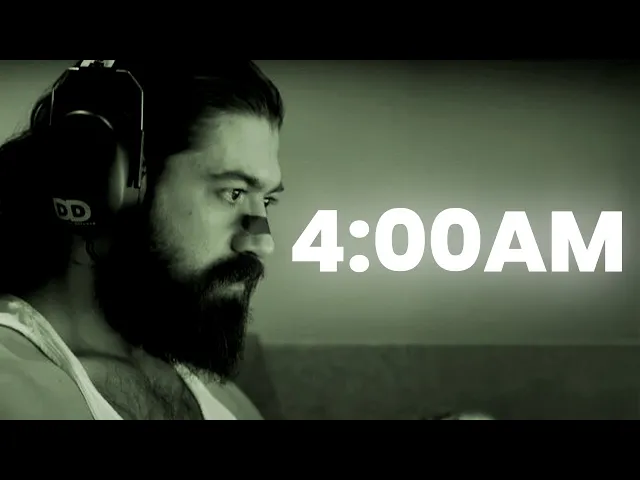
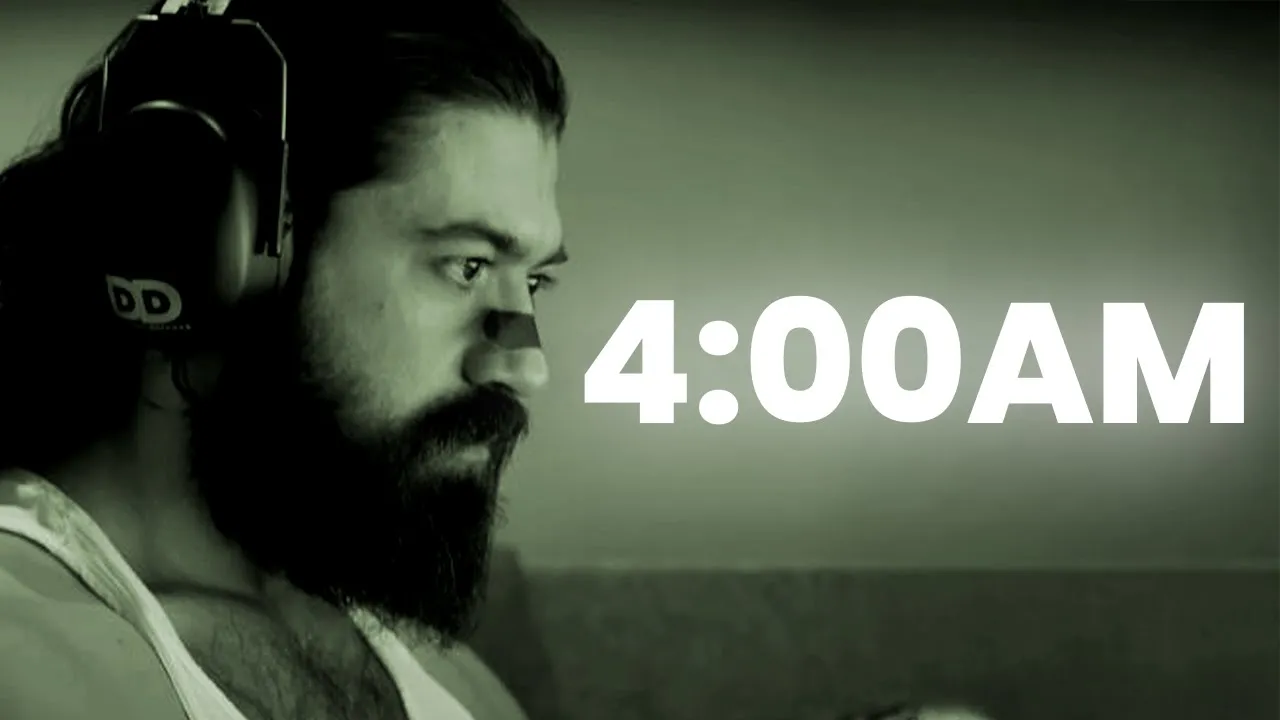
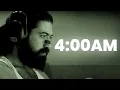
Uh for the first probably eight years of my business career, I woke up around 4:00 in the morning just about every day. And part of that came because I started in the fitness industry and I was doing that anyways. Um but also because I didn't have to talk to anyone until about 10:00 a.
m. And so that gave me about six hours of uninterrupted work time that I could really move projects forward. And so yes, that means the first thing I did every morning was I would wake up and I would start working.
And I think that the morning really actually starts the night before. And so this is something I don't know if it's talked about as much, but for me, I can't it's it's more difficult for me to go to sleep until I have thought about what I'm going to do the next day. So I feel like I have to clear my mental kind of like bandwidth and say, "All right, what are the few things I'm going to focus on tomorrow?
" And I never really give myself more than three things to do. And so it's usually one to three things. People like, well, is it two or is it three or is it one?
I don't really believe in making rules around that stuff. So, if I'm just going to be editing my book tomorrow, then that might be the only thing I have. If I have a couple of things that are going to take a little bit of time, then I might have three things on the calendar, right?
And that's about it, right? And so, the first kind of habit around this is that I plan the night before. I know what I'm going to do the moment I wake up, and then upon waking up, I pretty much just start getting to work, and I have my first four, six hours of the day dedicated to moving those things forward.
And for a lot of people, that's hard. But I think that so is being successful and you just have to pick what kind of hard you want. Being broke is hard.
So is being successful. It's just one of them, you know, might get you close to your goals. So that's the first kind of habit that I would say that I do that's maybe atypical is that I don't have some crazy routine in the morning besides I drink a cup of coffee and that's about it.
The second thing is I try and decrease the amount of decisions that I have to make throughout the day. And so for me, I think decisions that we make over and over and over again, I think are are wasted ones, especially if they're the outcome is pretty much mood. And so one of those things is like food.
And so I eat the same thing every day for breakfast, lunch, and dinner. And um that may sound crazy to you, but uh for me, I like what I have for breakfast, lunch, and dinner. And so I look forward to it every day.
And I don't really have any stress that goes around that. Beyond that, uh this is very very small, but uh if you've acquired a lot of belongings over your, you know, time period, trinkets and things like that, I think you gain a tremendous amount of attention from getting rid of those things. which is probably why if you've ever like cleaned out your garage or cleaned out a storage closet, you feel better.
It's like ah and all these like little attention that that was just like left there and every time I walked by it I was like I should do something about that. Well, try and clear as many of those things as you can so that you have as much of that bandwidth back. And I think that that kind of manifests itself in just better higher quality decisions.
The third thing that I'll say that I would do is that's somewhat different. So the first being uh the night before early morning wake up, no real routine there besides just get to work. Uh, and the second being like I ate the same things every day.
The third piece is kind of the the nighttime side of it, which is I think it's more important to have a bedtime than it is to have a wake up time. And so you might, you know, hear me say, "Yes, I wake up at 4:00 a. m.
" But that might mean that it's 4:45 some days. It might mean it's 3:10 some days. It might mean it's even 5:30 some days.
I'm more inclined to just go to sleep earlier and wake up when I wake up than trying to, you know, get myself out of bed uh when I'm exhausted. And from all the very very wealthy people that I I know, they value the quality of sleep that they have. Not that they're obsessed with it because I know that I can work on four hours of sleep for a very long period of time, but I make better highquality decisions uh when I'm well rested.
And so the third kind of habit around that is set an alarm for your bedtime rather than your wake up time. It's a tiny little hack and I think it it'll it'll do you a lot of good. Um, and so for me, you might think, "Wow, that's not a lot of routines.
" And I think that there's something to that. I when I hear about someone who says like, "Ah, unless I, you know, do a polar plunge and I and I walk outside barefoot and I have all these things that happen, I don't think that I to me that sounds like you're not resilient at all and that you can't handle stress at all. I want to be able to be resilient so that no matter what condition I'm in, I'm adaptable and I can survive and hopefully thrive.
And so if I it's me against somebody who needs to have, you know, their all of their pens in order and all of their, you know, their their 20 minutes of journaling in the morning and then they have to read their book and then after that they have to do their their their out loud ohms and they they have to do this whole song and dance. What ends up happening you starts creating superstition around how you work and that's bad because now you become reliant on that action in order to just be functional not above functional because anything that gives you like a short-term boost often times just becomes a crutch over time and so I'm very very sensitive to superstitions and having crutches because I would rather just say hey I can wake up I can drink a cup of coffee and I can get to work and I think that a lot of times people who look into all these productivity hacks look into all these routines look into all this stuff. Many times use that as a crutch um to lean on to feel productive rather than actually getting work done.
And so big picture, those are the things that have actually yielded me disproportionate returns. I've tried a lot of that stuff. I've tried the gratitude journals.
I've tried the, you know, saying things out loud, the affirmations. I've tried all of these different things. And the things that stuck were the things that were simple.
Um, and I think that if you look at lots of successful people, the the sleeping hours that they keep are wildly different. There's some people who work do their best work between 108, you know, 10 p. m.
and 4:00 a. m. and they work night outs.
I've got a friend of mine who's a billionaire who does that. And that's he's like, Alex, I can't wake up and do work anytime before 10 a. m.
And I'm like, that's cool. Like, that's how he does it. And so, I think it's more important to figure out what sleeping schedule do I get the best work done in and when can I allocate time that is just my time to think.
And as entrepreneurs, like the higher up we go, it's more about the decisions we make rather than the actions we take. Um, and that's something that I've stuck with. And so, as always, it's here.
Alex Rosie, owner of Gym Launch Prestige Labs, and Allen. We've done, you know, 120 plus million. We're on pace for over 85 million this year.
I make these videos because I hope that someone uh learns from some of the lessons and doesn't have to fall for the the many traps along the way of uh the productivity hacks and the buy hacking and all this craziness um that can just get in the way of just get it done, do the boring work, and um you'll see the results. I'll see you in this egg.