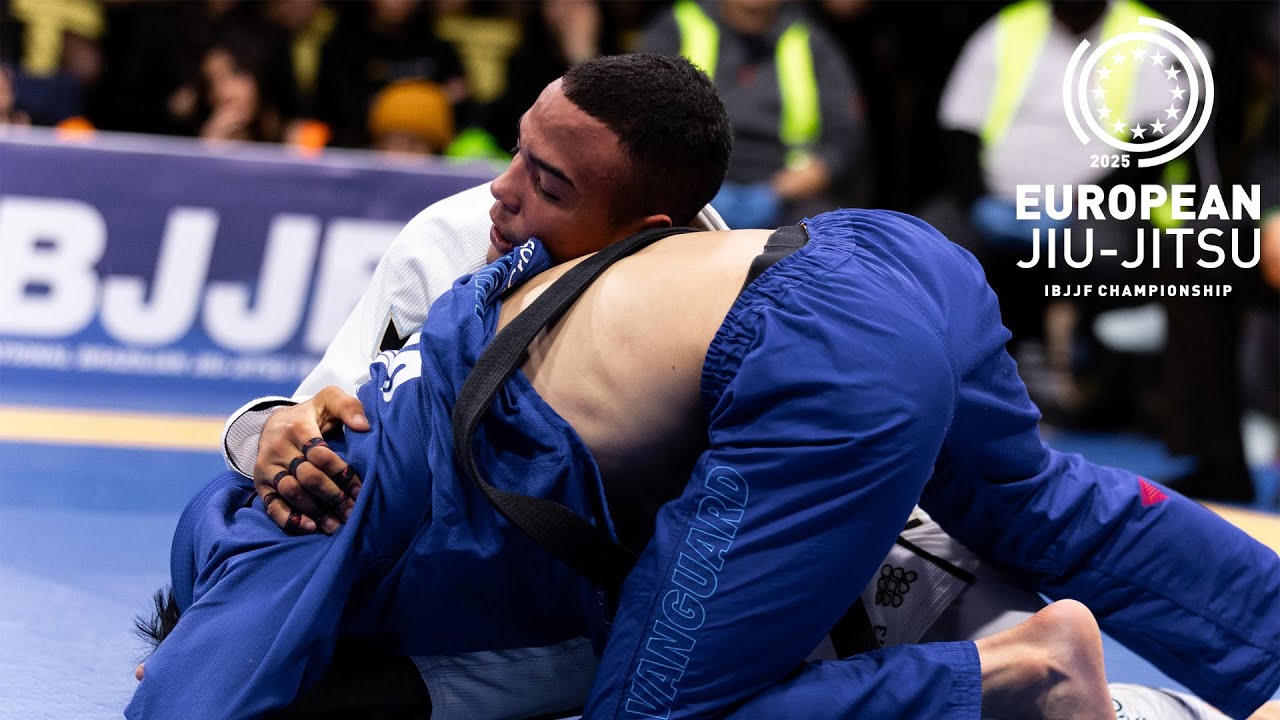
welcome to IBJJF tutorials this video will be focusing on takedowns the next sequences will show you some of the most common examples of situations where takedown points will or will not be awarded in order for a takedown to be considered the movement must start with both feet on the ground of the athlete performing the action when one of the athletes starts the movement and causes the opponent to land on their back sideways are seated establishing top position for three seconds when an athlete forces their opponent to the ground on all fours our belly down points
will only be awarded once the athlete controls the opponent's back placing hooks is not required but keeping at least one of the opponent's knees on the ground for three seconds is not to be misinterpreted when an athlete initiates a takedown movement and the opponent defense by sprawling and controlling the back this situation is not considered a takedown and no points will be scored if an athlete takes the opponent down in the safety area and stabilizes for three seconds two points will be awarded and the fight will restart in the same position at the center of
the mat while in any position starting from guard if the athletes remain on their feet for three seconds the combat shall then be considered standing combat in order to start the three second countdown one of the athletes must have two feet on the ground and the opponent at least one foot on the ground without the knee of the opposite leg touching the mat but when both athletes remain standing for less than three seconds and the athlete on defense throws the opponent back to the ground no points or advantage will be awarded when the opponent has
one knee or more on the ground the athlete performing the takedown will only be awarded points if they're standing at the moment that takedown is carried out on the other hand if the movement does not initiate from standing it will not be considered a takedown and no points will be awarded no points will be awarded in situations where the opponent is taken down from their knees whether initiated in the guard or any other ground fighting situation when the athlete uses a single or double leg takedown attempt but the opponent successfully applies a counter takedown only
the athlete performing the counter will be awarded two points the opponent will not score points or advantage in a situation where the athlete initiates to take down movement and the opponent tries to take their back in the process but does not succeed it will still count as a takedown and one advantage for the back control not to be misinterpreted if the athlete takes the opponent down in order to defend a standing back take where the opponent has one or two hooks in and no feet on the ground they will not be awarded two points or
advantage for the takedown an athlete who initiates a takedown before the opponent initiates the guard pole will be awarded two points for the takedown however if the athlete you initiate to take down after the opponent initiates a guard pool they will not be awarded two points or advantage when an athlete has a grip on the opponent's pants and the opponent pulls guard the athlete will receive two points for the takedown if they stabilize the top position on the ground for three seconds when an athlete has a grip on the opponent's pants and the opponent jumps
card and remain suspended in the air the athlete will have to put the opponent's back on the ground within three seconds and stabilize the top position for three seconds to be awarded with takedown points however when an athlete has a grip on the opponent's pants and the opponent jumps guard and remain suspended for three seconds or more it will declare achter eyes the takedown attempt and no points or advantage will be awarded now we are going to show you how advantages are scored the referee may only award advantage points once there is no longer a
chance for the athlete to reach a point scoring position when an athlete chiefs at take down and their opponent lands on the ground but the position is not stabilized for three seconds an advantage will be awarded when an athlete applies a takedown or a series of takedowns and the opponent returns to their feet before stabilization only one advantage will be awarded when there is no longer a possibility of completing the takedown any situation where the athlete takes the opponent down to the ground lands in garter half guard and immediately gets swept by the opponent they
will be awarded an advantage for the takedown attempt and the opponent will receive two points for the sweep not to be misinterpreted for when the athlete takes the opponent down landing free from the legs then the opponent reverses the position without using guard one advantage will be awarded for the takedown attempt and no points or advantage will be awarded for the reversal please be advised to these similar situations with different outcomes when the opponent deliberately flees the match area to prevent the athlete from completing a takedown one penalty will be given to the opponent and
two points to the athlete however no advantage or points will be awarded when an athlete attempting a single leg takedown takes the opponent outside the combat area if the athlete lands the takedown beyond the safety area no points or advantage will be awarded but if the athlete lands in the safety area and ends up out of bounds through defending before three seconds of stabilization an advantage will be awarded for more information on takedowns visit IBJJF comm forward slash rules thank you