today we turn to the question of what it means to build a racially justice society and what it would look like and how to accomplish it nearly half century after the civil rights movement risk is still a real issue the death of judy fluid is just a tip of the iceberg the problem is still out there it's happening it's part of reality we can't ignore or deny it instead we need to seriously think about how to bring about change for the better of all humanity regardless of skin color today's lecture has two parts one of
them is about the vision we hold for our society let's take a moment to think about what a racially just society will look like does it mean that we no longer recognize racial and ethnic differences or does it mean we recognize racial diversity and even celebrate it again what kind of society would we like to pass on to our future generations like our children and grandchildren answering this question will lead us to the second part of the lecture which will be about how to achieve a society free from racism and racial inequality because residue is
multi-dimensional in nature it requires multi-level solutions at the individual interactional and institutional levels first what future do we envision for racial justice in our society one frequent answer to this question is that we want a society in which people are judged in dr martin luther king's famous words on the content of their character and not on the color of their skin let's take a minute and reflect on what dr king meant when he contrasted the ideas of the color of the skin and the content of the character here he acknowledges the dignity and autonomy of
the individual rather than the group to which the individual belongs you will be judged not by what racial group you belong to but by who you are as the individual the extent to which you embody virtues like humility justice integrity and so on so in this society risk will no longer serve as the basis for discrimination because there will be no leisure classifications this society does not take risks into account as a relevant criterion in law public policy and everyday social practices risk is irrelevant and treated as neutral that's why it is called colorblind the
idea of colorblindness is increasing in the sense that we are not going to treat others according to their skin color but it does not solve the problem that has existed for hundreds of years if we live in an ideal society where there's no history of slavery then color blindness would be the perfect idea however we have not inherited such a world the society in which we live itself is not colorblind so treating race as neutral is not an appropriate ideal for racial justice and it could possibly reproduce um already established racial order that discriminates against
people of color the idea of color blendiness appears to many of us because it makes us think of the ideal america there's individualism in it egalitarianism unit but there's no solution to deal with racial injustice in this concept another idea that has been gaining ground is what we call multiculturalism as a term implies it envisions a society in which nature diversity is seriously taken into account and cherished for its own sake since multiculturalism welcomes diversity literally all cultures are not only tolerated but also welcomed and celebrated multiculturalism is not without its critics though who contend
that multiculturalism focused too much on cultural differences instead of aiming to establish universalities which may have unintended consequences of separating us further instead of uniting us so the idea goes like this well your culture is great so it's just mine we are all different so you go your way i go mine what do you think about this aspect of cultural uh multiculturalism feel free to share your thoughts in our discussion forum another critical downside about multiculturalism is related to fundamental assumptions multiculturalism is based upon cultural relativism which is the idea that cultures are neither good
nor bad they are just different cultural relativism sounds good in theory but are we really relative about everything we ready to embrace all different cultures that harm and divide people in the society we know that while the majority of social movements remain non-violent some protesters use violence like riots setting fires and vandalism we see this in both black lives matters protesters and white supremacist groups are we ready to accept certain cultures like white supremacy culture as presented by neo-nazis clansmen and members of the all-right in charlottesville virginia in august 2017. in the face of such
violence it's hard to imagine how multiculturalism would really work for the better at this point you may wonder okay well then what's the alternative what ideas should guide us as we move on to the future where i just wanted to make sure that i do not reject the whole entirety of color blending and multicultural region there's some positivity in them too for collaborating use it analogies all persons inherent dignity as human beings and for multiculturalism it appreciates cultural diversity but neither of them confronts the very issue of racial inequality directly both of them failed to
be fully aware of how people are treated unfairly despite the premise of human dignity and cultural diversity it turns out that multicultural diversity and colorblindness although they look different on the outside are actually similar and go hand-in-hand to blind people to issues of racial inequality so here is the alternative what we call racial democracy the essence of rich democracy is well presented in philosopher john dewey's writings he believed that democracy is not just a political system or a set of rules but a way of civic life or culture where students freely discuss and debate issues
peacefully challenging their governance exercise the right to freedom of dutch in a genuinely collaborative and mutually enriching manner so in this society there is serious discussion on how to build a society where people of all racial groups are recognized in their full humanity as contributors to the social whole how then can we achieve racial democracy at the individual interaction and institutional levels first at the individual level we need to express oh we need to expose ourselves into different point of view different settings that are more conducive to reflectivity and self-development and growth for instance you
can start a meaningful conversation with classmates of ethnic backgrounds other than your own by doing so you will be given an opportunity to identify your racial blind spot or reflect on your implicit bias this is especially important for white people as they are not as regularly encountered by residue as non-white people some of you may express discomfort by saying i'm so tired of hearing about residue well if you feel that way imagine how tired people must be of experiencing residue you have to get beyond tired in order to truly make yourself vulnerable the complaint itself
may indicate that you are privileged with this self-reflective activities will be able not only to acknowledge racial but also to move forward in the direction of empathy and love racial democracy can also be pursued at the interactional level what if we encounter somebody who holds racist attitudes or who simply doesn't want to acknowledge residue first of all we need to take our prejudice seriously everybody has implicit biases that they are unaware of so in that sense you and the person whom you speak with all in the same boat so we need to be vulnerable and
honest about our own prejudices and start to engage in conversation the last thing you want to do when you are confronted with a racist belief is to turn the conversation into an argument the goal should be a rational discussion not accusing the other side of ignorance restroom and bigotry although social interaction still is important by itself interaction level change is so narrow in scope to adequately address more systematic issues in this sense institutional level change is needed although it is difficult and can take years consider the fair housing act of 1968 which protects individuals and
families from discrimination in the sale rental financing or advertising of housing many people of color however do not even realize they are being discriminated against in the housing market people of color may have a harder time getting information about available rental properties than white landlords may say that units are no longer available although they are still available real estate agents might only show a mexican family houses in certain areas of town in order to prevent these hidden discriminations federer state and local institutions send testers who are virtually same in all aspects except for race to
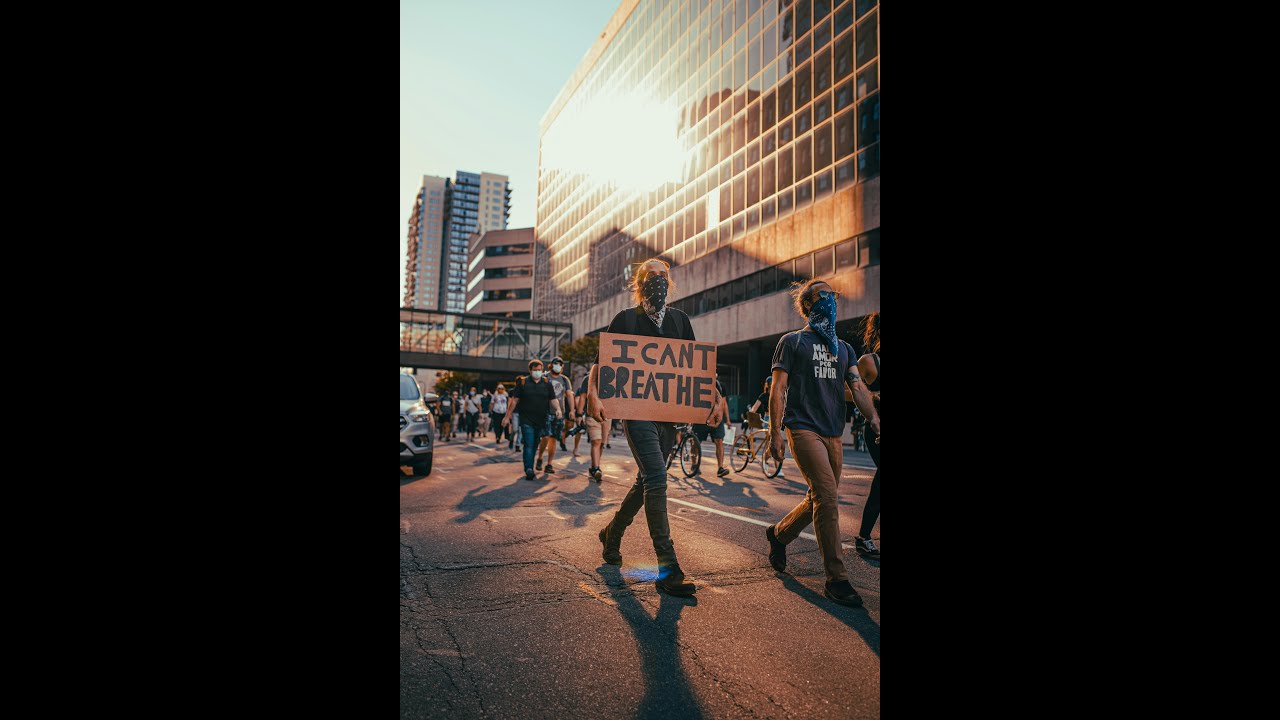
pose as potential buyers or renters since 1992 the u.s department of justice has brought nearly 100 discrimination cases against housing providers on the basis of evidence gleaned from these testers recovering more than 12 million dollars in damages addressing racism often requires not only legal and policy change but social movements history tells us that transformative social change is also brought about through collective action and public protests democracy entered the world not only by means of local initiatives but through a revolution and it is a revolution that americans celebrate on the 4th of july and now we
are going to celebrate our juneteenth as a federal holiday to celebrate the emancipation of african american slaves as present by them sign the bill of course social movements often are self-destructive and short-lived social movement based upon particular race may not be as appealing as it once was such a movement driven by identity politics should be understood not as an end in itself but as a collective strategy for bringing about a new social order in this sense perhaps most conducive to the goal of a racial democracy would be multi-racial social movement like the black lives matter
movement let me conclude throughout history many people have been treated unfairly because of their race the good news is that the public has become more aware of the issue working towards racial justice is not an easy task it requires sustained effort and often sacrifice as christians our effort to justice should be motivated by the love of god and the truth and power of the gospel you