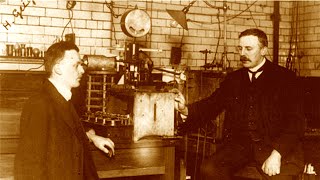
shortly after the Geer and marsan experiments done between the years of 1908 and 1913 Ernest ruford proposed his new theoretical model of the atom which challenged JJ Thompson's Plum Pudding model which was the prevailing Theory at the time Rutherford's model proposed that at the center of an atom was a positively charged nucleus which attracted much smaller negatively charged electrons that would orbit it this model solved a huge problem that the Plum P putting model could not which was that it couldn't explain the extreme deflections of ionizing radiation with air molecules Rutherford's model also had a
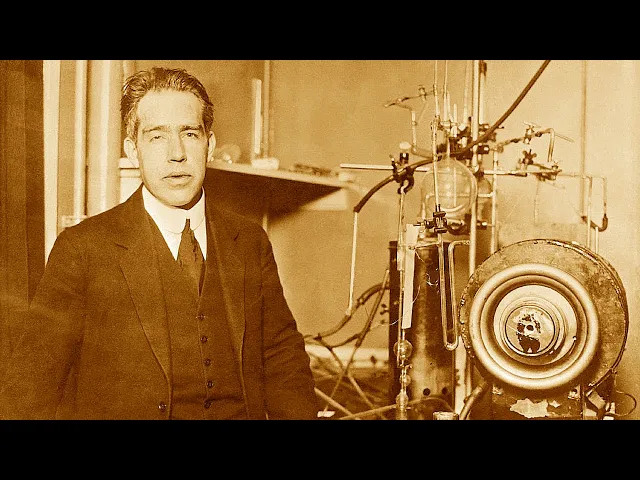
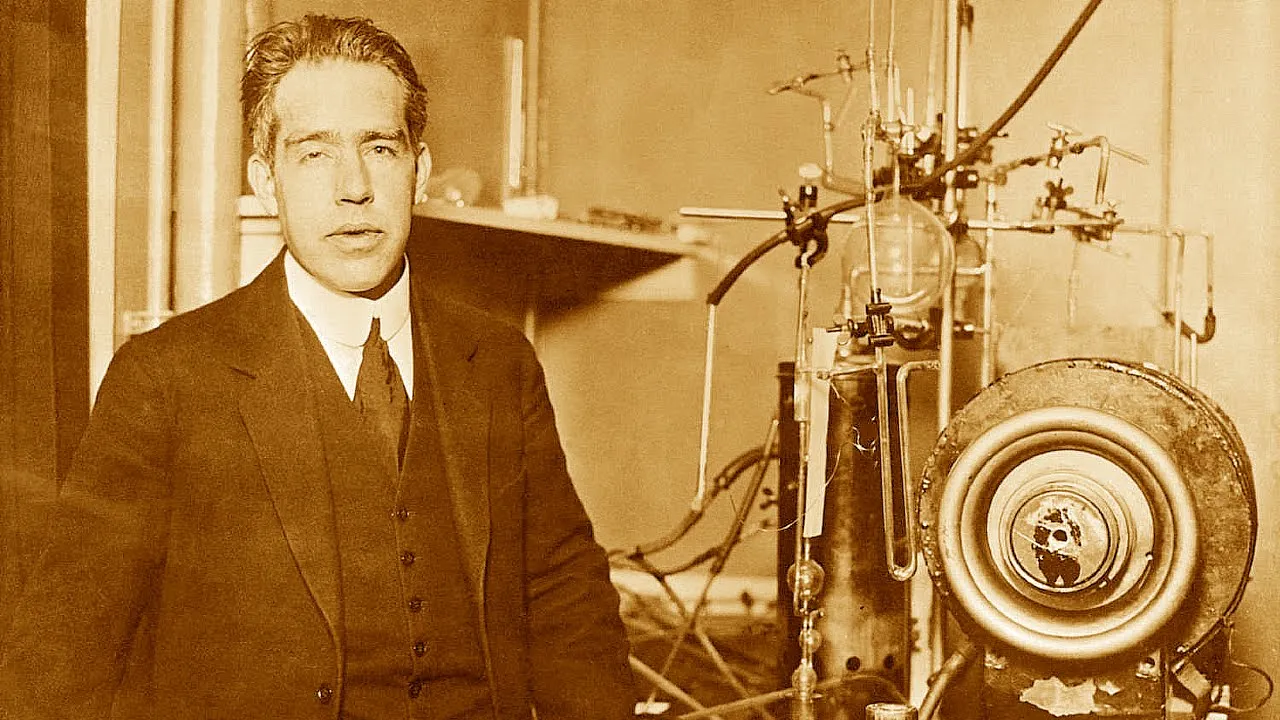
much more intuitive reasoning for the atomic weights of atoms stating that the majority of the mass in an atom was composed of the nucleus as opposed to potentially thousands of electrons based on the plump putting model however this so-called nuclear model of the atom wasn't without its own faults this Main problem was brought to attention by a Danish postgrad student who had received an invitation from Rutherford to study under his guidance by the name of Neils bore B's time with Rutherford came about due to a difference in opinion with his first Mentor JJ Thompson he
had received his Doctorate from Copenhagen University in 1911 with a thesis in electron theory in metals and had traveled to Cambridge to propose his electron ideas to Tom thps son who at the time was the most distinguished mind in electron Theory Thompson showed some interest in B's ideas giving bore a few experiments to conduct however these experiments didn't go far and bore mostly came up empty-handed while working under Thompson Bor got a chance to hear Rutherford speak and upon hearing a lecture he was instantly won over he showed interest in Rutherford's work and Rutherford invited
bour to work under him at Manchester which bore enthusiastically accepted in 1912 although Rutherford was mainly an experimental physicist and bore was more on the theoretical side of things the two got along well and developed a massive respect for one another while studying under Rutherford Bor came to notice a problem with the nuclear model regarding the orbits of the electrons according to classical electromagnetism a Charged particle undergoing acceleration has to radiate to conserve its momentum in the nuclear model A radiating electron would lose its energy over time and the effect of this would be that
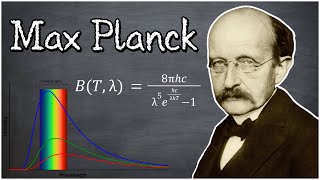
the electron slowly would fall towards the nucleus eventually colliding with the nucleus and collapsing the atom since atoms in this universe are stable this obviously couldn't be how electrons actually behave coincidentally at around the same time New Revelations were being made in other areas of physics with innovators like Max plunk and Albert Einstein introducing a new branch of science quantum mechanics in which they were proposing energy as being absorbed and emitted in discrete packets bore took these advancements and then applied them to rr's model of the atom theorizing an entirely new way in which electrons
orbit the nucleus B proposed that electrons orbit the nucleus at quantized energy levels in these energy levels electrons orbit without radiating energy until a certain threshold is met and when it is the electron instantly switches energy levels releasing excess energy in the form of a photon similarly an electron can move up an energy level when it absorbs enough energy to do so this model proposed by bore did two major things for one it solved Rutherford's problem of electrons falling into the nucleus by proposing a ground state of n equals one in which an electron is
in equilibrium in its orbit due to the attractive forces between the nucleus and the electron perfectly balancing with a linear Force attributed to the direction of motion of the electron's orbit in this ground state an electron is not able to emit any more energy and collapse into the nucleus the other major thing B's proposed model did was incorporate the newly formed laws of quantum mechanics into the structure of the atom through applying quantized energy absorption and emission to the electron's orbit and getting rid of continuous motion between energy levels bore spent a mere 4 months
with Rutherford in Manchester and by the time of his departure he had revolutionized the theoretical structure of the atom he returned to Copenhagen for his wedding to Margaret Norland whom he had met 2 years earlier after the honeymoon he became an assistant professor in Copenhagen and was promoted to Professor of theoretical physics in 1916 after he took an extended leave to be in Manchester with Rutherford further refining his theory on the structure of the atom B's model was slowly accepted over time as experiments verified predictions that came from this model most notably the Frank Herz
experiment the bore model wasn't perfect however because for atams with more than one electron predictions of spectral lines became less and less accurate despite this drawback the pros of the model vastly outweighed the cons and the Revolutionary Quantum idea was definitely the most accurate theoretical structure of the atom to date and was more than enough to propel bour into high status in 1922 only 10 years into his scientific career he received the Nobel Prize in physics for his services in the investigation of the structure of atoms and of the radiation emanating from them in his
acceptance speech he attributed his success to many greats in the field including Rutherford who helped Kickstart his career and plunk and Einstein for their contribution to the foundations of quantum theory although not perfect B's new model was a huge step towards a true understanding of atomic structure and his work also merged newly but in quantum theory with his field of study helping scientists move towards a more complete understanding of the nature of our universe if you enjoyed this video please consider liking and subscribing click here if you want to see more scientific progress made during
this time period thank you for watching and I will see you in the next video