Okay folks welcome to the sixth teaching of month two of the ict mentorship we're specifically dealing with the secrets to high reward trading setups now some of you may have already went through my trading plan development series it was a long video series it has a lot of information it was really aimed for those individuals that have never really Had exposure to the marketplace giving them ideas on what direction to go and what to focus on primarily and while it is a great deal of information for a neophyte it is necessary to go through those
things because it has to give you well not it doesn't have to but when you're first starting out it's important That you have a mentor or you have a framework or a foundation to build upon to give your your trading career a direction one of the most recurring themes in my role as a mentor is you know where do i begin what should i do first you know where should i be focusing my attention at now what should i be studying okay and while the trading plan development Series is still good it's still valuable in
my opinion um not because i made it but because it's again it's useful some of you majority of you actually are actually really exposed to my content and my material as it relates to trading specifically to foreign exchange but i think that if if one were to look at what i actually do on a Day-by-day basis what is the procedure what are the things that i do to elect a specific stance on the marketplace what makes me bullish what makes me bearish why do i focus on one currency pair over another all those things are
decisions and processes and while we will have specifics in relationship to how i arrive at Individual specific views or uh decision points as relates to how everything fits together on in my decision process it's important that we start with kind of like a a micro version of the trading plan development series in this teaching that's what this is while it's not going to be comprehensive as the trading plan Development series was this one's going to be a little bit more specific it's going to be more salient to the things that i do as a specific
forex trader i don't look at all the things that the trading plan development series video course spoke about um they do occasionally come up in my Thought processes but they're not all required to come to a trade decision okay so we're going to go through a lot of the things that i believe that if you've been exposed to at least all my free tutorials uh we're gonna be able to get down to a little bit more process and uh decision based parameters in this teaching now it's important also that we go into This with the
proper mindset okay i don't want anybody thinking we're going into trade signals we're not talking about trading patterns we're not talking about uh stop-loss placement or or trade management none of those things are uh important here this is the the last primer for us before we start going into the the specifics of breaking down individual decisions um each process Which as a collective whole as we'll discuss in this teaching will you'll see that that's how the ict mindset is you know what we do on a day-by-day basis what frames our opinion about certain things and
when do we change those opinions and when we move to the sideline all those things come by way of process thinking okay and it's important that you understand that While entry signals and and stop placement and patterns and order blocks and overflow and all the ict you know jargon and the things that get really uh exciting there's got to be a little bit of dry information uh presented to you and it's important so i don't want you to look at this video and go through it and walk away with well you know this isn't really
teaching me anything it really is Teaching you it's going to teach you how number one to think in terms of foundations because we have to understand where we're building on to elect a decision relative to whether we're going to be a buyer or seller or where we're going to stay in on the sidelines okay because that's the real secret to trading understanding what makes the process arrive at a decision okay you know what is the process what you know what are The components that help you arrive at whether you should be a trader uh buying
or selling or staying on the sidelines and what asset class should you be trading and what specific pair if we're going to be dealing with foreign exchange as we are in this teaching all those things will be a little bit more clear a lot more clear i should say by having the thought Processes that i'm going to introduce here now obviously there has to be a specific order okay there's got to be an hierarchy to what it is that we do as a trader what makes our decisions you know incremental what what do we do
first what do we focus on first and obviously i've i've been a a strong supporter of the notion that Every trader needs to have patience obviously and you know after patience then we have to understand obviously what defines trade environments you know are the environments conducive for trading right now uh that's a topic that obviously goes um largely on uh taught by majority of everyone that's teaching and has courses or whatever They do in terms of uh teaching the populace and i do a lot of work with that in this mentorship and it's going to
be a lot more spread across the entire mentorship so i don't really have one specific teaching that talks about when you shouldn't trade there's going to be a lot of things that you'll come by experience and learning that define those Environments okay uh the next stage is obviously to determine a trade parameter you know what makes your trading um you know a buy or sell you know what gives you um those notions to even take action obviously it's not simply you know well it's been going up for last 60 minutes so i'm going to buy
or it's going to be going lower because of an interest rate announcement i believe that's going to Happen so therefore i'm going to you know trade on that it has to be very defined okay it has to be specific it has to be binary you do this or you don't do this okay uh do x or do y okay it has to be a a very black or white decision process if you don't have your trading plan or your perspective or process you know in determining whether you want to be a trader buying or selling
right now or staying on Sidelines it will create a huge vacuum where lots of emotional psychological and impulsive trading will creep in and if you don't have these binary thought processes and where you're specifically dealing with in terms of decision making you won't have any structure and without structure without having a refined clear trading model what defines your trading What makes your trading model uniquely yours you're going to struggle and it doesn't matter who teaches you doesn't matter what principle or discipline you trade with it's going to be an impossible endeavor if you do not
become highly organized so you have to after a long period of time spending in front of charts and and work with individuals and myself as a as a trader because i'm always a student i'm always Learning something about myself as a trader uh not so much about the market anymore and it does i don't mean to sound arrogant but most of my learning comes by way of my individual experience as a trader and you'll learn uh that actually helps you refine your your trade parameters and next obviously you need to know what Makes your executable
criteria what it is what makes you be the buyer or the seller and you know having those those parameters defined it's not just simply i'm bullish right now okay well if you're bullish what would you do to be a buyer and what would make that buying scenario uh you know negated what would what would change the the tone in the marketplace for you to either move to the sidelines or If you have a stop-loss hit do you still consider that being a buying condition and these things have to be specific they have to be highly
refined it's got to be like a flow chart format it's gotta you have to go from one step to the next and if it's not like that again you're gonna be very emotional you're gonna be very psychologically uh influenced by the things that you see in the price action and worse by online media forums twitter facebook people Talking to you and your at work and your friends that maybe you know there are traders all those things are going to be influential to you and it's going to be detrimental to your performance as a trader so
we don't care what anybody else's opinion is we don't care about what uh their opinion of our trading model is in fact we're not really trying to share our trading model to anybody it's a unique Trading plan and trading model for for you okay and you're going to define that refine it to yourself and that's going to be your graduation when you know exactly what's going to be framing your trading model and you'll have a lot of help along the way through the remaining months of this mentorship but they have to be defined by you
i can't force you to be a day trader i can't afford you to be a short-term Trader i can't force you to be a swing trader you'll know which one that is for you by the end of this mentorship and then more importantly you have to understand why the trade should pan out understand what makes the trade viable okay it's not just simply i see a trading pattern here or i'm i believe i'm bullish or i believe i'm bearish in the marketplace there has to be a real Understanding of why that scenario should take place
and largely this is going to come by experience okay and obviously that experience comes by taking action in a demo account and when you do that experience should be logged and kept for future reference that's the only way you're really going to learn obviously if you just go into a demo Account you click on buy and sell and you're just waiting to see the outcome and you want to attribute the winning trades as you're a good trader and the losing trades well that really didn't happen so therefore it doesn't make a difference to me that
doesn't help you as a developing trader so the real secrets to um finding high reward trade setups is Number one you have to know what it is specifically you're looking for and where to find that information so before we get into all those things i want you to understand that it's crucial to understand that efficiency and trading comes by way of process oriented thinking and it doesn't come by way of reactionary or impulsive thinking which also leads to rushing ahead and trade signals prematurely I could tell you if we were all going to sit over
top my email box and look at some of the things that i got and by way of feedback um it's the reoccurring thing is i want to see trades i want to see entries i want to see get me in and get me out that type of perspective and i understand that i get that okay but i can tell you being from where you are right now and where i am Now in my understanding as a trader i can tell you that's not what you need to know right now and it doesn't feel good to
hear that it feels like i'm leading you down the primrose lane it feels like i'm just you know you know deferring you know something that you think you need to have right now and that's not true what it is is you have to develop a process oriented thinking and that means i can show you order blocks You know i can show you uh breakers i can show you institutional order flow uh returning back to a mitigation block okay i can show you examples of that but until you understand the process behind why these things should
be doing what they're going to do it's going to be really of no help to you it's going to feel like i'm demonstrating toys it's Going to feel like i'm you know showing you well this is what i can do and that's not what this is all about it's to show you with an intimate uh experience on a day by day basis a weekly basis a teaching tutorial basis a theme generalized over the month okay that builds on your total understanding the folks that are struggling right now are the folks that are really trying to
be Reactionary or impulsively thinking about what they want to do right now and that's the hardest thing for traders to do when they first get involved with learning they have this insatiable desire they have to be trading right now they want to get in they want to take signals okay and i spent the entire first month september on a day-by-day basis showing you that there are a plethora of trading signals All the time we were laser guided precision there's no reason for you to be feeling rushed october didn't change okay the weight prices being delivered
none of these concepts fell out of fad okay it still works but i needed to show you the first month that there's nothing that's going to hinder your ability to find signals because there's always a lot of them the problem is going to be is you don't know what defines the setups for you as a Trader and you're not going to have a process organ thinking that leads you to high reward trade setups and it's it comes by experience it comes by showing you conceptual ideas and a broad brush idea of breaking down what it
is that we look for in the marketplace and where does that information reside so it's real important before we get into this that this is important that you focus on the fact that what i'm showing You in this teaching while it doesn't give you technicals it doesn't give you trade scenarios it doesn't give you specific get in get out type things i'm i'm of the mindset that this is exactly what i needed to be told when i first started as a trader but no one was around to tell me these things no one had the
experience around me or i had the uh the avenue of reaching them like you have with me you have a very intimate relationship with me as a Mentor because i'm spending a great deal time and i'm investing a lot of my time by way of my experience and it takes a lot of time to communicate that because we're talking about someone that's been doing this for two decades or more and there's a lot of lessons i learned and there's a lot of lessons that i resisted initially and some of those are the same things i'm
warning those Individuals that are feeling it right now and you know who you are because right now you're squirming you're wanting to get on get on with it get on with it michael if you're feeling that you're in that reactionary impulsive thinking okay you need to change that suppress that it's hard i know it's hard but you're not going to get to high reward trading scenarios okay that you can find very quickly in the marketplace that you Can find consistently efficiently all those things are going to evade you because you're looking to do something right
now and professional traders are not in a rush to put money at work they want to sit back and wait for a scenario that makes sense so if if we were all in a room and everyone had a chance to ask me something i can tell you the number one reoccurring question if We were all to to write it down on a piece of paper ahead of time not just vocally say it that way no one would basically reple repeat it the uh the question would come by way of what makes me think this order
block's gonna do what or what makes me think that this level is gonna keep price from going higher what why do i think the judas swing Should go up after midnight and then sell off you know what are all those things and i understand why you're asking those questions and they're the same types of questions that i had about the marketplace but again i didn't have anybody to direct those questions to but it's important that you understand that there's no way i can actually answer that question to you now because we Haven't gone through all
the things that are necessary for me to adequately answer that it would it's almost like i'm creating an additional language on top of what you've already arrived at by going through my free tutorials and it that's why i require 12 months with me because it's going to basically beat it in your brains by hearing it over and over again specifically dealing with it i'm going to trade by trade base As a daily uh involvement the the application of it and that's going to be you know the big takeaway you're going to have experience whereas if
i just wrote a book or if i made some dvds or cds and you watched them that would be it it would be rather stilted you would come away with well that's cool i can see how it works sometimes or i can see how it works in the past but you don't have the intimate Relationship of sitting down and going through the process okay and explain why it should take place we did some of that on a micro scale in september but we need to go through a process of outlining you know what the beginning
foundations are going to be because as we go into the fourth fifth and sixth month They're going to be greatly uh focused on the the the components that make up the trade templates okay in other words at the end of their mentorship you're actually going to get a flow chart for when to be a buyer for swing trades when to be a seller for swing trades every specific decision point that goes through my head as a Trader and what tools you use for each decision point and what's the response that you should have everything that
we use everything that i go through in my tools uh for short-term trading the same way what makes me a big buyer what makes me be a seller you know what makes the trade no longer good where does my stop go when do i move my stop all those decisions that go through my pro new my mental process okay because whatever everything i do is Process oriented thinking and it comes across as well you it you're just really good at this and it's not that i'm good at it it says i'm experienced at it and
i know what decision i need to make right now and sometimes it's sit on the sidelines and because i've done it so long that experience gives me reference to go to Mentally and it only takes a few seconds sometimes to arrive at where i think the market's going to go based on these processes now while it seems like it's a great deal of information and i'm job owning here it's important that you really really listen so if you're if this is one of those videos because there's no charts here you need to sit down and
listen don't be watching tv don't you know don't be having your kids in the Sidelines okay distracting you you need to be paying attention to this one because it's important okay so let's take a look at how we go about this using the tools and all the the processes along the lines of ict related information obviously again we're not talking about the trade plan development series okay this is like a micro scale version of all that stuff so we're going to go Right into where the information is going to reside and what you're going to
be looking for in these specific areas of study before we get into any high reward trading setup we have to understand obviously there's going to be a big picture perspective okay and when i say big picture perspective it's primarily four areas of reference it's going to be macro market analysis it's going to be enter I'm sorry interest rate analysis inter market analysis and seasonal influences the next area of study is going to be for an intermediate perspective we'll be looking at top-down analysis cot data which is commitment of traders and market sentiment and for our
short-term perspective we're going to be looking at correlation analysis time and price theory and ifta which is the interbank price delivery Algorithm now looking closer at the big picture perspective we're going to take a look at what makes up our big picture perspective obviously there's four areas of study and again my macro market analysis interest rate analysis inter market analysis and seasonal influences a little bit of tongue twister there folks when we look at the big picture perspective okay While there's four areas of study we're going to need to primarily focus on at least two
of these that have to come into agreement okay what i mean by that is our macro analysis our interest rate analysis our inter market analysis and seasonal influences uh all four of these do not have to agree okay but you do need to have two of these components to arrive at your big Picture perspective okay in other words our our grand scheme of things our our our big picture perspective okay is going to be defined by at least two of these areas of study they have to come into agreement it doesn't matter which of these
four that you elect to subscribe to but they have to come in an agreement so let's take a look at a little bit more information about each one of these Four okay so again focusing on the big picture perspective the first thing we're going to be looking at is the macro market analysis now this is really simply described as are we in an inflationary market are we in a deflationary market when the markets or a currency or country is in a inflationary condition it's going to have a direct relationship on the currency Obviously when they're
in a deflationary market condition that's going to have a relationship or a response to their currency it also in terms of equities it's going to have a direct relationship to that so when we talk about commodities and we talk about stock prices later on in this mentorship inflationary and deflationary market conditions are going to have a large Impact on that as well the next area is interest rate analysis and obviously when we're looking at interest rates we have to consider are we looking at higher interest rates have we seen a trend in interest rates have
they been climbing are we looking at lower interest rates um have we just had uh rates uh uh decrease or have we seen a trend in in lower interest rates or did we have an unexpected change did Something come out with uh you know fomc that uh you know did a currency come out and intervene in their currency by having an unexpected interest rate change uh did they hike interest rates or did they do an unexpected rate cut and also by looking interest rates which is not noted here we look at differentials between two interest
rate markets so between a currency that has a High interest rate and another currency that has a low interest rate many times that creates what's called a carrying carrying charge market where you can actually have a very easy way of finding trades directional when it has that but again you know what we're looking at if we were just looking at these two primary areas of focus for the big picture perspective We could have the macro market analysis in other words we could see an inflationary market and uh interest rates alignment with that perspective and that
would give us our big picture analysis in other words that would frame on the grand scale are we a buyer or seller and we want to focus primarily on that the next area studies inter market analysis and it's going to come by way of the crb Index or we're focusing primarily on the commodity market and we're looking at the relationship between the commodities and the us dollar index you're going to see many times the markets between commodities and the dollar index are inversely related in other words if the dollar index is going up usually commodity
prices are going down and when commodity prices are Going up usually the dollar is going higher and vice versa in other words um again looking at these three areas of study uh we need two of these areas of study to come an agreement to arrive at our big picture perspective okay we could see a interest rate uh market indicating that there are lower rates on the horizon or or higher interest rates on the horizon And that's gonna you know blend well to a directional bias on a currency and if we see that same time happening
where the commodity market wants to go higher and the dollar index wants to go lower that gives us a framework for a high reward trading scenario relative to the big picture so the only thing we're doing now is framing three areas of study okay and if i haven't said it already What makes a high reward trade setup is if your big picture perspective your intermediate perspective and your short term perspective is all in agreement okay and directional wise if you want to be a buyer seller relative to those three perspectives on the marketplace if those
three are in alignment and you trade on that side of the marketplace that is high reward trading scenarios or setups And the last and the four is seasonal influences and that is obviously you know speaking on terms of are we in a bullish seasonal tendency for that asset class or pair or currency or for the dollar for that matter or or commodities if you know if we're studying commodities there's a large seasonal influence that has an effect on commodities and if we see that obviously that's going to be Mirrored in what we see in the
dollar index okay if the crb index is entering a time when commodities as a whole usually go higher that's going to put downward pressure on the dollar so if there's going to be downward pressure on the dollar that means that we can see easy buy signals in currencies that have interest rates that are going higher and that that Chasing of yield okay with the currency makes a high reward trade setup and obviously there's bears seasonal tendencies as well but when we go forward in the mentorship we're actually breaking down what specifically frames a inflation and
i'm sorry inflationary market and a deflationary market and how to go and look at interest rates specifically and how to use the interest rate market For timing so it gives us a stage on when this criteria is in place what we do with it you know what when should we be buying or selling relative to the interest rate analysis that we see and the same thing with inter market analysis and seasonal tendencies the next area of focus is obviously the intermediate perspective and that is by way of looking at a top-down analysis Traders data and
market sentiment and for intermediate perspective there's only really three things that you're looking for okay but at least two of these things have to come in an agreement so that means by looking at these three specific components okay top down analysis is simply just looking at higher time frames down to a lower time frame and cot again if you're not familiar with that is it's commitment of Traders data what we do is we look at the cftc report that comes out every week and it gives us a reportable level uh report on large commercial traders
large speculators and obviously the small specs we're not really so concerned about small specs small specs would be somebody like ourselves you know when we're trading in in unreportable uh levels in other words we don't trade at a level where we have To report our trade size which is mandated by the cftc at least in the states it is and market sentiment is simply i use market vein okay which is a measure of brokerage firms actually calling around and getting a consensus on whether they believe a a particular market is bullish or bearish and it's
basically it's an opinion You can you can use other things like there's certain websites out there that have a bullish or bearish an opinion like if you go to barchart.com and you pull up a specific commodity you can actually see what the community at large in that forum has for that particular uh that view i think there's a pretty much just about every form out there has a way of measuring Sentiment and i do a lot of research on saturdays with that perspective alone i go through a lot of resources and actually show you where
i go and get all my sentiment numbers but it's again this teaching is not going to teach you everything about every individual component but the components that we're talking about specifically we're laying down the foundation because it's important that we know Where our study is going to be focused going through this mentorship and why it's not a lot of information but it's a little bit of homework that's needed for you to get to the decision making processes that i go through as a trader so again intermediate perspective let's take a closer look at these three
things okay so intermediate perspective on the marketplace framing high reward trading scenarios or setups okay top-down Analysis is obviously just going through a monthly chart and we do monthly chart analysis and what what specifically are we looking for in a monthly chart um you know obviously without going into great detail because i'm not trying to teach it all here uh the monthly chart is we're looking at key levels we're looking at uh intermediate and long term highs and lows we're looking at specific order blocks and we're looking At you know levels that show a clear
indication of wanting to repel price higher or lower and the same thing is said for the weekly chart when we look at the weekly charts we're looking at again a higher time frame perspective so it gives us a great deal framework for high reward trading scenarios simply because of the weekly chart being again a weekly chart Large funds okay large managed funds do a great deal of analysis on weekly charts okay most of their work really comes by way of monthly and weekly and they usually execute on daily charts okay so it's important that you
understand that that's the reason why the markets move around like they do most folks that have youtube channels and and facebook uh you know Accounts and they're out there trying to pretend that they're some kind of analysis or i'm sorry analyst or or teacher um they'll be teaching with a one minute chart or five minute chart and they're they lead individuals to believe that these intraday charts have some influence over price and they don't all they're doing is reflecting okay what is going to be arrived at by looking at a monthly weekly and a daily
chart because those three time Frames are really what makes the markets move by having these intermediate perspectives okay again you have to have at least two of these uh the areas of focus in agreement so in other words you could have a an idea on a monthly chart that frames one of the two things that lead to your intermediate term perspective okay and it could be obviously it can be Off the weekly chart or could be the daily chart okay but that would be one of the two that's necessary to frame your intermediate perspective the
next area of study would be a co2 data okay that's obviously looking at the bullish hedging by smart money or the commercial traders or the bearish hedging by the smart money and again if you haven't watched any of my free tutorials there's teachings on commitment traders It's important to know that you'll learn everything you need to know about cot data in this mentorship so even if you haven't watched the videos okay or familiar with commitment of traders just settle down relax please don't send me a twitter storm of questions or emails because everything i'm talking
about here i'm laying down a foundation okay these are the things that you need to be starting to write down in your notebook because There's going to be areas in your notebook that you need to have specific notes relative to these things okay and i will give you everything you need to know and more trust me but i'm just giving you the foundation of where our study is going forward okay going into this mentorship and obviously with the cot data we look at extreme levels historically in the last 12 months and the last four years
when the commercials on the commitment Traders report get to a 12-month extreme higher or low in other words if they have a real extreme high reading or low reading relative to the net sum zero line that's used for the cot net traded physician chart which you'll learn all about that usually sometimes indicates a change in their hedging program and it gives you a a real clear indication of there's probably an enemy in terms of Long-term high forming and the last is market sentiment obviously we're looking at extreme market bullishness or extreme market bearishness and again
that's one of the things that come by way of my saturday studies i go through all of the things that lead to my uh opinion or my own individual market sentiment readings based on a number of areas i go and look for readings and then i get an average of That reading and come away with the consensus whether or not we're either at a bullish or bearish uh sentiment now again out of these three you need to have at least two of them in agreement the least of significance is obvious the market sentiment but the
main thing is uh you know the top-down analysis you have to have a level or an idea relative to the monthly the weekly or the daily it does Not require two of those time frames it just needs one okay you can trade really without the uh monthly weekly and daily chart and trade on a idea relative to the commitment of traders and sentiment now think about that you're probably thinking wait a minute michael when you say we gotta use a daily chart we gotta use a weekly chart We gotta use a monthly chart yeah you
can but you can still use the commitment traders data information i'm gonna provide to you and market sentiment to frame your intermediate perspective now obviously we're not executing on an intermediate basis but it frames your trade idea you need one of two out of these three to come in agreement with your intermediate term perspective now I know what some of you are thinking well what if i look at a monthly chart and it tells me that this is bullish and the weekly chart says it's bearish and the daily chart is bearish but the commitment trader
says it's bullish and market sentiment is extremely bullish okay what do i do with all the information how do i arrive at that that's all going to be taught to you in the mentorship but the main thing Is this criteria is what we'll be using going forward so that way when we look at the market in these views you'll understand why i'm doing what i'm doing because it's based on the things that you're seeing here okay so again just know that to have the intermediate perspective outlined you have to come to an agreement that at
least two of these areas of study or focus for the Intermediate term perspective you have to come in an agreement with two of them in other words you either have to be a buyer based on two specific areas of study here out of the three okay so again as an example you know the weekly chart indicates higher prices and commemorators suggesting that there's bullishness on the stance of the commercials That would be enough to frame a intermediate term perspective that means you're going to simply wait around for a short term perspective that lines up with
buying and that's really you know all we do here that's all we're doing okay so we're gonna frame a macro big perspective okay and then an intermediate term perspective and a short-term perspective that's what we'll look at next Okay so for short-term perspectives we're going to be looking at the correlation analysis time and price theory and ipta which is again interbank price delivery algorithm so take a closer look at this short term perspective okay so right away there should be something staring at you that now also we have to look at three things to arrive
at our short-term Perspective and the reason why is because most people just look at a one-minute chart or a five-minute chart and says okay well this is what it all i need and that's what gets them in trouble okay so when we look at short-term perspectives okay we're going to be looking at the correlation analysis and again that is going to be linked to your understanding of the u.s dollar index smt analysis and i know that probably Went way over your head if you're new if you never went through my free tutorials that probably sounds
like uh you know something you hear from nasa but the the dollar index smt analysis is basically just looking at the relationship between the dollar making higher highs a relationship between a currency to the dollar like the british pound for instance if the dollar's making higher Highs if the british pound versus the dollar fails to make lower lows that's a cracking correlation and we we view that with a specific idea in mind and the other correlation analysis concept that i use is correlated pair smt analysis where we look at closely correlated pairs like for instance
the euro dollar and the british pound dollar because usually they move in general Same direction not always obviously you can see with the brexit issue generally when there's a symmetrical market which we learned about in this mentorship already correlated pairs move in tandem when they do not move in tandem that obviously gives us a lot of insight in terms of how we should be trading the marketplace if it is not moving in uh tandem then obviously that's indication that we do not have what asymmetrical Market so that means we have to be very selective with
our trades because now there is the lack of symmetry in the marketplace that means the dollar is very clearly moving higher all foreign currencies are moving lower in sympathy next area of study is time and price theory okay and so in time and price theory we're looking specifically at uh the quarterly effect that means every every Three months or so uh there is a new price shift in in the higher time frames in other words if the market's been going higher uh generally you'll probably see the market going to a consolidation over the next three
months uh not for the next entire three months but over the course of three months if the market's been going higher uh you'll probably see the mark going to consolidation or reverse okay and if the market's been going lower Okay over the next three months uh we may see a consolidation and go into a range or it could reverse and go higher then we just we're watching the the market over it's usually a three to four months so i'll allow a little bit of uh overlap in terms of calendar months it's not specific daily uh
you know so i'm sorry it's not specific to the first of every month to the end of uh you know the last day of the third month it's not that clear-cut So we look at the market with a quarterly perspective and allow the next shift and market structure to unfold there's a monthly effect where we look at the monthly ranges and we look at specific points of reference relative to the monthly chart and then obviously the weekly range most of you know about that because i teach a lot in my free tutorials about One shot
one kill setups which i think is like that's like my bread and butter go to that's how i that's how i define my own trading i am a weekly range trader uh by far and large that's usually how i'm trading the marketplace i'm looking for capitalizing uh at least the lions portion of what i interpret as the weekly range that may unfold for the week ahead and then obviously the daily range daily range is the time and price theory that We use for engineering the daily range of that the power three the open high low
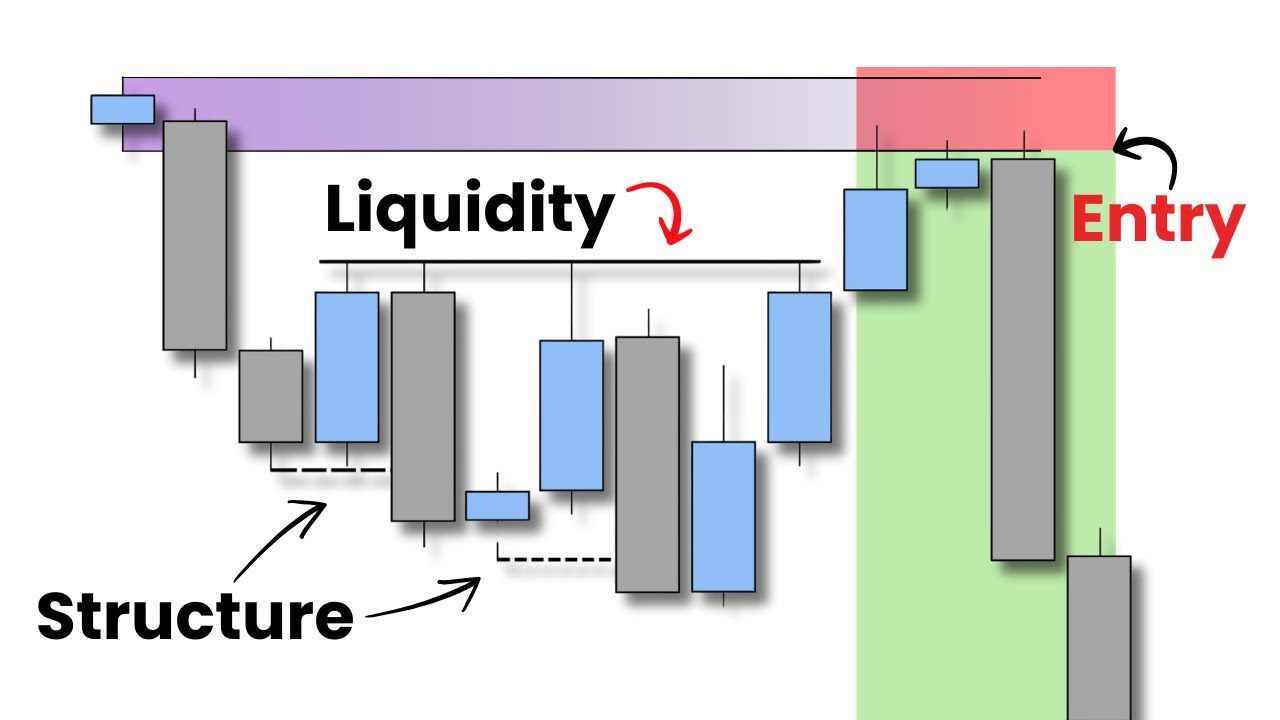
and close how that transforms into the actual daily candle uh you know those theories and ideas and concepts will will teach a great deal about that uh and then obviously time and a time of day um we'll build on what's already been shared in the free tutorials and you'll actually have really precision based concepts uh as it relates to that and finally ipta which is the interbank Price delivery algorithm will be nailing down institutional overflow we'll understand obviously by looking at liquidity we'll be looking at how the market seeks liquidity and we'll be finishing up
our perspective on market efficiency paradigm so when we are looking at a short-term perspective we require three things okay three things must Come by way of these three areas of study correlation analysis time and price theory and the ipta preferably you have to have at least one from each okay so in other words you have to have uh your dollar index has given you an indication that it's showing you a cracking correlation or correlated pair smt is giving you Insight okay so that would be uh one way of determining correlation analysis the next area is
crucial time and price you have to have something from the time price theory to indicate where you're at relative to uh the short-term perspective now you're probably thinking okay well how is the quarterly effect in a monthly effect or a weekly range A short term perspective because short term is what you're actually going to execute on okay it doesn't mean this is your five minute or 15 minute uh setup it's just this is your short term perspective so we're looking at framing the ideas of trading around a big picture perspective intermediate term perspective and a
short term perspective when we get things in alignment that lead to us being a buyer All across those three perspectives being a big picture perspective an intern perspective and a short term perspective we are highly prepared to find high reward setups to be a buyer in those conditions it doesn't mean you're going to have uh you know new losses and you're going to have all winners it doesn't mean that okay but we Have a context that we frame our ideas of trades with that model or at least that's how i do it so that's why
you're here you're going to learn how i do it so this is how i do it we can have the correlated analysis give us a indication that we're going to be bullish on dollar which would be bearish on foreign currencies and time and price theory okay quarterly effect um maybe we've seen the market Moving higher okay in recent months and we're probably getting ready to go into a down cycle okay and that would uh lend well to um you being short on foreign currencies uh maybe the uh the weekly range okay maybe we have uh
initially at the beginning of the week we've rallied up from sunday into monday and now we're primarily looking for what Lower prices and if we see that weakness on the part of foreign currencies relative to what the dollar index is suggesting okay these are all scenarios i'm giving you just an idea because some of you probably think this is too big is it not helpful okay believe me this is this is what really trading is all about you're doing all these things behind the scene the very little bit of time that's used to execute Trades
okay that's so tiny the most of your uh time is going to be in the process of deciding whether or not you should be a buyer seller and what frames that criteria and obviously time of day you know are we at a time of day where it's conducive for the trade the setup okay we may not have anything immediately off the quarterly effect or monthly effect or weekly range of the daily range okay but the time of day may Indicate that now suddenly there's something that we could do okay and obviously ipta is always going
to be essential understanding institutional order flow and understanding where liquidity is and why the market will seek that liquidity and our perspective is always with the market efficiency paradigm we look at the marketplace in terms of where are the orders and it's not the orders of the smart money Okay like supply and demand tries to teach they teach you that this is where smart money orders are this is where smart money uh uh wants to go back to they're not always doing that they're sometimes seeking where existing orders are that would allow them to engineer
counterparties to their execution okay so in other words they'll run old highs for the buy stops they'll run old lows for the cell stops because That will be a forced injection of liquidity to be counterparty to their bookmaking so we're going to go forward in our studies in this mentorship with a great deal of refinement on all of these things and i know some of you probably looked at this and said well this is a lot of just boring information but i have to give you a context of Where our area of study is going
to be so in the grand scheme of things we're going to be breaking the market down in these specific perspectives and then what we do in these respective uh areas of study that give us what we're specifically doing on a day-by-day basis now it looks like and i've been talking for a long time it looks like a lot of information and a lot of things to do Before you come away with okay i want to be a buyer seller you'll see obviously the big picture perspective you usually have that at the beginning of the week
and the intermediate term perspective you usually have that at the beginning of the week too it could happen or change gears in the middle of the week relative to tuesday and wednesday but usually the short-term perspective that's the one that usually changes on a Day-by-day basis okay so understand that while we're doing a lot of our homework and the big picture perspective in an enemy term perspective and we can do that on the weekends uh your nightly or daily procedures will be largely in this list that you see right here so when we do like
um live sessions Okay i'm operating from this scale right here i'm looking for three things that come in agreement and that's why when i call a specific move in the marketplace they usually go there and i'm using this right here they are all linked to my understanding of what i arrived at for my intermediate term perspective and my big picture perspective okay But once you understand price action extremely well and you operate as a scalper okay and i'm not trying to induce the notion of scalping as a as a an ideal way of trading but
i know some of you can take my information and do that invariably you can just use what you see here and you could be a very efficient scalper if you understand what is being shown here And what specifically that we do with this information you know understanding what the quarterly effect is what the monthly effect is weekly range daily range and time of day understanding what smt divergence is and correlated smt divergence understand what that cracking correlation means for you as a trader and then obviously understanding institutional ortho where's the stops and why those stops
Would be necessarily up for grabs why would the market go there that's what the market efficiency paradigm is so again this is the only thing that you need to be worrying about in terms of trade plan development for the ict mentorship all these things come by way of very very short amount of time looking at price and you'll come away With what you want to do right away and initially you're going to write down these things okay i believe that the big picture perspective is i believe that it's going to be this this and this
and then you're going to go into enemy term perspective you know you come away with your analysis on what you believe there and when you see the short-term perspective You go through the same processes here basically what you saw me doing with the exception of not bringing out the smt diversions uh studies in september because i was looking at but you just didn't see it the uh i was operating on this this short term perspective that's how that's this is my model okay so as a day trader as a short-term trader and as a one-shot
one kill trader this is all the information i need i Don't need anything else outside of this page you're looking at right here i just need three things to come in agreement with that and then i'll understand where the short-term perspective is and where the market's going to go and that's why i'm like 90-plus percent accurate in the month of september we we pretty much had 100 hit rate when everything i asked the market to show us in terms of where it was going to go why it would go there it's not always going to
be that easy There's going to be transitions obviously on an intermediate term basis and even a long-term basis and that will cause you to have hiccups okay or speed bumps if you will or barriers okay on these short-term perspectives and that's where the losses are going to be you're going to find that your losses are not incurred so much by way of trading in the intermediate and long-term perspective the big picture when you're trading in those higher time Frames those trades generally will serve you very well you will still have losses but you're going to
find that all of your trades that have the majority of the losing side it's going to be because you're in this short term perspective and you either force something or the market's in transition and you have to allow for that okay so if you're focusing on a higher time Frame uh perspective in your trades that is an advantage so while we see me operating a lot with the 15 minute time frame in the four hour and one hour chart the things that we talk about are largely on the weekly in the daily chart and if
we do that primarily in all of our trade setups requiring a big picture perspective an immediate term perspective and a short-term Perspective in alignment and agreement that means all three uh we we come away with a reason for expecting that outcome in other words higher prices or lower prices um think about what we have here we have to have seven things in agreement to make a high reward trade scenario okay for a high reward trading setup it Has to be four things in agreement that means you have to have two things in agreement from the
big picture perspective you have to have two things in agreement with the intermediate term perspective then you have to have all three that's listed here okay you have to have one from each one of these three to come in agreement with all three perspectives the big picture enemy in term perspective and the short-term Perspective and if you frame your trades with this mindset what that does is it number one it gives you clarity number one it gives you the understanding what it is that you should be expecting to see the marketplace and why which is
important okay it's not important to understand every dynamic behind what's being shown Here for each perspective of the marketplace of study that's going to be taught to you but understanding that you need to have seven things okay seven things that build high reward trade setups this is not execution this is not entry it just gives you the framework what makes that trade high probability or basically high reward You still have to wait for a entry signal and again that's the least of your concern right now so that's what i'm saying by looking at this information
like this even without going into great detail about each individual component you can see clearly that there is a a method behind what i do okay folks that are on the outside they look at what i do and they say well it's there's no real structure here there's No real um a plan of action now there's no way of knowing what it is that i should be doing from the beginning to the end and that is because they have not been exposed to what you're being exposed to now there is a method there is a
rhythm there's a routine that you go through but they have to come by way of a process oriented thinking and this is how i break the market down this is how i internalize it and i go through the process of going through These three perspectives and by doing that it gives me everything that i need in terms of arriving at a decision and once you have that same process of of thinking okay you'll have no problem going through the marketplace finding scenarios and setups and picking out what gives you your unique trade setup that you
like to trade that you find very easy and the the clarity will be exactly as you Imagined it would be and when you get in front of the chart it just jumps off at you okay that's how it'll be for you as a new trader you don't get exposed to these types of thinking you don't get exposed to these process uh you know uh procedures where you have to look at things conceptually because number one it doesn't sell courses it doesn't make you want to watch that youtube video You don't want to listen to this
one okay but this is where the real meat is okay you have to know why these things make a difference and why it's important that you understand what you need to be doing for individual perspectives of study and then once you go through it you understand it it's like anything else no one wants to read the driver's manual to learn how to drive no one wants to look at the instruction manual on how to put that tv Stand together that you had to buy because your wife said you had to have it okay you just
want to look at the parts and fit it together so you can quickly get through it you can't do that with trading okay you have to go through this boring stuff and it means a great deal trust me if i would have been told this initially i would have ignored it too i would have just pushed it aside and i've been looking for give me the buy signals give Me the sell signals because that's how i thought too once i felt the pain of not knowing what i was doing then i suddenly got interested in
what makes traders think the way they do and then what's the process of why they think the way they think and why why do they build their trading plans around that you think about it what do you not see in the marketplace When people sell things and they sell course and stuff what is it they don't sell they never sell you an actual trading plan they never sell you a step by step this is what you're going to do and this is the reason why it should do this no one does that that was my
goal for this mentorship i want to show you what specifically i do As a trader now i'm going to give you all kinds of ideas on how you can refine that and make it uniquely yours and you can define your own trading model around that because i believe just like chris laurie has said and i was in agreement with him when he said it you can't copy someone else you can't do it and some of you want to be just like me as a trader and do this and do that you're only really asking to
be able to call moves and trade to the levels like I call in advance so it's not that you want to trade like me you want to have the ability to read and interpret price action the same way i do and that's what you bought and paid for and that's what you're going to get as a delivery by the end of this mentorship you're going to have everything that i do why i do what i do and how i arrive at that understanding is what has been shown here there's no secret sauce there's nothing outside
of what's been Shown here the theory behind why they all bled together okay that's what we'll be building on and at the end once we understand intimately what each one of these perspectives we're looking for and what criteria blends well for the decision-making process for each individual perspective and individual respective component once we have that then we have the building Blocks for what the flow chart for every model of trading that there can be day trading scalping swing trading one shot one kill you know position trading all those things it's easy for me to have
a flow chart and say okay xyz do this or do that you'll know what i mean by that and that's what i said if i if i put the flowchart up on the website right now you wouldn't be able to do anything with it it would be no use to you you Couldn't do anything with it but by breaking down these individual components intimately you'll know what i mean when i say okay do this or do that okay okay well i understand what that means and then i know how to arrive at the decision relative
to those specific points of reference and then by doing that you'll you'll work through the flow chart and you'll Either come to the decision point where you take action or you stand and you wait for more information or you go back to the previous stage and you wait for more information there and it makes it very binary you need your trading to be just like that it's boring and that's exactly what you want you do not want high excitement in your trading only do that on the weekends when you had a really good smashing week
when you just killed it that's when Emotions are allowed but throughout the week when their markets are still trading you cannot allow your emotions to get ahead of yourself you can't get crazy and you want your trade to be boring you want it to be monotonous you want to be mundane and and routine and nothing exciting about it that's when you know that you're not gonna be forced by emotion you're not being drawn in by fear and greed it's Just business as usual it's the same thing all the time and you hear it sometimes when
i'm talking uh you know i'll talk about a specific level the market starts screaming for it i'm still talking you know i'm not worrying about it because i've seen it so many times and the whole time the the room is lit up they're like i can't believe this is happening look how it's moving look it went right to the pip You're all experiencing that for the first time especially in december everyone that was watching on a date up day by basis that's not something i get excited about unless you know i see a real new
trader when they get in there and they start looking at it and their response is then i can get to relive that moment but when we go through the process of breaking down the markets and we're looking for high reward trading Scenarios you have to suppress that desire don't be in a rush to get to that feeling of you were right and look at the market don't do that and by having a process oriented thinking you're thinking binary it's x or it's o it's on or it's off it's black or it's white that's how your
trading has to be and if you can work your trading model into that area of Study and execution you will have no problem with fear and greed you won't rush you won't have any issues at all and just like we mentioned in the previous teaching if you have a loss there's no reason to worry about it it's very easy to get it back and even if you have a string of losses it doesn't take long to recoup that but if you lose your mind okay thinking all of a sudden the markets are you know Are
now going to work like this again and there's no reason to think that way you'll see by the end of this mentorship you'll know everything you need to know and how to operate and execute and engage the marketplace on a day by day basis and you'll know what exactly you're going to do and why but it comes by what we just described here in all the frameworks that's been shown here nothing outside of this no Secret stuff okay everything refined to great detail my new detail and then what that'll allow us to do is to
have specific processes that will lend well to specific conditions that we'll talk about and then all that will give us our trade scenarios and setups but the ingredient behind it all is what's been shown here in this tutorial and it's important you understand that This is exactly what you would be wanting to know but you just didn't know it and it doesn't sound sexy it doesn't make a good course it doesn't make a good video youtube um if if you were to just explain this if someone was to show just a pdf file on this
on this video they'd be like this is telling me nothing but it really is when we're going to Build on this it's exactly the the framework or the backbone of how i trade how i'm able to call the markets and why they go where they go beforehand how i showed 59 in one month you know with an ifx book for october so far all that is because of what's just been shown here in my implementation of all that information so i want you to understand that we're going to build on this individually conceptually and then
once We flesh it all out it'll be easy to be able to provide a pdf file and you'll know exactly what that means when you look at the pdf file why these information reference points are influential in terms of decision making and once you have that you'll be exactly what you signed up for an independent thinking efficient trading