okay so imagine you wake up tomorrow morning and the price of gas has gone up by 75 to 85 you head to the grocery store and all of a sudden tomatoes and avocados are costing 25 to 30% more than they were the week prior and in another streak of bad luck your washing machine breaks down and instead of costing $11,000 to get a new one it now costs you $1,500 and to make matters even worse your stock portfolio just took a hit to the tune of 35 to 45% meaning you've got significantly less money today
than you had just a few months earlier and the crazy part is this all just happened and it feels like it's Groundhog Day all over again well that is exactly what could be happening right now and the really scary thing is if we do continue down this road this time it's definitely not going to end well and the irony here is if we just look back 5 to 10 years and take a look at something as simple as washing Ma machines the things that make your laundry clean we can learn a lot about what's about
to happen going forward and I'll talk all about that in the end but before we get into it my name is NOLA Maas and if you want the truth the real truth about economics and finance this is the place for you so do me a favor hit that subscribe button and hit the like button so more people like you can see this video and don't forget this is also the place where crisis equals opportunity so as always I'm going to show you in this video exactly how to prepare for the worst while also hoping for
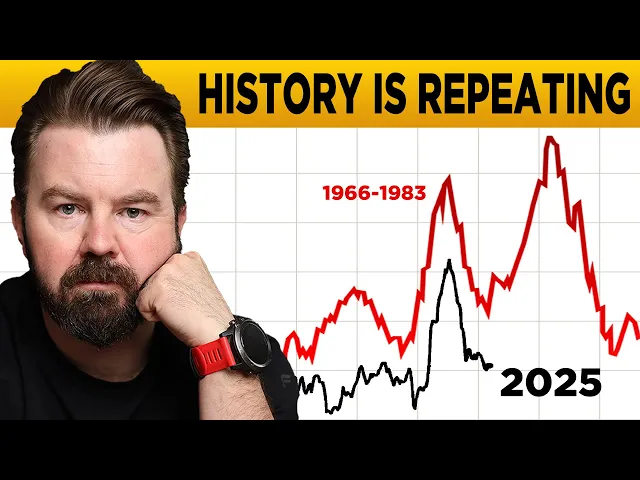
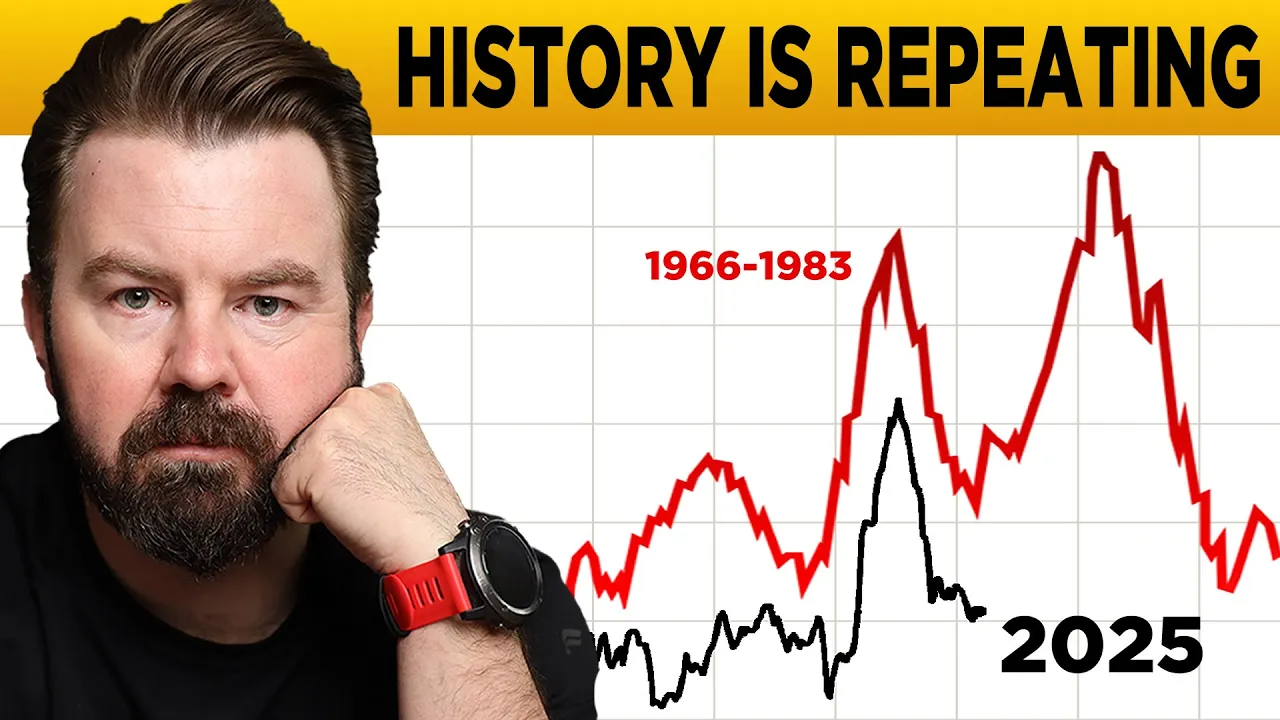
the best Okay so let's get into it let's discuss first the primary concern of many and that is that the 2020s are going to start to look an awful lot like the 1970s where inflation spiked only to have it come back down and then jump back up substantially and many of those people on the interwebs and on YouTube who are making videos about this exact topic are pointing to this very graph the one showing inflation reducing during the mid1 1970s only to see it Spike back up in the 1980 and many are suggesting that this
chart on the right hand side is potentially going to end up looking an awful lot like the chart to the left but I need to start by pointing out real quick that the past even though it often Rhymes as many people say is definitely not an indicator of the future and well yes there are often times where charts from today look like charts that happened previously the reality is in most cases those charts just look the same by coincidence but that doesn't mean that there isn't a lot to fear currently in the market Market because
the fear of another Spike of inflation is absolutely warranted not because of the chart on the left but because of the practices of the government at this very moment and specifically the volatility around the policies that are being introduced and these policies combined with the precarious position that the economy is currently in could cause a massive disaster which is why I'm making this video because while you can hope for the best and expect the worst the reality is that in our personal finances we don't have have the time to make big mistakes which is why
even though it may not necessarily be the case that we're going to see another major financial crisis it is definitely prudent that we prepare because right now it's anybody's guess of where things go and the thing that scares me the most isn't the inflation chart of the 1970s and the 1980s no it's actually the most recent charts those from the S&P 500 where if you look closely you realize that the value of the S&P 500 is at an all time high and as I've mentioned in other videos this alone isn't caused for concern but when
combined with the fact that the market value relative to the total GTP of the US is significantly out of whack this starts to become concerning and in times like these it's important that you don't see massive amounts of volatility in a market because it's the volatility that leads the market to come crashing down and I know there's lots of guys out there who like to claim that they called each of the last recessions guys like Michael bur who yes was absolutely right about the mortgage crisis and there's guys like Peter Schiff and all of these
other influencers out there or hedge fund managers that are almost certain that they can predict the future however a lot of those people who tend to constantly be negative about the economy are really good at always calling recessions and then in the once every 5 to 10 years where recession actually hits scream I Told You So for the next couple of months but whether you believe them or not the one thing that they all have in common that they are right about is that you need to be prepared the reality is the big recessions the
big Financial crises are things that nobody sees coming and when the market starts to hit highs and it starts to get overpriced it starts to act as if it's a house of carts and nobody can determine what the thing that will bring it down is but the one thing that is certain is that the more volatility that is added to the market the more risk we all face when it comes to our finances so what do you do in order to manage your finances in the face of volatility well before I get into the volatility
and what the real problem is let's talk about that because what you need to do is make sure that you are doing everything to prepare your finances well in advance of when you actually need to be prepared that means not taking on debt that means paying off the debt that you have and it means investing in a diversified portfolio and the thing that really scares me right now is all of the creators out there all of the YouTubers and all of the people in the comment section who have one specific investment that they believe is
going to save them from the crisis and it's not there's no one single invest M that is going to save you from the Meltdown but there is an investment strategy that will save you from the Meltdown and that strategy is to be Diversified and not Diversified for different types of stocks or different types of Investments within an investment category but being Diversified for risk doing things like having the Rallo portfolio set up where you carry a certain amount of Commodities and bonds and stocks in order to mitigate the risk of any one of those single
Investments collapsing and if you find that you have a a significant amount of your money invested in any single asset you need to start thinking about diversifying just look at what Boren Buffett just did with his Apple stock even though Apple has been a long-term winner in his portfolio as soon as it hit 50% of the total portfolio value he started to sell it not because he didn't believe in apple as a stock but because he didn't want to be Overexposed with respect to risk in any single investment and if you're watching this you need
to heed this advice make sure that you don't have all of your money in any one thing you need to have it spread around so that when the inevitable recession does happen you're protected from the big swings in individual investment categories and this has never been more important and it's more important today because of the volatility that is being introduced into the stock market into the US economy and into the global economy and a lot of it by a single individual now what I'm about to say isn't meant to be a debate about whether or
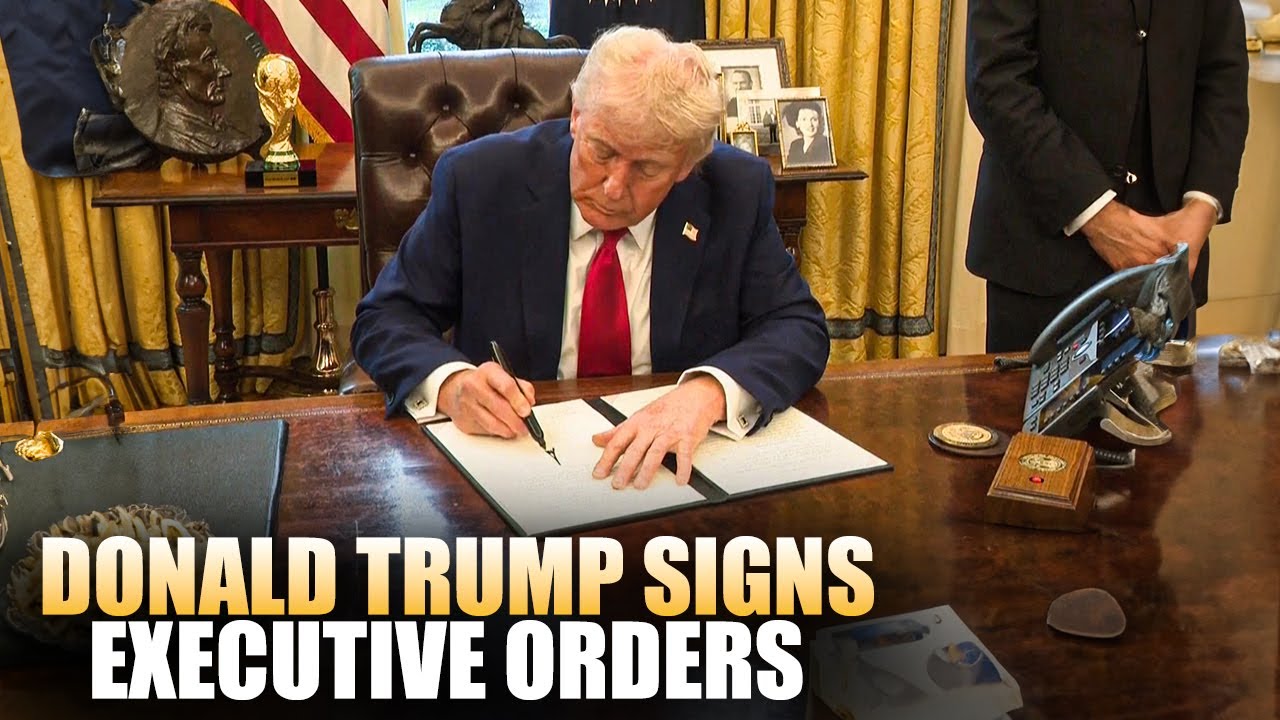
not the policies of Donald Trump are going to be good or bad because the truth is we don't know anybody who says that Trump is going to save the economy really has no clue and anybody who says that Trump is going to destroy the economy really has no clue but the really scary thing that is happening at this moment is the amount of volatility that is being introduced into the market and it's being done by a single individual making massive Bets with your future in hopes that he makes the right bet and the scary thing
is that he personally has very little to lose by making these big bets and before I get into how the washing machine is the perfect analogy for this let me show you the one major bet that Trump is making that could be catastrophic for not just the US economy but the global economy what you see in this chart is the Imports the things that are bought by the US from other countries and as of right now president Trump is leving tariffs against many of the US's major suppliers they include China Canada and Mexico did I
say that right right do we say it China or China now I don't know but there's some danger with respect to this and it all comes down to how much it cost the American people for these tariffs because as of right now Donald Trump is making it more expensive for you to buy anything that is made in Mexico Canada or China and while He suggests that the other countries are going to pay these fees the reality is that isn't how it works tariffs are collected upon a good being imported into the country and the people
that are build for the Tariff are the people in the countries who are in fact purchasing it so if you as an American buy something that came from China or something that came from Canada and you have it imported directly to you it comes with a bill and typically that bill shows up the exact same time as the item that you've imported and it's collected by the shipping company or some other sort of logistics company that's tied to the shipping company and whether it's a single item or a good that you've ordered off of Alibaba
or ordered from a Canadian company or a Mexican company or a large shipment of steel or materials in order to produce something that will be made by an American company the good that is being brought into the United States that has a tariff on it is going to have that tariff paid by the end user the company or the individual who brings it into the us because while the US has the ability to impose tariffs on goods from other countries it doesn't actually have the ability to collect them as taxes from those other countries so
as a result the people that end up paying for it are the people who are bringing the goods in and what this ends up leading to is higher costs for those goods but it doesn't just increase the cost because the cost is increased there's becomes less demand for those goods and that ultimately impacts the foreign countries and the foreign companies but those foreign companies and those foreign countries they also have other options they can ship their goods to other countries for cheaper than what Americans are paying for them and when you look at the things
that are being imported by countries like China Canada and Mexico they're often the ones that hit the pocket books of day-to-day consumers the most just take a look at this the most imported goods by the United States are petroleum cars and broadcasting equipment and when you take a look at who's supplying these with respect to petroleum it's largely coming from Canada with respect to cars it's largely coming from Mexico and Canada and when it comes to broadcasting equipment and other technological items it's coming from China so these tariffs are being imposed on the US's biggest
suppliers which lead leads those suppliers to perhaps not want to deal as much with the United States it incentivizes them to sell those goods to other countries for cheaper because naturally the prices that they can charge other countries are being increased because American policies are naturally increasing the price of those goods and in general it just creates a bad economic relationship and unfortunately these policies hurt the consumer the end user the most but here's what's even crazier about all this if you look at us exports and who is the biggest buyer of us Goods it's
Canada and Mexico so while there are tariffs being levied against Canada and Mexico in order to make their goods more expensive Canada and Mexico as the biggest buyer of us Goods have the exact same ability to Levy those same sort of tariffs on the US and guess what happens when they do that well now the cost of goods for Canadians and Mexicans also goes up so at the end of the day the tariffs they aren't a win-win solution they're actually a lose lose solution and while the US does in fact import more goods from Mexico
and Canada than it exports to them the difference isn't great enough to deny that the same tools that the US is using against these countries can't be used in turn against the us but what's even worse is the dynamic that's being created with China because when you get into a pissing match with your biggest supplier of goods you don't have just the ability to tax them on the goods that they're going to sell to you but they also have the ability to raise the prices on you it's what's called an export tariff and if they
do that the cost of pretty much anything brought in by these other countries could not only go up by the amount of the tariffs imposed by the us but by the counter measures that are imposed by the other countries meaning that even though the other countries will suffer they can build an alliance that eventually creates a scenario where the us as an isolationist country becomes the one that suffers the most and here's the worst part of all of this the tariffs are being sold as a way of bringing jobs back to America but the question
is how much are you willing to pay for those jobs because back in 2018 president Trump did the exact same thing he's doing right now he used tariffs as a weapon imposing significant tariffs on something as simple as a washing machine and Whirlpool one of the biggest manufacturers of washing machines in the US applauded this as an act that was very job friendly for Americans but the reality is it wasn't because in a study that was done after 2023 when the tariffs had expired it was determined that for the American cons consumer it cost $815,000
for every single job that was created so in other words to bring the production of washing machine's home it took $815,000 out of American consumers Pockets to put somewhere between 40 $60,000 into the pockets of somebody who got one of the newly created jobs so in other words in a country that Prides itself on capitalism the Tariff ended up being very much a almost socialistic practice practice of taking money from the masses in order to give it to a small few who benefited and by the way when the tariffs did expire guess what happened the
price of washing machines went back down because the American companies couldn't compete and that ultimately led to many of the people who had those newly formed jobs losing them and by the way that's something that's common when it comes to tariffs prices of everything goes up the ability for consumers to spend money goes down because there's less money to go around as a result you find yourself in a recession where interest rates have to come down which means there's more money printing which means there's potentially more inflation and at the end of the day people
end up losing jobs and it makes the whole thing worse which is why for the last 100 years free trade has been one of the cornerstones of global economics oh and by the way all of this very easily could lead to a financial crisis and if you want to know what happens what always happens right before a financial crisis make sure you check out this video right here