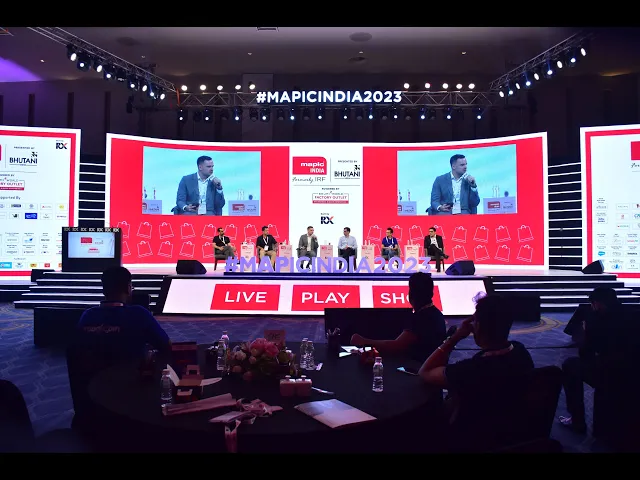
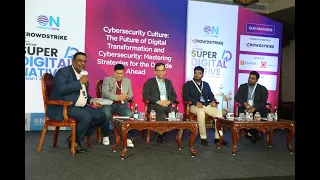
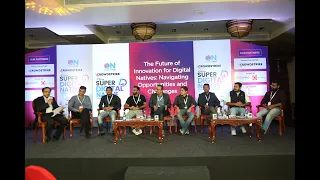
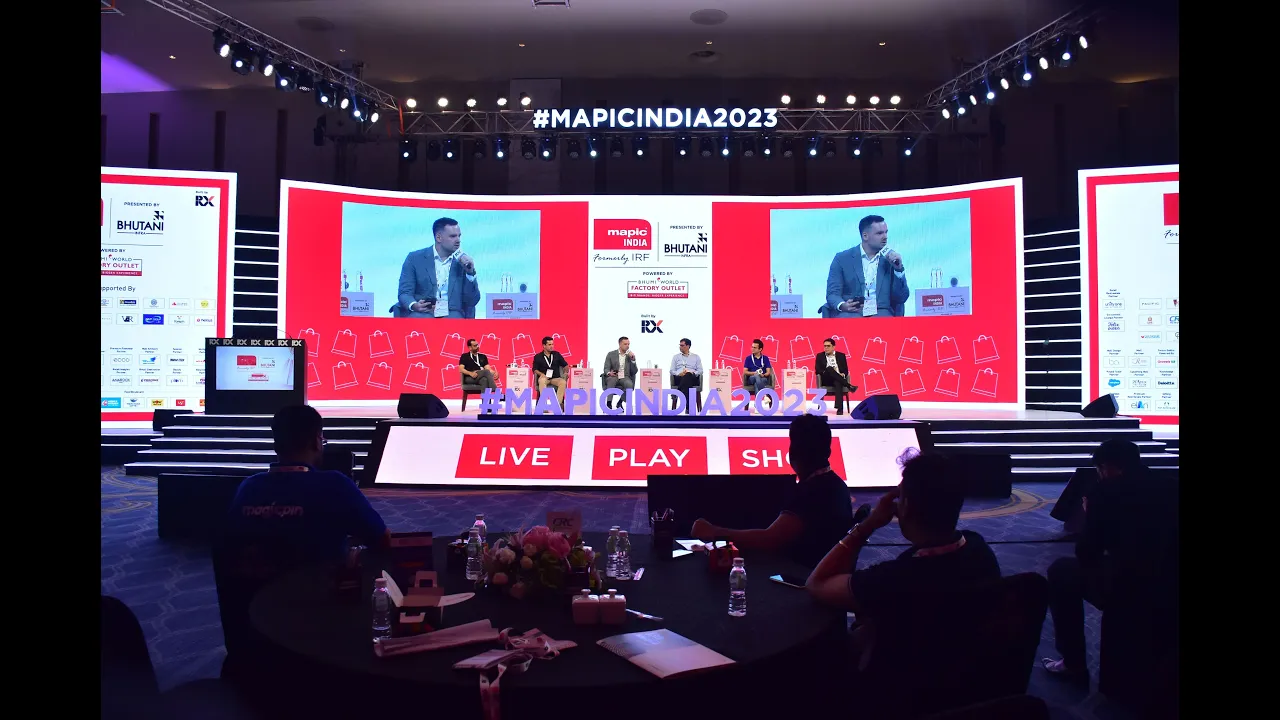
I'll go ahead and invite our speakers um ladies and gentlemen our session moderator is none other than Max outdocov who is the CEO of yangotech will be spearheading this amazing session with our phenomenal speakers co-founder the farmers too Manish bandlish managed managing director Mother Dairy co-founder magic pin Anand ramanathan Consulting uh my my apologies Anand ramanathan partner consumer industry leader Consulting Deloitte India and Sachin Agarwal CEO Nature's Basket Limited all right a quick request to our previous set of speakers and our audience if you can take the discussion offline we're about to Meanwhile get the
session started and I'm gonna quickly hand over the proceedings to Max over to you then yeah thank you very much for the introduction okay all said let's get it started um so my name is Max arthurhov I'm CEO of yangotech we are a global company that provide Technologies to retailers uh ranging from end-to-end solutions for a grocery to WMS to client experiences Last Mile Solutions supply chain and what and soil so nowadays how technology is power about 500 dark stores with accumulated gmv of 1.3 billion dollars so um let me switch to our distinguished panel
of experts so first let me introduce Raul co-founder of the Farmer Store we also have a Manish bandage managing director of motherdale um co-founder of magic pin Sachin Agarwal CEO of Nature's Basket and Anand ramahan partner of consumer industry practice Deloitte um let me ask a reach to present yourself like um Rahul would you be so kind to tell briefly about your company and yourself hi I'm Rahul I'm the founder of the Pharma store we are a small organic grocery store chain um we've we're online and offline we have a couple of stores in Mumbai
and uh yeah we're like One-Stop shops completely all organic neighborhood stores small format over to you Manish thank you uh my name is Manish I basically head the Mother Dairy business in India mother dairy uh as some of you may know we are almost a 50 year old organization and today we stand at around 15 000 crores of turnover largely into three businesses one is dairy which is our major Park second is into edible oils in the under the brand name of dhara and the third is safal where we do fruits and vegetables processing and
many other businesses fairly complicated but at the same time our purpose is to basically service the farmer so that their farmer income increases on a day-to-day basis and also serve our consumers with a product which is of great quality and affordable price a little conflicting objectives but that's how I manage it thank you hi um I am Naman I'm the co-founder of magic pin uh we started magic pin now uh eight years back the idea behind magic pin was that the retail Market in India is very large it's a trillion dollar market across categories um
and the offline Market at that point of time was five was 95 only five percent was online but everyone was moving online red marketplaces were coming out but we said India will continue to be an offline dominated Market where consumers will continue to shop offline so what we did was we brought the hyper local market alive for a user so we took um all the stores in a market across categories from food to Fashion to grocery to Pharmacy electronics online on the phone of a user to discover what's in the store and send the consumer
to the store so we are a super app that is driving business to offline Partners to almost 200 000 Partners across the retail Market in India today yeah I think you're over to you yeah hello this is Sachin from Nature's Basket so Nature's Basket has been there from last 18 years we are there in more six cities right now so basically a gourmet destination brand and Anand in India and what does Deloitte do we help retailers and consumer clients as well as our clients in other sectors really look at technology these days there's a lot
of digital transformation the use of data and analytics in business the entire supply chain overhaul in terms of ensuring seamlessness between physical virtual and hence there's a lot of Technology advice implementation and operates that we currently do but beyond that we also provide regulatory tax audit as well as M A advisory for clients in this space and Beyond thank you very much thank you very much everyone for the introduction so I would like to open the discussion on the Omni channel so the we already mentioned Naman already mentioned that the grocery Market is tremendous and
it's a tend to grow multiple times during next like coming like five to ten years so how can we Tailors and Market participants keep up with the such Market Evolution how they can stay relevant the only answer is the omnichannel experience and why is it important simply because customers demand it so they want to make shopping on different occasions with through different channels with the unified seamless experience and and regardless where you started in online or offline so your future would be offering omnichannel experience that's what witnessed in other markets and that's what we already
starting to witness in India so today topics is a strategy in the omnichannel strategy however currently only about 10 percent of retailers adopted the omnichannel strategy in India and let me switch to uh the first questions I would like to ask Anan about the market about the consumer behaviors how do you see it how do you see the uh the current state and also how do you see the evolution like the dark stores in the light of recent like events of funding sprees and so on yeah great shot Thanks Max so we very recently this
was in the month of about July where we released the future of retail work that we conducted so broad headlines I'll first get the numbers out of the way the big headlines Indian retail Market expected to double uh so it's about 960 billion today expected to become about 2 trillion by 2030 and again the a big number within that now I know Raman mentioned that a large part of it is still traditional trade so India will continue about two-thirds of it will continue to be GT right General trade multi-brand Outlets small shops uh with an
e-commerce and modern trade modern trade expected to double to about 220 or the million billion while e-commerce is expected to grow Forex right it exceeds 300 billion and now it's not so much modern trade versus e-commerce but like Max and everybody else has been saying the entire Omni Channel experience right so 90 of consumers said they prefer contactless shopping and we went a little deeper on that to just understand why and surprisingly it wasn't convenience it wasn't many things that we would think but one of the things that they are saying is that traditional or
at least physical retail is becoming boring right one of the things they said was that our malls are beginning to look the same a lot of Brands which are present in one mall are present in the other and hence the shopping experience that India was known for in our high streets in our markets some of that is going right so this is something which was a headline from that report the second key aspect was again very surprising the post the pandemic a lot of online sales happen in certain categories so this is consumer health right
where we are talking about supplements vitamins minerals Etc 65 penetration of private labels and why did this happen because there was very little Innovation which happened a lot of innovation actually happened from the d2c players right you have them provide propositions and hence private labels is something that's here to stay a in fact bases are study 6X growth compared to 2x in the overall retail market right so there is something about the Indian consumer becoming more aware looking at attributes Brands Etc so there is a distinct shift from fmcg uh Brands to private labels and
this is across categories we saw it in Beauty we saw it in personal care right and therefore Staples right so it's not just food but it's across the board so that's the second critical learning that came from the consumer the third was what Max spoke about we all say insta Commerce for example doesn't make money how is it going to sustain delivery costs are so high but clearly consumer preference for it is high maybe 10 minutes can become 15 minutes can become 20 minutes but can we have a proposition where you have physical stores with
a virtual dark store and you have the analytics to predict how to make it more efficient right and therefore the biggest learning in fact from a retail standpoint is AI and well how is that going to impact retail I don't think retailers are spending enough on technology again if you look at e-commerce companies they spend about 4X of what physical retailers spend right from a sheer cost of technology to overall revenues so again a lot needs to be done in terms of looking at the front end of the business at the back end you have
the Erp you have supply chain you have Finance Etc which is all very well integrated but on the front end the scope of platforms and not just products can we move to a platform where different products sit and you have a unified way of looking at data right to provide that seamless experience to the consumer where one view of the customer irrespective of which channel he comes from whether he's buying online or offline you have visibility on what he has bought therefore you have a 360 degree view of the consumer you have inventory visibility you
have the scope to send the product from another store if he walks into a store and doesn't find his product there right or you send it home to him right so one view of inventory and very important one consistent view of the product we speak to a lot of fmcg companies a lot of cpg companies their product looks different in different channels right therefore can you have one unified way of how the consumer experiences the product right so these are all going to be big ticket uh Investments which need to drive uh this whole concept
of personalization which is a big opportunity which again came as something which consumers want and lastly we speak a lot about sustainability what consumers are saying on sustainability is that this is Gen X and Millennials 75 percent of them have either switched or are willing to switch because of reasons of sustainability right so very important while the spends might not reflect uh the kind of importance that consumers give to sustainability going forward that's clearly going to be something that Gen X would want right and therefore the need for experiences which are sustainable is something that
came out as a critical piece of consumer Insight from that study so I'll pause there Max thank you very much it's very insightful answer then switching to the actual practices of omnichannel Sachin and so Nature's Basket is one of the proponents of the omnichannel experience and can you tell us about the the actual practice that an actual experience and also what challenges have you faced and how you like seen to our condom already over again so can you tell us more about your experience yeah so I completely agree with them on what he said you
know currently everybody is talking about they're delivering in 10 minutes 15 minutes it's not about delivering in 10 15 it's about delivering what all she needs all 10 what she needs so I think more Focus are more planning should be towards that coming to a supply chain you know which helps us to reduce the write-offs or increases decreases the cut percentage Channel if you see still offline versus online it's about 15 so 15 is online and still 85 percent is offline but what support to the online is the assortment you know the kind of Assortment
Omni Channel physical store can give only through a dark store it's not possible you know in a store say in a Nature's Basket store there are more than 8 000 sqs and all of them are listed in online the customer gets that opportunity to get access to all their skills in order so only through a dark store it's it's it's really tough secondly it also shares the cost you know if you if you look at uh you know if I'm saying 15 to 20 the contribution so that cost is definitely shared between online and offline
and that makes a value you know driven approach a profitable approach uh for the you know for the brand so I would say that uh going ahead the percentage of share and the bill value of online orders should go up you know that can be done by further increasing the assortment and ensuring that what all inventory is there in the offline should be there in the online yeah thank you very much um so we understand that like question to Naman so we have seen a habit of like tier two tier three cities to continue relying
on offline consumption so magic beam has great experience in developing online is those areas outside of Metro cities how like Tier Two Cities differ from Metro area like Tijuana cities from Metro area and does it also impact the category selection how like yours like super app experience tells what's the inside yeah so thanks uh some of the things that I'd say what Anand mentioned right uh as a retailer um how do you how do they use technology and I think one of the things that we've been able to do is use Ai and ml capabilities
and a technology platform to allow for retailers to provide the right kind of Assortment have a good understanding of inventory what to show to the consumer all of those things is what we are helping a bunch of details almost 200 000 retailers are today using our technology to become kind of omni channel in their approach right how to show so from a consumer point of view or normally channel to make a good strategy for retailer there are three things that that are important right one of course to show the same things on online that's offline
so for a retailer the assortment is very important what they show to the consumer how they show it how do they customize and personalize basis let's say a customer's behavior on a platform all of those things become important so that there's assortment and what and how they show it there's price of the product and third the service or the logistics and time to kind of deliver that on time and full yeah so now on each of these uh I think what is happening is that a lot of technology is being used by retailers to provide
a great experience for the user so in terms of Assortment they'd be able to show let's say a new product that's been launched that can be shown a low value SKU that can be shown in areas or geographies or markets where consumers are of a lower spend profile versus showing more premium products to Consumers with a higher spend profile so showing the right product with the consumer showing at large basket of Assortment uh to the consumer right that's what is very important and a retailer can show it versus what a dark store can show the
second in his price right showing the right kind of price being able to provide let's say offers on top of that in terms of Bank offers Etc that's what consumers would like to look at and on when you are doing it online it's possible to bring some of those elements into it the third is logistics right if the user has been committed that the product will be delivered next time and let's say today it's 10 minutes but I think on average in 20 30 minutes the user is very happy is okay about but once it's
promised that it's going to be delivered in so much time it should be delivered and then on the back of that having a good automated let's say customer support system that allows to address queries that can come from consumer that the product hasn't been delivered or the right product hasn't been delivered all of those become pretty important so that I think those are things that are very important from a consumer point of view to provide the right Service uh to the consumer from a retailer when they're thinking of an omni channel strategy thank you very
much um so um you have a great experience of working with Farmers with the sourcing organic products and developing this like offering so how can you tell about like the importance of social commerce and interaction with the customers on the different social Platforms in connection with the Omni Channel strategies all right so I started uh mainly I went online maybe a few years ago in covet and uh yes there's a cannibalization that happens with your customers moving from offline to online but I definitely saw a bigger increase because of the convenience I mean you don't
have to deliver in 10-15 minutes you can deliver in an hour two hours and consumers are usually okay with it with their local stores you know it's it's a local store but I think I was able to do a little different was I have been able to build a community around you know what we do around the organic lifestyle you speak of social commerce so we're very active on Instagram LinkedIn and such platforms with how we can provide more value to the customer other than just shopping because of course there are amazing grocery stores uh
amazing experiences in the malls and in bigger stores but I think most of the consumers today are online they are spending more time online more time on Instagram more time on such platforms engaging with other companies platforms and experiences online so I do think that social commerce is a thing that is coming brands are going to be built around personal humans and personal Brands yeah it helps build your brand identity and communicate directly yeah and it just of course it helps communicating directly and makes everything instant so you know if there's something special that's come
in terms of fruits or vegetables it is an instant reaction when you know when you post about it online and you you will immediately see a sale that will kick off in the stores due to it and it and and being omnichannel just makes it much easier you know you can always put a coupon code or something to get a customer incentivize them to quickly move to your app and order it right then thank you very much money month of dairy has the vast offline Network and you also are starting to perform in online space
what's your vision towards so many Channel Evolution how you think it's your company would in particular evolve in this space and do your plane like you are basically a product company so you first manufacture and then you try to distribute it so how do you see like your own d2c channel evolves so if you're gonna do your own like Channel like applications and offline stores or you would rely more on third-party customers and in online in offline area sure thanks thanks Mike so uh Mother Dairy if I see uh uh while we are available pan
India or most of the cities in which we operate uh we are one of the biggest retailers in the city of Delhi and NCR not many people know about this approximately we have 2000 plus uh distribution centers or you can say retail accounters that we have in Delhi from which we retail our own products on both Dairy and also Shuffle fruits and vegetables now this uh as a typical fmcg or a consumer products organization I think in today's environment like other uh esteemed speakers have said any company does not have a choice but to service
our customers from whichever Channel today is applicable because consumers are very very attached to a particular lifestyle today with our younger generation especially convenience is a big factor which uh customers are today looking for so we are definitely into General trade our growth in modern trade and e-commerce is stupendous in the last two three years if I see we are going year after year more than 50 percent uh from our own stores which we have in Delhi our share of business is very high I mean uh so we keep on expanding our store footprint across
Delhi so that is the offline model that we have besides the general trade looking at the d2c model specifically which is being referred to yes we have a very very strong advantage of having those two thousand such centers in Delhi which most retailers today would kill for so we are now in the process of exploiting that strength in Delhi and CR specially we have already tested our app both for Shuffle and for mother dairy uh Dairy business we are starting a d2c model because uh not centrally controlled but controlled at the retail level so that
our customers can be served better and we will give that choice to the customer it is a very very strong strategic level that we want to drive going forward and I think with our strength of business brand and distribution we can really gain share out of this business and especially in the markets where we have strength so as an organization I think today most of the companies would look at alternate models of distribution depending on how the customer is evolving and also design product and categories suited to each Channel I hope I have answered your
question yeah thank you very much um so dear panelists thank you very much for sharing your insights and answering the questions so today we've spoken about the omnichannel strategy in different dimensions uh we have like pointed out that the grocery Market itself would grow tremendously the one of the growth pillar in this one of the challenges actually growth itself is like through omnichannel strategies through offering customers different like customer experience because they basically demand it so it's like this stage of the evolution when regardless of the bottom line you need to basically be presented in
average area however it's not like going to be like this for for every like for forever so the Technologies the practices would evolve and the omnichannel experience would be actually more like beneficial that's what we saw in other markets more beneficial for the companies for the like profits and so on and the key challenge here is uh again Technologies and practices and the growth and so on so um to wrap up the discussion I would like to ask you to share like a short a glimpse of the prognosis how you see the market to devolve
um and what what you see what you're like uh forecast what's going to be like in the next five years in India sure so a Max up uh that's actually a point on how corporates and class and companies need to reinvent themselves right I'll just give you some examples to deal with Omni channel the DNA of your firm at times might change so we were helping an innerware firm traditionally distributed through multiband Outlets through large format retail Etc and then you have the Advent of the pandemic when they really had to scale up their ebos
right that explosive brand Outlets they had to scale up e-commerce and somewhere for a company which was dealing with Distributors and not directly with consumers it was a very different change now they were dealing with end consumers right and therefore somewhere from a Distribution Company they became a retail company and they needed to understand visual merchandising retail merchandising they needed to for example their entire marketing became a lot more automated right a lot of their marketing campaigns were now run to individual customers to get them to buy more right so the DNA of the firm
can change from a distribution firm to a retail firm so that's where that's a very easy thing to say but there's a lot of change that needs to happen in the organization itself right because you need to gather data on end consumers you need to understand what is it that they want then you need to manage the experience for them right so a lot of companies focused on primaries and secondaries this made them focus on the sellouts and the tertiaries right so that's the important part therefore while we talk technology while we talk systems I've
seen the biggest change has happened when adoption has been driven right it's not so much the technology technology has great benefits it has great functionality but how is it that you drive adoption with people on the ground that's a big Challenge and therefore how do you do this entire change management for new ways of working and using and adapting that technology to the various businesses process that you have right so I think going forward there's going to be a lot more emphasis on looking at driving adoption and looking at technology not just as an enabler
but as a very core fundamental part of the business this yeah thank you very much Naman share your thoughts yeah so um I think the market is going to explode especially if you look at grocery right uh given it's a large Market I think the online penetration today is close to like two three percent while other categories in India have leapfrogged and for example Electronics will be at 40 food will be at 25 grocery is still at one to two percent uh so there's going to be massive overhaul in terms of adoption or digitization one
of the key areas that we are working on also is ondc which is kind of working on digitization of retail and bringing Commerce democratization of Commerce so they're bringing a large number of users online as well as they're bringing a large number of sellers online the penetration on sellers is very very low today even on the user side today I think in India like 16 crore users trans do Commerce online versus 70 odd Pro have internet and 50 crore kind of browse content online so there itself there's a huge Runway right so there's a lot
of digitization that's going to happen that's going to drive a lot more Commerce Omni channel will go up the other thing is that the penetration in metros today is low but that will Fast Track a lot very fast but also in tier one Tier Two Cities there will be a lot more activity that should happen and lot more users will start using and so um Omni Channel online Commerce exploding all of those things is what I think uh will happen as we go ahead thank you Manish but what's yours like attitude towards the market perspectives
see uh use of technology in businesses I think most of our panelists are talking about technology being used from a consumer point of view I would like to add one more dimension to this uh I think the big revolution which is right now happening is use of Technology at a very very basic even at a village level now as a organization which is dealing with dairy products we are dealing with milk which is sourced from a basic Pharma who has one or two cows or Buffalo or cattle at its disposal he comes and gives us
three four five liters of milk on a daily basis now how do you connect that farmer to our system so that that farmer has the ability to see his account and is convinced that what he's giving to us is going to you know uh uh materialize for him in terms of payment so today if I look at our kind of organization we deal with almost 50 lakh liters of milk on a daily basis we are connected to more than eight lakh Farmers across 25 000 Villages across India I'm happy to say that 99 plus Farmers
today we are connected through direct Bank transfers once we collect milk from that farmer the farmer is receiving a message saying very clearly this is the amount of milk you have given this is the quality of milk you have given to us this is the amount which is due to you now this revolution I think is a very strong Revolution to come into India because you're connecting the grassroot to the organization and there is a huge transparency which used to be missing in the earlier days and as an organization once we have that kind of
a transparency connecting that milk to the consumer on a daily basis where the freshness of the product right in the manufacturing system doing the test of the milk and making it very very transparent so the desert traceability of that milk right to the source and then obviously using channels which have been mentioned by my colleagues here to make sure that it is available at the freshness to the consumer I think this whole ecosystem has gone under gone huge change in the last five six years and I think India being in the Forefront of Technology adaptation
and localization both has really given a lot of boost to the overall ecosystem yeah not technology since in itself but the transparency will enable this adoption yeah yes what's your prospects for the market uh yeah I think definitely technology is being adopted you know on the back end and the front end uh thanks to what Manish is saying yes that the main challenges newer businesses are facing with Farmers is that farmers themselves don't use any technology they don't know how to use a bank account sometimes you know they're not sending us a bill so we
are hoping yeah bigger companies uh you know help us streamline all this you know your damn streamlining all and bringing technology at the back end is going to help smaller retailers smaller business owners to also use that uh you know when Once farmers are a little more streamlined I think everybody will benefit and the you know the whole industry will grow also on the front end I think uh you know technology adoption is happening yes definitely but you know all this food and grocery businesses are gonna have to go hyper local in my opinion uh
you know have more more retail outlets the more retail outlets you have the better distribution because margins are not going to allow delivery across across areas given you know the product price and the margins that are there yeah that's basically my take on it thank you very much thank you for the summer Sachin what's your view I think most of the challenges they have covered but I would like to mention One Challenge which is very important that is attrition you know attrition is one of the major problem in retail and that too you know it
happens primarily because there's less I mean or you know learning of development is not that good so I think when we are talking about technology let's build something around that also I think that will really help because if you say right now it's about 15 20 again the attrition and every time you know if somebody is going to deliver the item there's a new phase particularly in a format like Nature's Basket you know personalization is very important and uh the consumers they don't like to see a different faces every time so I think that one
segment we should definitely work on as a technology yeah thank you very much thank you very much dear panelists I think it was a great and insightful conversation um hereby we call it so we are closing to this panel um that's it yeah I guess we can take a group photo let's see [Applause]