situated in the shadow of Mount Vesuvius the ancient Roman city of Pompei continues to be a source of valuable information for scientists and the public recent excavations have revealed more victims of the eruption their Treasures as well as other fascinating discoveries pompei's history stretches back far beyond its tragic end founded in the 6th or 7th Century BC by the osen people the city grew from a small settlement into a prosperous Port Town benefiting from its strategic location along important trade routes over the centuries Pompei came under the influence of various cultures including the Greeks Etruscans
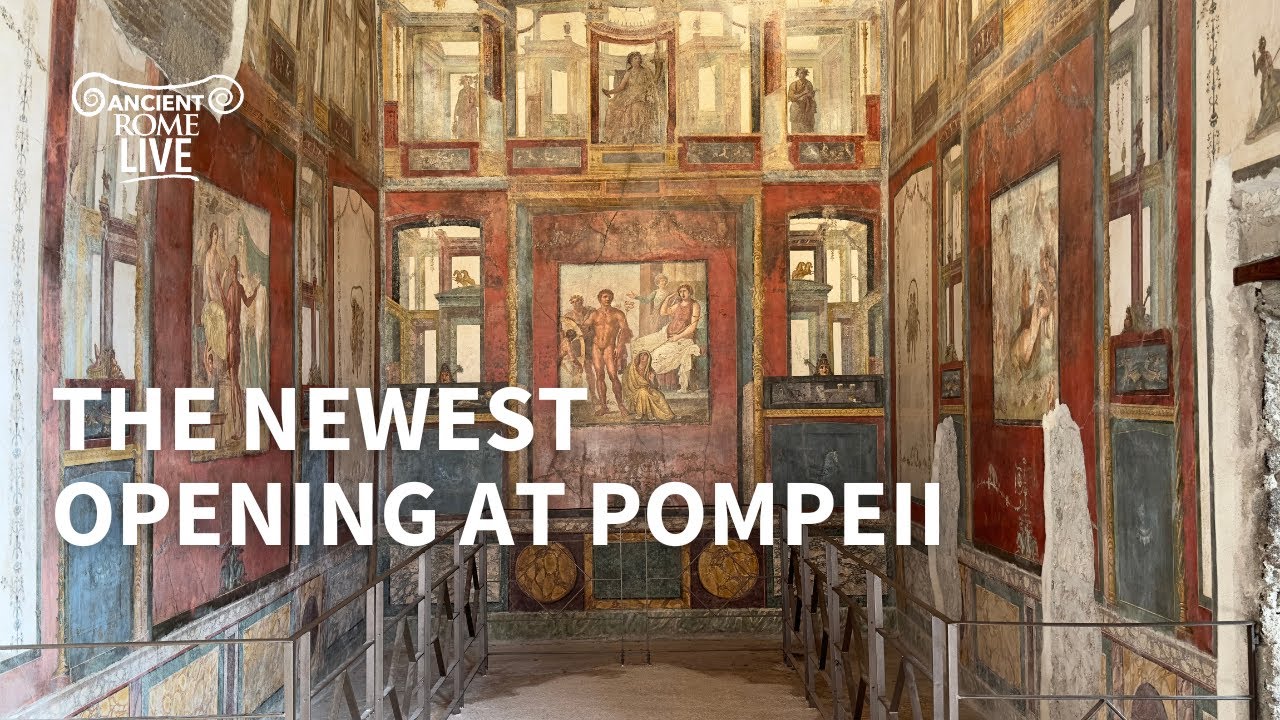
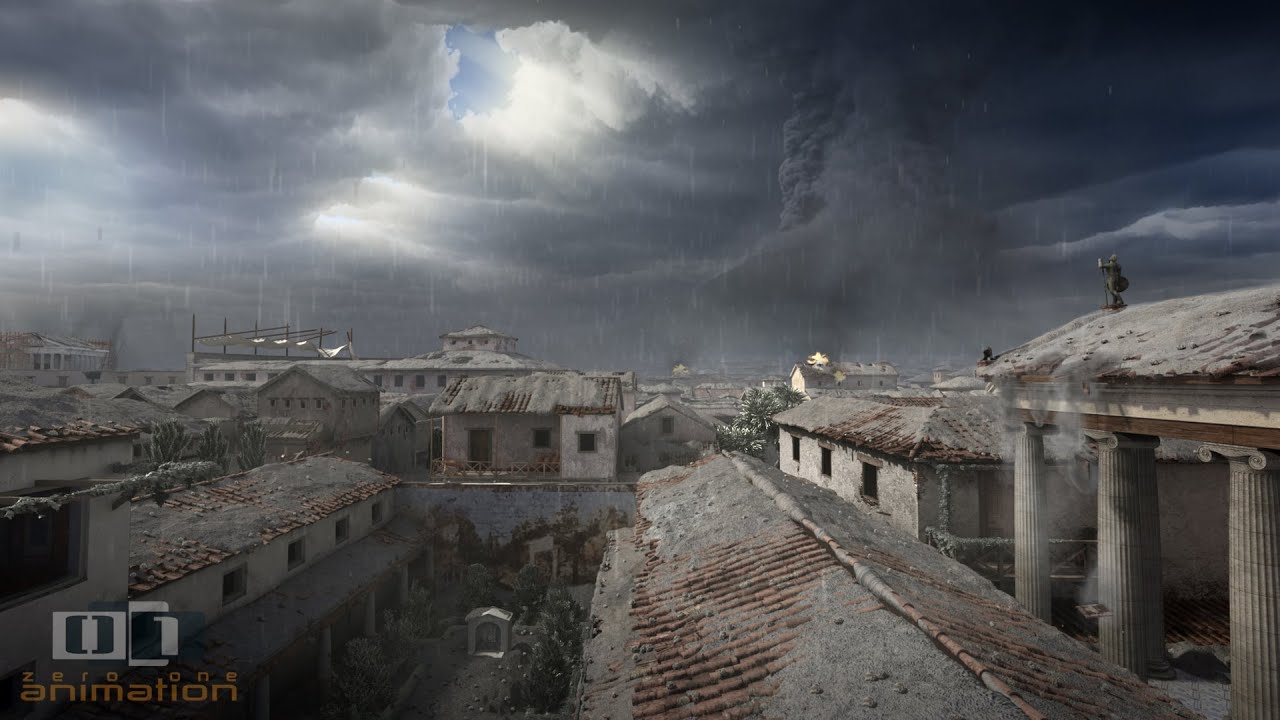
and samnites before finally falling under Roman control in 89 BC under Roman rule Pompei flourished its streets bustled with activity lined with shops taverns and Grand Villas adorned with vibrant frescos and intricate mosaics public buildings such as the Forum Amphitheater and numerous temples showcase the city's wealth and cultural sophistication however this vibrant Urban Center's Destiny was forever altered on August 24th 79 ad in a cataclysmic eruption that lasted for 2 days Mount Vesuvius buried Pompei and neighboring herculanum under a thick blanket of volcanic debris the city's sudden obliteration while catastrophic for its residents inadvertently created
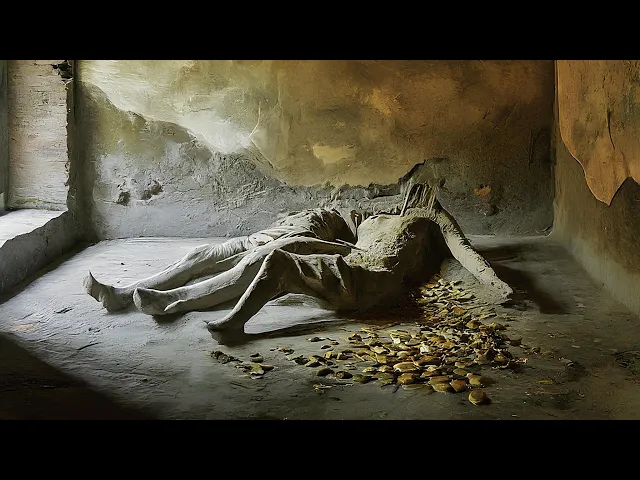
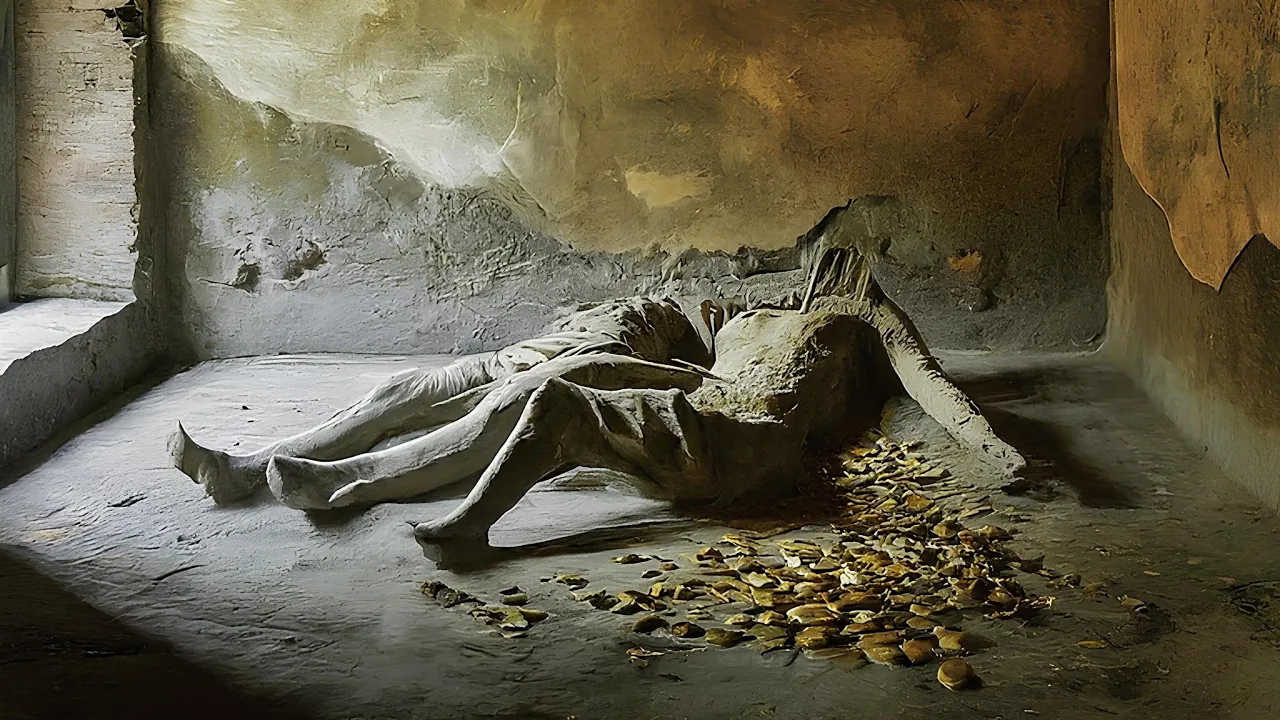
one of the world's most remarkable archaeological sites Pompei remained lost to the world and until its accidental rediscovery in 1748 during the construction of a palace for the king of Naples the ensuing excavations which continue to this day have provided an unmatched window into daily life in the Roman Empire in August 2024 archaeologists made a new discovery in Regio insula 10 of Pompei they found the remains of two individuals who perished during the eruption a man and a woman these two sought refuge in a small service area which was a temporary cubicle behind the house
is blue sacrarium as the rain of molten and semi- molten lava began to fall on the Open Spaces of the house the cubicle is located behind a large Hall decorated in the second style and offered a false sense of security that tragically became their final resting place the woman was discovered lying on a bed and was accompanied by a small yet significant collection of gold silver and bronze coins as well as ornaments including gold and pearl earrings the presence of these precious objects suggests that the victim was of a higher Social Status and possibly intended
to secure her most valuable possessions in the face of the impending disaster her decision to bring these items with her indicates that she hoped to survive the catastrophe planning to safeguard her wealth during the chaos that ensued the small space where these victims were found remained relatively free of pmus stones thanks to a closed window that shielded it from the onslaught of volcanic debris however this also meant that the door was blocked by the accumul ulating material outside trapping the two victims inside as the pyroclastic flows swept through the city with devastating Force they were
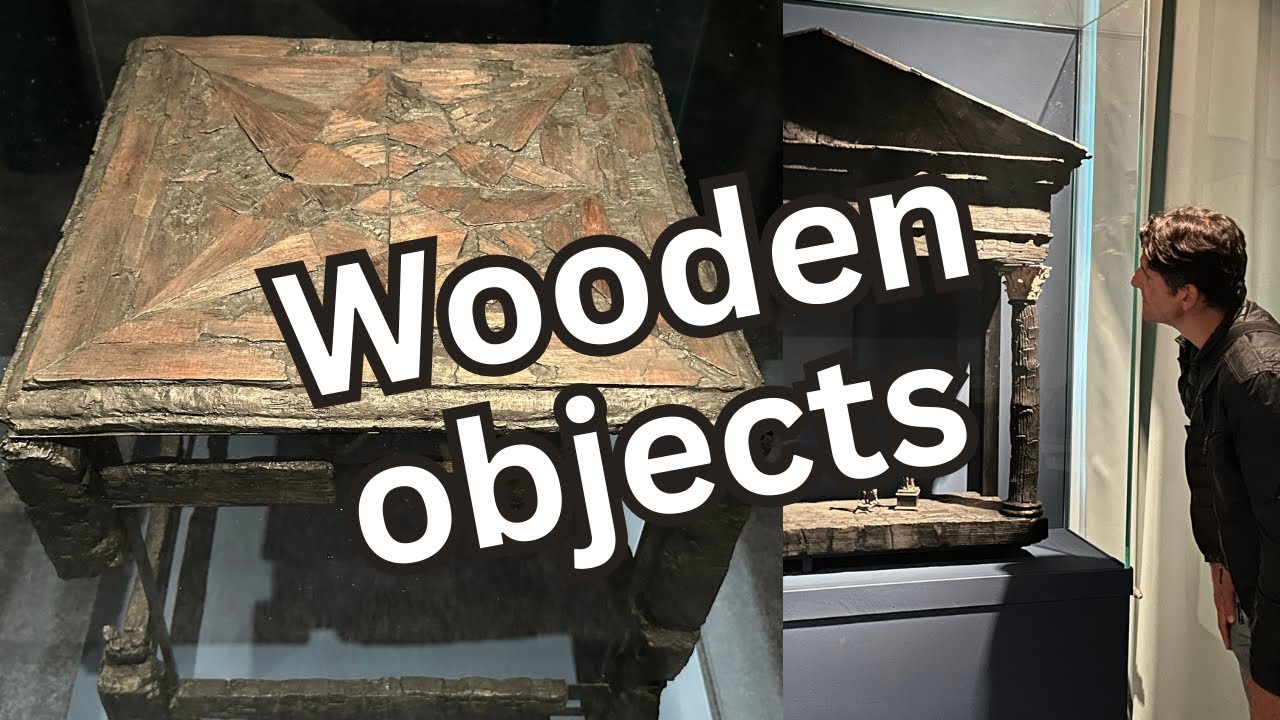
unable to escape and the room became their tomb a tragic end for those who had sought Refuge within its walls the ash that filled the room preserved the layout and contents of the space and allowed archaeologists to reconstruct the furniture's exact position at the time of the eruption the room contained a bed a chest a bronze candlestick and a table with a marble top with bronze glass and ceramic utensils still in place this Recreation provides an idea of the lives of those who took refuge in the chamber either a couple making a last ditch effort
to survive or a servant and her master it also provides a snapshot of the room's closing moments while the discovery of the victims in Regio n offers a peak into the final moments of pompei's residence recent archaeological finds near the ancient city provide further context to the Region's rich and complex history archaeologists under the superintendence for the Naples metropolitan area have Unearthed 35 pre-roman Earth and pit burials near Pompei dating back to the 3rd to 1st Century BC these burials are each covered with mfor arranged in an alternating neck and tip formation and offer insights
into the ferary practices of the region before it became a Roman Colony the mfor are marked with inscriptions in the Punic language suggesting a connection to North Africa and highlighting the diverse cultural influences that shaped Pompei and its surroundings the well-preserved skeletal remains along with sparse ferary objects like small ceramic bottles unguentarium and several coins provide valuable information about the people who lived in the area before the Roman Conquest in addition to the burials archaeologists have discovered a variety of pre-roman objects in a canal likely associated with destroyed ferary contexts these include hundreds of tile
fragments pieces of preserved wood aori doia which are large earthware vessels small cumi made from volcanic Stone and tiles stamped in the osen language the most striking find is a stone head made from Gray campanian tufa depicting a woman with preserved red paint a rare example of pre-roman Art in the region the canal itself is believed to have been built after sua's Siege of Pompei during the social war 9187 BC a conflict that reshaped the political landscape of the Roman Republic and its allies the social war was a conflict between Rome and its Italian allies
including Pompei and marked a crucial turning point in the city's history following the war Pompei was absorbed into the Roman State becoming a colony named Colonia Cornelia veneria Pompeo norum this new status brought an influx of Roman veterans and led to significant changes in the city's Administration architecture and cultural life the ongoing analysis of organic remains and pollen from these fields promises to provide a detailed picture of the crops cultivated in the shadow of Vesuvius initial observations suggest the presence of perennial artichokes but a broader range of vegetables likely contributed to the diverse diet of
pompei's inhabitants these agricultural findings are also particularly significant as they help us understand the economic foundations of pompei's prosperity the fertile volcanic soil of the region ironically derived from earlier eruptions of vvus created ideal conditions for intensive agriculture this productivity not only fed the City's population but also likely contributed to its importance as a trading center the discoveries in Pompei and its surrounding areas continue to deepen our understanding of ancient Roman life and the Region's broader historical context from the tragic final moments of two individuals seeking Refuge from the eruption to the pre-roman burials that
speak to the Region's diverse cultural heritage these finds offer a rich tapestry of history that continues to Captivate and inform as excavation efforts continue supported by significant governmental Investments we can expect even more Revelations from this remarkable archaeological site each new discovery adds another piece to the puzzle helping us reconstruct the lives deaths and enduring Legacy of the people who once called Pompei home the city from Frozen In Time by the catastrophic eruption remains a vibrant source of knowledge and inspiration reminding us of the impermanence of life and the enduring impact of History thank you
for joining us on this journey through the ancient world of Pompei and its incredible discoveries if you enjoyed this deep dive into history don't forget to like share and subscribe to our channel for more fascinating explorations of the past stay tuned for more captivating stories and insights into the world's most intriguing AR iological finds until next time keep uncovering the mysteries of History