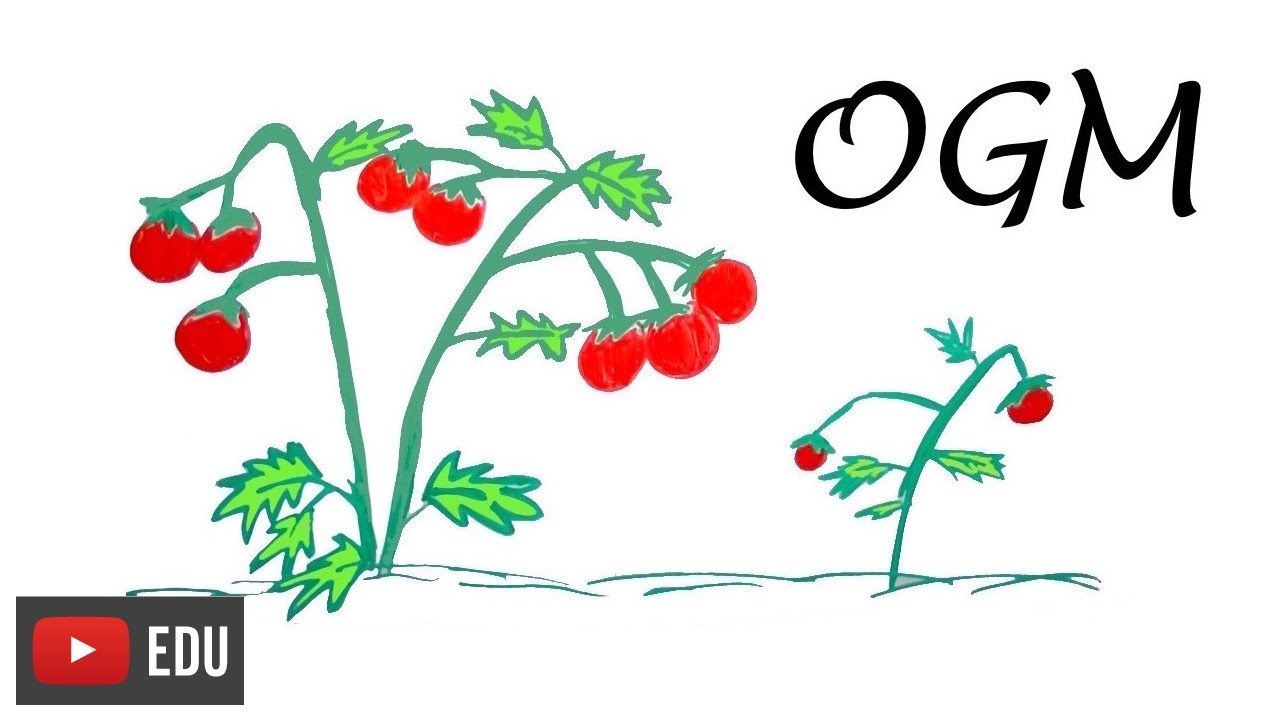
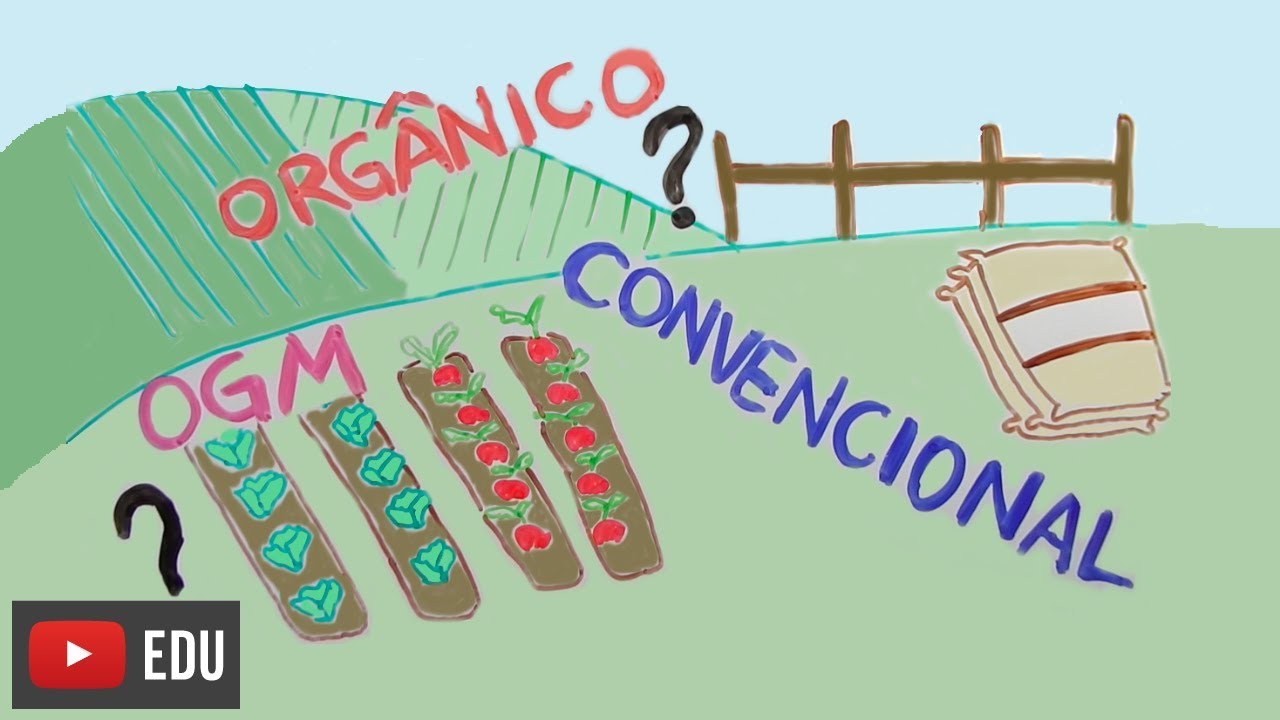
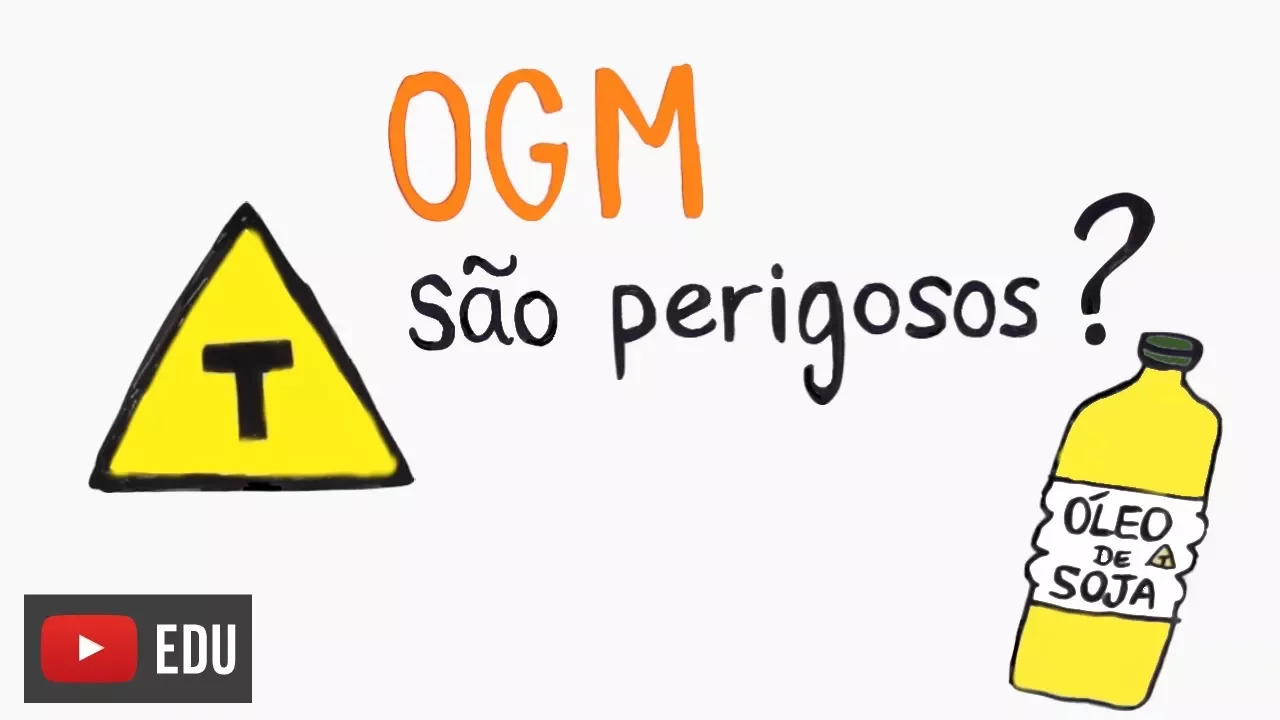
In many countries, including Brazil, there is a debate about the labeling genetically modified foods or GMO. Supporters say it is a right of people to know what they are consuming. But why do we need to know if a food is genetically modified?
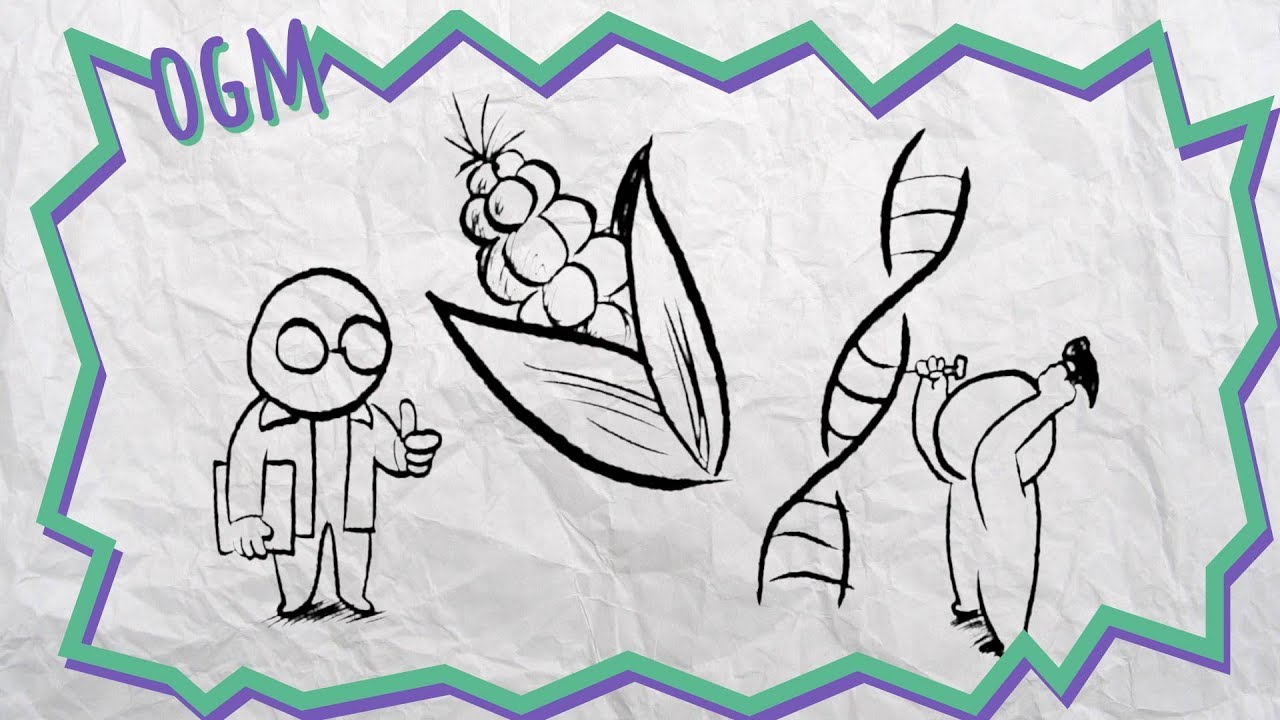
Is it dangerous, and so we need this warning on the packaging? More important than knowing if the food is GMO or not, is knowing what means to be GMO or transgenic. We have already explained how GMOs are made, being plants or animals.
But there is some uncertainty in the population consuming these foods, even though they have been produced and marketed in Brazil for decades and representing more than 88% of all production, for soybeans, and 60%, for corn. This uncertainty is due the lack of information. When we do not understand something we reject it, it is safer to reject something that we do not know than to risk ourselves.
A papaya, organically grown, grows and is infected in nature by the papaya ringspot virus. This fruit contains a large amount of viral genetic material; but still, we affirm that it is a natural food. Another papaya, genetically modified, receives a specific gene which is resistant to the infection of this virus.
This papaya is grown and does not show spots of infection. Which of the two would you choose to eat? In fact, both have been genetically modified, at different times and ways.
The papaya we know today is the result of artificial selection, made by man for many years. We have been choosing phenotypes that interest us, as the size and flavor, and therefore, we selected the genes responsible for these characteristics. Thus, neither of the fruits is natural, at some point they have been modified by man, whether in the field or in the laboratory.
It is important not to confuse the meaning of the term "natural". Natural means something exist or was caused by nature, that it was not man-made. Natural does not mean good or bad.
Viruses occur naturally in nature, bacteria, toxins, UV rays, earthquakes, cancer, they are all natural. GMOs are not natural, and it does not mean they are bad. But after all, are they dangerous?
Is there evidence that they can cause cancer? No, GM foods are as safe as non modified food. The International Council for Science, ICSU, states that "currently available genetically modified foods are safe to eat.
There is no evidence of any ill effect from the consumption of foods containing genetically modified ingredients. " The World Health Organization, WHO, explains what is tested to ensure safety of GMOs, including toxicity tests; allergic reactions; for toxic or nutritional properties of a specific component; Tests on the stability of the inserted gene; the nutritional effects associated with this genetic modification; and any effect resultant from the gene insertion. All currently commercialized GM food have passed these tests and does not present a risk to human health.
But the safety of GMOs is guaranteed in each case. So it is necessary to test the new varieties, and the new modifications made before marketing them.