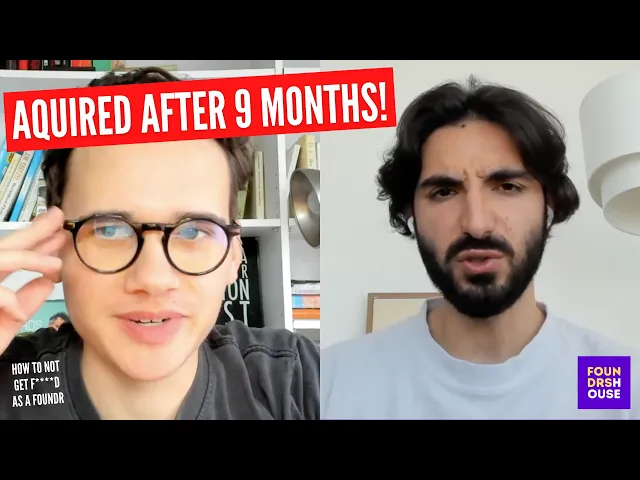
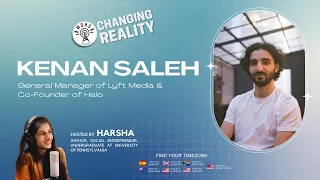
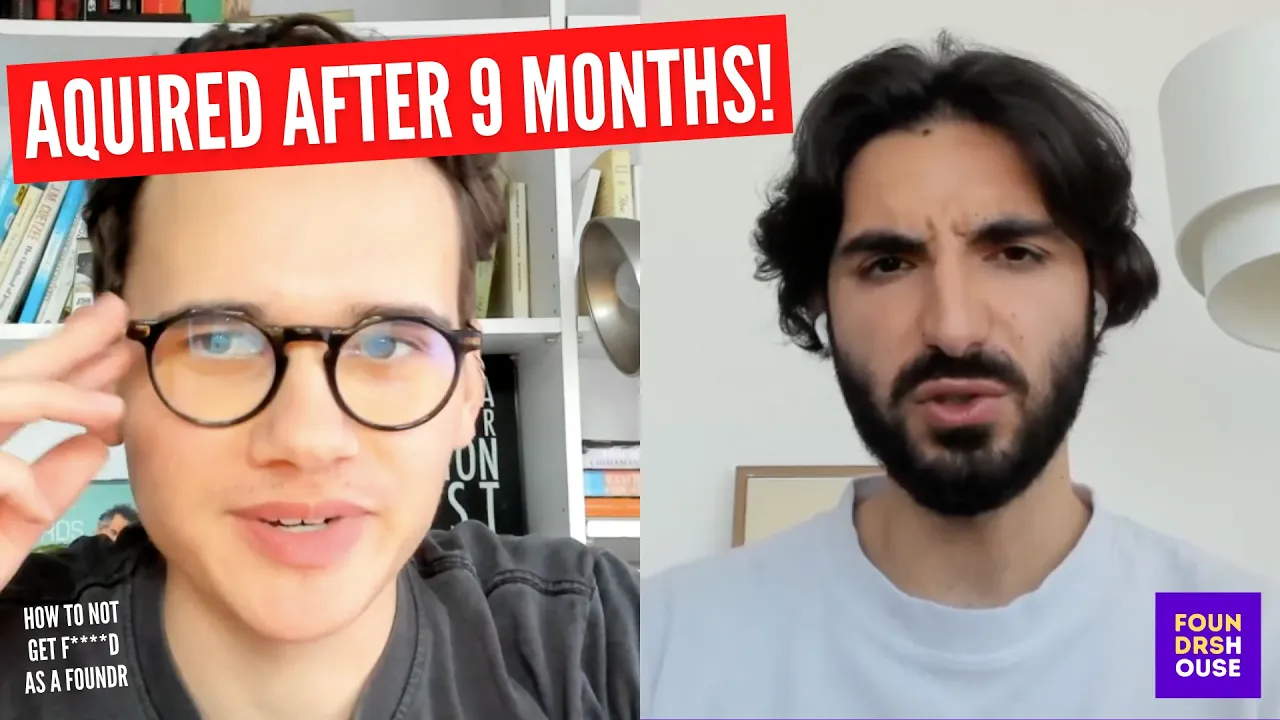
so can you just give me like a little bit of a general intro to yourself and how you got to starting halo and how you ended up at lyft yeah um so i grew up in wisconsin to children of two doctor immigrants and i grew up in a small town in wisconsin i spent my whole life there up until high school and then when i was graduating high school i wanted to go i wanted to leave the state and go somewhere larger and i knew i had an idea that i wanted to pursue something related
to business and entrepreneurship i was influenced a lot by actually the movie the social network was a big influence in my high school life so i watched movies like that i did a few entrepreneurial things in high school i had this kind of i sold sunglasses in high school this little business where i sold sunglasses so i was generally interested in business and entrepreneurship but my parents were were doctors and i was raised mostly thinking that i was going to be a doctor so i wanted to go somewhere where i could sort of do both
and i wouldn't be limited so uh i went to penn and i went to wharton because they had a really strong business school they also had a very strong science program and i did both for a while but then when i got in to school so i moved to philadelphia i started taking science classes business classes i also took a couple computer science classes and that kind of changed my trajectory i took my first computer science class and then i took a bunch more and then i ended up getting a degree in computer science it
was a little bit late so i got a minor i didn't get a full degree but it quickly became a large part of my course load and then so i graduated with degrees in a major in business management or economics and then i had minors in biology that was the science stuff i took and then a minor in computer science and while i was there while i was at in college i knew i wanted to start some sort of business or i was i told you i was interested in entrepreneurship before so i wanted to
pursue that while i was at college and i didn't really do pursue it too seriously until my senior year of college my junior year uh the summer after my junior year i took an internship where i was working as a summer vc analyst is what my official title was but basically i went to uh indonesia which was on the other side of the world and i worked with an investor there as part of his angel investment network and he invested in startups and i was sort of his his intern so i would come with him
he would meet with startups he would invest in some he would not invest in others and he was operating like a vc so that summer introduced me to the startup ecosystem entrepreneurship venture capital and then uh after that summer i knew i wanted to start a startup basically the insight for me was i saw it happening i saw people starting companies and i saw people doing well i thought i could do just as well as them they didn't seem particularly special or particularly smart i thought i could do the same thing so when i came
back to school my senior year i wanted to start something and i was thinking of many different ideas uh the idea for halo came up and i can talk about how we came up with halo uh and later in the interview but halo came up i had some other friends who i told about the idea i built a team around it and then we just took it running but it was a fairly premeditated thing i didn't really stumble into it it was something that i knew i wanted to do from a long time ago sorry
i can't hear you can you hear me now now i can hear you awesome so how did the idea for halo sort of come about were you still you're still like college right yeah i was so it was my senior year of college and the way the idea for halo came about is i was with some friends and we were talking about how effective online ads had become because we were seeing we were experiencing really really well targeted facebook and instagram ads so there was a period of time where you would talk about something it
still happens but there's a period of time where this was really cute you would talk about something and then you would get an ad for it and this was happening all the time with me and my friends we'd be talking about something or you'd hear about something and then you'd go see an ad for and we were talking about how good this whole ecosystem was and that they it seemed like they knew what you were thinking the targeting was incredible it was almost scarily accurate and we were comparing that to what exists in the outdoor
advertising world which was billboards taxicabs the stuff you see if you walk around and we were just comparing the fact that one digital advertising had gotten so advanced but outdoor advertising had remained the exact same and there was no advancement so what we saw was an opportunity of well what made digital advertising really good is they used a lot of tech and they used a lot of data to automate everything and you could apply the same things to the outdoor advertising world but nobody was was doing it and the players in that industry weren't sophisticated
they weren't tech enabled so uh no one had done it and that's what we saw as an opportunity so we that was the broad opportunity we were trying to capture of apply the sophistication from online advertising to the outdoor world um we thought we landed on rideshare advertising being as the best way to get started because it was the easiest way for us to scale without needing regulation or permits or anything like that uh to build a billboard you need to get a lot of permits and there's high regulatory fixed costs you could say or
it takes a while um but for on rideshare uh we could scale up as much as we wanted and we can make we can make agreements with individual drivers or fleets and nothing could slow us down we didn't need to get a permit so it was a fast way for us to get started and we also saw the fact that taxicab advertisement had been around for a long time in new york but it only existed in new york it didn't exist in other cities because there were not taxi-like fleets in other cities but what we
saw was that uber and lyft had built actually these rideshare fleets in every city in the u.s now so there was a critical mass of cars that were driving enough where it made sense but nobody was taking advantage of those fleets and uh so we saw many opportunities come together and that's how we that's how we landed on the idea for halo and then we just ran with it through during college and then when we graduated i graduated and we did it full time my co-founders dropped out we moved to new york and we just
we really ran with it and grew really quickly we raised some money uh and then we got acquired shortly after that so that's that's really crazy man i mean that's such a crazy ride i mean so like it is scary the ads i mean it sounds like i've sometimes i'll be like texting someone on whatsapp about something and then i'll see it on instagram or whatever it's so creepy that's like yeah is that legit like are they actually like watching us like what's going on no they're not they're not so they're not listening to you
and they're not watching you not only do they would that be a mass of breach of privacy it's actually a very hard technical thing to to it's not a feasible thing to implement um but what they are doing is they're doing very sophisticated um correlation and matching between what you're doing and then what people that you are connected to they're doing so something that's very common is that if your friend or somebody that you're closely associated with on a platform is looking at something and then your profile is similar to that person you're what will
they will make you they basically will consider you what's called a lookalike profile so they'll understand that you are similar in characteristics to your friend your friend was just searching for x product and that you may be interested in x product as well so they do an amazing job of correlating all this together so that's how these things happen when you say something or someone tells you about something and then you suddenly see it they're basically correlating across mass networks and and they have so much data that they're predicting really well what you will like
uh based off of the people that you know and what they're doing yeah i mean that's like when you run an ad on facebook you can actually create a custom audience exactly so you can create a custom look like audience and then basically the look like audience has gotten very good so when you're getting stuff the the look like the look-alike audience is being you know implemented on you and it's very very effective so when you're working as an intern for the sort of vc place did that give you like a really good insight into
what they look for and what they don't look for yeah so that that was the most important actually experience in my there was probably two experiences in my college career that were important for my career and eventually becoming a founder one was that summer and then the other was the computer science courses i took so the computer science courses that i took basically taught me that i can build things it's not incredibly impossible to build an app or to build a website and i can do it before to me it was this like very vague
notion of there's some really really smart people who build apps and build websites but i'm really far from that and if i ever wanted to build something i better find someone like that or hire someone like that but once i took computer science courses i realized i could do it i don't need somebody i can build stuff myself so that was one step that it's feasible i'm able to do it and then the other step on the the when i was a vc analyst is that um i saw i saw if computer science taught me
that how to build things basically vc taught me how to sell things and how to raise money how to sell on people how to sell to customers because i was seeing pitches all day so i would see entrepreneurs come in they would pitch us and they would say we were doing they would tell us their business they would tell us what they're doing they would try and sell us on why we would best and i saw that side of the business and i tried to learn from them how to sell how to raise money there's
kind of a there's a bit of a culture to it or formula and if you are on the inside and you've seen it happen you know what vc's are looking for you know once you've seen a pitch what a good pitch looks like what a bad pitch looks like so that was the biggest thing really is that i understood how to pitch how to sell an idea how to sell to customers how to sell to a team those are the main things that i learned not anything specific to my business that i needed to do
this or this or this but broadly if i was going to start any account any company this is how to pitch it this is how to approach investors this is how to make a pitch deck this is what a good one looks like this is what a bad one looks like so forth a lot of pattern matching because i saw so many examples so you could pattern match across you know hundreds of examples so did you raise money for halo i mean i assume you did yeah we did so we when we left school to
pursue it that's when we raised an angel round of funding so we didn't raise much we raised half a million dollars um fairly quickly and the idea was it was supposed to be a precede so it was supposed to be a small amount of money that we could get off the ground and launch and then make get some traction create some buzz get some revenue get some metrics and then we're going to raise a formal seed round which was going to be larger but we got acquired before the formal seed round so that was the
only round that we ended up raising so what's that process like like um i always ask because i have had a couple of people on here students who've started companies that have raised funding from vcs and stuff what's the process like i mean it's something that a lot of people want to sort of know about and if they're going through something similar what's it like like what happens well so um venture so raising money is primarily about being a storyteller and selling a narrative to people so what the process is basically like is you prepare
more or less a story that you're going to sell to investors and that story all the stories for pitches generally have the same format it's some concept of this is something wrong with the world today or this is a problem with the world this is how it so actually i would say this it starts like this this is how the world is today this is some big problem or opportunity or something that is going to cause the world to change and this is how we can capitalize on that change and make money more or less
and then the final thing is like this is how we're going to do it this is why we're the team to do it and a lot of other stuff like that so what you need to think about is you you need to prepare that story basically and this comes in the form of usually a pitch deck but it can come in the form of anything really it could be you could write it you could say it like it doesn't need to be some necessarily a pitch deck it's more of the concept of do you have
the narrative down and then once you have the narrative you there are tons of groups that you can raise money from so there are institutional venture capital firms which are the ones that you hear about like the andreessen's the um sequoias so forth most people in college are not going to raise from companies like that because it's usually too early so the first round that a company raises is usually some sort of angel round which is from a mix of friends family angel investors that you know wealthy individuals who have made money in their jobs
or career and they're looking to invest in early startups so what you do is you try primarily to find these people in your network who are the angel net investors in your network and then you go and you pitch them and you do it in some sort of sequence where it's a fundraising round try to do them all within a couple weeks so a lot of it's network based in the early days there are also now a lot of there's a lot more organizations that will fund you so yc is a institution that will fund
people at the idea stage and that's a common way to get started and then yc will introduce you to their network which will help you raise more after that there's stuff like dorm room fund which is specifically for college founders but it's a very small amount there's stuff like rough draft ventures contrary ventures so there's a lot of these now what are called student vc firms or super early stage vc firms which look for student startups and they fund them so that's another route that's very common now but most startups that i see either raised
from one of these kind of sources like the the super early institutions which is the micro vcs yc um dorm and fun so forth or they raised from angel investors which are people that happen to be in their network for the most part or alumni of their school or there's a lot of ways to find these angel investors they sometimes have you in groups that they invest together in that's typically how you raise your first round and then the next round after that is a lot that's a different process that's with more institutional vcs like
the sequoias and dreesens that's usually when they come in so but that's uh that part is actually easier because once you've raised your first round you go and you get traction with it and then you spend that money in a way where you advance your business interests and you try to get some progress with your business and then if you have good traction it's fairly easy to raise the next round if you don't have good traction then you usually don't raise the next round so it's not as it's a lot more actually straightforward of a
process than the first round is the first round is because you're going from zero to one you're you're not funded you're not a company to trying to be a funded company that's that's the harder job after that it's all about if you're executing and if you're performing i love that book by the way zero to one by peter thiel really really cool uh yeah yeah so yeah so once you raise the money what did you do with it did you build a prototype or so actually before and this is uh advice i should give so
before you raise money you should build a prototype and the criteria for raising a money is that you should have an idea you should have a team and then you should have as much progress as possible without money so a lot of people i think their first instinct when they're starting a company is to go raise money but it's usually unsuccessful because people don't want to invest in ideas they want to invest in a combination of an idea a team and then some sort of product or progress or traction evidence that you are able to
build this business and you're going to be successful if we give you the money so and most startups don't need a lot of money to get started at least to build a basic prototype so what you should do really is once you have ideas you should form the team and you should immediately try to build the earliest prototype that you can and it should be the cheapest easiest most simple form that you can start with and then you should use that to try and validate it with customers and try to get some traction with that
product and what you're trying to see is you're trying to validate that this thing that you've built or this idea that you have is actually useful and people actually want it and it's something that you should continue pursuing so that should be something that if it's tech it's very easy you should be able to program and if you don't have the ability to program it yourself then you need to either get the skills or you need to have someone on the team who has the skills so the founding team should have the ability to build
a prototype if the founding team can build a prototype it's not a supe it's not a great funding team and you should you're probably missing people or you have the wrong people you need to change the founding team it's not strong enough so for us it was hardware so we were able to build uh we were able to order an off-the-shelf semi-custom hardware unit of our rooftop you know digital advertising display and we were able to get that from china it was relatively cheap we paid a thousand dollars we pulled it between all of us
so we each of us paid a few hundred dollars we chipped in in order to get the first one and then we built a simple app to connect with it uh and we were that was our first prototype it was really really scrappy it wasn't great it was like very poor super super i would not show it to people it was like embarrassing but it allowed us to get started and allowed us to start uh running tests where we took that one unit we put it on one driver and then we tested we had him
just drive around with it broadly we didn't even show ads we just had him drive around with it and just see what's gonna happen and all sorts of things happen like it fell off his car once the mounting sucked so so so many problems were uncovered from the first prototype that we wouldn't have imagined and then we were able to go fix them so and then once we fixed that one we made a second prototype that had those issues fixed and there were more issues so we made a third prototype uh we did probably like
three or four iterations before we were raising around so by the time we had raised around we had a functioning prototype that we had tested and we had gone through multiple iterations we knew it worked we had we had encountered problems and we had fixed them so we were much further along than just an idea and that's why we were able to raise money so what we did when we were raising money is we had investors come and look at our product we said this is our prototype it works it's not great when we get
money we're going to fix this this and this but here you can see that we're obviously able to build this you can see a vision of where this is going and um you know you can you can trust that we're able to build it because we were able to build this one so if you give us money there's you should have reasonable faith that we're going to use that money in a good way and we'll be able to do what we're saying where it will be able to do so that's what that's what you should
do really you should get as far as possible without money and you should make sure that when you're raising money is actually the limiting factor the best story that you can tell is that we did this thing and it's working already and we just need money to pour gas on it and make it go faster or grow it or something like that that's the best story possible that's the most fundable thing ever because um it's a really clear formula that this thing works it's there's there's uh evidence that it's working and if i put my
money they're just gonna keep scaling this so it makes me very confident that you're gonna be successful with my investment so that's what i would i would recommend to to anybody a lot of people come to me and say oh how do i raise money and i would actually say i would say it's not good to raise money that early i think you should you should go as far down the road of building as possible before raising money so when all this is going on are you still in college or yeah i'm in college so
i'm in college for everything i was just mentioning until we raise money we raise money we raise money the day after my graduation or maybe the day before i it was right around my graduation because i remember i was like i was pitching investors in new york and then in miami and then i was graduating and then i was back in new york pitching more investors so it was i was going back and forth between them so this was happening during school which was super hectic and it was a lot but um after i graduated
that's when we went full time on it and that's when we made most of our progress so we had been prototyping up until we raised money we had one unit or just like a small number of units we had a few prototypes so but very very small number of units we were strictly prototyping we did not have paying customers we had one or two drivers that we were working with we had run small tests but we had not it was not at that point a business really it was an idea and a prototype and we
were working on it and then once we raised then we went full time and that's where everything else happened so that's when we scaled up that's when we got to hundreds of vehicles that's when we got paying customers so everything happened after that and it was actually a nice transition for me to do it like that to be able to prototype was in school and not have to drop out and then to graduate and take it take it full time but that's how that's how it works for me so what do what do you think
the biggest challenge was when you were starting it um let's see so the biggest challenge for us there's there's some kind of like you know uh challenges that we had starting and then there were challenges that we uncovered later that made the business more difficult the most challenging thing about the business at a high level was always advertising sales so today at the time we started you know in the middle at all times advertising sales was the hardest part of the business and because in order to sell this product to advertisers we had to go
to brands directly or to advertising agencies and convince them to spend some of their marketing dollars on our product and that's a traditional sales process it's also very relationship based particularly at the agency level and people who have long relationships with the people at the agencies they're able to get them to buy their ad inventory more so it's a little bit actually sometimes a lot the incentives aren't great and it's a little bit of an old boys club in many ways so it was hard to break into that especially as young startup founders limited experience
we came from a tech background and the out of home advertising world is not a particularly tech uh savvy industry so we a little bit of different cultures often different ages so it was that part was challenging and it's it still is that's the hardest part of the business so that's what's that's what we you know we spent most of our time trying to figure we spent most of our time trying to figure that out early on um in the middle and so forth but that was something that we we worked through and that was
more of an industry challenge than it was a particular product challenge but other than that the in general i think the hardest thing for startups if you agnostic of what business they're pursuing or what industry they're going for is usually in my opinion building a team building a strong team around your idea that's probably the hardest thing so because it's it's challenging to find college is a good place for this but traditionally it's challenging to find a group of people who are at the same stage of their life as you willing to take on the
same amount of risk willing to be all in on the same thing and then have complementary skill sets and you get along with them and you work well together these things finding a team that does all of these all these things is not easy actually which is why college is a good breeding ground for startup because you have a lot of options and a lot of people to choose from so you're able to find that group pretty easily but when you leave a place like college actually you're pretty limited in terms of the number of
people that you are you're seeing every single day and you're meeting and then what you're most limited by is is people being in the same park stage of their life or the same desires and their risk appetite you'll find some people who now i need people who are having kids and they don't want to do startup because they want more financial stability and then they want to raise their children and buy a house and so forth and then you'll meet some people who are just starting their career and they want to get some experience before
they try and start a company and even though these would be good people to work with they're just at different stages of their life so they don't match and even if i wanted to start a company with them they wouldn't they wouldn't be interested so that was the we were very lucky that my friends were there and i started the company with a few of my friends and somebody that i met along the way and a little bit kind of uh blind like the my main co-founder i didn't really know beforehand and i was lucky
that it all worked out but i've seen it not work out in a lot of cases where co-founders don't get along or they don't work well together or they're missing a skill set and then yc says that most startups died because of co-founding conflict that's the number one reason why startups die and i from what i've seen anecdotally i believe that's correct i've seen a lot of startups die because of co-founding conflicts or not even conflicts but the co-founding team and the founding team wasn't strong enough so the idea was fine everything else was fine
but that the founding team wasn't strong enough to execute on it so they couldn't build a great product or they couldn't raise or they didn't do marketing right and then it didn't work out and then how did lift come into it like at what point did you actually hear from them and how did they sort of reach out yeah they reached out when let me try and recount the events it's been a while ago so they reached out fairly early and they just wanted to they reached out saying that they wanted to get to know
us because we were a startup in the space we had made a little bit of noise because we had launched in new york there was forbes had written about us a couple times we were in wired so we were in a few articles and um there was a little bit of press about us not a ton but enough for lyft to hear about us and somebody reached out because they lyft does this when there's companies in this space they usually try and reach out and meet them and they want to keep an eye on the
industry and they want to see what's happening so that was the same thing we had been talking to them for a while a few months before any talk of an acquisition even come into play and we had just been talking to them mostly catching up and they wanted to keep tabs on us and they wanted to understand what our progress was so we did that and then we also told them that we would love to partner with them and we were talking for a little bit about some sort of partnership that we could do with
them um and then just one of the meetings they kind of came out of the blue and unexpectedly they told us that they were interested in acquiring our company they phrased it saying they said would you be interested in building this business at lyft we really love you guys and we love what you're doing and we think that we could do it better together basically so and it caught us off guard this happened around august so to give you the timeline we graduate in may we go full time in may actually we technically really go
full time in june but you know may june and uh we're working june july we're talking to lyft july august and then i we believe i believe we sign our term sheet in september so really fast very very fast timeline and august is when we started talking about it somebody told us that they were interested we started negotiating for a little bit and then september is when we signed our first loi and then the deal didn't actually close until quite a bit after because there's a diligence process and i can tell you all about that
it's a very interesting um it's an interesting process that happens after it's a very nerve-wracking process actually but uh that was that was how it worked it was very very accelerated they just came in and said we're interested in the space we like you guys we want to acquire here's our offer we negotiated on offer and then we did a few more we met like you know some more of their team we met the chief product officer and so forth and we negotiated um but after that it was we got to agreement that we were
able to agree on the offer pretty quickly and then it went to right into signing a term sheet going into diligence and then deal closed that's crazy dude like that's such a quick time period and that must been such an exciting thing for you guys um what you mentioned about the due diligence like what is that about like obviously that's where it could sort of fall apart right yeah like you have to talk specifically but that's why it's very nerve-wracking because what it says is that you have agreed in principle but then they have some
period of time like 30 to 60 days usually usually 60 days or even sometimes up to 90 to come and basically diligence anything that they want to so they can come and look at everything and inspect anything ask you to do produce anything or they can do any amount of diligence that they want and if they see something that they don't like they have the ability to pull out of the deal so that's why it's a very nerve-wracking time period because you've already signed and you've you've sort of committed yourself but they are they are
doing diligence to figure out if they want to commit as well and they've sort of committed but now they have they have an ability to pull out so they come and they just look at everything so they look at they look at your code base they look at your hardware they look at your team they interview you they come over they ask you to come in and interview with them they send you a bunch of a list of questions that they have and it'll be like a huge list of these are all the questions we
have these are all the documents that we want to see they just they do everything it's very thorough diligence uh that's why it's a nerve-wracking period because they look at everything and even things that you don't you're not that confident about or you're like you're not that comfortable about or like like even this thing that you did a while ago and you're like ah this thing was stupid and like it's not that good they just they see everything so um that's why it's a little nerve-wracking you send everything and then they keep asking for more
so it also takes a lot of time actually it takes a lot of your time from running your business and then by the end of it usually for the most part there's nothing that they didn't expect to see so it's usually fine but in some cases what will happen is they'll see something and they may change their mind they may see something like okay the business was not as good as i thought it was or your hardware's not as good as i thought it was your software's not that good your team's not that good and
we thought it was better before that's why we were interested and so we're not going to pursue it which which would be which would be devastating so that didn't happen for us obviously but that's the fear that's the fear in any founder's mind is that they're the acquiring party is going to pull out if they see something and it didn't happen for us but it was 60 days of you know it was pretty nerve-wracking uh and it took a lot of time because the request list is huge it's like every week they'll send you okay
can you send us these three things and sometimes you have them sometimes you have to go produce them so it took a lot of time for sure yeah i'm actually working as a i'm going to my final year now at uni and i'm working as a real estate agent with sotheby's and it's also something that's quite similar as well like when you're selling a house you've got to do so much due diligence on the buyer and even like oftentimes they're the sale of the house is contingent on everything going through so even though they've like
sold their house they've agreed on a price they've still got to qualify everything so it can easily fall through um within you know the next couple of weeks which is always annoying if that happens yeah exactly exactly and then so the acquiring company has a lot of leverage during that time period um so because when you when the startup signs a document you also sign an exclusivity agreement which means that you won't talk to any other acquiring companies so they have a ton of leverage during that time period and you can't talk to anybody else
but they can walk away you can technically walk away as well but if you sign the term sheet you don't want to walk away so you've already kind of mentally you know agreed to the deal and committed to it so it's it's um i guess similar to what you're talking about it's a very one-sided uh time period and then founders wanted to go as fast as possible they want the time period to be as as little as possible and the acquiring company wants it to be as long as possible so they have as much time
as diligence so it's a negotiation uh between those and it lands somewhere in the middle of usually awesome man so we've been going for like just over half an hour um how much more time do you have because i just have like one or two more questions let's keep going all right cool so i just like want to ask i always ask my guest what kind of advice like general advice do you have to a founder or someone who's maybe in college or just graduated and who wants to start up their first business during this
very like weird sort of time yeah yeah so i would uh this is advice a lot of people coming recently because i just graduated college and i have friends still in college or who are about graduating and they they've asked me a lot of things i would say two things so recently um over recently as in over like the last 10 20 years the risk associated with working at a startup has gone down dramatically dramatically dramatically dramatically and what i mean by that is that um in 10 20 years ago working at a startup was
actually a risky career move and the job was not secure there was real risk that startups failed you didn't get paid and it was viewed by others in the industry as not a good career move and it could actually hurt your career today it is not like that at all one is that startups are now sort of in vogue and everybody wants to be funding a startup at a startup looking at a startup near a startup incubating it's like everybody wants to be around anything related to a startup so it's now actually um it's not
a risk for your career but it's actually something that benefits your career to be associated with a successful startup that's one thing and then the second thing that has changed is there are a lot more startups that um don't have nearly as much risk as startups used to so now series a startups are well funded they're not you know before you should see what you should look by the way like an airbnb series a or what a series a used to look like people used to raise a million dollars or two million and that was
a series a now there's 30 million dollar series a's there are i've seen crazy stuff there's there are 50 million dollar series days and what that means is that these companies they have they're well funded and they have um they're able to pay their employees well and now there's a very structured or at least like very supportive vc ecosystem for companies that get past series a to get to a series b and get to a series c and there's wisdom vcs understand how to do it so founders are better there's i don't know data on
this but i bet you if you look at the success odds the success odds of let's say series a startups now compared to 20 years ago i think we're dramatically higher now there's just a lot more successes startups are a more understood concept and a more understood entity so founders know how to scale them and there's kind of a playbook for the whole thing it's been done before so all this to say basically is that working at a startup now is a better is probably the best career move that you could make and like it's
a better career move now to make than at any point in history and um if you have an idea and you want to start a startup it's easier than ever there's funding sources there's people who will help you yc has a blog there's tons of uh material online to show you how to do it so if you have it you should do it there's no better time ever to start a company in history and um the returns of doing so are larger than they ever have been and the risk is as low as it's ever
been so if you have an idea and you want to start up this is the time you should really just go ahead and do it if you fail it's no big deal you can always go and get a job jobs are available you can work in another startup and there's not as much stigma as there was before before if you started a startup and you failed maybe 20 years ago it was actually stigma people look at it like oh i'm not gonna hire you no one cares anymore and people understand and are familiar with how
startups work so that's one you if you have it you should go for it two if you don't have a startup idea which is fair you don't have the idea you don't have the team you're not ready for whatever reason you're not ready to start a startup now then the second best thing that you can do is join a startup um there are like i said there are lots of series a series b series c sort of breakout startups which are very clearly going to work there's not that much risk if you are just paying
attention and you understand the industry they are well past their product market fit stage and they're well past the stage of their risk of failing and at that point they're working they're gonna work and it's just a scaling game there are tons of startups like that and it's like if you join an airbnb or an uber or any of these companies let's say in the 2012 13 14 time frame where to anybody in the vc industry it was clear that this was going to be uh the future this was going to be successful and if
you're just paying attention you could have joined and the returns to doing so are incredible because if you come to one of these companies you get equity and if you get equity that equity appreciates as the company grows and there's a really good blog called join a breakout startup that i don't remember who wrote it but it's quotes from a lot of different people and it basically encaptures why you should work in a startup and as opposed to some big fortune 500 company or consulting firm or whatever and basically what it boils down to is
that startups are not really that much risk anymore especially the breakout ones and they still have ridiculous upside reward so something like the 100th engineer at facebook the 100th engineer so the 100th engineer is you know when they're already a very large company a fairly large company it's pretty clear they're going to be successful uh it's a real company it's not like some risky startup and it's not like you're in the garage you're in an office you're getting paid all that's normal the 100th engineer of facebook made more money um than 99 of founders um
in the past 10 years and that's because facebook eventually became a trillion dollar company and being the 100th engineer you got some small bit of equity that's that small bit of equity increased by like a thousand acts and um you know you you did very very well financially and then it boosted your career you're early at facebook and there's a lot of people who their whole career has been that they were early at facebook basically you can think of chamath jamal's entire career was based off the fact that he was early at facebook there's people
like um bobby and bobby cadet or good luck his career was also the fact that he was early on facebook and i think maybe he was early other points but it was tremendous for their career and so those kind of companies exist today but they just don't they're not as obvious so if you you there are facebook and airbnb and uber like companies that are today at that stage but they're not in the news they're not public companies you just need to look for them but if you find them and you join them you can
have in 10 years you can be sitting they can be like the next facebook and that could just catapult your career and you'll get a lot more credit for being part of a successful startup than you than you should and being early somewhere you'll get credit for all that success even if you were just really along for the ride so i see no reason to work at something like a mckinsey or goldman sachs or um even like a facebook or google where you you get very little upside some of those companies don't even give you
equity and then if they do google equity is you get a small amount and then it doesn't grow that much anymore um i don't see any reason to go to a company like that anymore before you would go there because they have job security and prestige but like i said there is plenty of job security and there will be prestige and breakout startups and then you have so much more upside you you have like 100x 000x upside which is impossible there's no google's never going to 100x and then mckinsey doesn't give you equity so that
that can't even appreciate so uh that's why this is a very long-winded answer but basically basically you should either be starting a startup or joining a startup early career and that's that's my opinion yeah i mean sheryl sandberg said something like i don't know if this is completely correct but she said like you don't ask whether to jump on a rocket ship you just jump on yeah exactly cool exactly this is the quote really she said um you don't ask which seat when you're asked to join a rocking strip you don't ask you don't ask
which seat it's the same thing so if you're on a rocket ship it'll just pull you even if you're you're good bad medium if you contributed you didn't contribute it doesn't really matter if you're part of a rocket ship you just get credit for its success and the one of my favorite sayings is like a rising tide lifts all boats think of that as your career if the company is rising uh and is a rocket ship and is growing incredibly fast your career will rise along with that no matter where you are or what you're
doing and um that's the opportunity that exists right now uh and and people who are you know going to big tech or other other uh you know other jobs i think they're missing out on that opportunity and they're not appropriately assessing the risk and reward of all these different options they're not properly assessing them thank you so much you really really appreciate the advice um so let's just step away from the podcast for a sec okay um is it cool with you um so yeah like i've got a couple of guests that i've still got
to edit so um this will probably be out in a couple of weeks um i'll obviously let you know beforehand is it cool if i like i usually take like a little clip or something put on tick tock is that okay yeah do whatever you want no problem all right all right awesome man yeah thanks so much for joining me i really really appreciate it it was great having a chat with you okay awesome i enjoyed it too let me know when this uh whenever it goes live let me know so i can i can
help boost it for you and i hope i hope this is good for your podcast i hope it helps you awesome man thank you so much keep safe thanks utc all right cheers bye