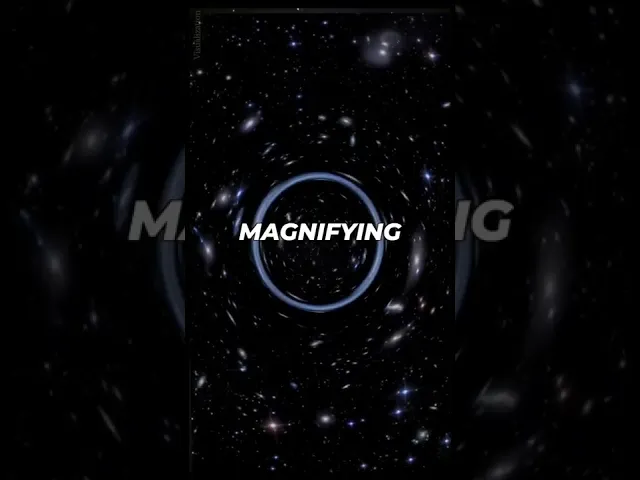
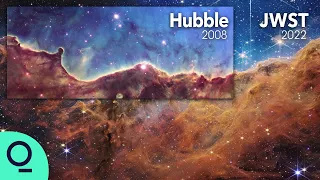
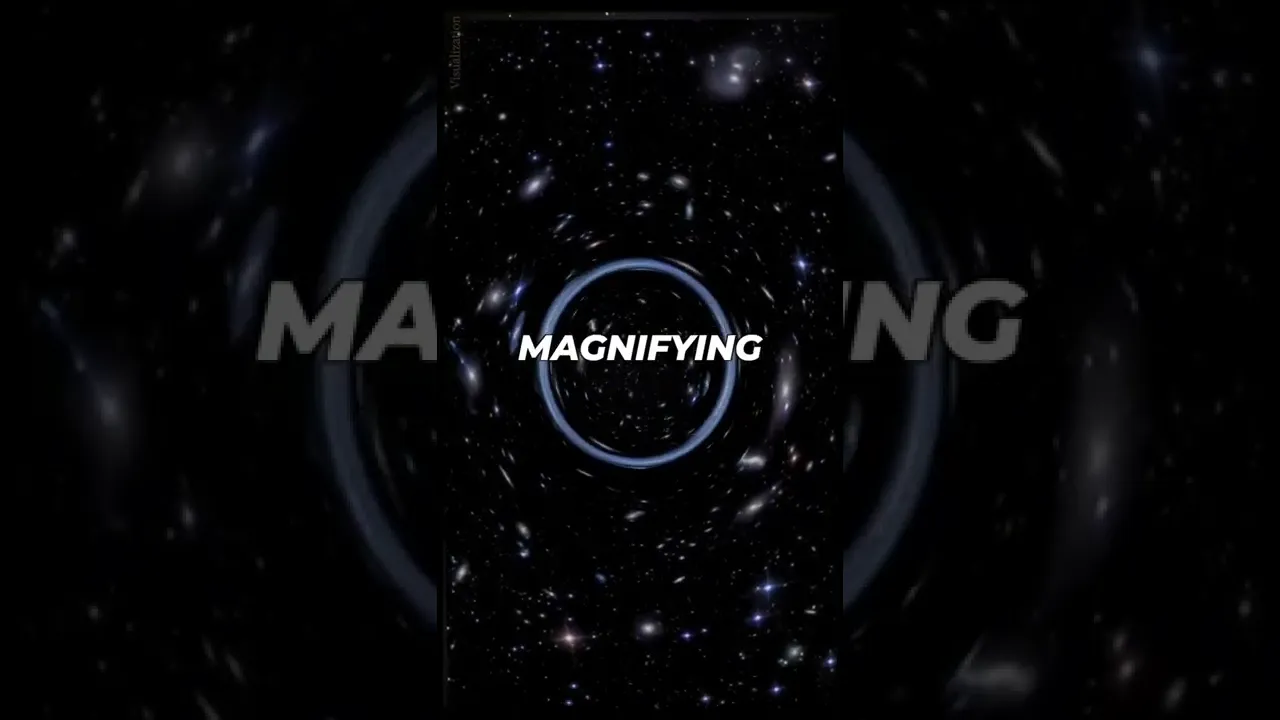
in this James Webb Telescope image is a tiny point of light that could be about to revolutionize our understanding of the universe it's called Arendelle and it's the most distant individual star we've ever observed a 28 billion light years away that's two-thirds of the way to the edge of the observable universe the only reason we've been able to see it is because it happens to be perfectly positioned behind a giant cluster of galaxies and the mass of these galaxies has bent its light towards us magnifying Erin Delta seen thousands of times brighter in a process
called gravitational lensing Arendelle existed when the universe was less than a billion years old which means it could be a type of star that we've never seen before called a population Three Star this is a star made only out of hydrogen and helium because other elements didn't exist yet and the universe was so young this December the James Webb Telescope is going to analyze irondale's light and determine exactly what it's made of if we find that Arendelle is made only of hydrogen and helium then we'll know it's among the first stars to ever exist and
it will be one of the biggest discoveries in the history of astrophysics to stay updated on the findings make sure to follow