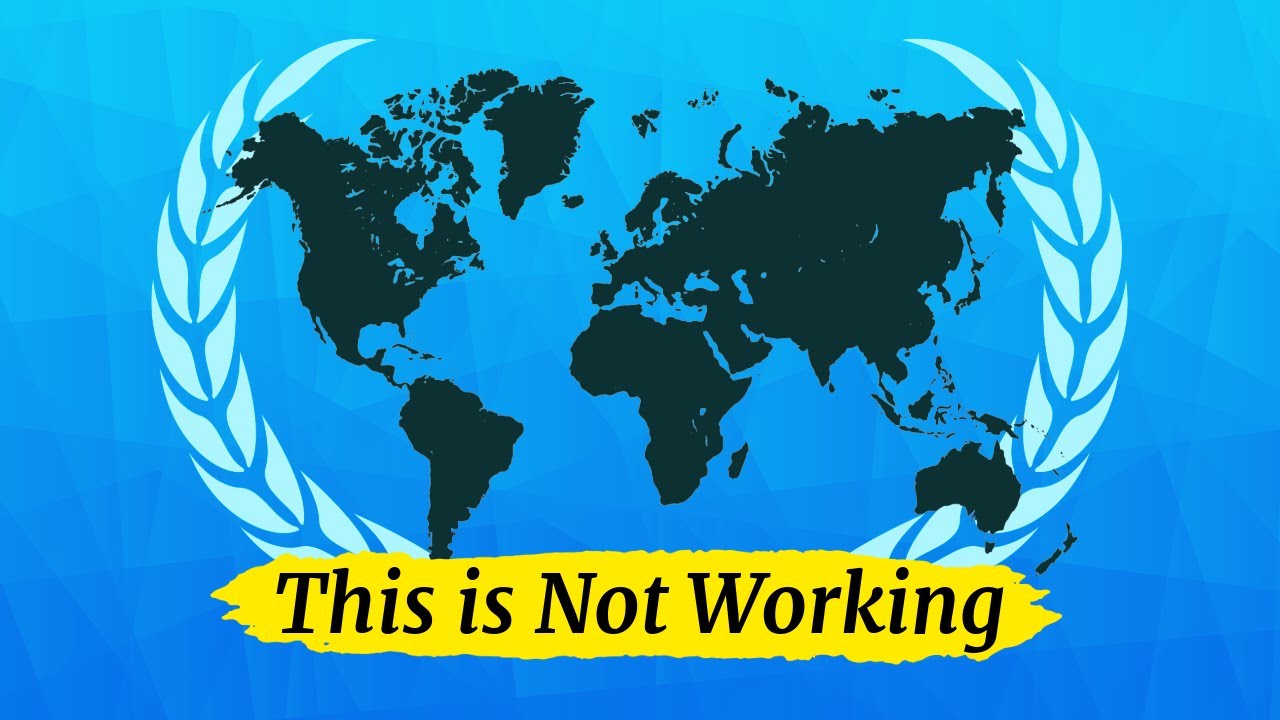
the United Nations was established in 1945 with the noble goals of maintaining International Peace and security promoting social progress fostering International cooperation and upholding human rights while the organization has had notable successes including its role in decolonization Global Health initiatives and humanitarian assistance it has often fallen short of its original Ambitions several structural political and operational issues have led the UN to deviate from its foundational objectives below are the major factors with expanded explanations and examples one of the most significant structural flaws of the UN is the veto power granted to the five permanent members
of the security Council China France Russia the United Kingdom and the United States The veto system was intended to ensure consensus among the major Powers but has frequently resulted in Deadlocks preventing the UN from taking decisive action example Syrian Civil War War since the outbreak of the Syrian conflict in 2011 the security Council has been Paralyzed by vetos particularly from Russia and China Russia has repeatedly blocked resolutions aimed at sanctioning the Assad regime or authorizing stronger international interventions citing sovereignty concerns this paralysis has contributed to the prolongation of the war resulting in hundreds of thousands
of deaths and a massive Refugee crisis bureaucratic inefficiencies and Corruption the un's large bureaucracy has often been criticized for inefficiency waste and Corruption which undermine trust in its operations complex procedures and lack of accountability mechanisms exacerbate these issues such as scandal in Iraq and Sudan the oil for food program established in 1995 aimed to provide humanitarian Aid to Iraqi civilians affected by sanctions however it became one of the un's most infamous scandals in investigations revealed that billions of dollars were siphoned off through bribes and kickbacks involving companies governments and un officials this Scandal severely damaged
the un's reputation for integrity and accountability administrative inefficiencies have plagued un peacekeeping missions resulting in delays and inadequate resources for example peacekeepers in South Sudan have been criticized for failing to protect civilians despite their mandate the un's inability to prevent Mass atrocities has been a glaring failure of its peace and security mandate despite its role in early warning systems and conflict resolution the organization has often failed to act swiftly and decisively like in Rwanda and Serbia the Rwandan Genocide of 1994 in Rwanda the UN peacekeeping Force known as yamir was underfunded and constrained by a
limited mandate that prohibited proactive measures despite warnings from commanders on the ground the International Community failed to act resulting in the genocide of approximately 800 ,000 tootsi and moderate Hutu the shonica massacre of 1995 in Bosnia and Herzegovina the UN declared sren a safe area during the Bosnian War however when Serbian forces overran the town un peacekeepers were unable to prevent the massacre of over 8,000 bosniac men and boys this failure underscored the limitations of un peacekeeping and protecting vulnerable populations the influence of major Powers the un's neutrality has been compromised by the influence of
major Powers particularly during the Cold War and in subsequent decades the organization's actions have often been shaped by the geopolitical interests of its most powerful members as it happened during the Cold War and the US invasion of Iraq Cold War Dynamics during the Cold War the UN often became a Battleground for ideological conflict between the United States and the Soviet Union this rivalry frequently paralyzed the security Council and limited the un's ability to address conflict in a balanced manner invasion of Iraq in 2003 the US decision to invade Iraq without explicit un Security Council authorization
demonstrated the un's inability to constrain unilateral actions by powerful states despite widespread International opposition the UN could do little to prevent The Invasion which significantly undermined its Authority challenges in peacekeeping operations un peacekeeping missions while often well-intentioned have faced significant challenges including underfunding limited mandates and allegations of misconduct by peacekeepers as in Congo and central Africa Democratic Republic of the Congo or DRC the UN mission in the DRC known as manuso was established in 1999 and is one of the longest running peacekeeping operations despite substantial financial and Personnel Investments the mission has struggled to stabilize
the region where armed groups continue to perpetrate violence criticism has been directed at the mission's inability to protect civilians effectively and bring lasting peace allegations of abuse numerous allegations of sexual exploitation and abuse by un peacekeepers have tarnished the organization's reputation reports from Haiti the Central African Republic and other missions reveal a pattern of misconduct undermining trust in the un's ability to uphold its own principles inequality among member states the structure of the UN disproportion ly empowers a few Nations While marginalizing others this inequity often leads to frustration among smaller or less powerful member states
which feel excluded from meaningful decision-making processes many countries in the global South have called for reforms to make the security Council more representative Africa for instance lacks permanent representation despite being a significant focus of un peacekeeping efforts and development Aid this imbalance Fosters resentment and perceptions of bias over time numerous countries have shown significant dissatisfaction with the United Nations frequently criticizing its framework policies or decisions and occasionally suggesting the possibility of withdrawal however despite these complaints no member nation has officially and fully exited the organization highlighting the intricate challenges and repercussions of such an action
one notable historical instance occurred in 1965 when Indonesia declared its withdrawal in opposition to Malaysia's inclusion as a non-permanent member of the UN Security Council this decision mirrored broader Regional tensions including disagreements over Malaysia's formation and concerns about perceived favoritism within the UN framework nonetheless the UN never formally acknowledged the withdrawal and Indonesia rejoined the organization in 1966 following a leadership change under suharto this event is often viewed as a temporary pause rather than a complete separation illustrating the subtle dynamics that typically surround such decisions in more recent times other nations have similarly voiced frustrations
with the UN though their threats to depart have not resulted in actual actions in 2016 Philippine president Rodrigo duterte openly threatened to pull his country from the UN after the organization criticized his administration's harsh anti-drug campaign the campaign characterized by thousands of extrajudicial killings received widespread condemnation from Human Rights organ organizations and international bodies including the UN duterte accused the UN of overreaching its Authority and meddling in domestic matters despite his strong language and threats the Philippines remained a UN member demonstrating the gap between outspoken dissatisfaction and the logistical political and economic hurdles of leaving
such a global body in the United States debates about exiting the UN have periodically emerged often fueled by isolationist or unilateralist itical groups the American sovereignty restoration Act of 2017 for example sought to end us membership in the UN citing concerns that the organization undermined National sovereignty and restricted US policies while the bill received some backing from Fringe groups it did not gain significant support in Congress historically similar proposals have faced considerable opposition due to fears of diplomatic consequences the Deep integration of the US within the UN system and acknowledgement of the un's essental role
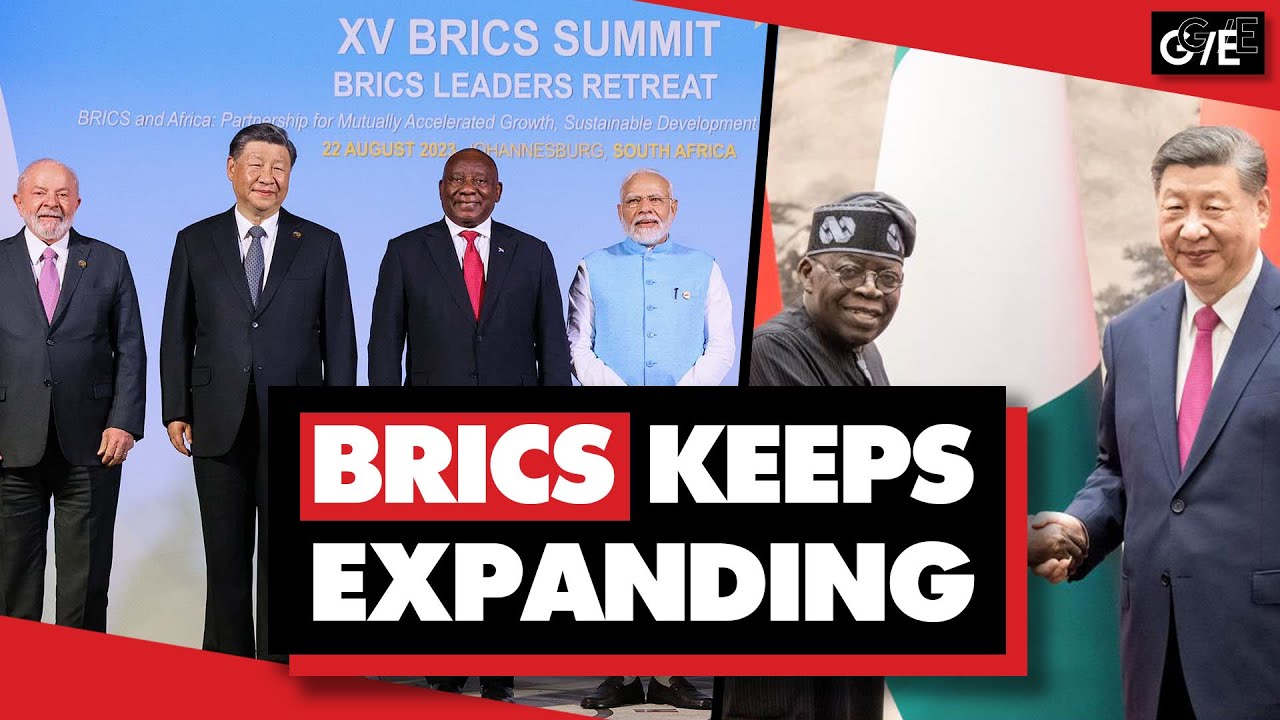
in addressing Global issues like peacekeeping humanitarian crises and climate change the general agreement within the US foreign policy Community remains that engagement with the UN despite its shortcomings serves both National and international interests in this video we examine the increasing efforts by brics Nations and countries from the global South to push for substantial reforms within the United Nations or in some instances to contemplate the possibility of withdrawing from the organization entirely we analyze the motivations behind this movement the obstacles these nations encounter and the potential effects such actions could have on the future of global
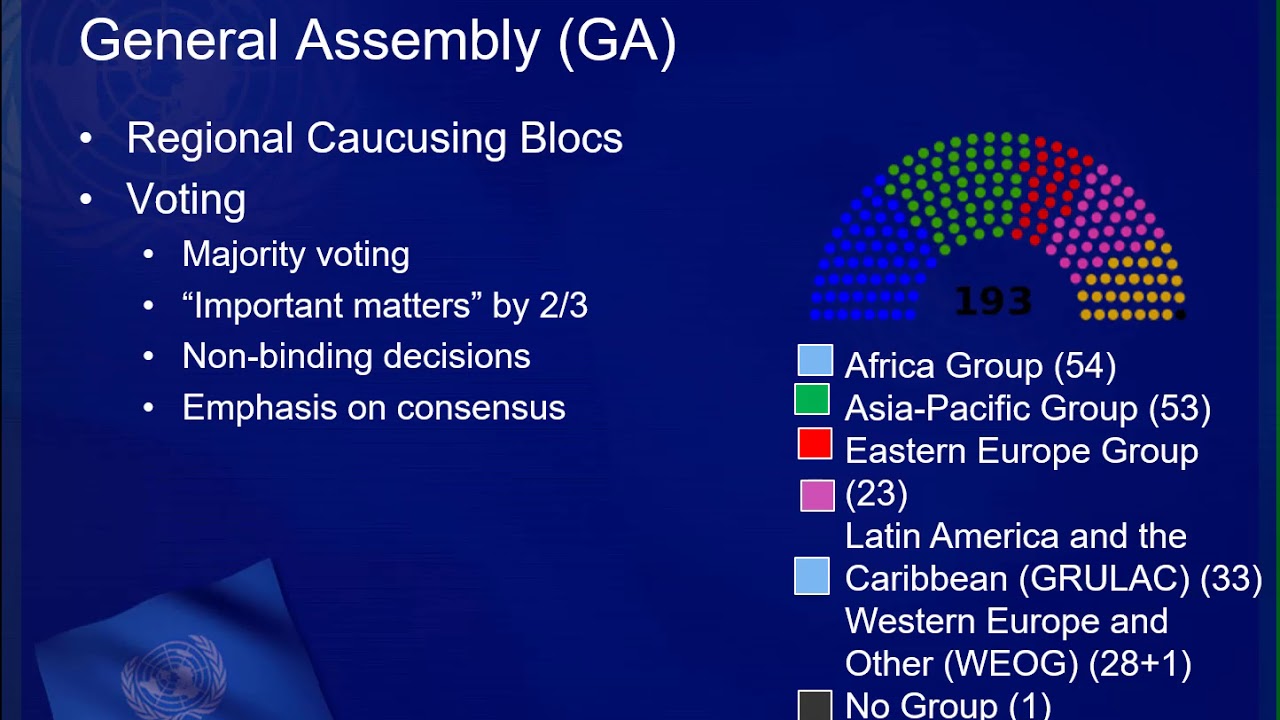
governance countries in the global South particularly those in the bricks group have intensified their demands for extensive un restructuring collectively brics Nations represent over 40% of the world's population and approximately a quarter of global GDP a share that continues to grow however the un's power distribution especially in the security Council remains based on Mid 20th century assumptions the five permanent members holding veto rights the US UK France Russia and China continue to direct much of the council's agenda influencing actions on peacekeeping sanctions and Global Security despite 54 African countries making up nearly 28% of the
un's membership none hold a permanent seat on the council how did the UN form the United Nations was established in 194 5 following World War II aiming to succeed where the League of Nations had failed 51 founding members signed its Charter in San Francisco committing to prevent future conflicts promote human rights and encourage economic and social progress globally Central to its structure was the security Council whose five permanent veto wielding Powers the US UK Soviet Union later Russia France and China mirrored the Allies wartime Victory critics argue that this structure embedded an outdated Power Balance
conflicting with the un's stated principle of sovereign equality meanwhile the general assembly consisting of all members could only pass non-binding resolutions leaving many decisions subject to great power politics from the beginning the UN was limited by Cold War tensions peacekeeping missions were sporadic often blocked or restricted by Security Council vetos specialized agencies like the wh UNESCO and UNICEF address specific Global challenges earning praise for human Arian efforts but also facing accusations of serving the geopolitical or economic agendas of major donors the Cold War from the 1950s to 1989 the mid 20th century saw a rise
in un membership as newly independent African and Asian states joined enhancing the general assembly's Geographic diversity yet the security Council remained fixed in its 1945 structure excluding these newcomers from Key security decisions un peacekeeping mission such as those in the Congo during the 1960s aimed to stabilize conflict areas but were hampered by inadequate mandates and funding major conflicts like Soviet interventions in Eastern Europe or us-backed coups in Latin America highlighted the council's deadlock when the interests of permanent members conflicted meanwhile decolonization turned the UN into a platform for emerging powers to challenge Western dominance however
critics claimed that increased membership only slightly impacted the organization's core me mechanisms with the veto power of the original five permanent members continuing to determine outcomes on crucial issues specialized agencies expanded their influence yet some observers argued that they primarily reinforced Western policy Frameworks by linking development to Liberal economic models let's take a quick pause if you've enjoyed the video so far could we ask a small favor hitting the like button helps us reach a broader audience and sharing your thoughts or feedback in the comments makes an even bigger impact thank you for watching now
let's dive back in with the end of the Cold War many hoped the UN could finally overcome superpower stalemates the 1990s saw a surge in peacekeeping missions in Cambodia Somalia the Balkans reflecting optimism about Collective Security however these missions often ended in chaos in Somalia the Blackhawk Down incident revealed flawed planning and insufficient International coordination in Rwanda in 1994 a weak and underfunded un deployment failed to prevent genocide in Bosnia peacekeepers were unable to stop atrocities like the cenica massacre critics use these failures to highlight structural issues the security council's slow decision-making Divergent member interests
and the lack of strong intervention mandates calls for Council reform grew stronger focusing on adding permanent seats for emerging Regional Powers India Brazil Germany Japan and improving African repres presentation however inertia persisted and veto wielding members opposed any reduction of their influence simultaneously major Powers sometimes bypassed the UN entirely most notably the us-led invasion of Iraq in 2003 casting doubt on the body's ability to restrain unilateral actions despite expanded multi-dimensional peacekeeping mandates covering everything from elections to human rights current missions still operate with tight budgets limited troop commitments and the threat of vetos accusations of
sexual abuse and exploitation by some peacekeepers have further damaged the un's reputation Beyond peacekeeping many observers note a western bias in global governance human rights violations in non-western states often receive extensive un scrutiny while equally serious abuses by Western allies seldom face similar pressure within development circles the UN has implemented ambitious programs like the Millennium development goals and the sustainable development goals these Frameworks have been praised for highlighting shared priorities but criticized as top- down underfunded and lacking sufficient accountability Additionally the un's connections to the IMF and World Bank institutions dominated by Western Powers fuel
claims that global economic policies are driven by neoliberal agendas rather than local needs climate negotiations under the unfccc including the Paris agreement show similar tensions with emerging economies seeking more Equitable burden sharing and and financial support to address historical emissions by industrialized nations analysts from the global South and Bricks often highlight what they perceive as inherent Western bias in international governance media representation and the enforcement of Human Rights standards they argue that criticism and reprimands typically Target States outside the established Western sphere while similar or Worse abuses by Western Nations or their close allies receive
less consistent scrutiny a key aspect of critique is the evident imbalance in human rights monitoring Russia's restrictions on lgbtq plus expression and China's policies against minority groups including ERS and shinjang Tibetans and Mongolian communities face strong condemnation from Western media diplomatic channels and international organizations reports from the UN Human Rights Council Amnesty International and Human Rights Watch document Mass detentions forced labor and severe restrictions on cultural or religious freedoms in contrast these observers note that civil rights issues within Western countries seldom elicit a comparable level of global condemnation systemic racism racial profiling and excessive policing
highlighted by movements like black lives matter in the United States have sparked domestic criticism but not equivalent International sanctions or pressure indigenous populations in the United States Canada and Australia have long suffered from biases economic barriers and cultural erosion as seen in Canada's history of residential schools and the poor living conditions in many Native American areas while such issues are included in official reports the extent of external reaction or coverage is generally much less than that directed at non-western States media coverage plays a significant role in these perceived disparities prominent Western media Outlets consistently highlight
abuses by rival Powers such as Russia or China keeping these stories in the spotlight meanwhile human rights violations in Western Nations receive less attention or are portrayed as systemic but unintentional rather than deliberate this bias in reporting shapes public opinion and influences which issues receive priority at bodies like the UN Human Rights Council or the European Court of Human Rights inequities in Refugee responses these inconsistencies also manifest in Refugee and Asylum processes the difference between the eu's welcoming stance towards Ukrainian refugees and its approach to arrivals from the Middle East or Africa is often highlighted
after Russia's February 2022 invasion of Ukraine the EU activated its rarely used temporary protection directive allowing about 8 million ukrainians to work immediately access education and health care and move freely within member states this was a significant departure from the lengthy complicated processes faced by syrians Afghans somalis and others earlier notably in 2015 many European countries established physical barriers conducted push backs at Sea and entered into controversial agreements such as the EU turkey deal to reduce migrant flows from the Middle East and North Africa as a result numerous refugees ended up in overcrowded facilities in
places like Lesbos or were confined in transit countries like Libya and turkey facing limited Aid and frequent rights violations officially these measures were Justified on security or integration grounds which were largely not applied to ukrainians critics argue that the relatively welcoming approach towards ukrainians highlights ingrained ethnic cultural and religious biases ukrainians being predominantly white Christian and European are more familiar while syrians Afghans or somalis often Muslim non-european in language and influenced by different Traditions face more suspicion Prejudice and bureaucratic hurdles research from organizations like the refugee Council and the European Council on refugees and Exiles
EC highlights discrimination against non-european Asylum Seekers including slower processes lower acceptance rates and limited education or employment opportunities some European officials reject these accusations claiming that the rapid response for ukrainians is due to the directness of Russian aggression geographical proximity and logistical feasibility however opponents respond that no similar urgency was shown for syrians fleeing aleppo's destruction Afghans escaping the Taliban or Somali trapped in prolonged crises studies from the European Parliament indicate that emergency measures granted to ukrainians were not extended during previous humanitarian emergencies revealing a pattern of selectivity from this Viewpoint Europe's dual tier Refugee
system contradicts its proclaimed ideals of equality and Universal human rights while also influencing International perceptions of the West's moral standing by offering more favorable terms to certain groups and imposing restrictions on others the EU signals that cultural or religious similarities can override consistent protection for those fleeing danger with ongoing conflicts climate changes and economic pressures driving migration from the global South the debate over these inconsistencies is likely to escalate urging Europe and the global Community to align declared humanitarian principles with consistent application underrepresentation in decision-making at the IMF quotas determine both financial resources and voting
rights despite some updates the US and EU together hold over half of the votes in the early 2020s Western aligned countries maintained more than 60% of the imf's voting power directing policies loan conditions and planning the us alone holds over 16% effectively giving it veto power over measures requiring an 85% super majority meanwhile China whose GDP exceeded $18 trillion by 2020 remains limited to below 7% significantly mismatched with its actual economic size driving calls for change this entrenched imbalance has prompted brics Nations to advocate for rebalancing at G20 meetings and Bricks conferences pushing for revised
quotas that recognize shifting economic power and amplify developing World viewpoints initiatives like the new development Bank launched by the bricks in 2014 provide alternative financing aligned with the priorities of emerging economies although the NDB and similar entities like the aib diversify Global funding their growth also highlights the slow progress of traditional ifis in incorporating new power centers prospects for reform some Western officials admit that a more Equitable governance model would enhance the imfs and World bank's credibility and Effectiveness however entrenched political barriers and institutional inertia continue to prevent significant changes without genuine reform critics warn
that these institutions may lose relevance in an increasingly multi-polar world as emerging economies continue to grow China remaining a key growth driver and India progressing as a technology and service Hub calls for balanced representation in financial governance are set to persist pressuring the IMF the World Bank and Western Nations alike geopolitical tensions and alliances Global power struggles exacerbate these grievances Russia sidelined by sanctions following its 2022 invasion of Ukraine relies more on the bricks group for both diplomatic and economic collaboration China's positions on Hong Kong shinjang and the South China Sea further deepen Global divisions
underscoring brics's Collective effort to challenge what they view as Western dominance in international oversight climate trade and Equity conflicts also arise over environmental and trade policies brics Nations argue that Western Le climate strategies impose strict emission reductions on countries still developing industrially India for example contends that fair climate action requires financial and technological assistance similarly us and EU agricultural subsidies spark debates as they provide advantages to Western producers and widen Global inequalities to address these long-standing imbalances various proposals have gained momentum expanding the security Council to include permanent seats for Rising powers like India and
Brazil would reflect current geopolitical realities strengthening Regional blocks such as oan the African Union or marosi could distribute influence more evenly additionally new coalitions like brick plus potentially including Nations like Saudi Arabia and Egypt suggest a shift towards increased non-western influence as brics broadens its influence demands for systemic reform become louder if Western Nations resist major changes brics and its allies May develop parallel Frameworks to counter the Western Le order although internal disagreements exist among brics members the future shape of global government governance may depend on their ability to unite behind a coherent practical vision
for a fairer more inclusive International System the United Nations founded after World War II was intended to promote peace security and cooperation in a world ravaged by conflict and Colonial exploitation while it has achieved some successes its structure and decision-making processes are increasingly seen as outdated and unsuitable for tackling the complexities of the 21st century a primary criticism is the un's hierarchical structure especially within the security Council where five permanent members the P5 the United States Russia China France and the United Kingdom hold veto power this framework reflects a post-war power Arrangement that favors a
select group of Nations while marginalizing the voices of the global South which includes many emerging economies and countries with significant interests in global matters this imbalance has resulted in unequal representation and undermines the un's legitimacy as a truly Global institution modern challenges such as climate change cyber threats pandemics and economic inequality require a multilateral approach that emphasizes inclusivity and adaptability however the UN often struggles to act decisively due to its entrenched bureaucracy and the disproportionate influence of a few powerful states the increasing dissatisfaction among Global South countries including the brics Nations highlights the urgent need
for reform these countries advocate for a more representative system that mirrors today's multi-polar world and ensures their voices are included in shaping Global policies a thorough reform of the UN could address these issues and improve its ability to handle contemporary challenges this would involve restructuring key bodies like the security Council to increase permanent membership and reduce veto power empowering the general assembly to take a more significant role and ensuring Fair funding mechanisms that do not disproportionately burden developing nations enhancing the participation of underrepresented regions would not only strengthen the un's credibility but also promote greater
cooperation in addressing shared Global issues without meaningful reform the risk of disillusionment and disengagement from the UN remains High especially among nations that feel excluded to stay relevant the UN must transform from a remnant of post-war and Colonial hierarchies into a dynamic institution that embodies the principles of equality Justice and Collective action in The Modern Age only by ad op in these changes can it achieve its founding vision and continue to function as a Cornerstone of International Peace and progress that's all for this video thank you for watching this video we sincerely appreciate you joining
us today if our content resonated with you or sparked inspiration please consider expressing your support by liking it and subscribing to stay connected with our community your support holds immense value for us you can watch another video of our Channel which is now on the screen