most of us spend years in school learning various subjects but when it comes to managing money schools often leave us unprepared it's a tough reality life throws complex Financial challenges our way yet we're rarely taught how to navigate them Building Wealth avoiding debt and making smart money choices are essential skills that everyone should Master unfortunately these crucial lessons are usually left out of traditional education don't worry though here are the key money secrets you need to know that schools won't teach you number one the power of compound interest one of the most powerful Financial Concepts
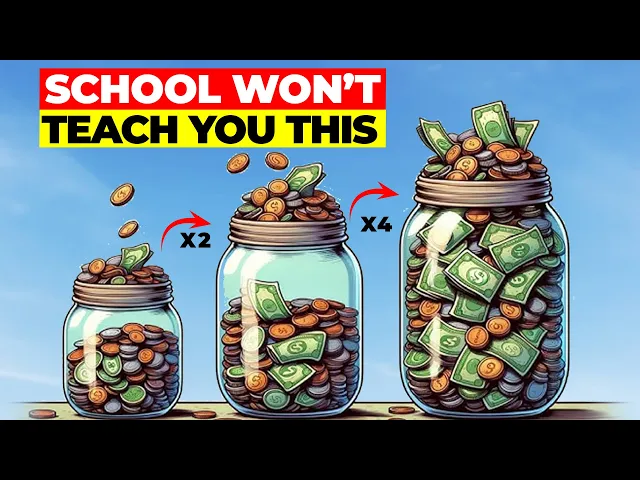
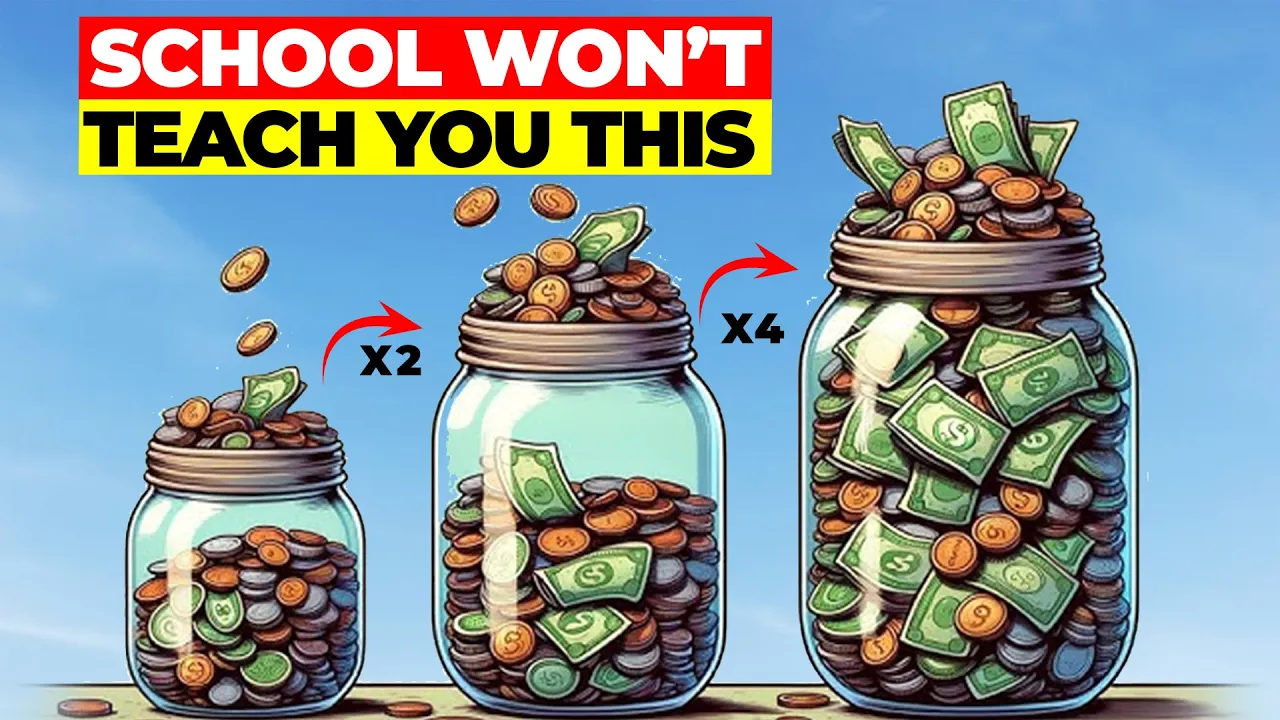
that's often missing from school curricula is compound interest this principle allows your money to grow exponentially over time compound interest works by earning interest not only on the initial amount of money but also on the interest that accumulates over time the longer your money stays invested the more it grows creating a snowball effect that accelerates wealth building for example if you invest $1,000 with an annual interest rate of 5% you'll earn $50 in the first year in the second year you'll earn interest on both your original $11,000 and the $50 of Interest which means you'll
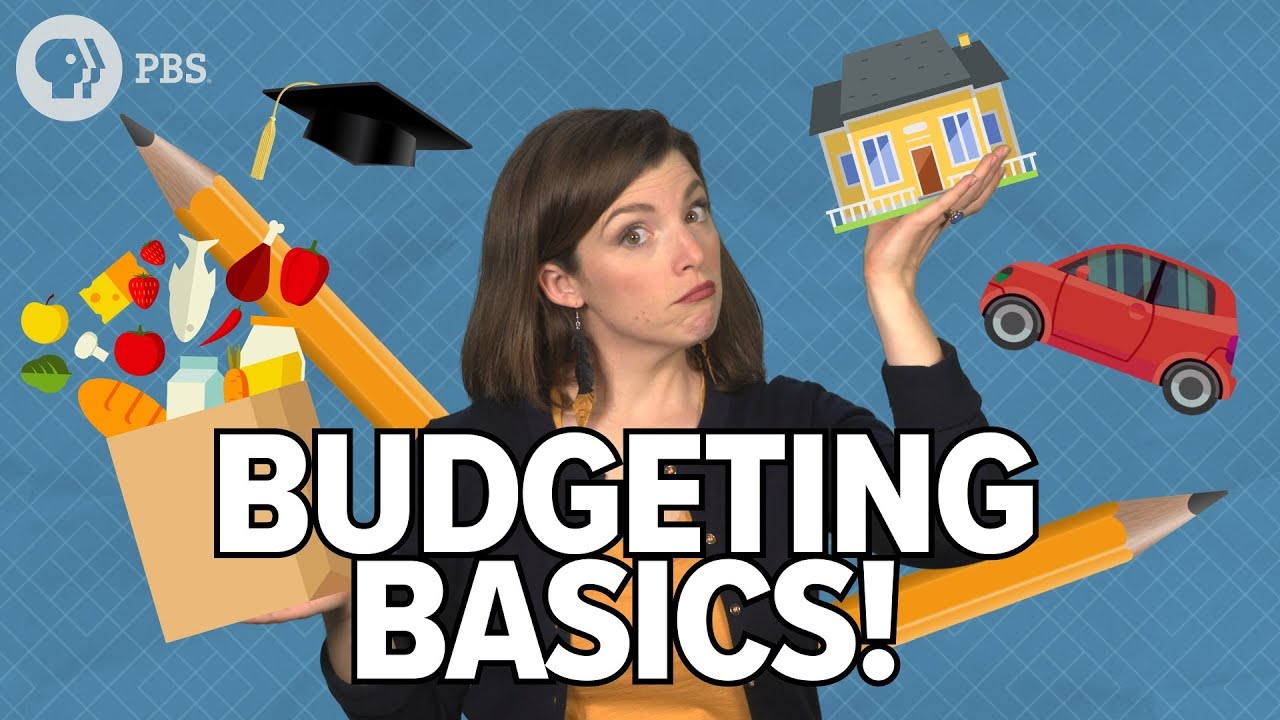
earn more than $50 this process continues and the longer you leave the money to grow the larger the returns to benefit from this it's important to start saving or investing as early as possible even small regular contributions to a savings or investment account will add up significantly over time thanks to compound interest number two budgeting is key to to financial success budgeting isn't something most schools teach in detail but it's a vital tool for managing money effectively a budget helps you plan where your money will go allowing you to control your spending and save for
future goals without a budget many people find themselves overspending or living paycheck to paycheck even if they have a decent income a budget allows you to allocate funds for Necessities like rent or groceries while also leaving room for savings and discretionary spending by tracking your income and expenses you can make sure you're not spending more than you earn and that you're prioritizing Financial Security to start budgeting first track your income and expenses for a month to understand where your money is going then create a plan that ensures your essential needs are covered your savings goals
are met and you still have some room for leisure activities number three the importance of emergency funds life is full of unexpected events and without an emergency fund one surprise expense can throw your entire financial plan off track whether it's a medical emergency an unexpected car repair or losing your job having an emergency fund can prevent you from going into debt during tough times most Financial experts recommend having at least 3 to 6 months worth of living expenses saved in an emergency fund while it might seem overwhelming to build such a large safety net start
by Saving small amounts consistently over time your emergency fund will grow providing you with Financial Security when life throws you a curveball an emergency fund also gives you peace of mind when you know you have money set aside for emergencies it reduces stress and gives you the confidence to handle unexpected challenges without derailing your financial goals number four credit cards are tools not free money one of the biggest traps people fall into is treating credit cards like free money it's easy to swipe your card without thinking about how you'll pay it back but credit cards
come with high interest rates that can make even small purchases expensive if you carry a balance unfortunately many people aren't taught how to use credit responsibly and they end up accumulating large amounts of debt credit cards can be valuable tools for building credit and earning rewards but they should always be used with caution only spend what you can afford to pay off in full each month and avoid carrying a balance that acrs highin charges this approach allows you to build your credit history without falling into the Trap of long-term debt number five the difference between
good and bad debt not all debt is bad but many people don't learn the difference between good and bad debt until they've already made Financial mistakes good debt is typically used to invest in things that will grow in value over time like buying a home or getting an education that increases your earning potential for instance a mortgage can be considered good debt because real estate usually appreciates in value and you're building Equity as you pay it off on the other hand bad debt is often used to buy things that lose value over time or don't
provide long-term benefits such as credit card debt for non-essential items it or expensive personal loans bad debt often comes with high interest rates making it harder to repay and leaving you in a worse financial position over time to avoid bad debt focus on borrowing for things that will increase in value or improve your financial standing like education real estate or starting a business steer clear of highin debt that finances unnecessary purchases number six investing isn't just for the wealthy there's a common misconception that investing is only for the rich in reality anyone can start investing
and the earlier you start the better the stock market real estate and other Investments offer opportunities for long-term growth that can help you build wealth over time you don't need a lot of money to start investing there are plenty of investment options like index funds and exchange traded funds ETFs that allow you to invest with just a small amount of money the key is to start as early as possible so that your money has time to grow number seven avoiding lifestyle inflation lifestyle inflation happens when your spending increases as your income increases this can make
it difficult to build wealth because even though you're earning more you're also spending more as a result you may find yourself still living paycheck to paycheck even though you have a higher income than before to avoid lifestyle inflation try to keep your spending consistent even when your income grows use any raises or bonuses as an opport opportunity to save or invest more rather than upgrading your lifestyle with unnecessary expenses by keeping your lifestyle modest you can build wealth more efficiently number eight taxes can work in your favor most people see taxes as a burden but
with the right strategies you can use them to your advantage schools rarely teach students about tax deductions credits and ways to reduce your taxable income which can significantly impact how much money you keep each year for example contributing to tax advantage retirement accounts like a 401k or IRA not only helps you save for the future but also reduces your taxable income understanding how taxes work and using available strategies to lower your tax burden can lead to substantial savings over time the more you learn about taxes and tax saving strategies the more you can keep in
your pocket each year consider learning about deductions credits and retirement contributions to reduce the amount you owe in taxes number nine the power of multiple income streams relying on a single source of income can be risky especially if you lose your job or face unexpected expenses having multiple streams of income can provide Financial Security and help you build wealth more quickly whether it's through a side hustle freelance work rental income or Investments diversifying your income sources allows you to stay financially stable even when one source dries up to create multiple income streams start by exploring
ways to generate additional money outside of your main job this might include taking on freelance projects starting a small business or investing in real estate number 10 long-term financial planning most people focus on short-term financial goals like paying off debt or saving for a vacation but long-term financial planning is equally important whether it's saving for retirement buying a home or preparing for large Life Changes having a plan in place can help you stay on track and reach your goals more easily long-term financial planning isn't just about about saving it's about investing Building Wealth and making
sure you have the resources you need for the future start by setting long-term financial goals and break them down into smaller manageable steps that you can work toward each year personal finance is one of the most critical areas of life yet it's rarely given the attention it deserves in schools the money Secrets shared here such as the power of compound interest the importance of budgeting and the value of long-term financial planning are essential for anyone who wants to build wealth and Achieve Financial Security by understanding and applying these principles you can take control of your
financial future and make smarter decisions that will benefit you for years to come