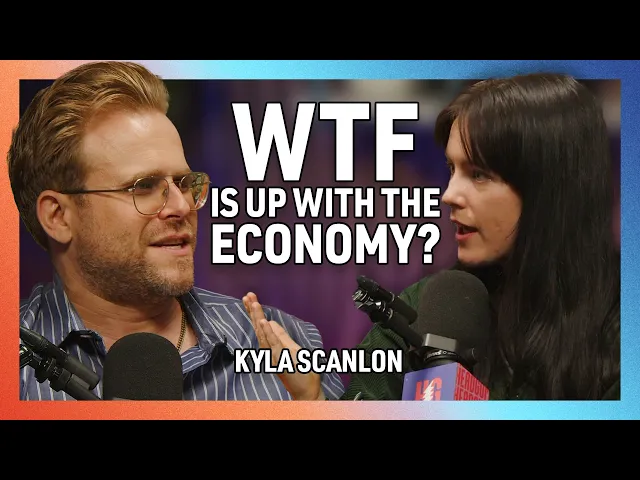
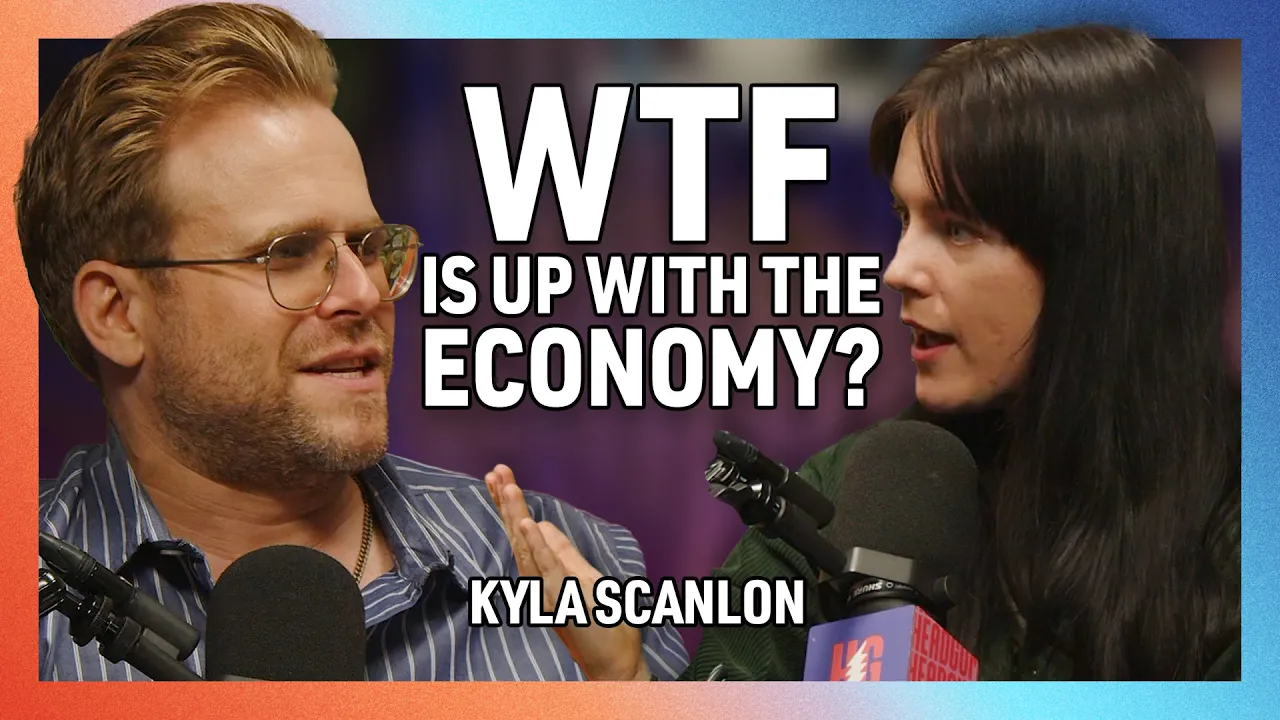
Hello and welcome to factually I'm Adam Conover thanks for joining me on the show again you know if you ask most Americans what the most important issue is to them this election season they will tell you it's the economy but you know when it comes to the economy it can often be hard to know what we're even talking about much less to assess whether it's doing well or poorly you know there's a lot of factors out there Objective numbers that tell us the economy is doing pretty good unemployment is low the stock market is doing
great and inflation is way down from its pandemic highs The Economist just released a cover story about how America's economy is the Envy of the world believe it or not but when you ask actual Americans how they feel about the economy more than half in a recent poll said that they were better off four years ago so is this disconnect a Reflection of politics is it something caused by the media or is it something else does it really reflect economic reality that is not captured by those numbers on top of that the concepts and technical
details that actually guide and structure the economy are just fundamentally [ __ ] confusing like what is inflation and who is to blame for it how exactly does the Federal Reserve work and what in the ever loving Christ is the deal with interest rates I Have tried to understand these things and I am just barely starting to understand them despite the fact that my entire deal is is getting a rudimentary understanding of a complex issue so I can explain it to you with jokes that is what I do and even I struggle with economics so
as we get closer to election day we are going to devote this episode to trying to figure out what is actually happening with the economy is it good or bad how is it different from The economy of five years ago and actually you know what what the [ __ ] is economics to even begin with those are the questions we are going to answer we have an incredible guest to help us do so but before before we get into it I just want to remind you that if you want to support this show you can
of course do so on patreon head to patreon.com adamc Conover 5 bucks a month gets you every episode of the show ad free we have an online community would' love you To join as well and if you like standup comedy oh my God I hope you come see me on the road coming up soon I'm headed to Portland Oregon Seattle Washington Denver Colorado a lot of other fine cities as well head to adamc con.net for tickets and tour dates and of course please watch my new standup special unmedicated out now on Dropout and now let's
get to this week's guest I am so thrilled to have her on the show because she does an incredible job of explaining How the economy Works in her newsletter on social media she's an absolutely incredible Communicator her name is Kyla scanland she's an author a Tik tocker and an economic communicator and her most recent book is called in this economy how money and markets really work please welcome the amazing Kyla scandy month Kyla thank you so much for being on the show oh thanks for having me I'm thrilled to have you I love your Economic
analysis on social media it is like always brings me something insightful every time I watch one of your Tik toks or read your newsletter um you help me make sense of the economy and I feel like economics is something that we're surrounded by and yet something that almost nobody understands I myself have listened to hundreds of hours of podcasts trying to explain the economy and I still feel like I have a very rudimentary understanding of it uh But it's the most people say it's the most important issue to them right now in the election uh
season and yet no one can really agree on whether the economy is good or bad people feel that it's bad all the numbers or many of the numbers are good so I guess where should we start is the economy good or bad I don't well so this is like what I've spent the past couple years working on um because there is a disconnect between how people feel so consumer Sentiment and the economic data so like GDP the labor Market inflation um and sort of the conclusion that I've come to is that the econom the econom
the economy is quite personal right and so everybody has their own inflation rate everybody has their own experience with the labor market everybody has their own experience with economic growth and so the economy can be good on average and that's how we tend to talk about it but it can still be bad for people right Like because it's so personal and I think there's also this um component of structural affordability where housing is in a total state of disarray it's basically impossible to afford a home Elder Care is through the roof Child Care is through
the roof and that's going to impact how people feel about their economic circumstances even though that's not reflected in like broad economic data yeah we've talked about on the show before how some things in America have gotten very cheap flat screen televisions are cheap technology of almost all kinds is cheap um food is cheap as a share of uh household income I believe in America uh but other things uh housing medical higher education Elder Care stuff that is like really really essential has gotten enormously expensive and then when you combine that with like interest rates
going up I imagine like people who are trying to move from one home to another are Suddenly going oh I can't afford the home that I current if I tried to move into the home I currently live in I wouldn't be able to afford it yeah totally those are people who are trapped by golden handcuffs what it's called so they got in at that 2% mortgage like probably during the pandemic and then the FED started raising rates in order to battle inflation and then all a sudden it's like I can't move out of this house
yeah and so that's the double Problem with housing is like people are trapped in they can't move but then also people can't move in so people like me wantana house can't do that right right because not only have home prices gone up so much but mortgage rates are quite High the FED is starting to cut rates so we'll see a little bit of relief so it's like musical chairs where nobody is standing wait people don't stand up in musical chairs the metaphor is breaking down um like there people aren't moving From one home to another
and so therefore there are not vacancies for other people to move into so then inventory is even lower and so prices are even higher and right something like that we're not building we don't build enough homes like that's a massive massive massive massive issue and there's a lot of policy being passed to help accomplish that but it's very expensive to build homes like labor is expensive home supplies are expensive um Zoning a whole nightmare within itself like in California specifically nightmare to build a house and so that's also part of the problem is that the
vacancies are not um coming out to Market as quickly as one would hope especially because buyers are like I don't know what to do about this and then there's also just not supply in general like New home builds yeah and we just did a a whole episode with a really wonderful housing Raider named Jerusalem Desmas that people can check out yes she amazing she was amazing really we covered this in really great detail so I don't want to spend too much oning specifically but it's a good example uh you coined the term Vibe session to
describe and you're asked about this on every podcast I'm sure everyone want everyone's like I got to know about Vibe session it's in the dictionary is it in the dictionary wait is it in Mariam Webster it's in Dictionary.com oh that's okay all right that's easy oh it's an urban dictionary sure it's in the slang opedia call me when Mar I Know Your Meme okay okay that's legit it's I know you're mean so so this is uh this describes how people feel that the economy is bad even though it might actually be good tell me more
about that yeah so Derek Thompson has another similar idea whereas everything or everything is bad but I'm fine essentially um it's like that dog that's Sitting in the burning house he's like I'm okay but the meme familiar yes and so it's like that essentially um wait that dog hold on I don't know if I agree with this metaphor cuz that dog is like about to die he's like he's like this is fine right everything's fine and like but he's in a burning house he's about to die he's not like I'm doing okay when everything else
is burning down around me he's ignoring that he's about to die yes um that's how I read that Meme That's true the vibe session is more like people are like I'm doing okay like I'm making a living but oh the economy is terrible but I'm doing okay but the economy is really bad yeah no thank you for the correction on my misunderstanding of the meme no you could be this no but getting back yes so Vibe session is is this disconnect between consumer sentiment and economic data that we were talking about earlier and it is
this Idea that people are feeling bad about the economy despite the economic data saying that things are relatively okay and what Derrik Thompson is pointing out is that people there's like surveys that chart this like 73% of Americans feel totally fine about their own financial situation but only I think like 18% feel good about the economy at large and so that disconnect is concerning because it becomes possible to develop policy around that if like three quarters of The country is like I feel okay they're not going to want any sort of policy to be passed
I would change the personal circumstances and so that's kind of the tough situation of the Vib session is that um it becomes very difficult to number one talk about the economy uh because people are like it's really bad no matter what you say and then number two to develop any policy that would change the economy so I mean what is responsible for that disconnect I could Theorize about it but do you have any specific reason that that people would if people say I'm doing fine the numbers generally are pretty good we have like relatively low
unemployment yada yada yada interest rates are like one thing that are abnormally high but you know other numbers are okay so why do people have the impression that the economy is bad yes so I will say like with interest rates being so high the fact that the labor market is still as stable as it is We're starting to see some deterioration but the fact that it's so stable is like quite surprising so we really do have a resilient economy um and and the reason that there's this disconnect is for two main reasons number one structural
affordability what we were talking about earlier housing Elder Care Child Care there's like these forces that are impacting people and then the second one but let me just ask if people were having those structural issues I would Think they would say I'm not doing okay if they're like hey housing is is unaffordable and I can't pay for my mom's elder care then they would say I'm not doing well but if they're saying I'm doing doing well economically I would think that they would have been okay with the structural forces so there's a couple of things
with the Bob session number one is like a lot of people will say that they're doing okay on these surveys but then consumer sentiment has Been quite low and so that's kind of the weird thing that a lot of Scholars have spent a lot of time trying to figure out is like people are reporting that their personal financial situation is okay but when you ask them sentiment wise how they're feeling they normally say quite negative ah so it's like they're not literally starving or struggling but they but they feel bad about their situation like they're
maybe not thriving or Something well and that's the thing with the US is that we have a lot of wealth but not a lot of prosperity and so all of that is being captured in this like weird data Zone that's going on and it's it is confusing um so what's the difference between wealth and prosperity so wealth would be like the US is an incredibly rich country like we have a ton of money we have a ton of billionaires um we have a ton of very nice cars that drive around but the Average American it's
like very tough to afford health care you have student loan debt you have the Elder Care Child Care housing situation that we were talking about earlier and so a prosperous country ideally a citizen would be able to have all of those things um and considering how wealthy the United States is that's kind of the concern the somebody Brian pornoy over at shaping wealth calls it the Paradox of prosperity kind of like what the heck Why why don't we have all these things this is like what Bernie Sanders is yelling about is like we have a
million the billionaires but like the average person could not afford do right yeah got it okay um so I cut you off like two or three times please go back to one of your many earlier points that I can't wait to hear well no no it's all good yeah because it is like a kind of a how do you say like a windy conversation um but yeah so the other point to this like Okay so people are like my personal financial situation good but I'm feeling worried and bad and scared um the other part of
that is Media which I don't think comes as a surprise to you uh media sentiment has trended negative over time this is captured in a lot of research the headlines are negative the stories are negative there's a lot of distrust um the spring Harvard youth 2024 poll um has you know the kids don't trust in institutions at all yeah Especially the media especially Wall Street the president the government in general and so all of that is captured and sort of the decline and media sentiment we just don't trust and and that's part of the reason
for the Vib session as well oh because we don't trust the media that's why I I thought you were going to say is that the media is saying that the economy is worse than it is which I thought would be kind of like a superficial explanation for the Vibe session oh the media is just pumping up the idea that things are bad when in fact they're they're okay but is what is it no no no yeah I mean you're right like the media has sort of had misleading headlines like Bloomberg you know good reporting in
general but Bloomberg had this piece back in October 2022 that had a headline that said 100% chance of recession by year end we did not have a recession in 2022 and if you see that headline you're going to freak The heck out right yeah no I remember like you know I you know my extra money that I make every year normally I put that in like a Vanguard retirement account and like I remember that year I was like I'm G to hold back on that a little bit because it sounds like there's going to be
a recession or something you know what I mean I like kept it in whatever and and then like a year later I was like a that was stupid I I should have the stock market did Fine and what decisions based and I do remember that for a like there's to be recession's to recession things are to get really bad hunker down you know don't don't like take risks or whatever um and that was my own personal small response it was not a big deal but other people you know probably took larger actions that were maybe
not great and at the very least that would really affect sentiment as people are saying for a year exactly Yeah yeah and and a lot of media headlines will still say that Bloomberg still publishes a couple stories saying that like a recession is coming recession is coming it's like a you know the town Cryer just being like recession and that impacts how people feel obviously like if you're reading something and and the average person has been so disserved by economics education and financial literacy that when they see a headline about a recession they're Going to
internalize that and be like oh my gosh this is a very bad thing I don't know what to do in general so I'm not going to do anything like what happened to you like if you had invested in the stock market you'd probably have a couple more thousand dollars because the stock market has just skyrocketed that doesn't always happen but um that's a big part for the vi session is like media will report very negative things and because media has been so Extraordinarily negative people just don't trust in it like they used to for a
variety of reasons it's interesting because I I feel like part of the reason the media is negative I me part of it's ideological right like we have you know political IDE ideological media that like you know when when their party is out of power they want to pain and everything is going bad um and but setting that aside just like the media in general appeals to what people Already think you know like I know as a broadcaster you can tell people what's going on a little bit but you also need to cater to what do
people already what are they interested in how do they already feel you know so um and people have a general cynicism about the economy in this if you just say to people like things are bad out there I think oh it's horrible yeah things are really bad it's just that's the vi I mean like you know liberals have been Saying the world's going to end since 2016 right um it's just like I've noticed all my friends go you know you ask them about their future plans they're like G are we even going to be alive
then you know like this apocalyptic sort of cynicism which um which I'm like I always try to push back against I'm like the world is going to go on whether or not bad things happen you you're going to be alive most likely in a little bit you should plan ahead But people have this you know belief that everything is going down the tubes that sort of based on on nothing right it's just that's their default and so the media ends up appealing to it sure absolutely it's a business model you're driven by clicks yeah and
so you're going to you know create what people click on which is negative news and our brains are animals like you know we're little animals at the end of the day and so we're going to be driven towards Negativity because that's what we respond to at an animal level and so I think that's like part of it as well and I I think to the point of like the overwhelming pessimism yeah I think it's almost arrogant to say that the world is going to end I I think we have a lot of variables that could
make it so like World War whatever ends up happening but it it's we've lived this long and to think that we would be the people who Are powerful enough to destroy it like come on well and even if there is a World War which could happen be horrible the world will go on if you look at the I mean look at the history of the 20th century is it's people surviving World Wars and then going now what do we do you're still going to be unless you're one of the people who dies which it could
be you but it likely won't cuz there's a lot of people out there you're going to be like you know climate change Isn't going to be the end of the world it's you going to be going [ __ ] all my stuff is wet I need to move you know it's like you're GNA you're going to be alive for it and you're going to need to like deal with that um and that's just a strange it's so passive not to like beat up on I get it I really do like it's it's scary and like
I think that AI is scary like comate change is scary like the hurricanes are devastating and like it's really scary and so but I think a Passive answer answer to the scariness is to be like ah the world's ending rather than being like well how do we make the world better how do we get out of this sort of situation yeah because you always have the I learned this from uh a really wonderful I'd call him a climate philosopher named Dale Jameson who I had on the show and on Adam rins everything years ago who
wrote a wonderful book um I'm blanking on the name of the book but um about like what To do with the knowledge that you know climate change and he wrote this like eight years ago but you know that that we missed so many goals right in terms of reducing climate change and and what do you do and basically his conclusion is uh look you always always have the opportunity to do something today to make a better tomorrow like you live in a world there is a today there will be a tomorrow you can always do
something and it's sort of incumbent upon you to do it Like every day otherwise you're just giving up right um there it's never too late you can always get started um which is a very annoying message to spread I feel like because it asks a lot people it does and then you have to be careful that you're not like getting up on a soap box and being like hey everybody get out there and change the world like nobody really wants to hear that but like sometimes you do need to hear it and I think that's
kind of the point That we're at with climate with the economy with politics whatever like clearly like something's brewing and we just need more people who are willing to take a stand versus passively accept a ending World folks today's episode is brought to you by Alma you know a lot of people don't give themselves enough credit CR for handling everything that life throws at them there's anxiety family Dynamics relationship stuff sometimes it just feels like living your Life is a full-time job and that's before whatever is actually stressing you out at your real job that
is exactly why therapy can be such a powerful tool it's a chance to hit pause take a breath and get the assistance of a professional to sort through everything personally therapy has been an enormous help in my life and if you are considering getting some expert licensed support I cannot recommend Alma enough helps connect you with not just any therapist but your Therapist their directory of professional therapists let you search for exactly what matters to you whether that's a shared background specific areas of expertise or preferences like gender sexuality or faith and Alma makes it
a breeze to find someone who takes your insurance over 95% of their therapists accept major providers like Etna Sigma United Healthcare and more and getting started couldn't be easier you can browse their directory without Needing to create an account or share any payment info and when you find someone who seems like a great fit you can book a free 15minute consultation call to see if you really click Alma can help you find the right therapist for you not just anyone so visit hello alma.com factually to get started and schedule a free consultation today that's hello
ma.com factually hey everybody listen up the 2024 election isn't just another Political event it is a turning point for our country's future there's a plan out there called project 2025 aiming to drastically reshape our government and potentially limit personal freedoms that we hold dear policies affecting your privacy freedom of expression and personal rights could be at risk and that is why it is vital to vote like your rights depend on it because they do the freedom from religion Foundation is a free thought Association dedicated to Protecting the separation of church and state and ensuring that
our government respects the personal freedoms of all citizens so visit ffrf.org SL vote to learn more about project 2025 to register to vote and to discover how you can take a stand don't let others decide your future your vote is your power so use it to protect your rights paid for by the freedom from religion Foundation a comparison that just leap to my mind is with crime you know that There's a perception that crime is on the rise and there are bad crime statistics since the pandemic right there there was a rise of certain crimes
in certain areas you know you could break it down by state or Etc uh or or by Nation by the nation if you want um but you know the vibe of crime being on the rise has like really far outstripped the actual numbers and what I often think about is I feel like there are signals that people get from the world Around them that make them feel like crime is high that are not related to Crime itself like here in Los Angeles homelessness is a massive problem and when people say crime is crazy I don't
want to ride the Subway because of crime well I ride the subway all the time I don't see a lot of crime on the subway I see a lot of homelessness on the subway and that feeling of society breaking down there are people who are sleeping in this public space that gives you a Bad feeling that I think translate to people as crime right they feel less safe and so they feel like crime is around me and I can look at that say look homelessness is an economic issue it's not a crime issue but at
that point I'm arguing against the person's feelings right so I'm sort of looking I can look at it and go it was caused by something else it's not really related to crime but it is a real thing and I wonder if economically if there's Something similar going on where people are seeing bad stuff and they're saying the economy is bad even though it's not actually bad in the way that they are taking away does that make sense yeah yeah I mean a lot of it's media headlines right like like they're absorbing news of people not
being able to afford homes you know news on immigration news on people maybe not being able to get jobs um but then when they go and talk to their communities is Usually usually is a different story of course it doesn't apply to everybody and but I mean I think there's a lot of confounding variables where you can conflate a rising crime with a a rising homelessness which are to you know very very different issues so yeah I would say that's definitely a big part of it let's talk about inflation which has been something that has
obviously been in the news a ton and that people have individually felt that there's been like Some of the products most subject to inflation have been the ones that people you know buy the most right the things that people actually take off the shelf um what was the cause of the inflation that we saw and how did that affect the Vibes yes yeah that is the the question of the century I think no it's it's quite interesting it's it's really quite interesting because that's an important question and the fact that we're like H what was
it because some people will be Like oh it's the company's raising prices like Dr Isabella Weber has led sort of the charge on that calling it sellers inflation like a lot of price gouging by companies um I'm in the camp that it's supply chain breakdown so a lot of the inflation that we saw especially in like 2021 and 2022 too was simply because the pandemic made it so nobody could go to work or you a lot of people couldn't go to work the boats couldn't move like things could be Shipped around the country and that
becomes highly inflationary um and then you know energy is another big issue that was highly inflationary housing is another big issue highly inflationary a mismatch between supply and demand and so there's a lot of different sources of inflation um and I think the supply and demand breakdown was was the beginning of it and it kind of compounded then like that we got a CPI print which is Consumer Price Index last week um and And the primary driver of inflation was motor vehicle insurance and so insurance has really increased for automobiles because there's been a lot
more accidents but also the cars are are fancier and so it just costs more to Ure and to fix them wow wait so literally the price of insurance has gone up a because cars have got more expensive so your premiums higher because the Li ability for the insurance company might be higher okay that makes sense um that Itself is a weird indicator because cars have gotten more expensive I read recently partially because loans were so cheap for a while so people were able to buy more expensive cars except now loans are expensive because interest rates
have gone up yeah so there's all these weird lagging things where well that's like kind of the issue with the way that we measure inflation especially with housing is that there there's lag like with housing specifically there's about A one-ear lag for the way that we measure it um and so like inflation numbers that we get don't always reflect the inflationary reality but inflation has been going down which means that things are not going up in price as fast we're experiencing a lot of disinflation what it's called is what it's called but when people hear
that inflation is going down they think it's deflation they think it means that prices are going down and that's not what that means the Rate of inflation is going down yeah not the level so it's like it's going up it's only going up by 2% not 10% or whatever the actual numers and then the fed's goal is 2% and so we're getting closer and closer to that number got it wait so I have to go back for a second why are there more car accidents than there used to be um so there's a lot of
questions on this too and and part of it is like the pandemic kind of boggled everybody's brain up and so we don't Really know how to how to drive maybe how we used to um okay yeah and then also the vehicles have gotten very big like some of these trucks you know just massive yeah and you can't see out of them and they just sort of pulverize anything that they touch yeah it got me the other week yeah oh yeah one got you I know I saw you chipped a tooth on Tik Tok and then
by the next Tik Tok it was fixed again yeah new chin thank goodness for dentist yes Yeah uh absolutely um I I have my teeth are ground down from years of Aderall use um and I cannot get that fixed grind I did you I I do grind I wear a night guard now yes yeah that's good you talk about this extensively my standup special unmedicated out now on Dropout um sorry what were you going to say no no you was I'm not going to that got to do my got to do my little always promo
always promo yes um so how much of inflation and all Of the other uh economic pressures that we've had over the past couple years how much of them were just caused by the pandemic like because to me it looks like when people blame Biden or even blame Trump I'm like but the pandemic seems to be the large disruptive event that changed everything and then a lot of it it's just been the boa constrictor swallowing the the posum or whatever like it's taken a while for all of the effects of it to like move through the
Economy that's my general sense a great metaphor um yeah no but so this is a great question because like before the pandemic happened the Federal Reserve had a hard time getting inflation to 2% which is their goal we actually had inflation that was running a little bit too low and the goal of 2% is kind of arbitrary it's just basically like that's what they want the economy to be running at if inflation is kind of around there means the econom is growing Things are going okay um and and so that was their goal and they
were having a hard time getting inflation if it's zero the economy is not growing which is bad yeah yeah basically essentially very reductive but um yeah so that's kind of the idea and so once the pandemic happened though inflation went through the roof and so the FED had to raise rates in order to battle inflation make it more expensive for everybody be alive so they stopped spending money so the Economy slows down so ultimately inflation slows down right um and so inflation really did become a problem of the pandemic supply chain the uh supply chain
breakdown was like 70% of the inflation that we saw um and then other people are trying to figure out like why it's remained so sticky part of that was underinvestment during the pandemic but also a lot of stuff is beginning to catch up to us so during 2008 like right like we just stopped building houses for The decade that followed 2008 right and so now housing inflation is kind of a big issue and then corporations did a lot of people a lot of economists don't agree with this but corporations did take advantage of the opportunity
to raise prices Kroger is getting in a bunch of trouble for this right now um Kroger is funnily enough they're about to try and merge with Albertson which is another and they're like we could do1 billion dollar of price Cuts if you let Us merge and it's like okay clearly there's some room here you know um and you know margins have remained relatively steady for companies and so it's it's it's a lot of different fact factors but if we hadn't had the pandemic no way would we have had the inflationary episode that we had no
way and the main reason in your view was because of Supply supply chain breakdown because of the pandemic I mean I remember specific supply chain Breakdowns where um it was like uh the the chips in cars and stuff like that right um uh and that's specifically like International Supply Chain um how much of this is the supply chain you know getting too complex right and too brittle that you know one little thing breaks down and suddenly there's a there's a crazy ripple effect well so part of the issue is Justin time and are you familiar
uh I think I am but explain yeah so it's basically like everything Has to arrive at the exact moment that it's needed and everybody needs to be at the exact spot that they need to be at exactly when everything happens and this started in Toyota I don't remember what year it started but Toyota was the company that kind of pioneered this and ended up applying to the rest of the supply chain this is the most efficient you don't over order anything you get you're like we need this many of this thing so we'll get exactly
that many and We'll have them show up on exactly the day we need it yeah and and the the it just wasn't that resilient um and so unfortunately a lot of people couldn't go to work and they had to stay home and you know do their part during covid um because it was a pandemic and that just meant that people weren't able to work the way that they used to work at the supply chains or to function with the supply chains um and you had trucks not being able to drive where they needed to Go
Boats were stuck at the ports I don't know if you remember the pictures of like all the containers that were piled up at the Los Angeles and in the Long Beach ports um but yeah that that was a big part of it the stuff got stuck yeah it's really funny thinking about you know just to bring it to the election for a second thinking about you know Trump hammering the Biden Administration on the economy right as obviously they would when if you look at the cause of So much of the E economic disruption it's specifically
the covid lockdown which happened during the Trump Administration and was the right thing to do right but it also ended up handing Trump a political cudle that he is now using um uh because all of the Fallout happened during the Biden Administration which is like I think typical of how economics and politics interact like it's always sort of the president is always dealing with the economy that the Previous president created right because there's like a couple years lag between policy and economic outcome uh and it just if you look at I don't know I've been
following elections since I don't know Bush Vore uh it's like that that you see that pattern happen over and over again yes yeah no it's never just one president's economy you know it's everybody's economy the decisions that Obama made you know impacted everything up until this point the Decisions that bush made Etc Reagan for example huge impact that guy had um so yeah yeah it's a it's it's but it's easy to be like it's that guy's fault and I think that's kind of why we have a president so we can be like it's his fault
or her fault you know um and so yeah it's it's just but I think that the and I get PE there's this clip um I went on MSNBC and there's this clip of me that went viral where I said Biden has had an objectively good economy because He has you know getting the amount of um uh regulatory reform that he has had pasted getting the number of bills Ira the ija the chips act like getting all of that through is really impressive um and the fact that we've been able to invest so much from a
fiscal policy perspective uh is is massive like that has saved us from a recession that has made us not have a similar situation that Europe is in where they're still dealing with the impact of inflation but Their economy is basically stagnant and so I think that is like one thing that's important to to remember is like yes uh policies from previous presidents matter but also the policies being passed also matter and it's just not true to say that this is not a good economy yeah but it's we we might feel the economy being good more
over the next couple years right because the policies haven't like the IRA not all the money has been spent you know Etc right it's going to it's Going to come out over the next couple years yeah there's this really good article called pool party progressivism and it talks about how the Biden Administration really focused on manufacturing right like the chips sack the IRA Etc like a lot of it is is infrastructure and they put a lot of money towards infrastructure towards these kind of hidden things in the American life that we have the luxury of
not paying attention to most of us um And this art this article was arguing that the Biden Administration really actually and now they are starting to do this but they need to to do more from like a social policy perspective like Child Care Elder Care housing and they're doing a lot of this right now but that was the main and why people might not be feeling the effects of the incredible policy that was passed objectively speaking Yeah because the policy is sort of buried hidden under Layers of Supply Chain versus sending people checks with your
name on them you know is like the canonical example of what uh how Trump handled it during the election um let's talk about you know the pandemic causes inflation because the supply chain breakdown uh the FED raises interest rates as a result um this is something that I feel like interest rates I've been paying more attention to in the last couple years than I ever have in my life um and I Still only half understand like what the [ __ ] they are and and the relationship between them and inflation so can you give us
I'm sure you've explained this a million times but please give us the the one1 explanation of like what why does that cool down the economy Yeah so basically you know it's the cost of money so it's the cost of borrowing money is an interest rate and the FED nudges around something called the FED funds rate which basically nudges all The other interest rates in the economy Auto Loans mortgage rates you know Bank situations and so when the FED is like oh the economy is really hot they're going to raise rates because they're like okay we
need to cool things down people are out there spending too much money we need the banks to not be lending out so much money we need people to not get so many auto loans stop buying the houses like just chill out everybody and so they make the cost of Money more expensive so people chill out a bit um and that's kind of where we were for the past few years and then the FED held rates steady and that was primarily because they were like we everyone you know we need to kind of gather bearings and
figure out what to do next the economy was doing okay um we were at a pretty restrictive level meaning that rates didn't really need to go higher inflation was coming down um and and they could kind of figure it out From there they recently cut rates and the reason that they're cutting rates is because the FED has a dual Mandate of price stability and maximum employment and so they're in charge of managing inflation and managing the labor market which is like a really really hard job yeah and they're managing the labor market by changing the
interest rate which is like it's kind of it's like a a a whole metric they just have one lever they Move up and down and then the interest rate goes through a bunch of other economic signals and then eventually changes the labor market right by making money cheap well I want to ask a very basic question first because my I I want to make sure I have this right my understanding of why the FED changing its interest rate changes general interest rates is because like the fed or the federal government this is the rate at
which I can borrow money from The federal government right or I can invest in the W what the [ __ ] is it it's like I'm sorry like uh I I feel like I'm losing my mind I had a sense of what I was trying to say oh no it's all right I have a whole book on it I need yeah this is why I have you here but I have not I I take 10 minutes and read the book um it would take about 10 minutes my like it's it's uh the the the FED
is like the most conservative lender In a way or something and so lender of lashes lender of Last Resort so um everybody else is going to try to like beat that interest rate and so when the FED changes it everybody else adjusts their interest rates to accommodate exactly yeah so they they affect something called the prime rate which is kind of like the base lending rate in the economy and this basically they're nudging what the banks do and it's quite complicated so don't feel bad for being Confused and it's like kind of hard to visualize
too just like through words it's good to see pictures um but yeah that's kind of how they do it is they nudge interest rates they also have a balance sheet and then that can affect that does affect things as well um expanding the balance sheet putting more money into the economy Contracting their balance sheet taking money out of the economy um and in yeah that's kind of how they do stuff and but basically the Main idea and the main takeaway is that they make money more or less expensive and that slows the economy down or
speeds it up got it so they make it a little bit more expensive and then everyone else makes their rates more expensive because they are competing with the FED for that business uh in a way s sort of like they kind of set that base rate and then everybody else responds to that got it um so how does that then change the employment rate Like how do we get what's the flowchart yes so essentially the way that they affect the labor market is like if companies feel comfortable hiring right and so like if companies are
like okay it's easier to get money like we're going to feel more comfortable hiring uh Etc and so like the FED would cut rates if they wanted to make money easier and then ideally companies will respond to that be like the economy money's free flowing we're going to get into it we're Going to hire more people raising rates the opposite sort of situation got it so uh but I the odd thing to me is you said they have a dual responsibility of keeping prices stable and like trying to achie trying to achieve full employment basically
trying to make sure a lot of people are employed or no maximum employment maximum essentially what that means is anybody who wants to be employed can be employed um full employment is is a similar concept yeah But interest rates also affect a million other things in the economy right and so it's very odd that again they have one lever that affects a million things but they're only trying to manage two of those things yes it's a very blunt tool and the reason that like so I think the the hard part about the FED is it
is a really blunt tool and they're going after two really tough things which is the price of things and people having jobs and so they're affecting everything In the economy through interest rates because like money is the foundation of everything that we interact with and so if it's more expensive to get a loan that's going to impact how you make decisions if it's less expensive going to impact how you make decisions yeah what a strange system by which to manage you know a country well there's monetary policy and there's fiscal policy monetary policy uh I
mean the whole history of the Federal Reserve is Like kind of crazy basically you know there was all these earthquakes in the early 1900s and there was an earthquake um that wiped out all of these little Banks a financial earthquake no an earthquake a literal earthquake and so like this was like in the early 1900s like you didn't have online checking right and so there's all sorts of Bank runs after these disasters and this was also in the era preceding or after wildcat banks where you had a bunch of Different and I talk about this
in the book too but like you have a bunch of different currencies like everybody's like I'm gonna have my own money andah blah and so JP Morgan of JP Morgan Chase the the man himself um he was like I'm really sick of bailing everybody out he was so rich he was like I'm really sick of this we need like an entity in place who's going to manage the money because I don't want to I don't want to be in charge I don't want to be bailing people Out um there's all these Bank runs happening it's
really tough to grow an economy with all these Bank runs and so that's when the Federal Reserve kind of came into existence in 1913 they were like we're going to get this thing going and then it took them a while to figure out their toolkit and how that would work and it's still evolving a big part of their toolkit right now is for for guidance where they come out and talk so you might have heard Jerome pal who's The chair of the Federal Reserve um he holds a press conference whenever they do anything with interest
rates which happens about every six weeks um and that's a big moment because he'll sort of tell markets where he thinks the economy is headed and that will actually move things because markets are so powerful at this point that they can actually do some of the fed's job for it by making things more or less expensive and those state ments are like so Carefully parsed like I remember I forget which how long ago it was it was in the last couple months I was reading a Bloomberg piece about the word choice that the FED used
in or maybe that Powell used in an announcement of uh you know they said there is there is compelling reason versus there is substantial reason or some you know just like these these strange word choice ah we take that to mean that in the next few months they will do XYZ instead of ABC uh like this Sange signaling uh that's done like through likey in the English language which is very strange for such a hard-nosed discipline as economics to see yeah I know it's kind of funny Trump said something funny where he was like the
FED essentially does a coin flip and then everybody treats them like their God and like number one it's wrong like it's not a coin flip it's very you know It's a big decision but there is like this DF ific of some of the stuff that they do and it is because they are the primary decision makers of what happens with with money um and for a lot of people a lot of people have all sorts of conspiracy theories about the FED um like the shadowy cabal I think it's called um and but yeah people who
look at the color of Jerome Pal's tie and be like that's what he's thinking today it's it's pretty crazy so but there's This sort of gets to the general weirdness of Economics right because e economics runs our lives in so many ways you know it it's so important that you know the chair of the FED is this guy who's sort of separate from the US government you know sort of the sacrosanct position um you know Trump kicked down a lot of sand castles but he put Jerome Powell in place you know because the very powerful
people other very powerful people in our country Country's economy presumably were like do not [ __ ] with this right like this is extremely important hard knows stuff it's you know and it's often treated as like a very hard social science right as far as social sciences go um in in my experience and yet there is also like once you drill down and really start talking about this you're like there's this there's this person who this organization's only existed for about a 100 years you know they have this Toolkit that they use we parse their
language very carefully but like what are they actually doing and you start to become aware that like hold on a second economics is it's not physics right we're describing a system that we cre that could be created and I've started to see a criticism of Economics coming from largely the but is that like hey we treat economics as though it were physics right something that you know some that experts really can have Objective knowledge in rather than as hey it's a system of thought that you know we could have an alternate economics right uh very
easily and you know when we uh we perhaps sometimes ignore the ideological underpinnings of the people who are running the economy or we we failed to question them because of their expertise does any of that track for you oh yeah I mean like even Milton Friedman for example Austrian has a completely different view on what Causes inflation and he think it's he thought it was the money supply he thought it was purely the Federal Reserve um that was causing inflation and I I disagree with that and you know kenian will think that government spending is
the way forward like that's the way that we get out of certain situations so like there's a bunch of different schools of economics and um it does right now we seem very Kian in this uh current Society but all of them could Be quite different and I think economics is really interesting because the way I think about it it's the philosophy of money right um but you also have this huge variable which is impossible to control for which is human behavior and economics has this assumption that people are entirely rational right and I was sort
of brought up I think my you know economics 101 classes in College sort of had that presumption that people are rational Actors and then a couple years ago I started reading more writing for people going well that's obviously not true people are not in fact rational they do they don't make their purchasing decisions rationally they don't uh people don't do anything rationally people [ __ ] up all the time we're idiots yes you know or and we're selfish and we're or but sometimes we're wrong about what's in our best interest you know um and so
that's that's odd right because So much of the underpinnings of the field is the idea that people are acting in their best interest but they're not yeah yeah that's a lot of the research and a lot of people are like going in a different direction there's a lot of amazing like academic work being done um but yeah a lot of people are kind of like maybe people aren't rational and like the research should probably reflect that um but monetary policy is just difficult in general because you Are trying to control an economy and the only
way that you can really do that is through it seems managing interest rates and then managing that balance sheet like I was talking about um but the FED has taken an increasingly larger role in economic circumstances like you know making sure that the banks like Silicon Valley Bank like making sure they're okay um and uh they're taking a bigger role in people's lives too like I asked this survey or gave a Survey to my audience and people are more interested in monetary policy than anything else which is not what I thought the answer would be
when I asked them what they were most interested in and so yeah it's becoming a really big thing and the toolkit I mean to be honest like nobody like people are like did interest rates actually stop inflation like did higher interest rates actually do anything wow was it just and like there's papers Being like it's just because Supply Chain's normalized wow right um and and what's really interesting about the United States is we have these 30-year mortgages and so people are locked in and they're like ready to go at that house for 30 years so
you had like this whole group of people that's kind of insulated from any fluctuation and the cost of money like if they're getting a new car sure but like it just doesn't impact them it's not really going to Impact they're spending um and and I think it's it's over half I can't remember the exact statistic but over half of people in the US are homeowners um and so like that's over half of people who might be insulated from the decisions that the Federal Reserve is making because if they wanted to buy a new house um
or if they were forced to buy a new house uh they would have to deal with the higher cost of money cuz oh my God it's now much more expensive To buy a it's like twice as expensive than it was a couple years ago but they can just chill out in their current house a lot of people can they're not they're it doesn't really matter to them that much so the interest rates maybe are not affecting yeah as much as we thought they would that's Kyler that's kind of [ __ ] up uh because again
this is like the underpinning of you know you go read any news site every single day it's like interest rate interest rate Inflation inflation you know job market job market there's a very clear story that were told about how these things are interrelated and I guess it makes me queasy about economics because look I I I got a B philosophy I've said many Tony my producers laughing because I say this one out of every three episodes my only my only academic qualification right uh one of the weird things about philosophy Is it never advances nobody
ever agrees right no one ever says we figured out that you know okay deart was right or deart was wrong we're moving on to the next question which is what happens in physics right or math or a lot of other fields and I had the philosopher Quil KLA on the show years ago incredible conversation um I posed this to them and they were like well really the comparison you should make with philosophy is rather than to physics is To Art right um that it is a sort of way of thinking and a way of being
that helps you move through the world it doesn't need to be definitive to be of value right um I'm completely butchering their point but it was something along those lines it was very beautiful um what you're describing in economics kind of sounds a little similar to me that you know hey there's kinan there's Freedom there's there's Marxist economics there's all of these different Points of view and you know what maybe we're never going to have a clear answer on which one is right and which one is wrong because we're describing something as loose's human behavior
that changes constantly and I'm like okay that's very cool that's fine for a field of human endeavor and and study to be that way except this is the one that we're running our economy with right it doesn't matter what you know uh people think about decart for our day-to-day Lives we're not making policy based on that that affects you know homes and jobs and Etc and so that's it's an odd thing right yes yeah people get in the way yeah because even like um you know some of the economic policies that are being proposed by
Trump tariffs right blanket tariffs very bad horrible every Economist ever would tell you that and so like that's kind of something this is the only thing I think all economists agree on is like tariffs are bad and That is something that is potentially going to happen um and and so like people just kind of get in the way sometimes with economics and there's a saying economics is an art and not a science and I I think that's true is because you are dealing with psychology as much as some economists might not like that you are
dealing with people and that's like something I've tried to do in my work and why I'm so focused on consumer sentiment is like Hey like the GDP numbers can be saying one thing but if people are saying something entirely different we should probably be listening to them because that's going to decide where the economy goes like if GDP is perfect great good but there's this like self-fulfilling prophecy with consumer sentiment if people are worried they're not going to spend money and then the economy just doesn't go in the direction we want it to go and
so it is not perfect and it is Kind of queasy and it is sort of hard to explain a lot of the times because there are these really mechanical aspects to it like interest rates that are very real um and then you have humans in charge of them and that makes it difficult yeah and I guess it's a matter of embracing the humanity because I I hear what I'm doing and what I'm saying to you which is that I'm saying I'm I'm I'm I'm irritated by the queasiness and I wish we could do without it
right but You can't in the same way that you know a lot of people hate politics they're like why why does politics get in the way well politics is humans making decisions together and as long as humans live in a society there's going to be politics and you need to embrace it you know that's my perspective on politics I should probably have the same perspective on economics like you're you are trying to describe how people behave and understand how people behave so we Can make the world work a little bit better and it's going to
be that messy and it's going to you're going to end up with theories that are in commensurate with each other oh yes and yeah like I'm not an academic researcher by any means but the academics are always disagreeing like even the Nobel Prize winners um who basically the the winners they had a paper that was like institutions are good and everyone was there's not everyone but a lot of people are like I Disagree these people disputed them and they didn't address address that dispute and so there's always going to be that that Combat versus like
something like math which is a little bit more straightforward but I okay I'm sorry I'm just tripping out on how weird economics is as a discipline right no this is my entire life so yeah because on the one hand I would look at it and say okay this is a it's a social science it's describing how humans interact in the Same way sociology or political science might be you might ask why did the economy of this country do better than this than this country same as asking why this country have a stable democracy and this
one doesn't and you you'd want to embrace the messiness of human behavior and try to understand it right the odd thing about economics is that we try to control the Economy based on what we've learned you know that we're that literally it's like okay according to Economics we should do XYZ and Jerome Powell should pull that lever and not that lever um and so I think it's odd that you know a field of the study of humanity which about which we understand so little still um that's fine for us to not understand that much for
for our study to be incomplete yet we are trying to make decisions based on our understanding of Economics that affect everyone's lives in a way that we don't really for sociology or political Science in the same way well what else do we do yeah right yeah like we have to have an economy we have to have some sort of structure do we um yeah no we do yeah yeah if you want coffee in the morning you got to have a supply chain you got to have you got to have people organized and so economics is
just how we think the best way to organize people might be and the best way to have money flowing might be the best way to do global trade but all Of it's imperfect because yeah humans are at the root of it and one thing I say a lot in the book is people are the economy and it's true and that's why it is so imperfect is because like people are just not perfect no matter how hard we seem to try like we're prone to error and that error shows up in economics yeah and our economic
system was not invented by a couple people who were like this is a good way for it to go it grew organically out of like centuries And centuries of human practice right um uh and and so it's also like descriptive to a certain extent of like this is what this is like the system that we ended up building yeah and like people disagree with the the system too like a lot of people advocate for communism or socialism and and uh that's not what we have and so I think it is kind of a natural experiment
at all times um and the pandemic was another natural experiment that showed us like hey we Have to have more resilient Supply chains uh things can get inflationary money is real in the sense that it's Collective belief and therefore it really matters um and so it's kind of like there was a quote where it was basically like life is a game but it's a very serious game and I think that's how economics works too like all of it is silly if you zoom out really really far but you can't do that you have to zoom
in yeah it's it's a something that makes You want to once you become aware that we created all of this it makes you want to go we could just do it better oh my goodness yes absolutely like housing for example I know you had Jerusalem on and I'm sure she talked about all of that but housing is a big part like Elder Care Child Care like there's so many different things where it's like why don't we just do this better right like why are we so silly um but then you're like oh it's people and
people are silly Yeah and it's inertia and all of that are there time that you know you look at our economic system and you're like this is a bad this is a bad system it's you know I mean I think I'm just so disappointed and I I I truly believe we could have more than we have um like earlier today I was asked so basically for mothers the World Health Organization says hey you should probably breastfeed your kid for six months and so you can kind of Extrapolate and be like maternal leave should be about
6 months so moms can fulfill that and I was asked earlier today I was like well how would we pay for that how would we make sure mother and it's like that's the Next Generation right like that child really deserves to be around their mother and like if we're a rich country we should be able to provide that and so I think that's like what I just get really bummed about is like okay clearly we need to invest in The kids but there's all sorts of weird things where we don't invest in the kids like
there's an unequal distribution of resources in a very big way um Child Care being a very big part of that underfunding of Education um and and that's quite disappointing to me it doesn't make sense to me at all like it's really mindboggling I mean there's a real push pull when you start to understand an issue like that I mean I you know for instance the last 20 years Of debate around single paay Healthcare you know it comes from as soon as you start reading anything about Healthcare you're like that's the best way to pay for
it you know just like on a Bas that's makes it cheaper right makes it more effective like there's problems everywhere but you know that is the better system our system is bad you can look at the numbers right and then it it drives you into cuz you're like just have the better Version and but then if you actually want to do that you're confronted with well we live in a society that has this system that has so many vested interests some of which are real and not just greedy you know some of which are just
this is PE people are used to what they have and it's disruptive and disruption is hard and so how do you get there from here and you try to answer that question and then you start lowering your your sites and you say okay well I want to Make the world better but maybe we don't get all the way to the perfect system we just try to make it a little bit better right and then someone reminds you no hold on a second if we went all the way that would be the best you know and
then you you end up raising and lowering your sites over and over again when trying to figure out how to make the world better no and and I talk about this at the end of the book like the abundance agenda which was developed by Derek Thompson Which is idea of like how do we make the world better and it's like green energy and investment in infrastructure and investment in infrastructure and um investment and education Healthcare Etc and it is on the margin like all we can do is just move forward a little bit with everything
a lot of it does begin with education and talking about this stuff and like making it clear to people how interest rates work in my opinion like just like those Little things and I think another very uh good thing that's happening is the FTC with lenina con um they just did click to cancel where it's now all you have to do to cancel something is click like so easy and I think that there's all these like mild inconveniences that come with being an American um and if we can get rid of some of those I
think we can actually make a lot of progress in some of the bigger stuff that we've been talking about like if we can kind of Remove the cloud from people's head on like these minor minor small issues then we can kind of focus on the bigger issues but there's all these like death by a thousand paper cut things yeah where like I need to cancel a subscription but they made me call and I had to wait on person Quantum I don't know if I can say their name on the quantum fiber I've been so my
Wi-Fi I've been trying to cancel it and I've been on the hold for like hours and so I I Just can't get through and I can't cancel my Wi-Fi um and and so it's like little things like that which are just these minor inconveniences and if we can free people up um I think we can begin to like make progress towards the bigger stuff as well if we do it's almost like the broken windows theory of the economy it's like if we get rid of the the small problems um and the the pains and you
see that that's interesting because it has been a focus of the FDC and like the Biden Administration junk fees and things like that and the fees the airline fee one was a was a big one although again when I see those announcements I'm like okay that seems helpful but is that going to make the difference for how people feel about the economy is that going to make the difference for people voting you know I mean I care about what the FDC does because I care about antitrust uh for you know a number of different ways
and I think antitrust should be like a a project that unites a whole lot of people in the economy like Libertarians some Libertarians can get along with you know like progressives right on antitrust you know um for example but that animates me because I'm a wonk about it you know or Airline fees because I travel all the time um but is that going to fix the vibe session you know what I mean or is it small potatoes I don't know what will fix the vibe Session I've spent a lot of time thinking about it need
to hang some string lights up in this [ __ ] you know what I mean like just fix the vibe well yeah but geez I mean The Vibes are influenced by so many things and like right now it's so tense with the election coming up and understandably and we're so polarized and we don't trust each other and we're mad all the time and um I don't know I mean I think it's like things like the loneliness Crisis too the phones social media um attention economy like there's all these little things that make the Bob session
the Bob session um and I think what the FTC is doing on the margin is important I think even just saying to the big Tech guys like hey you all can't be doing what you're doing it is also a good what are they doing that you they're just too big yeah they're so big and it really makes it difficult for smaller players to get in the space like apple oh my Goodness it's like ridiculous go off tell me more do it like like the App Store fees for example like 30% yeah come on yeah come
on like if you're really going to Foster an environment of innovation not going to be taken taken so much from people um and I think we're kind of at this diminishing returns point for a lot of the big tech companies where they've made so much money where it's like well how like what would another bazillion dollars do for You like really right like what if we helped people open up a small business and made it so you're not taking 30% and um and and sort of just thinking a little bit differently about stuff um and
so yeah that's I how I think about antitrust is is um it's just good that the conversation is happening because I think a lot of people just feel trapped underneath the weight of big Tech yeah yeah I certainly do I mean there's no choice but to I have no choice but to be On Instagram right for I need it for work I have the I have no choice but to post in all these places and deal with them I have no choice but to buy an iPhone if I want to if I want another choice
I could buy an Android great some choice that is you know um and uh yeah I mean people really feel it uh and yeah if there was the the promise of the early internet right the exuberance of oh my God anybody can do anything in this place is like gone now and that Would be a better Vibe right yes yeah there's a a good article called the money is in all all the wrong places it's talking specifically about Hollywood and how Sydney Sweeney has hard time making money this article is incredible uh what's the name
of the writer for Defector but I can't remember the name of the author I like dm'd her I loved this article so much arle uh yeah and it was about how yeah even Sydney Sweeny um was talking about how she is Sort of feels compelled to take jobs and stuff like that because she didn't come from money and a lot of people are turn their nose up at that because they're like oh she's a big movie star isn't she but like actually she's a working actor and you know life for a working actor is worse
than you think it is because all the money is being hoarded by the people at the top yes exactly yeah and she feels like she can't even take six months off to have a baby mhm right yes And so I think like that's another good example of the influence not specifically a big tag well sort of a big tag is like there is sort of this concentration of wealth that's happening and it's um it's it's quite disappointing there's a chart that I I talk about in the book also is called the distribution of financial assets
is from the Federal Reserve and you look at the top 1% and all of their wealth is tied up into business ownership and Equities so stock ownership um so they own stocks and they own businesses is versus the bottom 50% all their wealth is in their house and so like that's another clear example of like okay we need to help people figure out a different way to build wealth number one because like home house as a wealth tool is probably not going to be a sustainable path forward because homes are so expensive and then number
two we can clearly look at what works and Figure out that we have to help people invest we have to help them think about small business ownership or employee stock option programs um because if that's happening to Sydney Sweeney where all the wealth is being hoarded um we should probably think about the average person too who isn't a movie star but it's probably experiencing that exact same thing at a much larger scale for them well there's also a lot of distorting impacts of the bottom 50% Having all their wealth and housing because you talked about
if we see if housing is an investment vehicle that is in conflict with our need to have places for people to live right like a speculative asset and a home yeah I mean housing prices in La for for home ownership have gone up in like 60 70% in less than 10 years and I'm like if you're if you own a house be oh wow I'm wealthy until you try to [ __ ] move and then every every other place is also That much more expensive right that's like not it's good on paper it's not like
it's not good for you know your your local community but no there also must be something strange about the top percentage of people in the economy uh having all of their wealth in stock they have a different incentive than everybody else right in terms of what they're trying to maximize and I have noticed that you know at the same time since 2008 right there's been a lot Of financial hardship for a lot of people right the economy has not gone well for a lot of people the one thing that has consistently done well is the
stock market it seems like right in that time we've had pretty much an unbroken runup since 2008 with the exception of going down since the pandemic so it seems like hey the one thing the people running the economy know how to do well is to make sure the stock market always goes up that doesn't benefit that Benefits them it doesn't benefit you know the the broad slice of America because that's not what most of us are told to invest in and they should be told I think that's the disappointing thing is like more people should
be invested in the stock market and have that wealth generation opportunity um and and that's how you build wealth in the long run it is a better tool than a house to build wealth um because it is liquid and the companies are doing quite Well and then of course you could play Devil's Advocate and be like well if you want you know the the antitrust stuff to work then the big companies are going to be broken up and that won't be so good for your stocks but I think if you're bullish on the United States
as a country like the stock market is a good thing to invest in not investment advice but for a lot of people they just don't do it um and it's not their fault yeah why why don't they do it it's confusing It's really confusing and you're like well what do I buy what do I do okay downloaded Robin Hood what's next well so I got the lesson and by the way we could wrap up at any point but I I really want to dive into this um I got the lesson when I started working in
TV and I had a little bit of extra money um I got the lesson of in find an index fund and put your money in it and leave it there and there's various Robo advisers that will help you do that and I ended up going at Vanguard because that's what my parents used it's like okay they're owned by the people who own the so it's it's sort of a different kind of company and whatever and Vanguard has real PBS Vibes you you know what I mean it's like really just like it's sort of chill there
you know whatever Etc um but it was like a lot of work to get that set up and it was like a little bit strangely difficult you know and I've really noticed that to the Extent that stock like I can recommend it to somebody but I have to sort of go hey sign up for this website and the website's a little confusing and then you have to get the advisor and da your bank account yeah or you can tell someone to do you can go on Reddit and like read you know r/ bogleheads or whatever
and like learn how to do it yourself if you want your hobby to be buying [ __ ] index funds but that almost nobody wants to do that right so What ends up being popularized is it's like the app Robin Hood which is essentially encouraging people to like day trade Tesla stocks yes right it's like that is not really stock market investing and so a lot of people I know don't pay any attention to the stock market because they are like that's gambling and they are right because what is being presented to them is gambling
and I also know people who are like basically doing stock market gambling They're like oh yeah I invested in this and I sold it yada yada they're doing like FanDuel for for uh you know for for stocks um I it but it's so the public a lot of them think that the stock market is a form of gambling because they never got the message of hey there's a way to do it that is not that is an actually the most reliable way to invest what I know yeah I know it's really disappointing yeah um a
lot of friends are like well stocks are gambling like Why would I invest in that like that doesn't make any sense because GameStop kind of scarred the industry right yes that was a big one and um then you kind of see the the um rocket emoji guys being like to the moon and and that feels bad too yeah and I think for a lot of people they're like I just don't want to think about it because it is confusing and there is that kind of that internal resistance to it where it's like I don't know
where to start so I'm Not going to start and I do this with stuff all the time where I'm like I don't know how to do it I'm just going to not focus on that right now and the thing is like compound interest is your friend and I I think so many people are missing out on on Building Wealth because of that because of that internal fear and because of the messaging on stocks maybe not being for them yeah but in reality it's it would be really helpful I think for the average person Non-investment advice
to invest you know I love how often you say not investment advice it would be helpful for you not invest advice to invest all right mix messages well no I don't I just don't want to get in trouble but um yeah but I think it's it's so important and it's it's something I try to talk about in some of my videos is like how do you invest how do you do it um I don't spend a lot of time on it but I I I should spend more because my theory is like Number one people
have to understand the economy I get a lot of push back on that for my friends too where they're like I'd rather think about other stuff but I think if you're a part of a system you have to understand the system in order to improve it and the economy is everything it's a buying a cup of coffee it's you know driving it's it's buying a book um buying a book for example is everything and I think the stock market is a reflection of the economy right Like the stock market is not the economy but it's
kind of like if you think the economy is going to grow if you're a citizen of a country like you should probably have a stake in that stock market somehow um and we just have to give people the tools they need to understand that well also a lot of people and I'm getting in before people write this in our YouTube comments because I know they will they will say I can't invest cuz I don't have any [ __ ] money like I am paying for housing and medical care and I have nothing left and you
know we don't want to be say oh well just don't have the Frappuccino avocado toast [ __ ] you know and put your money in an index fund instead like it requires sacrifice yeah like I started investing when I was in high school and my dad like set me up with an account and it was all my own money but he set me up with like a children's account and I traded options and it was insane but um basically like I just you were to the Moon you were 14 years old I it took like
50 bucks and I did what I could and that's all it takes and I know it sucks like it really sucks to be like oh $25 just do this instead of something cool but I think that's the power of compound interest is like the money will grow over time because that's like what compound interest does right um and the stock market does Trend upwards over Time um there's like Monster Energy for example if you invested I think $110,000 in that in like 1993 you'd have I believe a couple million now yeah but you wouldn't advise
people to put $10,000 in any company right it's like it's about putting it in the entire putting it in the entire that's why ETFs and indexes and mutual funds like those that's why those are so great um but it just there's a reason that rich people talk about the stock market all the time And it's because it does a good job yeah but returning to whether or not people actually have are able to invest right if they're able to afford to invest um and returning to the vibe session like and you said the difference between
wealth and prosperity you know is is part of the problem just that you know a a huge amount of the country like is simply not being paid enough money to live you know like the the country as a whole is doing well and yet we have huge Inequality and massive you know and and if you average the average person is having trouble paying their bills kind of all the time yes absolutely and I think like uh wages have grown like they have kind of kept up with inflation like like we've actually seen relatively strong wage
growth that's starting to stagnate now but um over the last couple years not over the last couple decades though not like God they were stagnant for decades and decades it's only been Since the pandemic where companies were like oh geez we got to pay people a little bit more because they're getting absolutely toasted by inflation um and so that's been really the only time that we've seen it but I think wages definitely should be higher there's um a good conversation about productivity gains and how wages have not kept pace with productivity gains so like basically
since the 1970s there's been a huge um gap between productivity and What we would expect wages to do relative to productivity and so if wages kept pace with productivity I think the minimum wage would be like $24 an hour um yeah and meanwhile you've got you know workers the fight for 15 right and now we've got a $15 minimum wage and some States yes and in some states it's still seven which is crazy and it is yeah it is um it's not very uh mindful to be like invest your money when when that's the case
well There's a cohort of people who do need to hear that message right but then there's also a cohort of people who like what they need is for the rest of us to get them to be paid more than $7 an hour you know so let me tell you what I'm a big fan of is bonds and I'm not talking about like treasury bonds I'm talking about care bonds and baby bonds so care bonds to be like basically a financing instrument to expand childcare worker pay um to invest in child care Facilities it's basically a
bond that companies can buy help Finance all that stuff they get paid a little bit whatever and then baby bonds would be a b this used to be something that we did is we would give like a bond to a baby and then that would mature as the baby aged and I think that would be a great way to set people up for Success because right now we have no social safety net we're kind of like go figure it out everybody ever and um that's just I Don't think sustainable yeah we've got to GoFundMe economy
yes oh God but these are these are uh things that don't currently exist these bonds that you think should exist I think they should exist or bring them back yeah private credit has been like an expanding industry which is a sister to private Equity um and so it's these companies doing like basically private Bond deals and they invested there's this big news story about them investing in this Company that's making no money and helping them finance a dividend for a company that's not making any money and it's like well what if that private credit money
went towards like care bonds or baby bonds or something else um like what if we just kind of put the money that's in the wrong places and the right places a little bit more yeah um and that I mean that's why you know I that's when I start to go I think something is wrong with our economic System right because when you let it run sort of by itself you end up with those misallocations and you need like I don't know a democratically elected government to like you know [ __ ] with it a little
bit you know uh put the finger on the skills and make sure things go in the in the right place a little bit you don't believe in the Invisible Hand I mean uh look I don't I I don't put isms or ISS on myself I just observe the world around me and say you know it sure seems Like uh you know uh I don't know sure feels like a new guilded age seems like we could use a new deal you know what I mean um in terms of having you know a intervention by people who
are actually trying to make the lives of average people better because you know the excesses of capitalism when it runs a muck you know the things that have been happening happen the companies buy each other the the money gets centralized among a few people who you know spend it All on I don't know building rocket ships or whatever while everyone else starves you know um the uh the the you know the whole world gets in shifi products get worse you know um and it's bad for the economy generally right because like when people are doing
so poorly and they're not able to buy [ __ ] then the people at the top also can't have no one to sell their [ __ ] to like it ends up being uh I don't know sometimes it seems like uh the the Marxist view that like capitalist capitalism contains the seeds of its own destruction you know you just walk around the economy and go like yeah I kind of see that happening in a lot of places and like maybe we need some corrective action yes absolutely and that comes in the form of investment right
and from you know different policies being passed but also reallocation of of resources have you ever read Octavia Butler oh yes yeah I She's incredible I love her I'm afraid that's like what we're skyrocketing toward if we don't sort of get towards which the parable of the S okay I thought you were going to say Dawn because that's have you read that one not yet okay so that's one where like aliens uh kidnap uh humans and then they uh [ __ ] them and I hope we're not skyrocketing towards that it is it's a well
they keep on messing with space like we don't know what we're going to Find out there we could find those really [ __ ] pervy aliens that book is insane oh is it I haven't read it yet it is so good it is it's the first book of hers I ever read and it is one of the most one of the most unsettling books I have ever she unsettling author she is she's great she does not give a [ __ ] what you think yeah but but like in parabel the sour is like so intense
right and like that would be an extreme World intern too but kind of that you Know you have the street po as she calls it and everybody's kind of the other people are hidden behind these walled places and it's just because we hadn't taken care of each other there's drugs on the street um and there's not enough water and water is now regulated there's a fee for calling the police and calling the firemen um like that's we just have to be careful like fiction I think is oftentimes a great predictor art is a good predictor
of of the future because Those people are ATT tuned at a level that I can't even imagine being ATT tuned at you know yeah and she wrote that book in the 70s and it was she had a wonderful sort of long after her death career Resurgence of people rediscovering her work um but a lot of that was based on people reading parable of the ser and saying wait we're halfway there like she wrote that in the 70s but now 50 years later I yeah she was right about a bunch of this stuff um so to
Round this out uh to prevent us from entering that future right uh if you and bring it back to the election if you were running for president or if you were putting together the economic agenda for you know a presidential campaign like what what would you like to see happen to you know prevent some of this bad future to to correct some of the ills of our economic system well I I've been so excited to hear the talk about housing coming from the Harris Campaign I think that's great the Biden C or Biden Administration has
already done a lot of great work uh with housing I think that's super duper important you know I think talking about expanding Medicare is also important and thinking about in home care I don't that's going to be quite expensive to finance but that's another a great thing um I think there needs to be a huge focus on public education improving schools paying teachers more stuff we've been talking About forever um there was this interview with like Johnny Cash and Chris kristoferson from 1990 and they were saying basically everything I just said and so nothing I'm
saying is new but um yeah I think you know expanding education thinking about green energy investment and that's actually having happening from the private sector with Amazon and Microsoft being like we have to fuel the AI machine um so we'll invest in nucular which I Think is still good um we have to invest in infrastructure especially climate resilient infrastructure the hurricanes are devastating and if we can build homes that are more resilient to that and Office Buildings Etc that are more resilient to that that's going to be extraordinarily important um in healthcare I think I
already said that but yeah yeah something I a theme we come back to a lot on the shows we have so much like electronic technology or That technology has gotten really Advanced are social technology has not caught up where we have not put things in place in our economy and our democracy Etc uh that will make everything run better for everybody like we have literally discovered new things about how to make the world better like we just have trouble implementing them it's harder than building an iPhone but we're in this world where like the streets
are crumbling and people are Living in tense but we're walking around with you know incredibly Advanced cell phones that are like shockingly cheap for I mean they're expensive but they're cheap compared to what you [ __ ] get them like you're holding a space shuttle in your hand you know um and yet you know walk around Los Angeles and uh you know you'll see how nothing has has improved and so you're talking about a lot of that just like this is like basic social investment yeah um and I think That's just what we need like
I think the computers are so important and and very important to how we probably get out of some of this mess um but like we have to think about people and like clearly people are not doing well in a lot of ways and um we can't move forward if every everyone can't come along yeah well uh a good step in that is as you say getting educated to how the economy Works which is why you wrote this book in this economy uh you can of course Pick up a copy at our special Bookshop factually pod.com
books we always sell a couple copies so hopefully you'll get some nice royalties off of that but where else can people find your work on the internet yeah so I'm on Instagram I'm on Tik Tok I'm on LinkedIn I'm on you're on LinkedIn oh yes YouTube I have a substack ky.com I have a podcast called appreciate and my username is Kyla scan Kyla scan uh this we went long because I love talking to you so much Thank you for being here I hope you'll come back in the future oh yes thank you for having me
well thank you once again to Kyla for coming on the show if you want to pick up a copy of her book again that URL is factually pod.com books when you buy a book there you'll be supporting not just the show but your local bookstore as well please check it out I also want to thank everybody who supports this show on patreon especially those of you who support at the $15 a Month level this week I want to thank Rick J Nash birdie cot GD cilia Howard and Kevin Fati Maran Michael luru cam Darren K
and angelene Montoya if you'd like to join them head to patreon.com Adam Conover thank you so much for supporting the show and helping keep it free for everyone who listens of course if you want to come see me do standup comedy in Portland Seattle Denver Colorado after that a lot of other great cities o bavia Illinois Austin Texas Bunch of places head to Adam con.net for all my tickets and tour dates of course my new standup special unmedicated is out now on dropout.tv if you use the code adam33 you'll get 33% off an annual subscription
go check it out I want to thank my producers Tony Wilson and Sam rman everybody here at headgum for making the show possible thank you so much for listening and we'll see you next week on factually that was a hit gum podcast