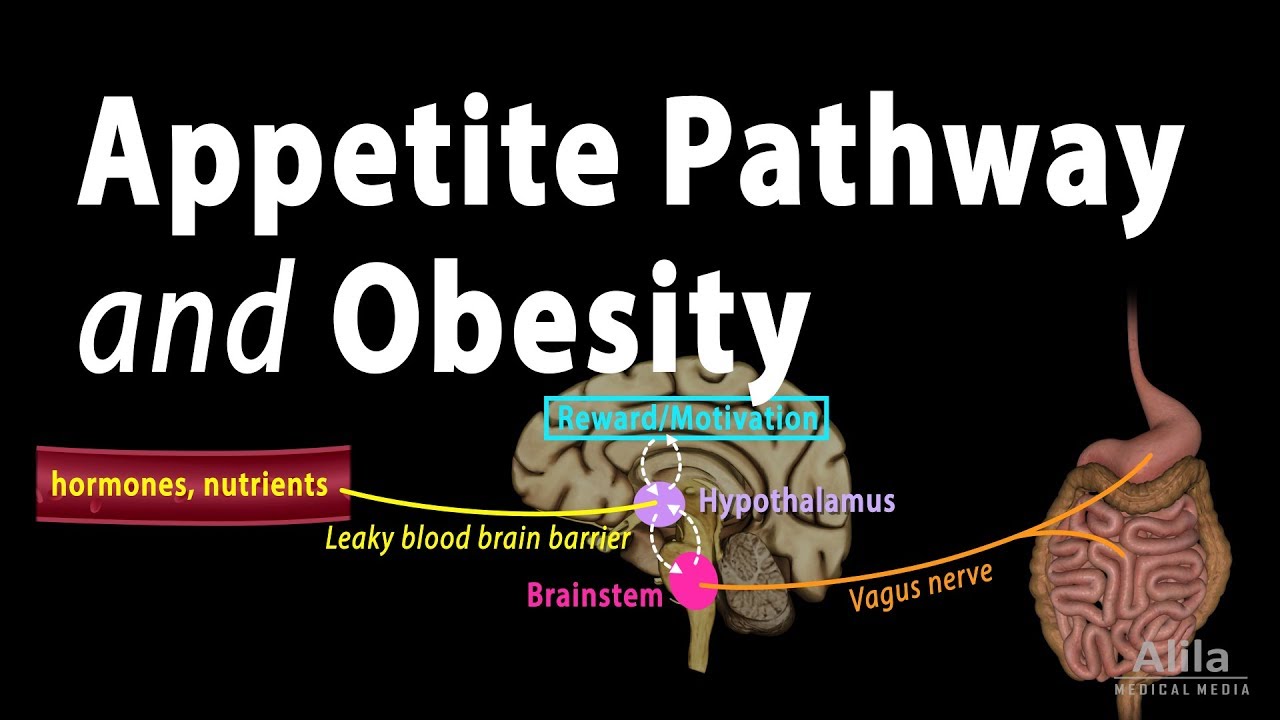
hello and welcome to the review of chapter 72 of guyton and hall's medical physiology textbook in this chapter we're going to go over the diet regulation of feeding what happens during obesity and starvation and then finish off with talking about some vitamins and minerals since we've already talked about the three main food groups of carbohydrates fats and proteins in the previous chapters if you enjoy the video please don't forget to give it a like and subscribe as it helps out the small channel and if you'd like to support it you can do so through the patreon link in the description where you can get access to downloadable audio files of each video so we're going to begin with just some standard dietary balance situations here where it goes through each food group talking about what's a physiologically available energy per food group as we've talked about fat has the highest amount of energy storage within it because it's able to produce more atp so nine calories per gram of fat and then carbohydrates and proteins are pretty equal remember carbohydrates are what used first in energy production then fats and then lastly protein and because of that carbohydrates and fats are known as protein spirits because you're going to prevent the degradation of your proteins which is so important for your cellular functions last so right when you're at the end of starvation are you going to really start to break down those proteins but there is a small amount of protein that gets degraded every single day about 30 grams or maybe 20 grams per person so you need to actually have a daily intake of protein about you know 30 to 50 grams just to make sure you're able to maintain a normal protein balance now you not only have to eat enough proteins but you have to have proteins which have the right amino acid profile so then you're actually getting all the amino acids that you need remember there's essential and non-essential amino acids so you need to make sure you're getting enough essential amino acids if the particular protein is deficient in a certain amino acid it's known as a partial protein so you may eat enough proteins but if it's only partial proteins then you're actually technically protein deficient because you're going to start to degrade some of your other proteins to either produce your other central amino acids if you haven't eaten enough of those or if you don't have enough essential amino acids you're going to actually result in disease or some kind of dysfunction because you haven't got enough within your food now in general proteins from animal food stuffs are complete whereas vegetable and grain sources aren't as can complete and that's one of the big controversies where the vegan diet to vegetarian diets is obviously you're wanting to get enough proteins from those diets and there's various ways to actually be able to do that now a key definition here is respiratory quotient and this is really just an equation taking into account the amount of oxygen needed to metabolize a certain food stuff divided by the amount of carbon dioxide that is produced so for instance for carbohydrates for every one oxygen used one the carbon dioxide will be produced so one divided by one is one so the respiratory quotient of carbohydrates is 1. 0 whereas fats you actually produce roughly 70 carbon dioxides for each 100 molecules of oxygen so 70 divided by 100 is 0. 7 so the respiratory question of fat is 0.
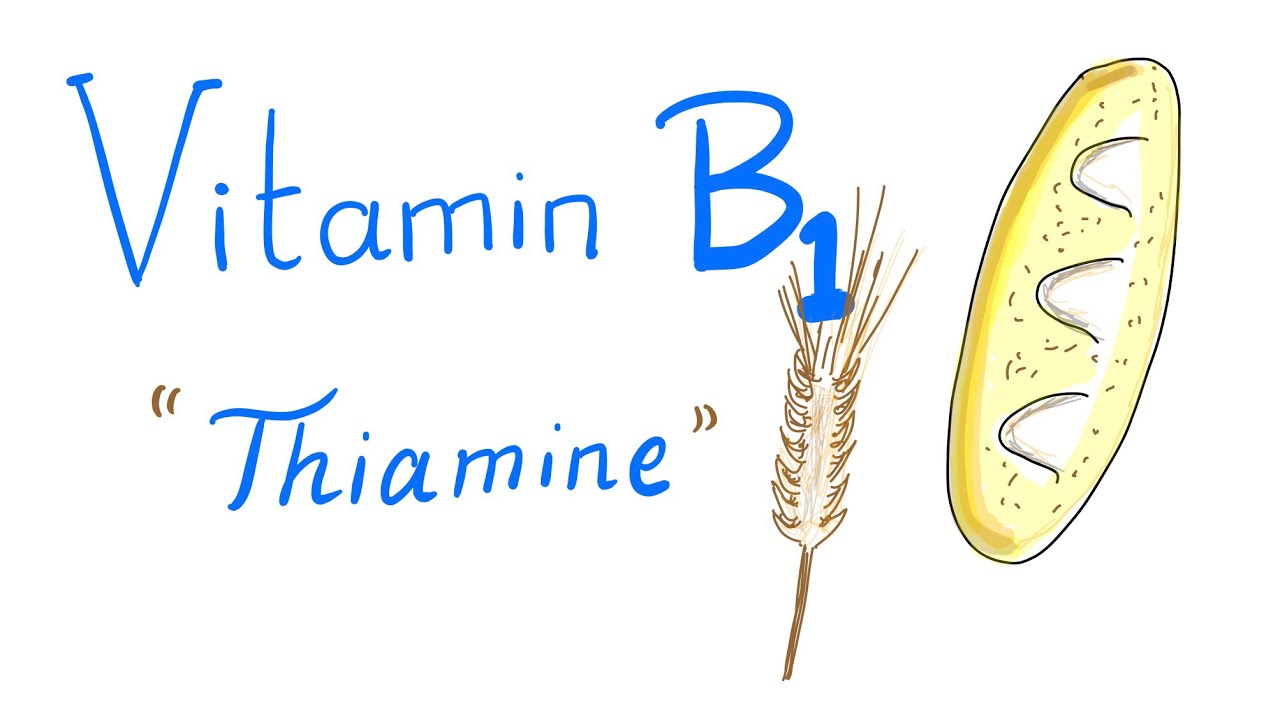
7 whereas proteins they will actually produce 80 molecules of carbon dioxide for 100 molecules of oxygen so the respiratory quotient of proteins is 0. 8 now this can be slightly related to our respiratory exchange ratio as we've talked about in chapter 40 which is the output of carbon dioxide from our lungs divided by the uptake of oxygen so obviously how much carbon dioxide you're breathing out versus how much you're breathing in now if you do that over an hour that will equal your respiratory quotient so if you're bringing in 100 molecules of oxygen and you're breathing out 100 molecules of carbon dioxide then clearly you must be only metabolizing carbohydrates because you have a one to one ratio if that starts to reduce then you know you're starting to actually break down either fats or proteins now the way to actually figure out the difference there is by finding out how much proteins are getting degraded first by actually calculating how much nitrogen you're excreting remember proteins when they're degraded gets turned into urea or other nitrogenous compounds which you can then measure in mainly the urine little bits excreted in the feces but 90 excreted in the urine so if you're able to figure out how much proteins are getting utilized you can then take that into account to then figure out how much fats and then how much carbohydrates are being utilized for metabolism now we get to the actual regulation of food intake and energy storage now obviously we're going to intake more food when we are in a calorie deficit and we're going to store more food when we're in a calorie excess so if you eat too much food you're going to store it as fat if you don't eat enough food then systems in your body will drive you to go and find some food and when you actually eat food about 27 of that food actually gets turned into useful energy for the cells the rest of it gets used for heat really converted straight into heat for various mechanisms such as protein metabolism muscle activity and just general activity of our other organs so the neuronal regulation of food intake mainly includes our hypothalamus but to start off with you know we have some definitions that we've talked about before in the past so hunger is just the sensation of actually craving food appetite is the desire for a particular type of food so if you're deficient in fats maybe you're wanting to go out and find some fats if you're deficient in salt you're going to have a salt appetite to try and find some salt etc for each type of food compound and then satiety is really just when you're full you know you no longer need any food so a hypothalamus is really our feeding center so we have the lateral nuclei which helps to increase our hunger and then we've got the ventromedial nuclei which actually is our satiety center so reduces our hunger tells us we're full there are these three other regions too the paraventricular nuclei which also functions as a satiety center so lesions there causes excessive eating it's also medial nuclei which actually helps to increase your hunger so lesions they're depressed your eating behavior and then lastly here your accurate nuclei which is depicted over here in figure 72 2 which is mainly a site for hormones to come and interact and then actually help to either increase our hunger or suppress our hunger so the accurate nuclei receives all the hormones from around the body and then responds to it from there so for instance ghrelin from your stomach gets released when you don't have food in your stomach for a prolonged period of time so an empty stomach releases ghrelin eventually goes up to your arcuate nuclei interacts with one region called the neuropeptide and aguti related protein region or agrp slash npy region and then this will directly stimulate our hunger so try to increase food intake by then innervating and activating our paraventricular nuclei whereas we have this other region called the pro opio melanocortin nuclei which is responsible for suppressing our appetite so this nuclei this will then interact with various hormones like insulin coming from our pancreas leptin coming from our fat stores and then cck also getting released you know as soon as fat enters your duodenum they will go up activate the pomc nuclei to then inhibit our paraventricular nuclear to inhibit our food intake so it makes sense that you know insulin's released after a meal cck is released after a meal they're trying to actually stop us from overeating and then leptin is coming from our fat stores so if you have enough fat stores and your body's saying okay we've got enough excess of stores here you don't need to eat so much then the adipose tissue releases leptin goes up to our pmc nuclei to then inhibit our food intake whereas if we don't eat for a period of time our stomach is empty releases ghrelin then activates our agrp slash npy nuclei in our accurate nuclei to then activate our paraventricular nuclei to then increase food intake now all of these sensors are obviously above our brain stem but if you actually completely disconnect your brain stem from your higher centers you will still actually have the mechanics of feeding take place so producing saliva tubing etc that will still take place even if you don't have messages from your feeding centers and your hypothalamus so that's not controlled by the higher centers so you're still able to actually masticate food and eat despite not having those signals from the higher census so then we get to regulation of food intake and this is divided into short-term regulation and long-term regulation short-term regulation obviously we don't know if we've got enough energy in the short term because it takes time for it to get digested to get absorbed to go to all your different cells it's very hard to know if you've eaten enough energy at the time so short term regulation is purely trying to prevent overeating during a meal otherwise if you're going to wait until everything's been absorbed goes around to your cells and then eventually gets used by the cells that to then say okay we've got enough energy you're going to eat for prolonged periods and you're going to have a lot more energy than you need because by the time the cells have told you that they have enough energy you're still going to have an intestine full of food so this short-term regulation is just inhibiting yourself from overeating then long-term regulation is concerned about the maintenance of quantities of energy stores in the body so that's all related to how much fat we have so short term regulation remember preventing overeating is controlled by a few factors here we have just stretch of our gastrointestinal tract particularly our stomach and duodenum will then directly inhibit our feeding sensors via the vagus nerve now this also gets inhibited by some hormones like we've talked about so cck getting released remember because of fat entering the duodenum that will also stimulate our satiety center and tell us that we should stop eating peptide yy is also involved is a little less known about this from basically it increases after meals and is thought to help regulate our overeating and that's the same with glucagon like peptide also with insulin that helps to suppress our appetite on the other end we've got ghrelin that we talked about that gets released from the stomach particularly the auxintic cells to then stimulate feeding if it's been empty for a certain period of time and then we have these oral factors as well so it's just the actual act of chewing salivating swallowing it all kind of senses how much is actually passing through our mouth and will eventually inhibit the hypothalamus just by actually eating and they know this by having an esophageal fistula in animals so no food actually enters the stomach animals are eating they'll eat a certain amount and they'll stop eating even though actually nothing has reached their stomach now this is pretty short term only lasts 20 to 40 minutes um and then obviously once you realize that there's no food entering your stomach ghrelin's still getting released you're gonna try to eat some more so it's more of a very short-term regulation to stop us from overeating once again when it comes to long-term regulation this is relatively simplistic as an overall mechanism it basically just means that if there is a reduction in any food type so reduction in glucose or carbohydrates reduction in proteins or reduction of fat we will then increase our hunger mechanism to try and find that food and eat it whereas if we have an excess of energy so we have too much fat so our fat stores get increased then leptin gets produced lithium indirectly it activates the pomc center to then cause inhibition of our paraventricular nuclei and help to tell us that we do not need excess energy and this long-term regulation does have an influence in experimental studies where if you've got an overfed animal who's given a meal they will eat less than an animal that's been starved and then given a meal who will then eat more and so that's the basic mechanisms behind it now there is obviously an issue somewhere because we do have people being overweight and unfortunately it is a relatively common problem particularly in western worlds it says in here that up to 65 percent or so of people adult people are overweight and then there's obviously about 30 of those that are morbidly obese so something's going on that's stopping these signals from telling us to actually stop eating and although there seems to be a genetic cause as well in some people you know it's a pretty small reason but we may have a mutation in either our leptin receptors or various other mutations that we'll get to shortly it actually inhibits our ability to stop us eating and once you actually start to get overweight and you start to produce a lot of leptin there's also some thought that leptin resistance occurs so you actually stop responding to that leptin the hormone in your blood and you think that you still need to eat more because you're not receiving that inhibitory signal from leptin from all your adipose tissue but clearly there's a lot of social and cultural factors that play into this as well but eating is a very social activity and our foods are starting to become so highly calorie dense that you may get a lot of calories without actually filling yourself up now that's one of the tricks is by actually eating something that has low calories in it full of something that we can't digest so then you become full without actually getting those extra calories but in the western diets there seems to be a lot of very colory dense foods eating is a very social event and then we've got other factors that's at play as well such as alcohol and sugary drinks for hydration etc so it doesn't only come down to hormonal influences here ultimately if you have too much energy going in then you're going to store more have more fat stores being produced we're also becoming more sedentary as well as working environments become less active you know more office jobs less labor jobs so then you're actually earning less energy on a day-to-day as well so then that really gets us to obesity now there are several ways to measure obesity you have the bmi which is purely just weights divided by height it doesn't take into account muscle mass so someone who's very muscular is actually going to have an overweight bmi otherwise to counteract that you can find out the actual total body fat percentage by actually you know there's various methods to do and that's the skin folds you've got impedance tests you've got underwater weighing etc but really if you've got greater than 25 total body fat then you're overweight in a man greater than 35 percent of the woman and you're overweight and the tricky thing is is that once you actually become obese you could eat a standard amount of food for your actual standard body weight let's say you're meant to be 70 kilos but you're actually 100 kilos if you eat the amount of calories for a 70 kilo person then you will maintain your 100 kilo weight you're not gonna lose weight in order to lose weight if you're already overweight you have to eat less than what you should be eating so you should if you're meant to be 70 kilos and you're 100 kilos you need to eat enough calories for a 60 kilo person to start to lose weight because your body stabilizes at your certain weight that you're at now there are also psychological factors as well to obesity for instance a large amount of stressful situations depression eating can become a comfort behavior which can then increase your energy stores childhood over nutrition not only helps to enforce a culture of eating a lot of food but when you're an infant as well you can actually create more fat cells so if you have more fat cells to begin with obviously it's going to be a lot easier to be overweight and adulthood there are neurogenic abnormalities that cause obesity such as damage to your hypothalamus such as from tumors but this plays a role in very small percentage of people the large majority of obese people actually have normal hypothalamus regions and then we get to the genetic factors as well now once again this seems to account for only 20 to 25 of cases so the large majority of obesity cases unfortunately are just more social cultural environmental related to just not enough physical activity and too much intake of high killer foods but these mutations that can occur include the mutations in one of these melanocyte receptors so they were unable to inhibit the pair of ventricular nuclei these receptors are the ones coming from a pimc nuclei that's meant to actually inhibit our hunger signal so if you do have a mutation in this receptor you're unable to inhibit your paris ventricular nuclei and then even more really is congenital leptin deficiency or mutations in your leptin receptors so then you don't respond to leptin now in order to treat obesity unfortunately it's as simple as it sounds of just reducing the calories in and increasing your fixed physical activity to increase your calories out so you can do that by dieting but it should be noted that dieting itself it does take a long time for your hormones to respond to that new level of calorie intake so ghrelin is still going to be produced so as soon as you start to eat at the calorie deficit your body's going to respond and say that we need to increase our intake and you're going to become hungrier and that's going to last like that for almost a year until your body now responds and now signals at the new level of calorie intake so purely dieting with a low calorie intake that is obviously tough as anyone who's tried it before because you get hungry you're going to stay hungry but ultimately that is going to help you lose weight and what can help as we've mentioned before is having these diets which bulk up the actual material without having an increased calorie so lower calorie higher amount of content so you feel full that you haven't actually increased your calorie intake so diet is definitely a way to do it but mixed in with that is also exercise you know if you exercise particularly in an obese person even if you do a period let's say 30 minutes of high activity that benefit is actually going to last for several hours after your exercise your body's going to have an increased metabolism for that time and suddenly your energy out is going to be far greater and then you're able to get into a negative calorie zone where you can actually start losing weight now there are drugs for trying to lose weight but they're not the best you know we've got amphetamines which inhibit our feeding sensors we've got sympathetic drugs which help to reduce our food intake but it does increase your risk of myocardial infarctions because you can become hypertensive from these sympathomimetic drugs and these weight loss drugs per se they can only you know help with five to ten percent of our weight reduction so it's not the best we do have drugs that help to alter our lipid absorption but if you're not going to absorb your lipids that means that your gastrointestinal system is going to have to excrete all of that lipids so you can have unfortunate side effects there in terms of diarrhea and then you can lose your fat soluble vitamins since you're not absorbing fats you're not absorbing those vitamins as well there are surgeries there as well for morbidly obese people you know gastric bypass surgery so then you actually connect your lower intestine and jugenum into your stomach to prevents the digestion and absorption of some of those nutrients gastric banding which is literally just as it sounds you just reduce the actual stomach volume so you feel fuller faster same with the vertical sleeve gastrectomy just removing a portion of that stomach now this can help to really reduce calorie intakes make you feel fuller and help to lose weight and can also help with type 2 diabetes which is really just a thing you have type 2 diabetes because you have constant high glucose high blood sugar resulting in insulin resistance and we'll talk about this in our endocrine section later on but if you're able to actually have periods where you don't have high blood sugar then your insulin sensitivity can increase so that is obesity next is talking about the opposite so a nation really just means extreme weight loss whereas anorexia is reduced appetite so a reduced appetite is going to result in a nation because you're going to lose weight now that can occur from psychogenic disturbances hypothalamic abnormalities or actual diseases such as cancer you know pain etc can result in us stopping to eat and also result in extreme weight loss through also cachexia so cachexia and anorexia can result in inhibition so cachexia just means that you have enough intake of calories but for some reason there is such a high energy output or such a high energy expenditure that you still lose weight that usually happens in chronic inflammatory diseases cancers etc which are using so much energy it's not being used for your general body so you start to lose weight that way and that occurs because of all these cytokines that are actually inhibiting our hunger center resulting in anorexia and then also increasing metabolism resulting in cachexia now when it comes to starvation obviously we're going to use our glucose stores first as shown in this little figure here carbohydrates instantly reduces and then we start to lose fats and proteins proteins last but there is this first initial fast period in protein depletion which is just those highly readily mobilized protein stores but once they've been used we then kick into the breakdown of fat so then fat gets broken down and produce those ketone bodies that the brain then uses for energy we become in a state of ketosis and then once the fat runs out that's when our protein goes through its third phase of fast depletion and once your protein starts to deplete at this phase now your cellular functions really diminish they die and ultimately the body starts to die so then that gets us to vitamins and minerals so vitamins are organic compounds that are needed in small quantities for normal metabolism but can't actually be manufactured in cells so you need to be able to actually absorb these vitamins by eating them essentially now a lot of them are stored in every cell there's a few that have a great amount of storage in the liver such as vitamin a and vitamin d but most water-soluble vitamins especially cmb they don't really get stored so as soon as you don't eat vitamin c or b you start to actually deplete their levels quite fast and result in some kind of abnormality which we'll get to as we go through each vitamin here so if we start to list through them vitamin a is essential for retinol remember back to our ophthalmology chapters retinol is needed for our vision so as you'd expect if you lose vitamin a then you get night blindness but it's also needed for normal growth of epithelial cells so you can get scaly skin failure of growth and failed reproduction as well as our night blindness now vitamin b1 is also known as thiamine now thymine is needed for the metabolism of carbohydrates and amino acids so if you end up with thiamine deficiency we obviously get reduced metabolism of carbohydrates and amino acids and ultimately that affects multiple regions so it affects your central nervous system that basically only uses carbohydrates for energy so then you can end up with degeneration of myelin sheaths and a condition called polyneuritis which is just tingly pain and all your nerves and ultimately paralysis or severe weakness it also impacts our cardiovascular system which weakens with the rejection and energy so then you actually get a weakened heart muscle and you get massive peripheral vasodilation so you get increased blood flow back to a heart which is weakened that can then result in heart failure and then also our gastrointestinal system gets affected as well so we get indigestion constipation acne etc so everything just starts to slow down with reduced metabolism about carbohydrates and amino acids so then we end up with neurological cardiovascular and gastrointestinal disorders and this entire syndrome is called beriberi now this is mainly cardiovascular symptoms but you can get all three now niacin remember niacin is what forms nicotinamide adenine dinucleotide or nad remember back to the chapters just previously talking about carbohydrate and talking about oxidative phosphorylation these guys accept the hydrogens take them to the mitochondria for oxidative respiration so obviously if with reduction of niacin we get a reduction in energy production essentially so we get muscle weakness and or glandular function initially but then severe insufficiency results in tissue death because cells just literally do not have the energy to function and you may end up with niacin deficiency if you have a high corn diet because it's deficient in the amino acid tryptophan tryptophan is needed to turn into niacin now in the same kind of message the reduction in oxidative respiration includes the deficiency of vitamin b2 or riboflavin remember that's fad now if you're going to have a reduction in fad or vitamin d b2 it's probably because you've got general starvation so you're also going to have a reduction in niacin and then also multiple other ones so you it's going to be pretty uncommon for you to just see vitamin b2 deficiency but once again you end up with weakness and general degradation of the body so pretty non-specific science vomiting diarrhea muscle weakness get dermatitis etc now vitamin b12 we've already talked about the previous chapters but just as a quick reminder this is cobalamin compounds and it is necessary for the replication of genes so it promotes growth and also the formation and maturation of red blood cells so remember if we don't have enough vitamin p12 then we end up with pernicious anemia and we usually see that not because we're not eating enough vitamin b12 but usually because of a lack of intrinsic factor and that may be because of a reduction in our parietal cells in our gastric glands so if there's some kind of disorder of our stomach and we're not resulting in intrinsic factor being released we can't absorb vitamin b12 from our ilium so then we can result in pernicious anemia because we can't mature and form our red blood cells normally now folic acid is pretty similar to vitamin b12 it's also included in the formation of dna through the synthesis of purines and thymine so it's involved with dna formation so helps with growth and also red blood cell production but at a different line so we'll end up with macrocyclic anemia with folic acid deficiency but also a reduction in growth or ill thrift now we do get to some other types of vitamins but remember these ones are going to be deficient with everything else so it's going to be more of a combination of the issues here but we've got pyridoxine which is vitamin b6 and it's used for protein metabolism so in the experimental animals they get this they get reduced greater growth fatty livers anemia just you know protein metabolisms slow down so mental deterioration our bodies just slowing down because we don't have the proteins for normal functions now pantothenic acid is incorporated into coenzyme a so as you would expect if you can't produce coenzyme a then you're going to result in the reduction of metabolism of carbohydrates and fats you don't really see this deficiency because you do have pathothenic acid in just about every food group so now we get to some more important vitamins so vitamin c or ascorbic acid this is where scurvy comes in so scurvy you might think of pirates but the reason behind scurvy and pirates is just because the long voyages for multiple multiple weeks they wouldn't eat vegetables at the start and without any fruits and vegetables we wouldn't have any vitamin c particularly you know vitamin c you think of oranges and that prevents scurvy so vitamin c is essential for the production of collagen so if you don't have vitamin c you have very weak collagen collagen is important for so many different things but basically you need collagen to heal wounds so you have non-healing wounds with scurvy you end up with very weak teeth you need collagen for your blood vessels so you quite easily break your blood vessels so you end up with a lot of kind of bruises or bleeding or patekia which are little bleeding spots everywhere you keep bleeding gums because the blood vessels are so fragile and then also your bones can't heal because your osteoblasts don't function so they can't actually create a new bone matrix so everything you just can't heal your body and your blood vessels could easily rupture with scurvy vitamin d we're going to talk about a lot in our endocrine section remember vitamin d's calcium homeostasis helps to absorb calcium from your guts mainly vitamin e is important for growth and then also has some reproductive issues but the main thought of vitamin e is being an antioxidant prevents the oxidation of our unsaturated fats so the main way to think about vitamin e is as an antioxidant vitamin k is the way to think about k is for coagulation it's essential for factors 2 7 9 and 10.