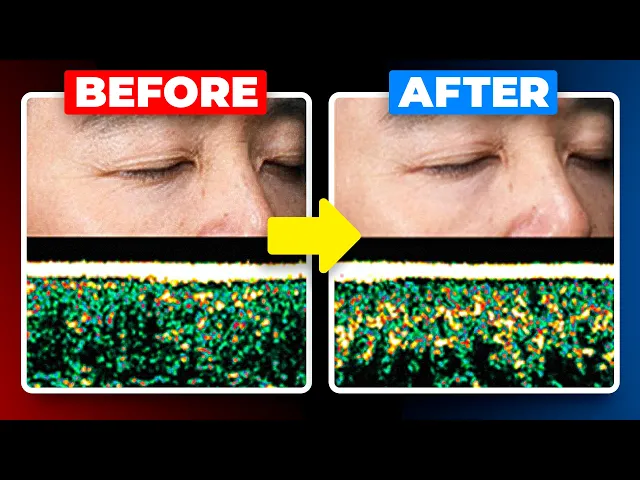
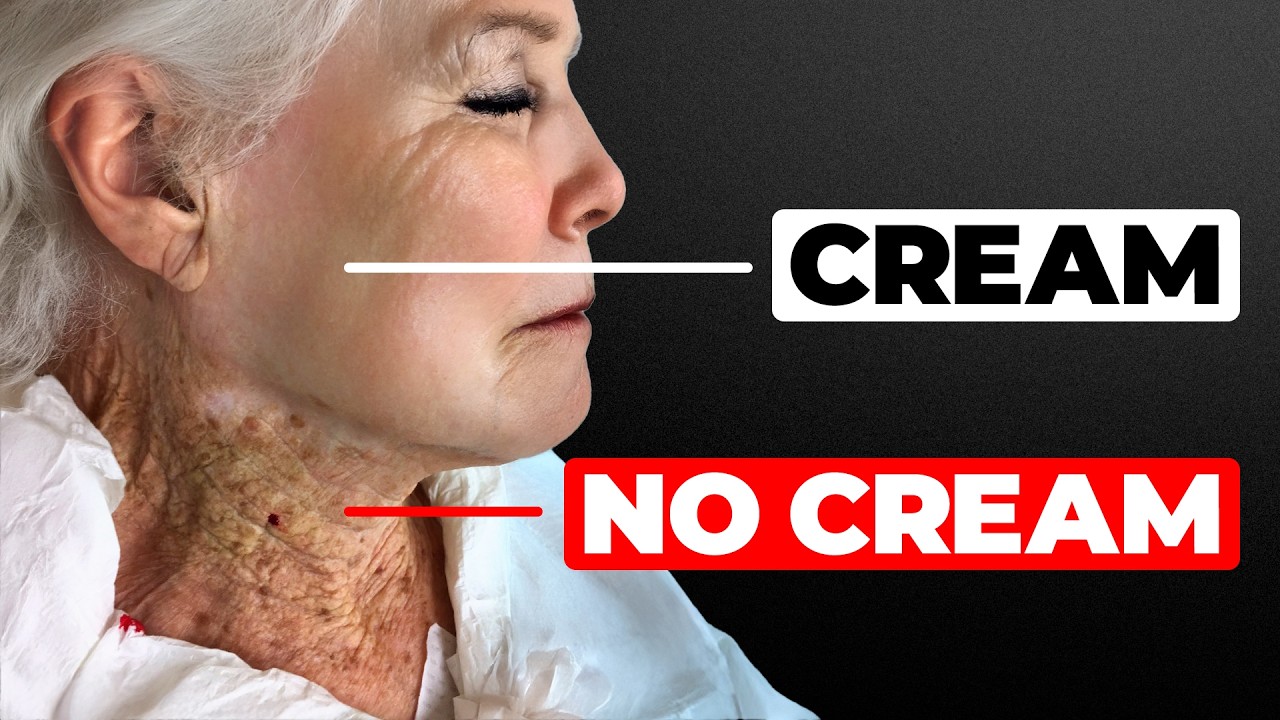
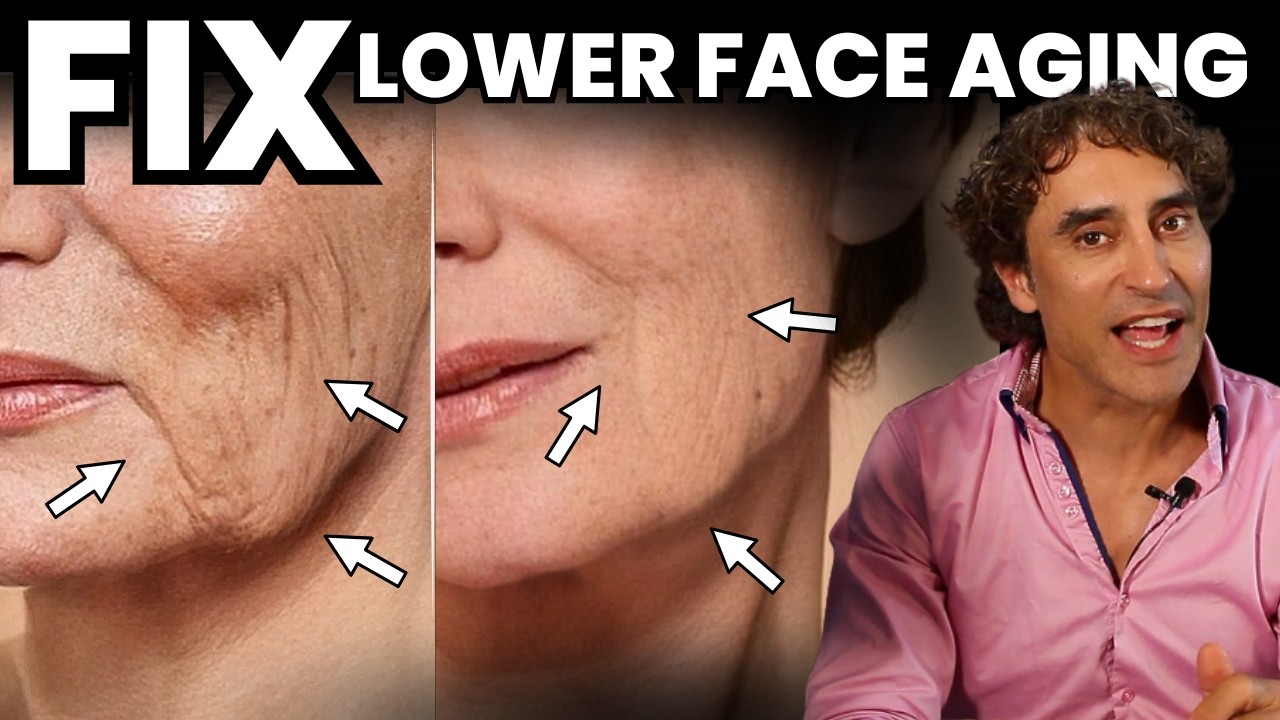
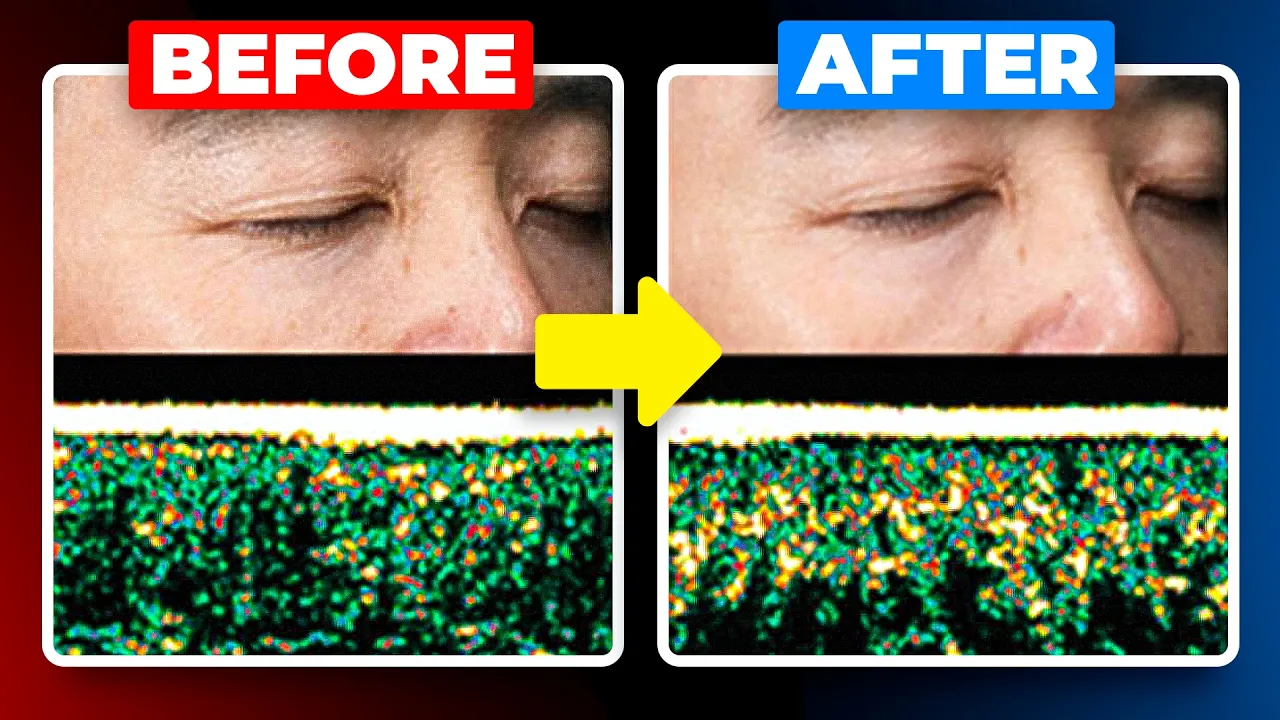
It sounds too good to be true that simply taking a supplement can reverse skin wrinkles. So, is this really possible? Well, after some initial controversy with hyaluronic acid supplements, it looks like the resounding answer is yes, but only if it's used correctly.
And if you want weekly health research summaries and health strategies that I share with my patients, sign up using the link in the pinned comment. Hyaluronic acid is a natural compound found especially in our skin, joints, and eyes. And one of the standout features is its ability to retain moisture.
It's like a sponge with an incredible capacity. Just 1/4 teaspoon of hyaluronic acid can absorb 1 and 1/2 gallons of water. It provides critical structural support in the skin keeping it plump, hydrated and smooth.
So in other words, it helps keep our skin looking youthful. But unfortunately, levels of hyaluronic acid in the skin, it slowly decreases with age. So someone at the age of 75 years old has only about one quarter of the amount of hyaluronic acid in their skin compared to someone who is 19 years old.
So imagine your skin as a mattress. When you're young, it's full of support and bounce thanks to high levels of hyaluronic acid. But as you age, the mattress starts to lose some of its springs, becoming less and less supportive and more prone to wrinkles.
That leads to a natural question. Is it possible to restore the levels of hyaluronic acid and rejuvenate the skin? Well, one way to work out if this is possible is to inject the skin directly with hyaluronic acid.
And this has become an increasingly popular cosmetic procedure. It's commonly used to address signs of aging in the face and evidence does suggest that it works. One recent meta analysis examined 13 studies on the procedure and the authors found that injecting hyaluronic acid causes a significant improvement in facial skin quality which is a great initial start and it validates the idea that hyaluronic acid adding it back to our skin can help restore the skin's condition.
But injecting hyaluronic acid, it's incredibly expensive and it only targets a small area of the skin. So what about another way to boost our levels? Can we take supplements?
Well, initially there was a big reason to think that the answer would be a flatout no. And to see why, we need to talk about molecular weight. So, a molecule is a collection of atoms that are bonded together in a certain way.
And the weight is about how big that collection is. Now, structurally, hyaluronic acid is like a chain built up from simple links. And just like a chain, the molecules of hyaluronic acid can be different lengths.
Long ones are heavy and they've got a high molecular weight. Short ones have got a low molecular weight. Scientists thought that high molecular weight forms of hyaluronic acid would be best to use as oral supplements.
The idea was that they'd be more stable and less likely to be immediately broken down by the gut. The hope was that they would be more likely to make it intact to sites like the skin where it would be beneficial. But there's a catch 22 here.
Those high molecular weight forms of hyaluronic acid, they are big molecules and may be too big to pass through the intestinal wall. And if that proved to be the case, the fear is that the supplement would just pass straight through the digestive system without providing any benefits and certainly not reaching the skin. We just didn't know for sure what would happen until we did some research.
Now, early experiments were encouraging. A groundbreaking study published in 2009 involved oral hyaluronic acid supplementation in rats and dogs. Now, researchers used the high molecular weight form and they tagged their hyaluronic acid with a radioactive substance so they could see exactly where it went.
And they found evidence that yes, it does make its way directly to the connective tissues throughout the bodies of the animals. It seemed to stay intact and make it through the gut barrier. So the authors pointed out that these results suggest that yes, hyaluronic acid may indeed be helpful in supplements designed for joint and skin health in humans.
And the good news kept coming in. Another study, but this time in humans, agreed with the initial conclusions that hyaluronic acid taken as an oral supplement looks like it's absorbed whole and distributed to the skin. So, when I first started taking hyaluronic acid supplements, it was this kind of evidence that convinced me to go for the more expensive high molecular weight hyaluronic acid.
So, our assumptions about how hyaluronic acid worked as a supplement, they were all wrong. Here's what they found. The high molecular weight hyaluronic acid is first broken down and this happens in the stomach as those long chains get chopped up into shorter lengths.
But here's where it gets interesting. These shorter lengths called middleweight hyaluronic acid isn't absorbed either. So for this study, the researchers used two kinds of mice.
One group had a normal gut bacteria and the other group had no gut bacteria. In the no gut bacteria group, no hyaluronic acid was absorbed. It was broken down in the stomach and then it just passed straight through.
In the group with the normal bacteria, however, things went a bit differently here. The mediumweight hyaluronic acid got broken down even further by the gut bacteria. And this finally gets us to a form that can be absorbed.
So, it turns out that absorbing hyaluronic acid is like pulling apart a Lego structure. The digestive system breaks down the long chains of high molecular weight hyaluronic acid into shorter pieces. It's like how you might break down a Lego castle into individual bricks before building something else.
So, these smaller pieces can then be absorbed and used by the body. However, even after this process, the bioavailability of hyaluronic acid is still very low, just 2%. So, why are the results so different from earlier studies that found that yes, long chains of hyaluronic acid can be directly absorbed?
Well, the authors of the 2023 study think they know. They explained that the prior absorption studies used methods that weren't accurate enough. They couldn't tell if those radioactive tags that they used ended up attached to a molecule of hyaluronic acid or just one of its metabolites.
They may have even been attached to nothing. This is a bit gruesome, but think of it like putting a tracking tag on the foot of a bird. When it's released into the wild, we can see that the tag shows up on the monitor, but we don't know if we're seeing the location of the bird or the severed foot or if the tracking tag has simply fallen off.
So, in contrast, the 2023 study used the latest tagging technology, and it provides a more accurate representation of how exactly hyaluronic acid is processed in the gut and then absorbed. So, where do these results leave us? Well, the first thing is clear that there's no reason to buy expensive high molecular weight hyaluronic acid.
It doesn't get absorbed in that form and it has to be broken down. But more importantly, the study shows us that only a very small amount of the broken down pieces are bioavailable. So, the early assumption that orally ingested hyaluronic acid is directly making its way to our skin is wrong.
So, if the hyaluronic acid isn't directly making it to our skin, do supplements have any good or are they just a waste of money? Well, researchers have been testing out oral hyaluronic acid supplements for their impact on skin since the early 2000s. This was long before we had the full picture about absorption.
So, when examining the research, we care about the human randomized placebo control trials. And this is where one group of people take the hyaluronic acid and the other group takes a placebo or a dummy pill. Then we can compare the two groups and figure out if there are any differences in the skin.
Several smaller studies were carried out in Japan. They focused on dry skin and they consistently showed us that hyaluronic acid supplements improved skin moisture. So this is encouraging.
As we saw earlier, hyaluronic acid is especially connected to retaining moisture. But what about wrinkles? Well, in 2001, a small trial suggested that hyaluronic acid decreased wrinkle depth compared to a placebo.
Similar results were found in another small 2007 study and again in 2017 in a study involving 60 people. But how reliable are these results? How exactly were the researchers measuring wrinkle depth?
Well, in the 2017 study, they applied a chemical to make a mold on the skin near the corner of the eye and then once dried, the molds were peeled off and then scanned. This provided an objective measure of wrinkles. The analysis showed a clear difference between the group taking the hyaluronic acid and the placebo groups.
So, all good news so far, but there's a controversy about safety when it comes to hyaluronic acid, and I'll get to that in a moment. Interestingly, the 2017 study compared the effects of different molecular weights of hyaluronic acid. And now that we know about the 2023 study, I bet you can predict what happened.
There was no difference between the higher versus the lower molecular weights. Both groups had similar improvements in wrinkle depth compared to the placebo group. That's again because the hyaluronic acid gets broken down by the gut bacteria into metabolites before it's absorbed.
But to reassure ourselves that we're seeing a true effect here, let's quickly look at three more studies. A 2021 randomized control trial of 40 people also showed benefits. But here's where I want to pause over something about the last two studies that we've looked at.
They were both funded by the Cupqi Corporation. So this raises the possibility of bias. The Cupqi Corporation sells hyaluronic acid for other companies to use in applications like supplements.
So it helps that these experiments used objective measures of skin wrinkles. And it also helps that we see similar results from other researchers who aren't connected to this company. So for example, a 2021 study was published in the European Journal of Dermatology.
It found that wrinkles decreased by 18. 8% with hyaluronic acid supplements. This compared to a non-significant reduction of 2.
6% in the placebo group. Finally, the most recent study was a larger 2023 study of 129 people that again demonstrated skin benefits from hyaluronic acid supplements. So, this is really interesting.
Even though our analysis shows that hyaluronic acid is broken down and has got poor bioavailability, there are plenty of studies showing that yes, it does help with skin aging. This just shows us that the mechanism isn't what we initially thought. And as the 2023 study says, it seems to have something to do with indirect rather than direct effects of hyaluronic acid.
As in, the benefits seem to be coming from the metabolites. But this raises a potential worry. if we aren't exactly sure how hyaluronic acid supplements are working, how do we know that they're safe?
And the big safety concern that you'll see on social media is cancer. So, in single cell studies, when hyaluronic acid is given to cancer cells, it appears to accelerate cancer growth, which doesn't sound great. However, when hyaluronic acid supplements are given to mice who already have cancer, there is no difference in growth.
So, the researchers concluded that hyaluronic acid is indeed safe. and a panel of experts assembled in 2023 looked at the safety of hyaluronic acid. And after examining all of the literature, they found no reports of adverse health effects from hyaluronic acid supplements.
So hyaluronic acid supplements, they are safe and we've got good evidence that they are effective from the human randomized control trials. So if we want to try it, which form is best? Well, as explained, hyaluronic acid is broken down into the building blocks that our bodies can use.
So when I designed micro vitamin I elected to use sodium hyaluronate 200 mg due to its enhanced stability and solubility and smaller molecular size. The 200 mgram dose is the most commonly used dose in the existing clinical trials. But just because I take a supplement does not in any way mean that you should as well.
Now there are other proposed benefits from hyaluronic acid. It is claimed to help with things like wound healing, arthritis, and eye health. But the randomized clinical trials here are conflicting.
Larger, longerterm trials are needed before we can be confident of the effects. Returning to skin aging though, you probably know that there's more to it than just a loss of hyaluronic acid. So, another key player in the structure and health of our skin is collagen, and that's a supplement that's getting promoted for reducing skin wrinkles.
But, does it deliver on that promise? Well, make sure to check out this next video here to see what the evidence shows.