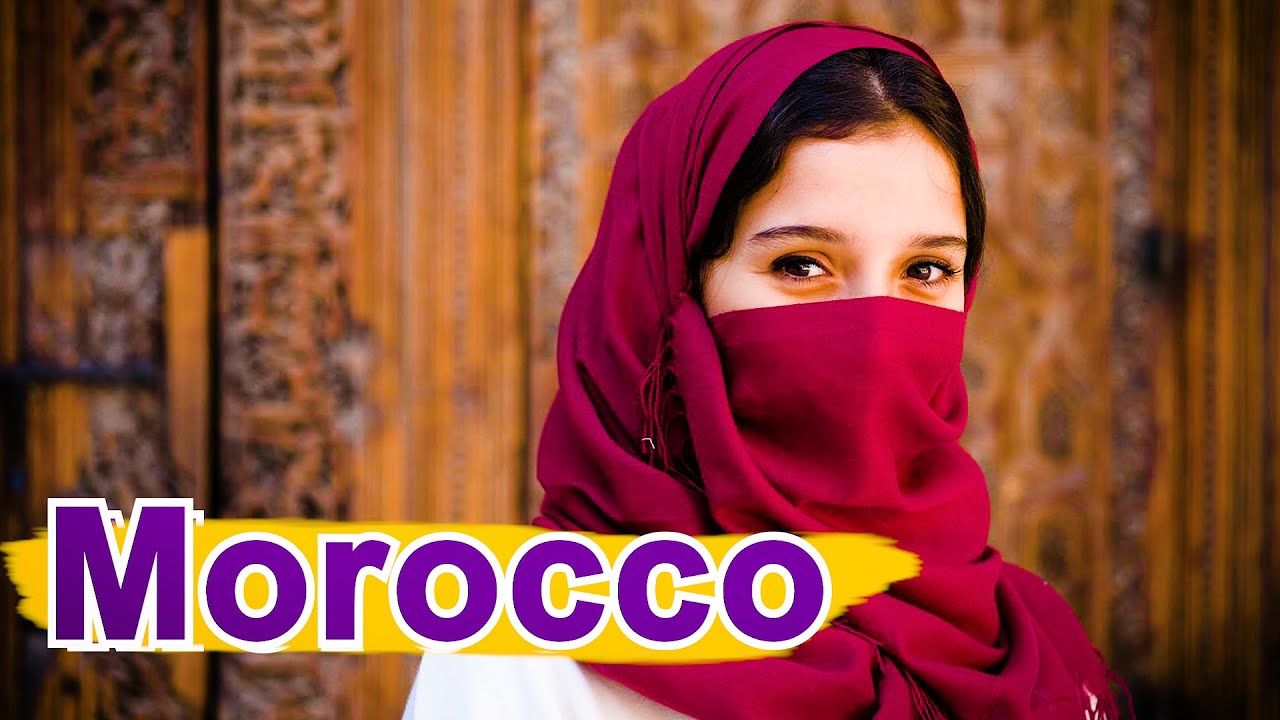
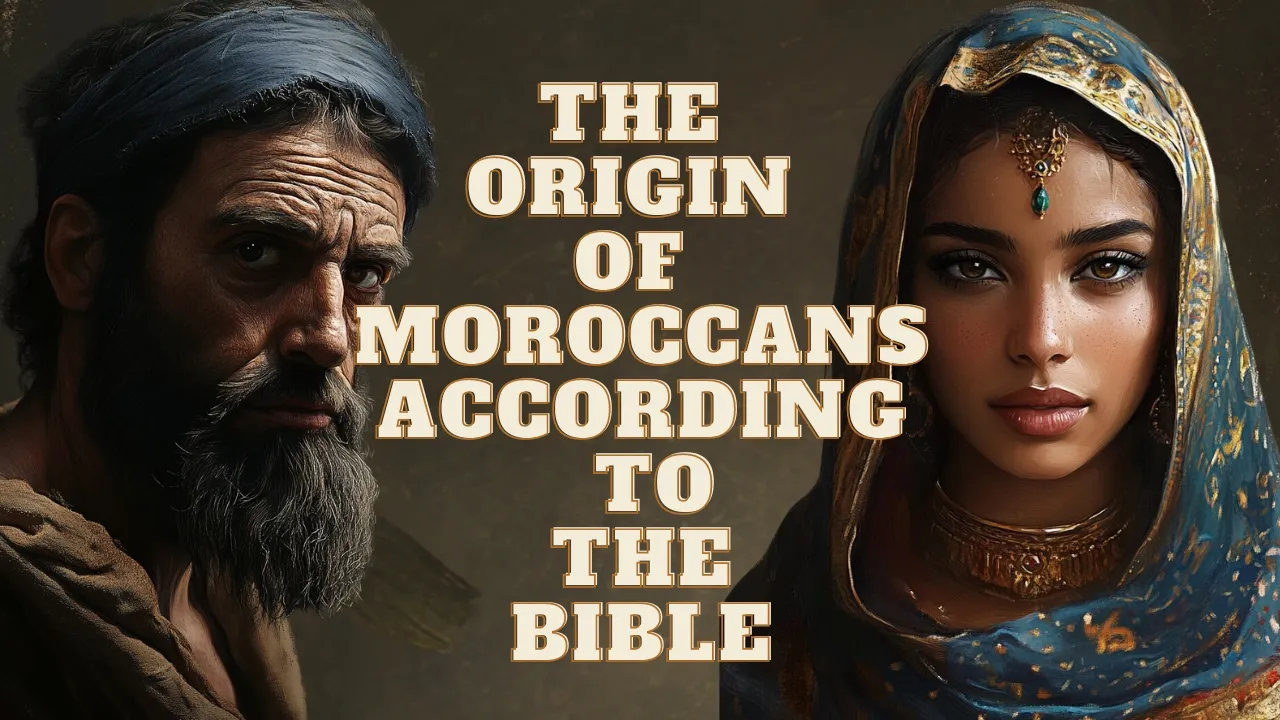
welcome to the unraveling the scriptures Channel Morocco located in the MB in North Africa is a country with an incredibly rich and fascinating culture and people in this video we will delve into the Intriguing origin of the Moroccan people exploring accounts from the holy scriptures the Bible ancient historical records and even geological discoveries prepare for a journey that uncovers Millennia old Mysteries don't forget to leave a like share your thoughts and in the comments and subscribe to the channel so you don't miss any content and of course share this video with your friends and family
now without further Ado let's dive into the episode of our series the origin of the peoples according to the Bible Morocco a nation with deep roots and a people of ancient descent Sparks curiosity in many I have received numerous requests to explore the origin of the Moroccan population after all where did the Moroccans come from what is the biblical origin of this ancient people with a rich history influenced by berber and Arab cultures to better understand we first need to locate Morocco on the map it is situated in the northwest of Africa in a region
known as the mrib a area that includes peoples of Arab and Berber origin distinct from subsaharan Africa which is predominantly inhabited by darker skin populations although there are berbers with darker skin North Africa has historically been marked by Peoples of Semitic origin including Arabs and berbers but what is the mystery behind this diversity how did ancient trade routes and cultural influences shape the formation of such a unique people the Phoenicians known for their navigation and trade skills established colonies along the coast of Morocco especially in cities like tinis modern tenang and lixus near present day
lariche these colonies served as trading posts and help facilitate trade between the Mediterranean and the interior of Africa The Phoenician presence brought cultural and Commercial influences to the region although their influence was more significant in the coastal areas but before the arrival of the Phoenicians and later the Romans the region was inhabited by various Berber groups or amazai who are the indigenous peoples of the area they established several tribes and autonomous kingdoms and played a significant role in local history the berbers founded several important kingdoms and cities such as the kingdom of morania different from
Roman morania which extended over parts of Morocco and Algeria for those who are not yet familiar with the berbers they are the indigenous peoples of North Africa particularly Morocco these native inhabitants of the mrib were present in the region long before the arrival of the Arabs the genetics of the berbers reveal a fascinating blend of Origins although they share some similarity with Arabs due to Semitic influences their Heritage is also rich in Indo-European and naturally African Roots among the Berber tribes the tware stand out inhabiting the Sahara Desert and possessing a unique identity interestingly the
berbers Do Not identify themselves with the term Berber instead they refer to themselves with the autonomous terms imws or hhan which better translate their true cultural and historical identity these terms reflect a rich tapestry of traditions and a deep past that predates Arab influence in the region discovering more about the berbers is to explore one of the most enigmatic and ancient cultures of North Africa revealing surprising aspects of the history and genetics of the region the various dialects spoken by the berbers belong to the tamit languages which are the native languages of the peoples of
North Africa these languages are a reflection of the deep cultural heritage of the bber who have a significant Semitic origin in their genetics this Semitic connection means that in many cases berbers have a similar appearance to Arabs making it difficult to distinguish a Berber from an Arab based solely on appearance additionally some Berber tribes display characteristics that can be associated with Indo-European influences such as lighter skin and light eyes however due to extensive intermarriage and the process of arabization many berbers have ended up adopting more Arab traits thus it is common to find people in
Morocco with an appearance very similar to that of Arabs resulting from a genetics that shares many similarities with Middle Eastern peoples this complex mix of Origins reveals the rich and diverse genetic and cultural tapestry of the berbers a history that goes beyond Arab influences and highlights the uniqueness of these native peoples the other predominant ethnic racial group in Morocco is undoubtedly the Arabs Arabs have been present in the region since the 7th Century but their influence and presence in North Africa including Morocco dates back much earlier in fact Arabs began to settle in the region
of Egypt and other parts of North Africa about 3,000 years ago there is historical evidence showing the presence of Semitic peoples in the region such as the hios in ancient Egypt who were Semitic peoples the hixus included groups like Arabs and syrians among others thus Morocco is a land of Rich ethnic diversity composed of a fusion of Arab and Semitic peoples the integration of these two ethnic groups resulted in a population that displays a wide range of characteristics while there are berbers with darker skin tones and others with lighter features due to indoeuropean Heritage intermarriage
over the centuries has led to significant homogenization thus the characteristics of berbers and Arabs have Blended creating a Moroccan population ation that reflects a complex tapestry of cultural and genetic influences the original berbers likely descend from MRA mixed with Semitic Elements which explains the significant Semitic influence in their genetics additionally Morocco's geographical proximity to the Iberian Peninsula comprising Spain and Portugal resulted in a significant genetic contribution from this region to the Moroccan population this interaction created a blend of jetic characteristics in morocc an over the centuries Morocco has experienced extensive intermixing particularly During the period
of arabization and islamization as a result the Moroccan population is predominantly Semitic in terms of ethnicity and race however ethnic diversity is notable there are African groups with darker skin tones as well as individuals with lighter skin and light eyes reflecting Indo European and even Persian influences the these variations highlight the genetic and cultural complexity of Morocco resulting from centuries of encounters and exchanges between different peoples and civilizations the country's Rich ethnic tapestry reflects its strategic position at the intersection of Africa and Europe and the influence of multiple groups throughout history the primary language spoken
in Morocco is Arabic which is widely used throughout North Africa including Tunisia Algeria and Egypt Arabic is the dominant minent language in the mreb region and other North African countries however Morocco is also rich in Native languages such as tamit spoken by the berbers tamit is primarily spoken in the mountainous region of the middle Atlas and surrounding areas in Morocco there are several variants of tamit and these can vary significantly from one another the main variants include middle Atlas tamit tachelhit or shilha in the south and terit in the Riff in 2011 the Moroccan Constitution
recognized tamit as an official language of the country alongside Arabic this recognition marked a significant step towards the preservation and promotion of the Berber language and culture in Morocco these languages belong to the afroasiatic or hamitic family and share some similarities with Arabic languages although they are distinct it is important to note that Arabic is not a homogeneous language there are several Arabic dialects that can vary significantly from each other for example the Arabic spoken in Egypt is different from the Arabic spoken in Palestine even though they are all variants of the same basic language
as for the name Morocco officially known as the kingdom of Morocco the atmology of the name can be translated as the kingdom of the Western Place this name reflects the country's geographical position at the western edge of the Arab world and North Africa historically the territory that is now Morocco was known to Muslim geographers as al- magb alak meaning the farthest west referring to the area from tiet to the Atlantic this contrasts with other neighboring regions such as al- magrib alasa the middle west which included Tripoli and Baya and al- magre Al adna the nearest
West the name Morocco derives from the city of Marakesh which was the capital of important dynasties like the AL moravits the alahad caliphate and the sodian dynasty the atmology of Morocco is deeply connected to the history and geography of the region maresh in Arabic murakush comes from the Berber language and is formed from the words Moore land and push God which can be interpreted as land of God when Europeans came into contact with the region they began using the name Marakesh to refer to the entire territory this led to the Latin form morium and later
to variations in different languages in Spanish the country is called moros while in English it is known as Morocco both derived from the name of the city of maresh interestingly the official Arabic name of the country al- magreb means the West reflecting Morocco's position as the westernmost part of the Arab Muslim world this designation highlights the country's unique geographical location within the Islamic context the name Morocco carries a rich atmology connecting both to the ancient capital maresh and to the European perception of the region over the centuries Morocco encapsulates the fusion of historical and cultural
influences of the city of Marakesh with the external view of the region thus the Moroccan people are a fascinating blend of Arabs and berbers with Semitic Origins from both the Arabs and the berbers themselves along with African and Indo European influences I hope you enjoyed this video on the origin of the Moroccans soon I will bring information about the origins of other countries in North Africa southern Europe and much more in the meantime you can check out other peoples we've explored in our playlist of the series the origin of the peoples according to the Bible
don't forget to leave your suggestions for other peoples for future videos may God bless you all and see you soon