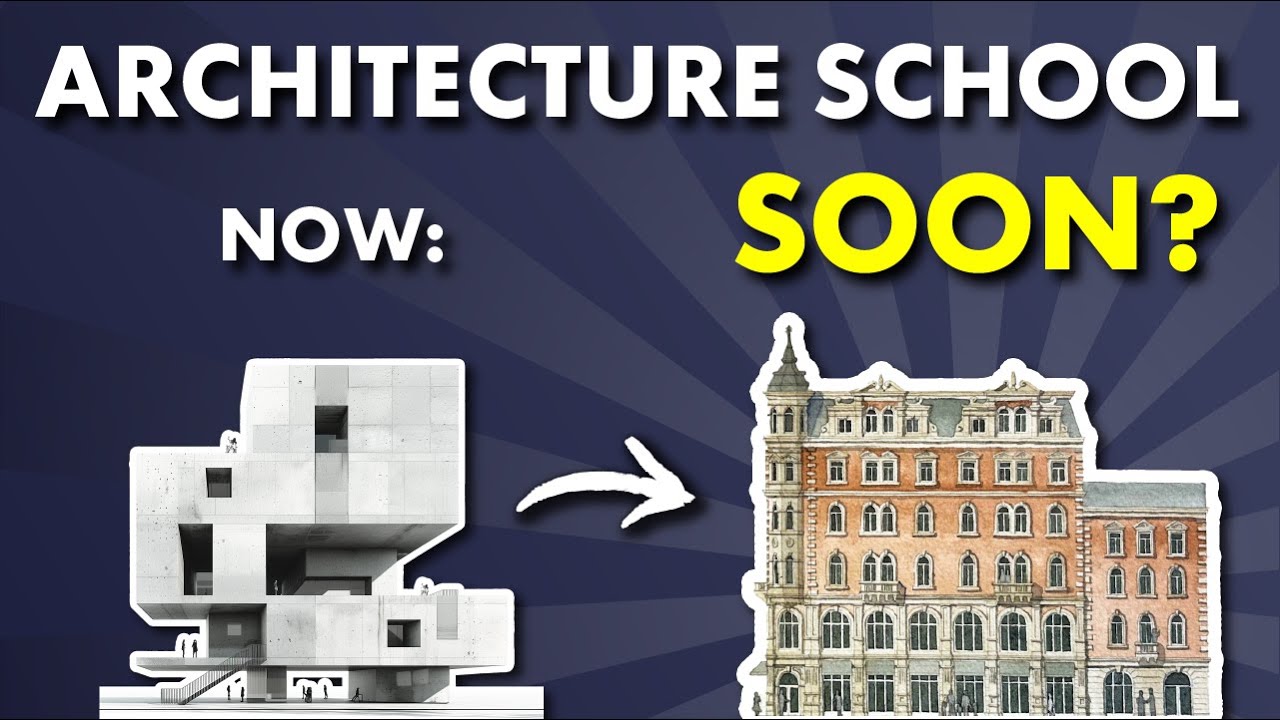
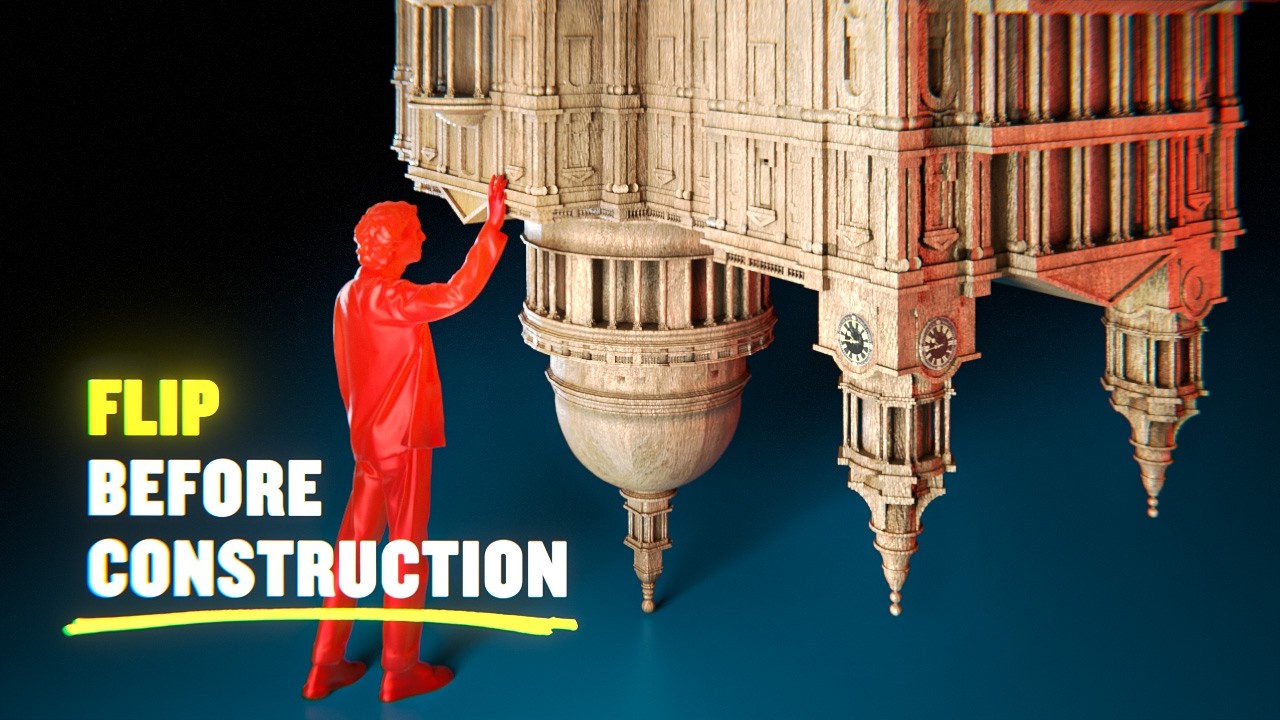
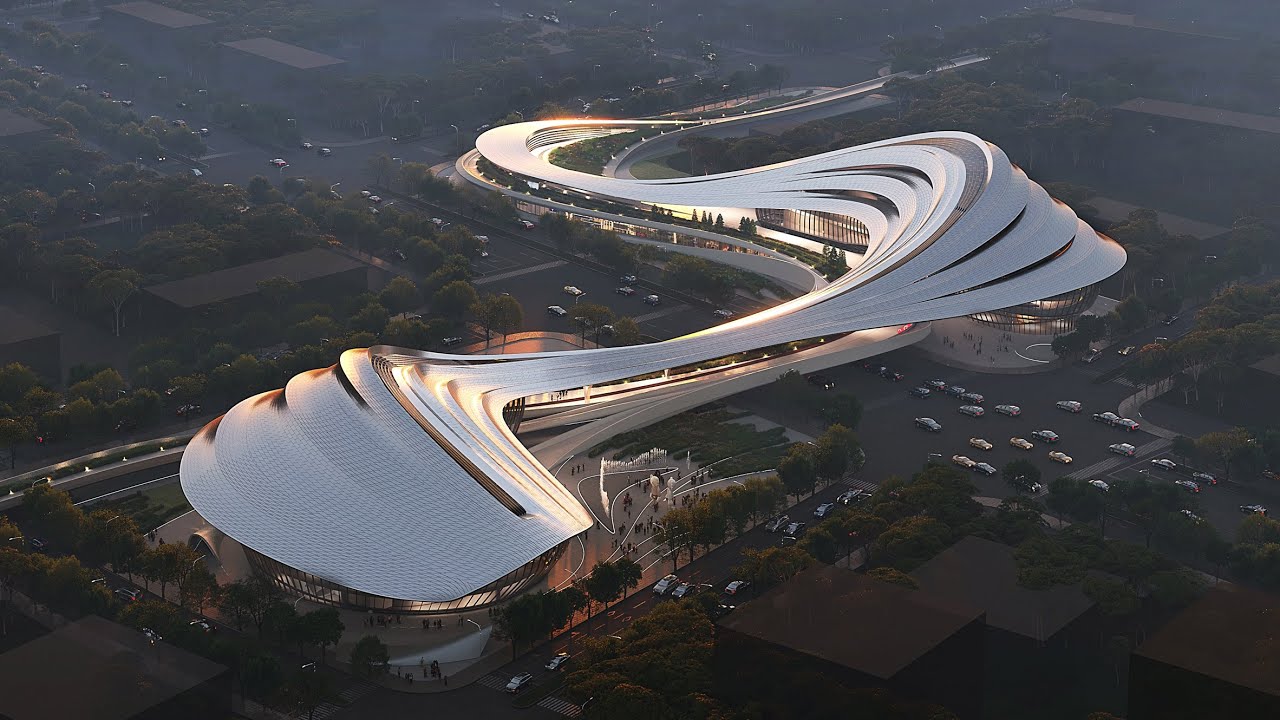
for thousands of years the most common building materials have been stone brick and wood they've also been the most charming aging beautifully and suggesting a special kind of nobility and strength when modernist architecture was born in the early 20th century traditional materials quickly gave way to the three quintessential modern ingredients concrete steel and sheet glass the result has in far too many cases appeared brutal uncaring and alienating the buildings have not aged very well either could modern architects not learn to work with traditional materials while retaining the forms and the spirit of our own times
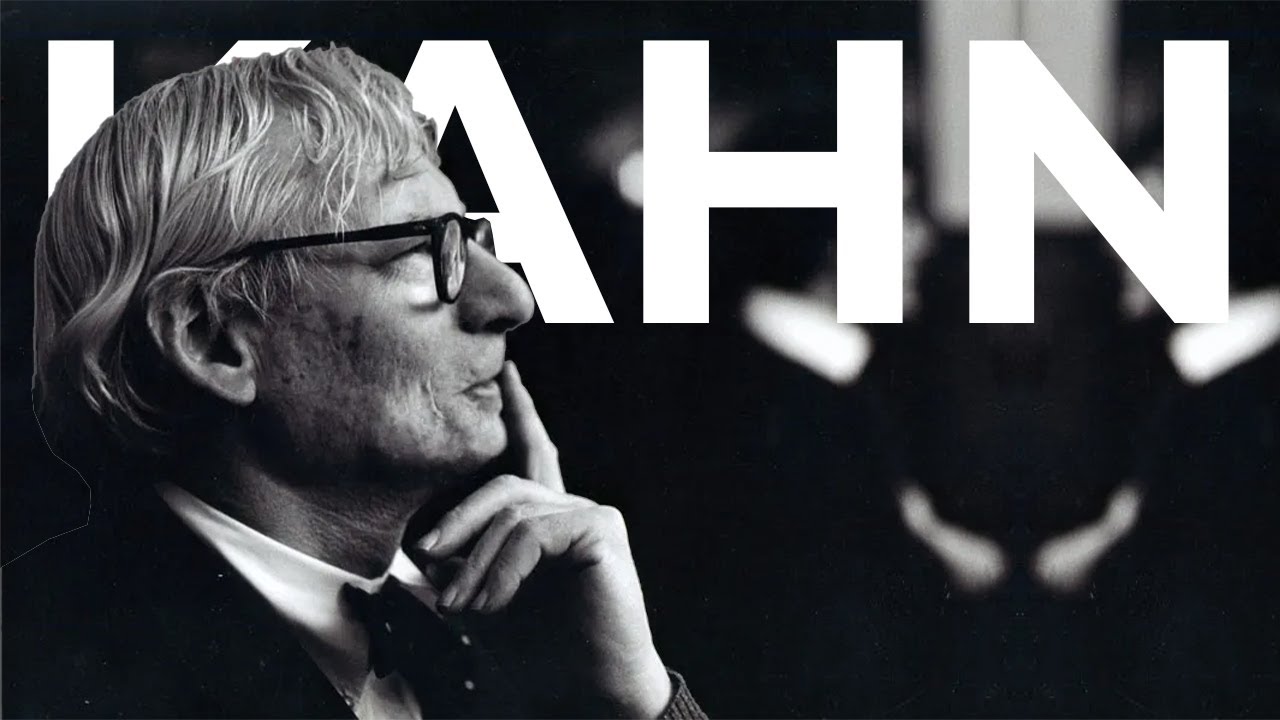
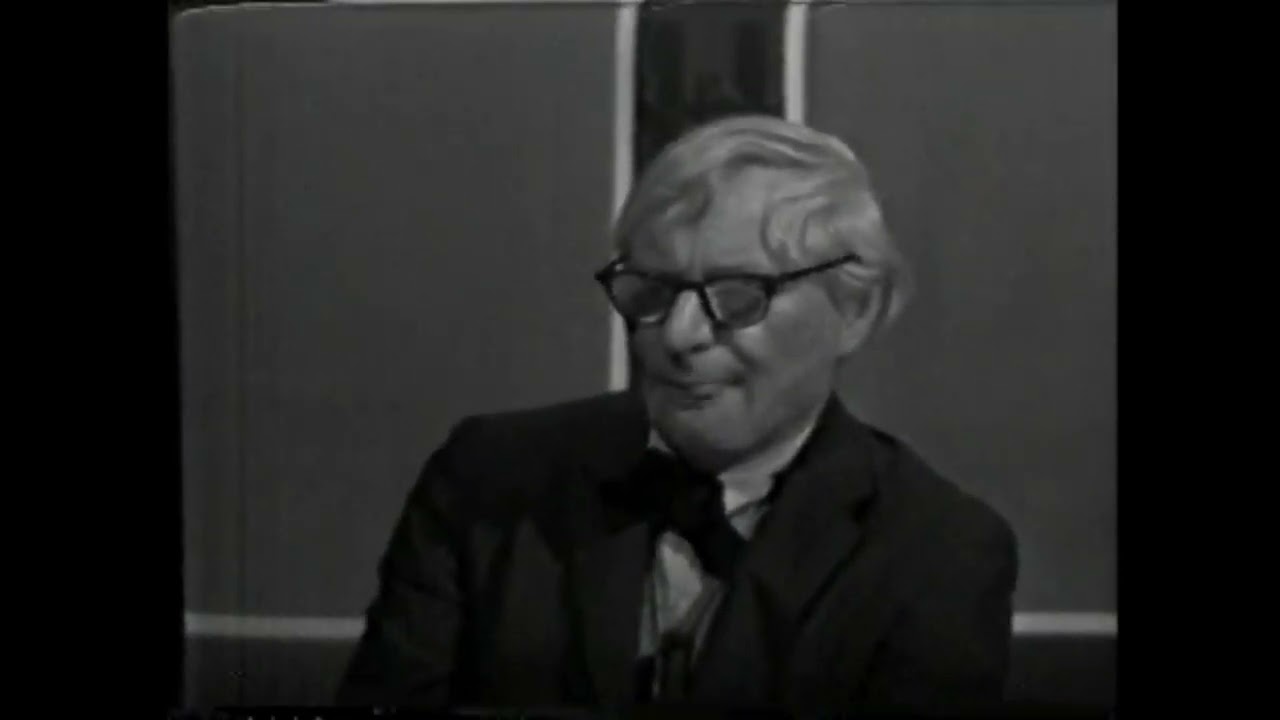
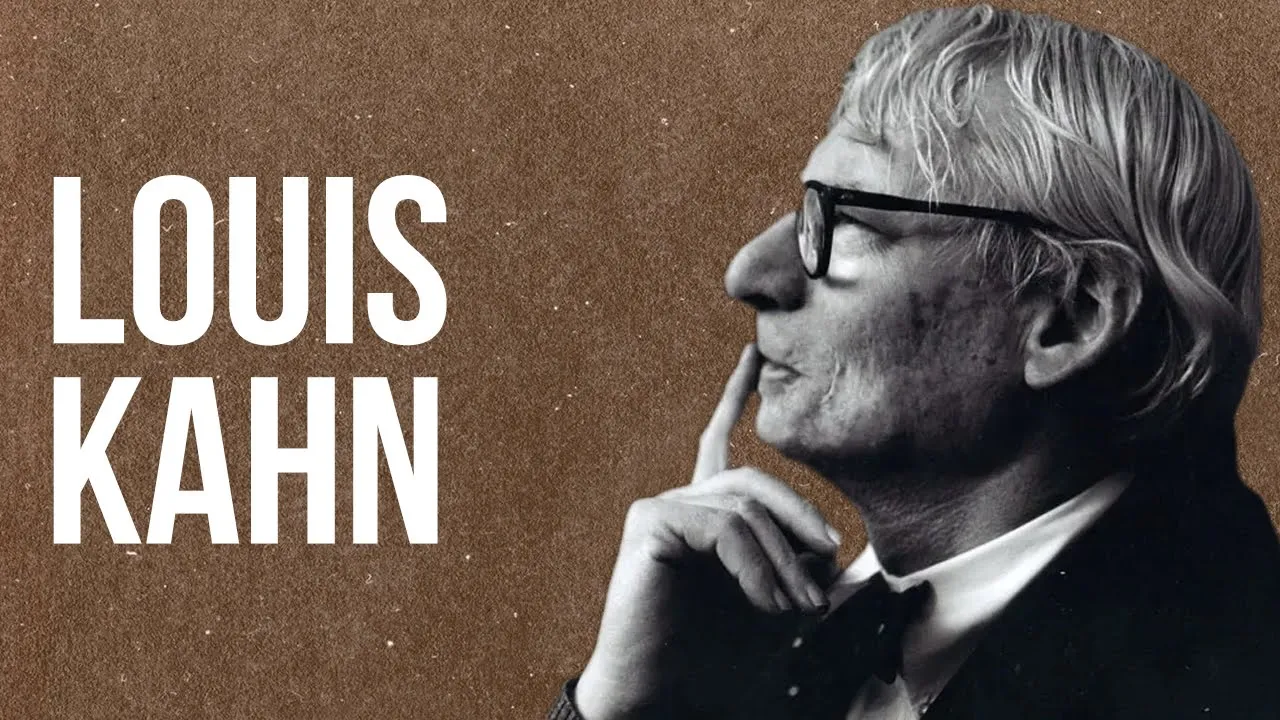
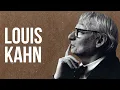
this is the question so beautifully answered by one of the greatest of all modernists the american architect louis khan khan was born in russia in 1901 and emigrated with his parents to the u.s at the age of three as a young man he studied architecture at the university of pennsylvania but his career truly blossomed in the 1950s after a trip to rome led him to a new appreciation of the beauty of ancient roman architecture khan's major contribution to modern architecture was to include ancient elements in his work without losing the innovation and clarity of modernism
he reminded the modernists that they could be in dialogue with their most illustrious predecessors one symptom of the successful rehabilitation of the old was khan's affection for symmetry which many modern architects had come to view as authoritarian unimaginative and conformist khan designed the salk institute in la jolla california as a complex of buildings identical on either side of a central fountain a symmetry characteristic of what is known as the bosar style khan was unperturbed by this apparent regression if people want to see buzar it's fine with me he said i'm as interested in good architecture
as anybody else like a city planner for 19th century paris or berlin khan used identical rows of buildings to draw the viewer's eye to the center of his design and out beyond it the fountain that runs through the center of the institute aligns with the path of the sun on both the autumnal and vernal equinox khan used symmetry not as an aesthetic default but with great intentionality to provide one with a sense of balance focus and momentum khan also managed to create a feeling of grandeur rarely seen in modern architecture we might gape at the
height of a skyscraper but rarely does it evoke the kind of ore that a great cathedral can generate khan managed to reintroduce a feeling of magnificence into modern works in the yale center for british art he draws the viewer's eyes upwards to the high windowed ceiling much as though it were the dome of a church even the staircases create a sense of lofty space and height rather than resorting only to steel concrete and glass khan regularly sought out a wide variety of older and more sensory materials he worked with the best consultants to find new
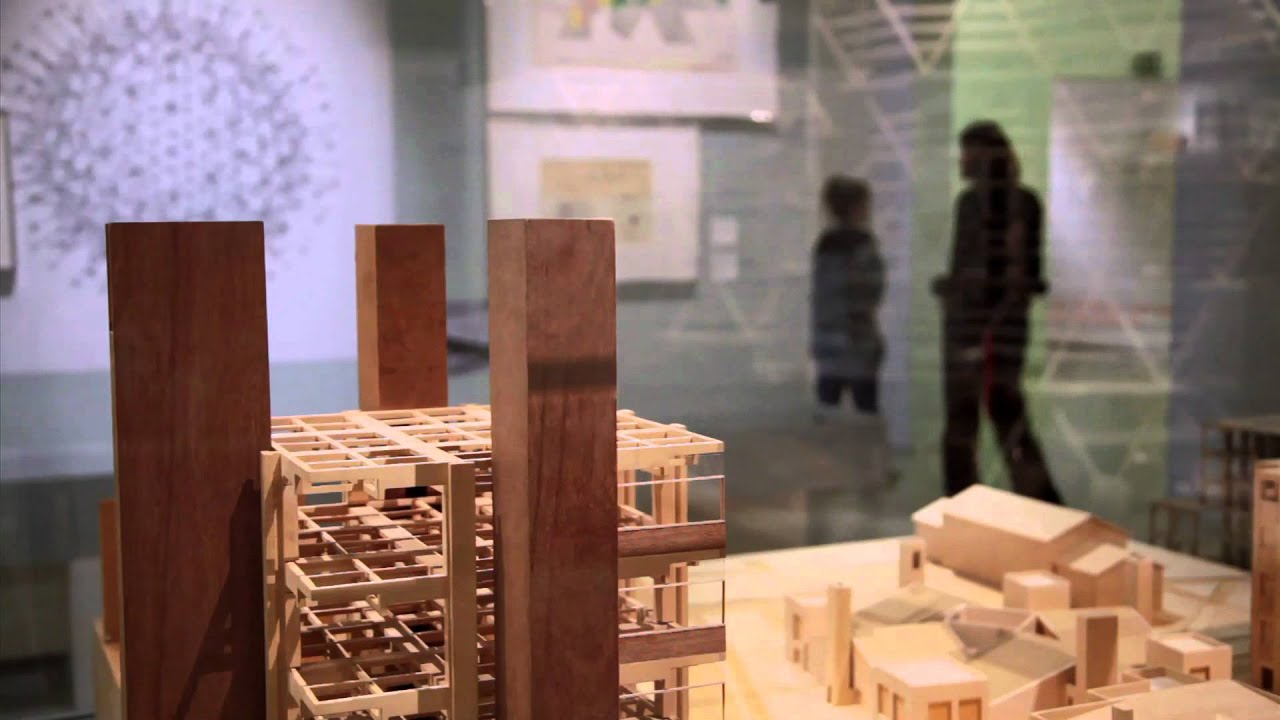
uses for ceramic copper and especially brick khan liked cleverly to juxtapose older and newer materials like oak with concrete we tend to associate oak with tradition victorian smoking rooms or solemn libraries while concrete reminds us of impersonal factories and remote futuristic buildings but put together the two mediums demonstrate strikingly different yet remarkably complementary virtues the wood gives off a feeling of warmth and domesticity while concrete provides a sense of strength and stability the combination subtly promises a reconciliation between the old and the new between comfort and security khan was drawn to the idea of making
buildings that would feel like monuments at a time when most modern architects firmly rejected monuments as authoritarian and sentimental in 1938 the architectural critic lewis mumford declared if it's a monument it's not modern if it's modern it cannot be a monument but khan rather liked the feeling of authority and was confident enough in his democratic credentials not to mind borrowing from some of the moves of more dictatorial regimes after his important trip to rome he wrote i finally realized that the architecture of italy will remain as the inspirational source of all works of the future
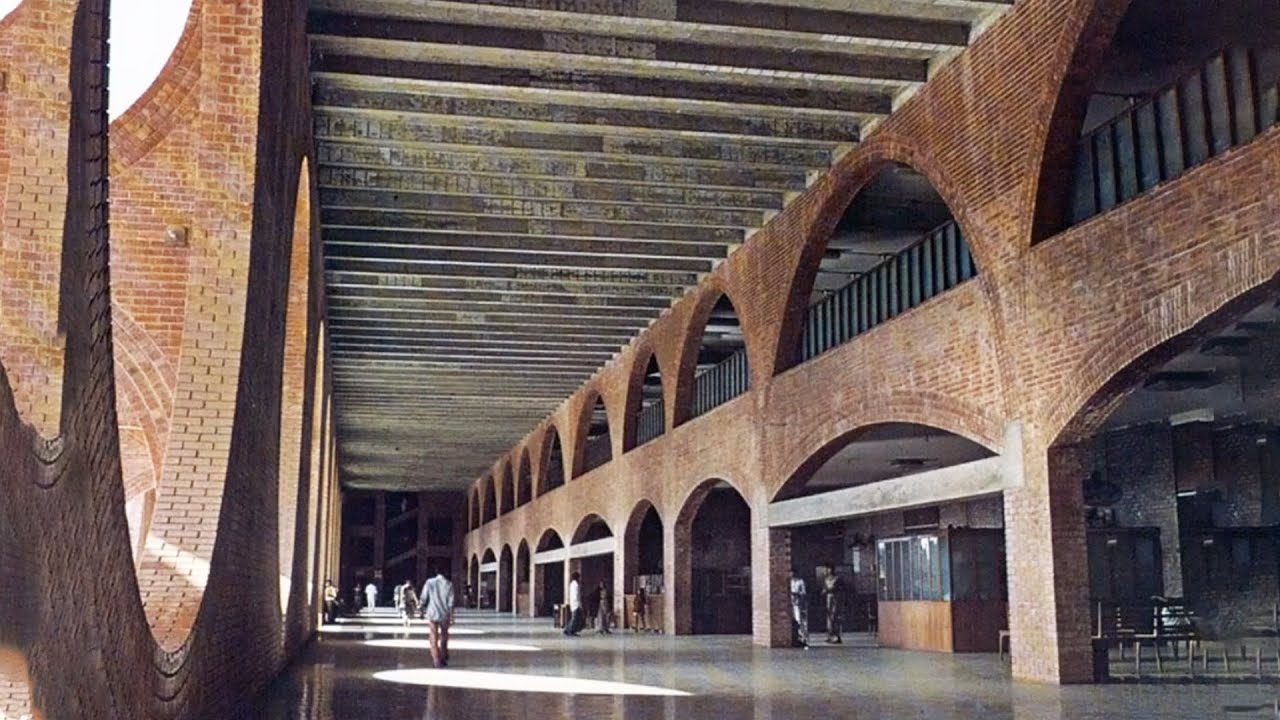
those who don't see it that way ought to look again our stuff looks tiny compared to it his most substantial building was perhaps the national assembly in dakar bangladesh though recognizably modern it also seems in some ways eternal in its massiveness echoing to the memories of the cathedrals the great mosques and even the pyramids many of khan's buildings feel luxurious but this isn't the luxury of glitz or gold of an oil-rich kingdom rather the luxury of buildings that aspire to still be around in 600 years time the luxury of eternity the kimball art museum in
texas uses travertine marble white oak and concrete arranged in 300 foot bays each fronted by an open barrel vaulted portico it's possibly the most beautiful building in the world when khan died in 1974 he was the most famous architect in the united states and he remains deeply influential to this day his ultimate importance lay in his ability to transcend dogmatic modernism and return the best elements of traditional architecture to their rightful place in the canon he reminds us that the real goal of buildings isn't so much to shock dazzle or confuse as to be the
equals of the venerable buildings we've long loved in the ancient world our online shop has a range of books and gifts that address the most important and often neglected areas of life click now to learn more
![Louis Kahn’s Architecture of the Room [Trenton Bath House, Esherick House, Exeter Library]](https://img.youtube.com/vi/lZGOyBzy5c8/maxresdefault.jpg)