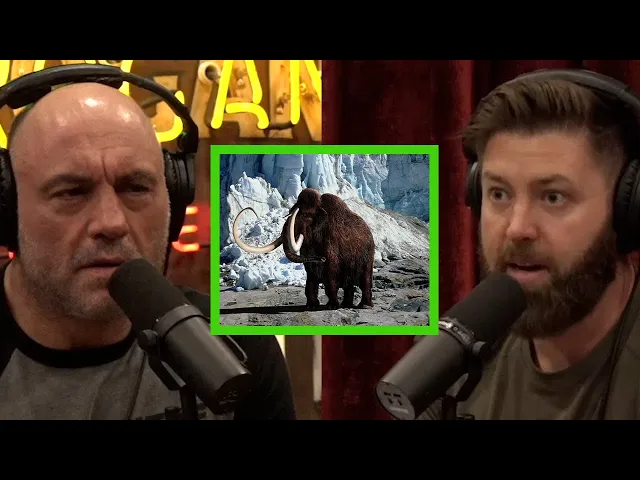
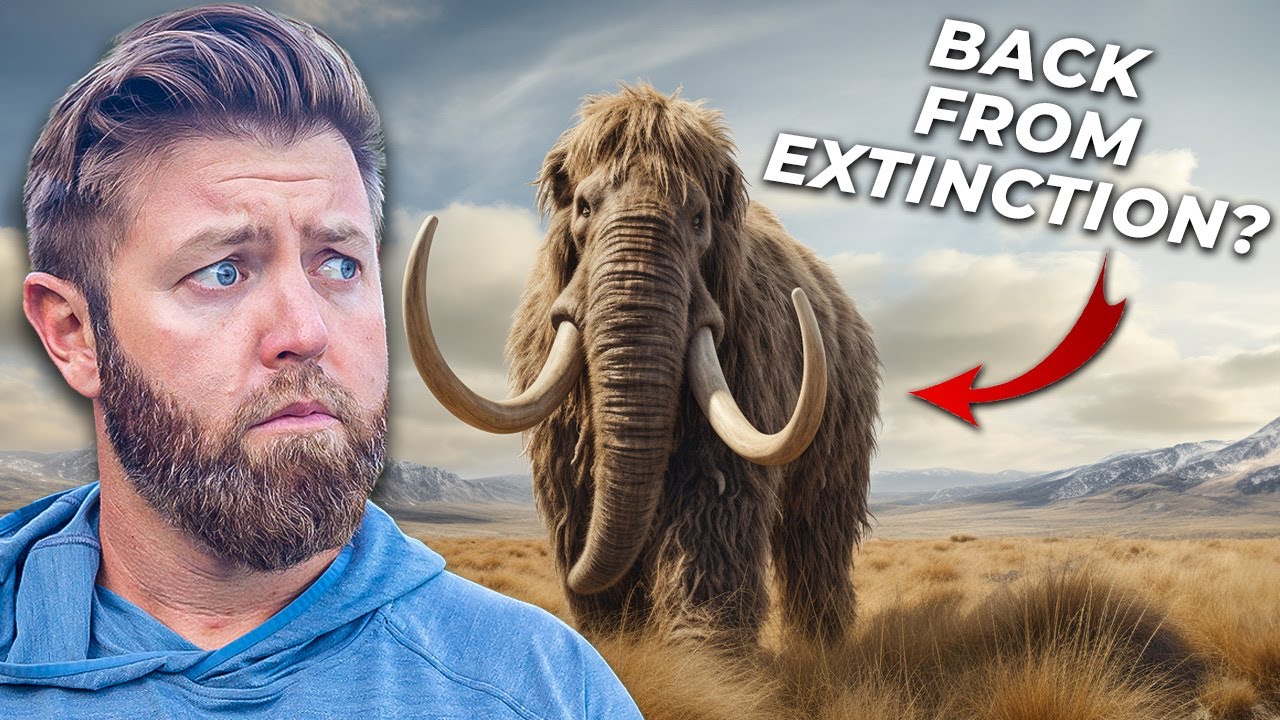
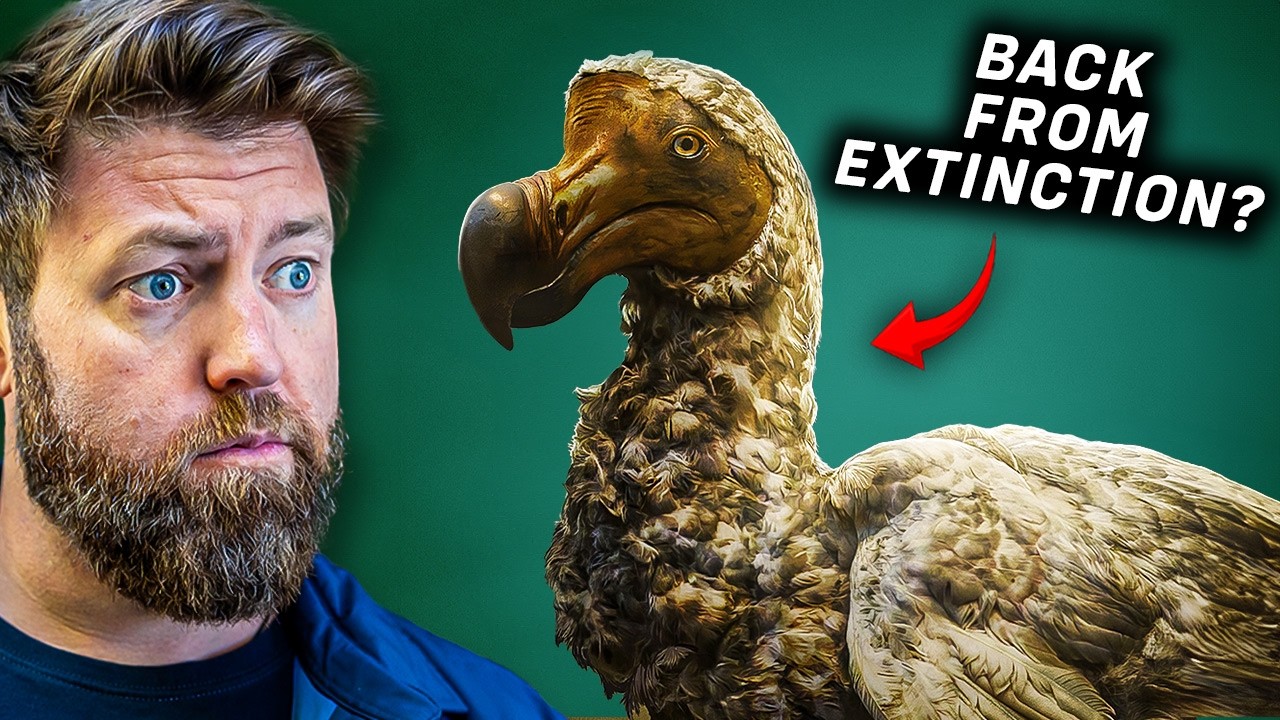
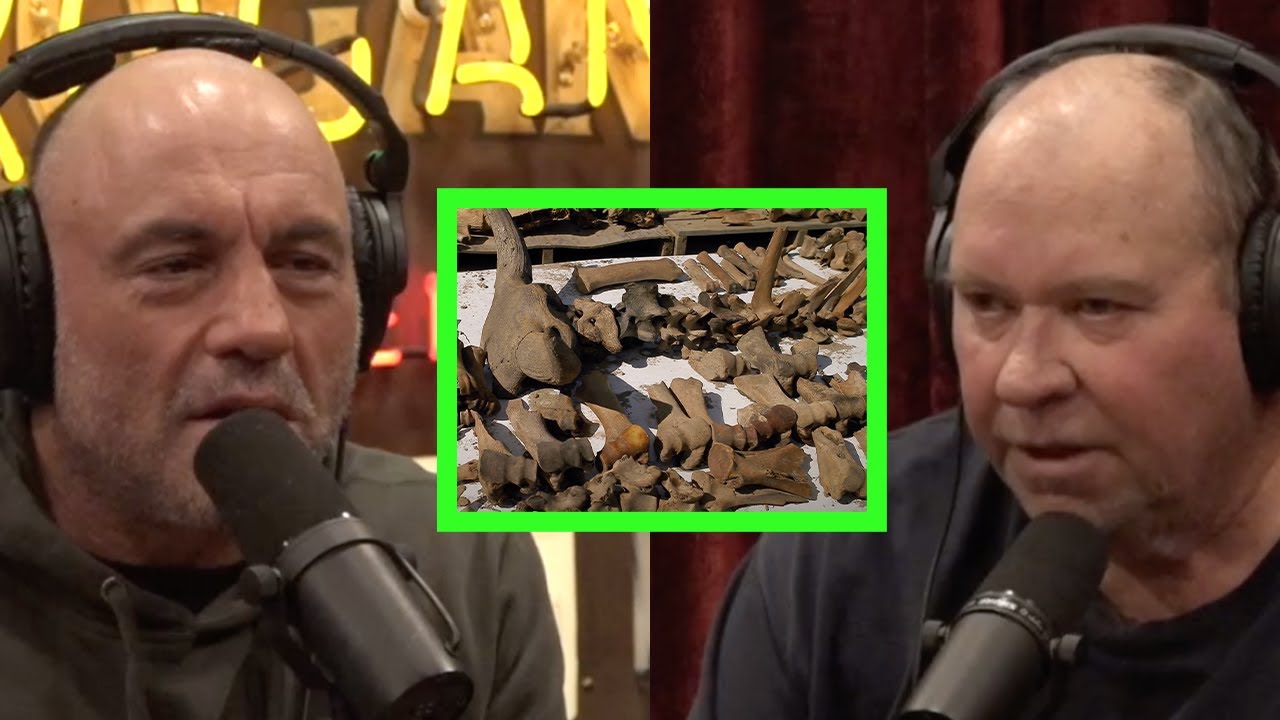
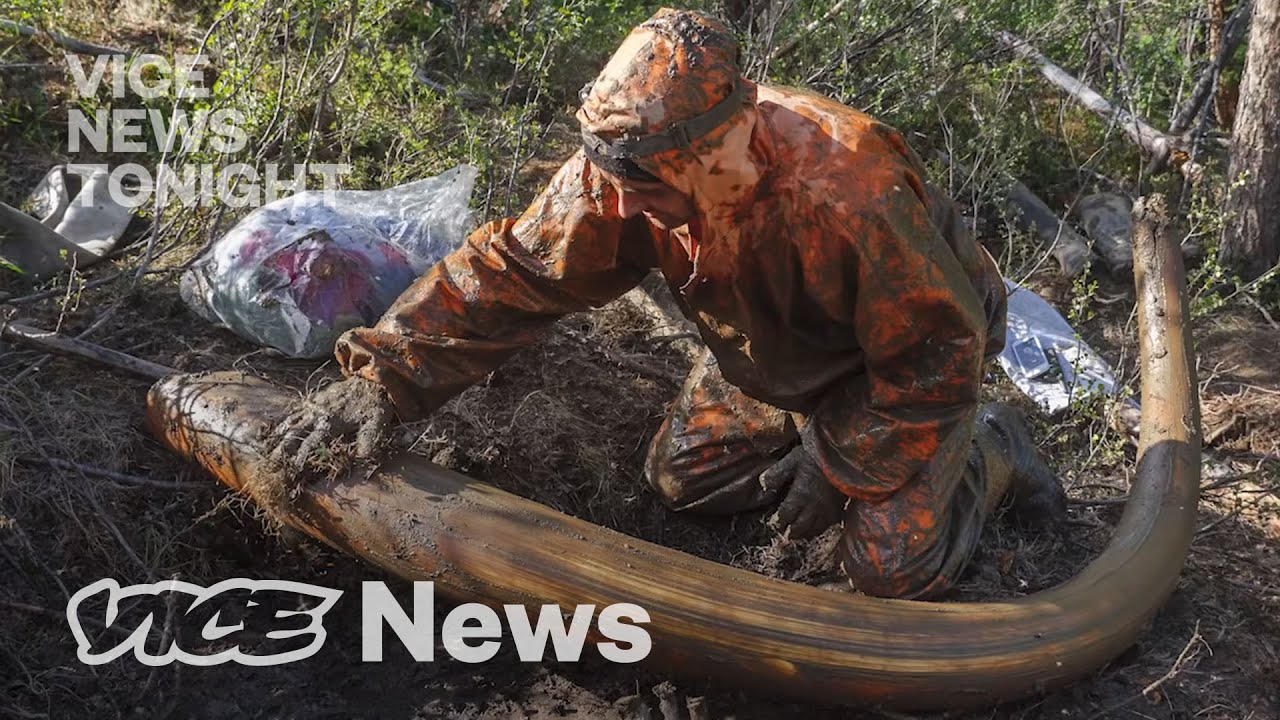
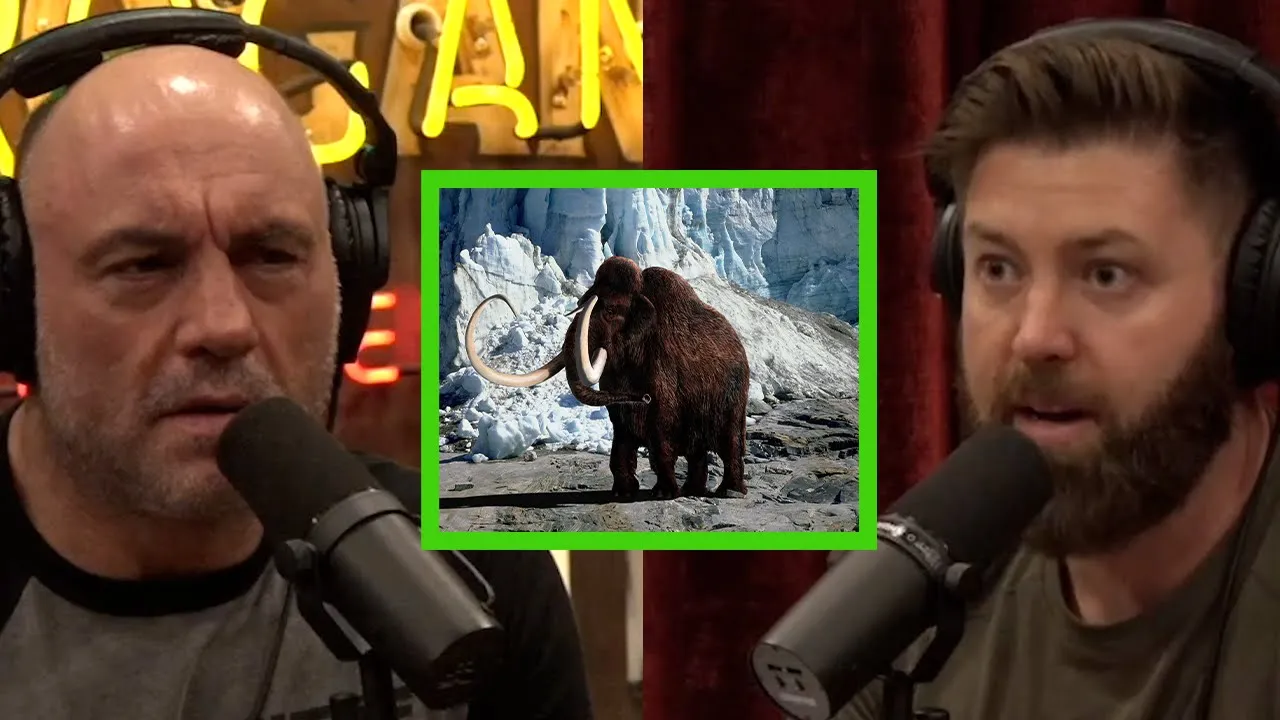
The Joe Rogan Experience um so I wanted to talk to you about this cloning and the the rewilding of the mammoths and yeah all that stuff I'm going to colossal tomorrow to to learn a little bit more about it explain Colossal yeah so colossal biosciences is this if you ask me incredible company and they are by their own declaration a de-extinction company so it's this guy Ben lamb and he's got George Church who's a world leading um a cellular scientist I don't know the specifics you know of the extinction and cloning of crispr and so
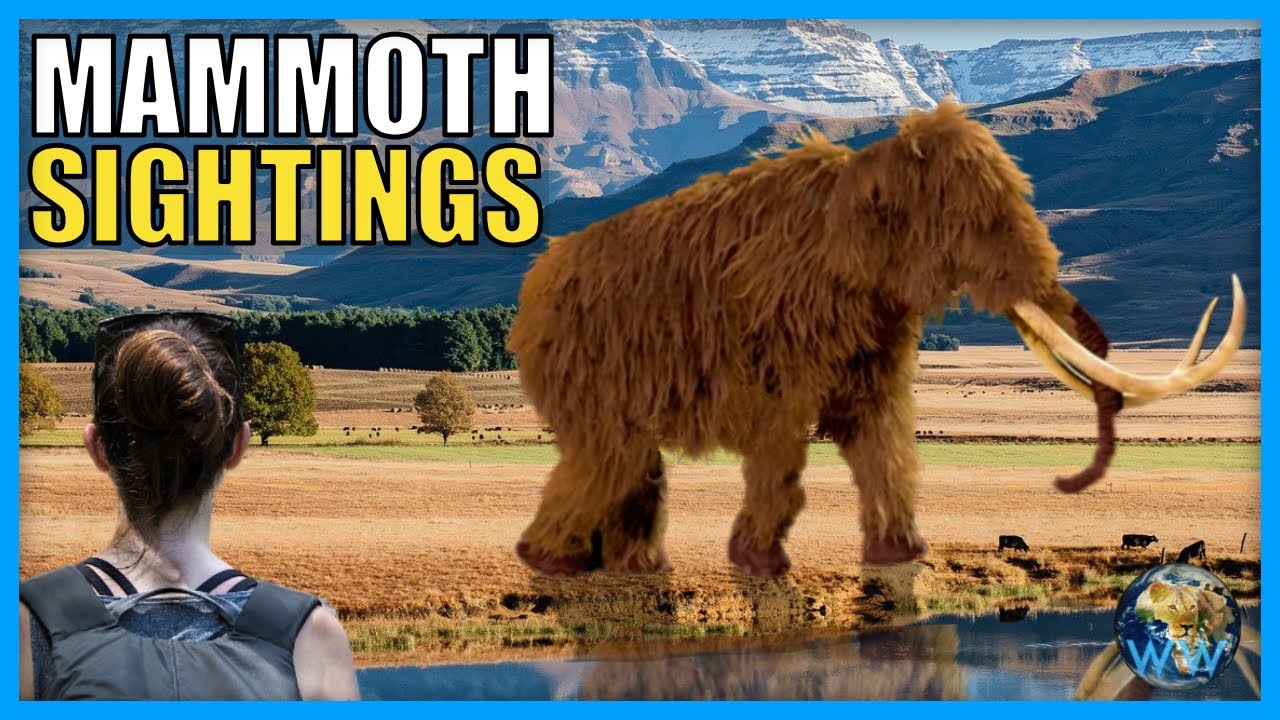
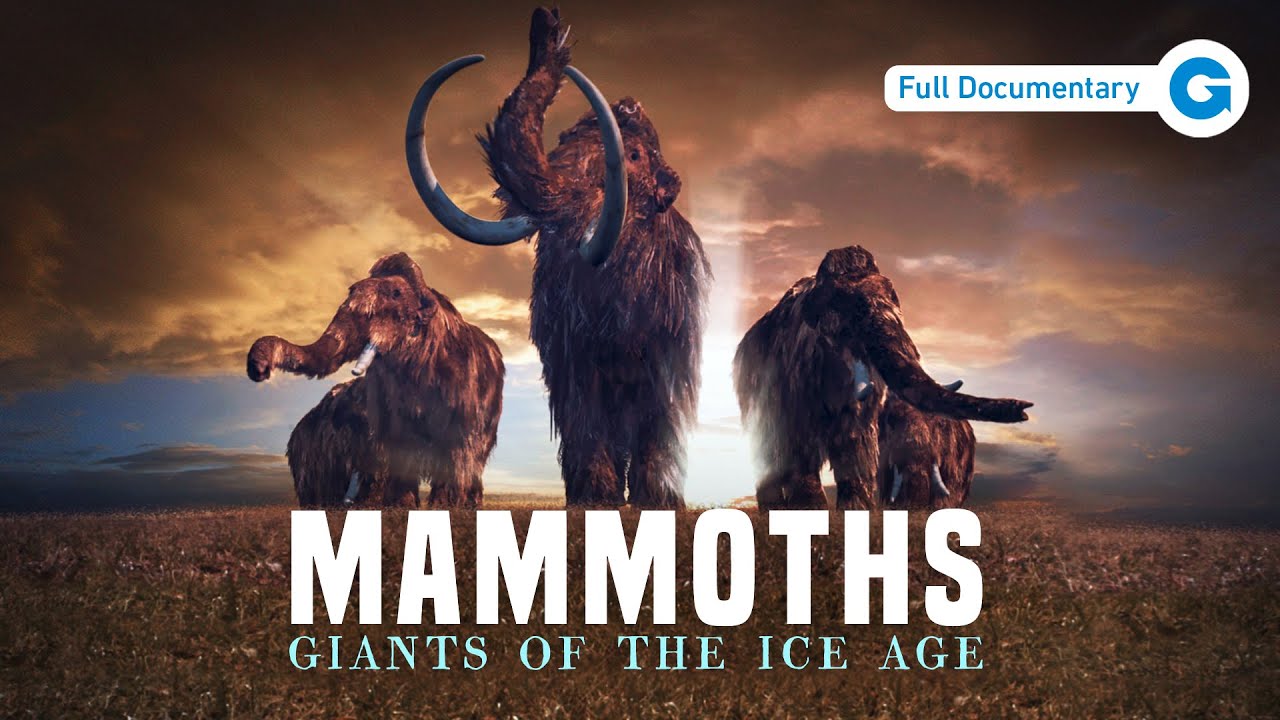
on and so forth and they've come together and raised a ton of money and they are de-extincting animals and the science is there like it's done all it took was the the money basically behind it and they've put together this incredible Rolodex of scientists and people and it's it's it's real life Jurassic Park with purpose where are they gonna put them uh so there's a couple different things going on so the first one they're working on is the woolly mammoth right and this isn't just for fun this is this has real like important conservation implications
which is really fascinating um but they are going they're planning on starting with I think a hundred mammoths and putting them in this place called pleistocene not pleistine Park uh something like that at this park in Siberia um that they've been doing this experiment on as to what happens when you add megafauna back into the Arctic tundra to offset carbon emissions wow and so they're using what DNA they're using elephant DNA and mixing it with something else so it's it's Indian elephant is the closest living relative to the woolly mammoth what does an Indian elephant
look like is it similar to an elephant yeah it's a smaller so African elephants are bigger they have the really big ears right Indian elephants are typically the ones you'd see at the circus you know with the red the pink in the ears the smaller triangular shaped ears so just a different species of elephant um and so they're taking Indian elephants and they're using crisper technology and they're using existing Mammoth DNA and they're making an embryo and then they're implanting it into the Indian elephant and 22 months later an Indian elephants gestation period She will
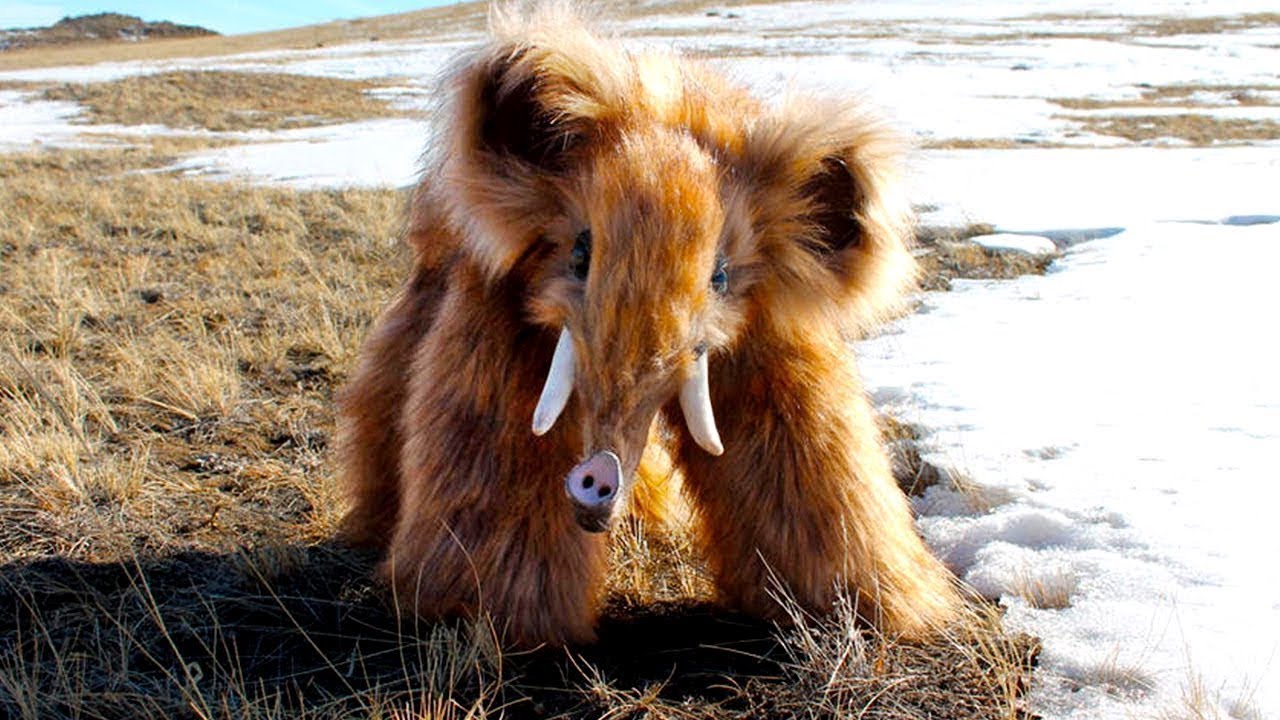
give birth to a mammoth a real mammal a real Mammoth so it's not like a hybrid that's okay that's a good point so it is in the sense of what they do is if you imagine like if you imagine the DNA of an animal right and then you imagine the fragments that are broken out of it right what they're doing is they're taking that DNA of the and I don't understand the cellular side of it very well this is just my base level understanding of it I can talk about the conservation side of it but
they're taking that double helix that DNA and all those pieces that are missing from the mammoth they're putting in um Indian elephant pieces so you end up with an animal that is physically and morphologically identical to a mammoth but has used all of the DNA from the closest living relatives in order to get there boy and this process how long does this take so I think they've been going for about five years on the science but the science of de-extinction and cloning I mean you remember Dolly the sheep right that was like a known thing
so that's been going on for a long time well you can get your cat cloned exactly dog clone exactly for like 20 grand you can clone your dog yeah so it's kind of creepy it is it's bizarre um but the point is the science has been there for a while there just hasn't really been the funding or the motivation for it but what I what I think so fascinating the reason I'm so like emotionally invested in it is the conservation implications that it has because what they're this company's ultimately doing is rewilding species that humans
have removed and that's going to in theory in a lot of places sort of fix the the the offset the imbalance of the ecosystem that's interesting that's really interesting there's a lot of debate about whether or not humans killed off the woolly mammoth though isn't there I think there is yeah I think there is and I I can't really speak on that but I I do know that when the mammoths disappeared so the arc Arctic used to be like the Savannahs of Africa it used to be big grasslands right it wasn't all covered in trees
and things and that's a recent adaptation since the mammoths went away 10 20 000 years ago and so that's what's happened is the permafrost up there is melting pretty rapidly right underneath that permafrost is like one and a half trillion tons of carbon and once that carbon enters the atmosphere it Heats things up like crazy so with by removing those mammoths um you're and I can explain why the Mounds keep it colder but by removing those mammoths it's allowing that permafrost to melt much quicker and release more carbon so the idea from like a financial
standpoint of how they make money is the carbon offset of putting mammoths back into the environment how do they make it colder so it's a couple different things it's um basically when there's trees and shrubs they take in more heat and that heat transfers into the ground so in this pleistocene park this park that they've been doing this experiment in Siberia for a while they have they put in a couple hundred animals that aren't mammoths right they've put in ox and um reindeer and things like that and they're knocking trees over with the tractors and
once they knock trees over and they simulate a mammoth knocking the trees and shrubs over the other the fleet grazers are able to keep the the vegetation from regrowing so when the vegetation doesn't regrow you get all this grassland and the grassland has snowpack the snowpack gets stumped so there's no insulation it reflects more light it just it's like it's like three or four different processes that make the ground I think on average it's like eight degrees colder so it keeps things more Frozen so once we removed all the megafauna from the Arctic through hunting
or maybe other means regardless once they were removed the Arctic got warmer the Siberia and Alaska got warmer and so slowly we're getting more and more carbon emissions from up there but by putting these animals back and I just love the idea of going up to the Arctic and it looking like the African Savannah right with all these incredible animals but um by putting these animals back it in theory will make the Arctic colder slow down the melting of the permafrost which will in turn trap the carbon for longer in the ground