Welcome back to Hydrohaven, fellow soil enthusiasts. Today we're diving deep into what I consider the true secret weapon of successful gardeners, humus. Not to be confused with hummus, the delicious chickpea dip, humus is essentially garden gold that can transform even the most challenging soil into a plant paradise.
If you've ever wondered why some gardens explode with growth, while others struggle despite following the same care instructions, the answer often lies beneath the surface in the quality of the humus. I've spent years perfecting my humus creation techniques, and today I'm sharing everything I've learned to help your garden thrive like never before. Let's clear up the biggest misconception right away.
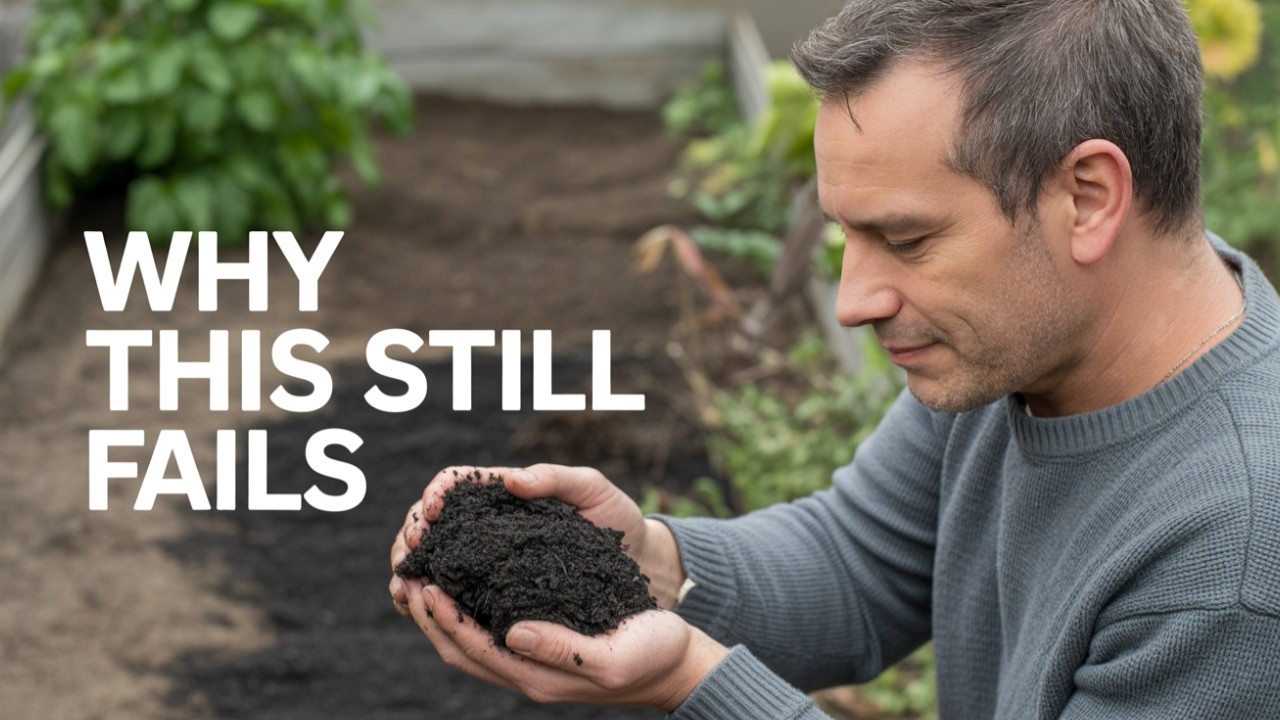
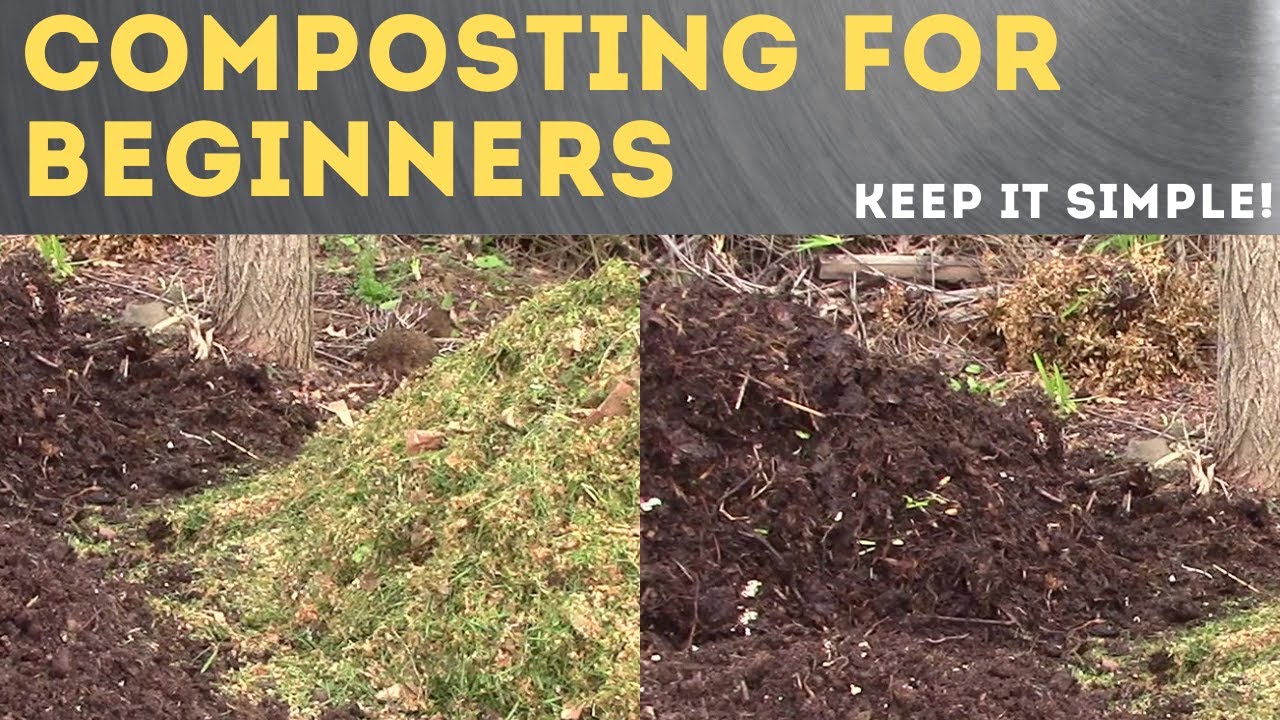
Humus isn't simply decomposed, organic matter, or compost. While compost is incredibly valuable in the garden, true humus is what remains after compost has further decomposed into its most stable form. Think of compost as the teenager and humus as the wise elder.
It's the end stage of decomposition that resists further breakdown. This dark, crumbly substance is composed of complex carbon chains that form after microorganisms have processed organic matter repeatedly. Unlike raw organic material which breaks down relatively quickly, humus can persist in soil for decades or even centuries.
It's what gives forest soil that rich earthy smell and spongy texture that gardeners covet. What makes humus so magical is its unique molecular structure. The complex carbon compounds in humus have incredible properties.
They can hold up to 90% of their weight in water, bind to nutrients that would otherwise wash away, and create the perfect physical soil structure for healthy root growth. A mere 1% increase in humus content can help soil hold an additional 16,000 gallons of water per acre. That's drought protection you simply can't get from any other soil amendment.
Creating true humus takes time, but I'll share three methods I've personally used with great success, ranging from quick solutions to long-term approaches that create the highest quality humus possible. Method one, accelerated leaf mold humus. Fallen leaves are nature's gift to gardeners.
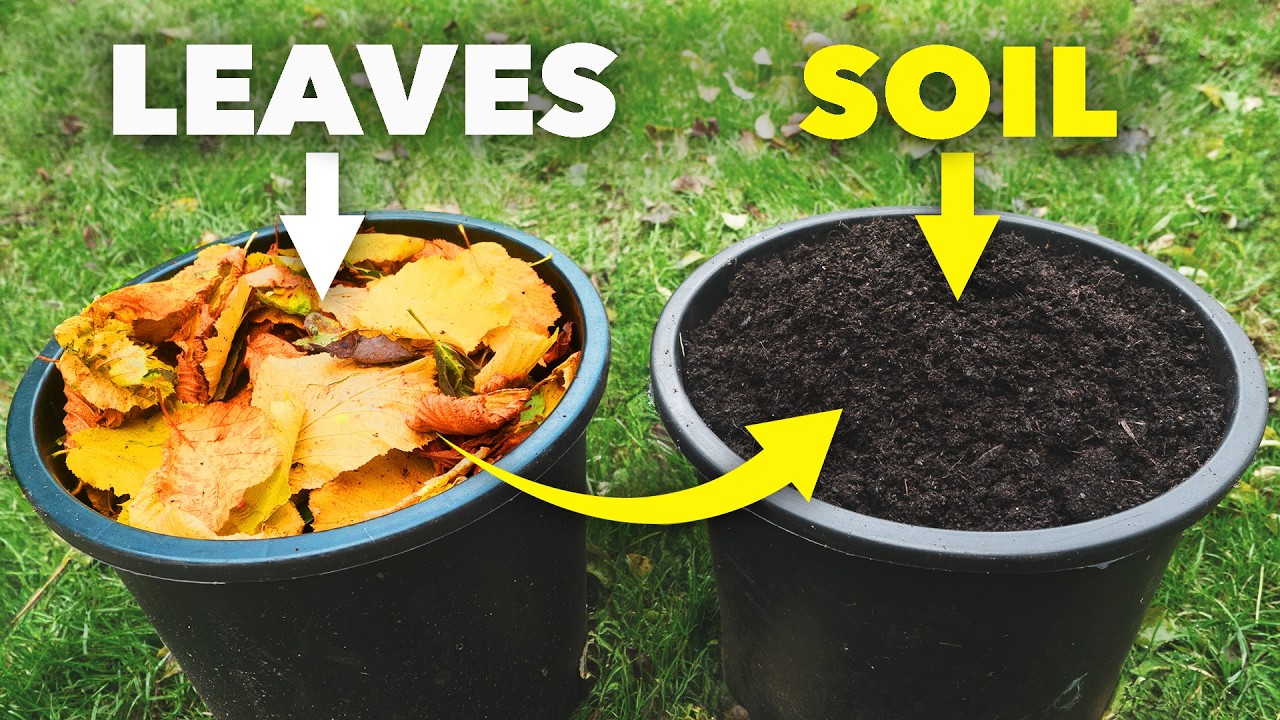
They're packed with minerals and carbon that form excellent humus. To create leaf mold humus, collect deciduous tree leaves in fall. Oak, maple, and beach work exceptionally well.
Shred them with a lawn mower or leaf shredder to increase surface area for decomposition. Place the shredded leaves in a wire bin or large plastic bags with holes punched for air flow. Moisten the leaves thoroughly.
They should feel like a rung out sponge. Here's my acceleration trick. Add a few shovel fulls of garden soil and a cup of finished compost to inoculate your leaf pile with beneficial microorganisms.
Turn the pile monthly and keep it moist. In warm climates, you'll have partially decomposed leaf mold in 6 to9 months. But for true humus rich leaf mold, allow it to decompose for 18 to 24 months.
The finished product should be dark brown to black, crumbly, and smell like a forest floor after rain. I use this method to process over 50 bags of neighborhood leaves each fall. Yes, I'm that person collecting bags from curbs.
The resulting humus has transformed my heavy clay soil into something that feels like chocolate cake and grows vegetables that make neighbors stop and stare. Method two, vermicmpost humus extraction. Worm composting creates some of the richest humus available to home gardeners through a two-stage process.
First, establish a thriving worm bin with red wiglers processing your kitchen scraps and cardboard. After 3 to four months of regular additions and harvesting castings, you'll have wonderful vermma compost. But we're going to take it a step further to extract the purest humus.
Take finished worm castings and mix them with decllorinated water at a ratio of 1:5. One part castings to five parts water. Stir vigorously, then let the mixture settle for 24 hours.
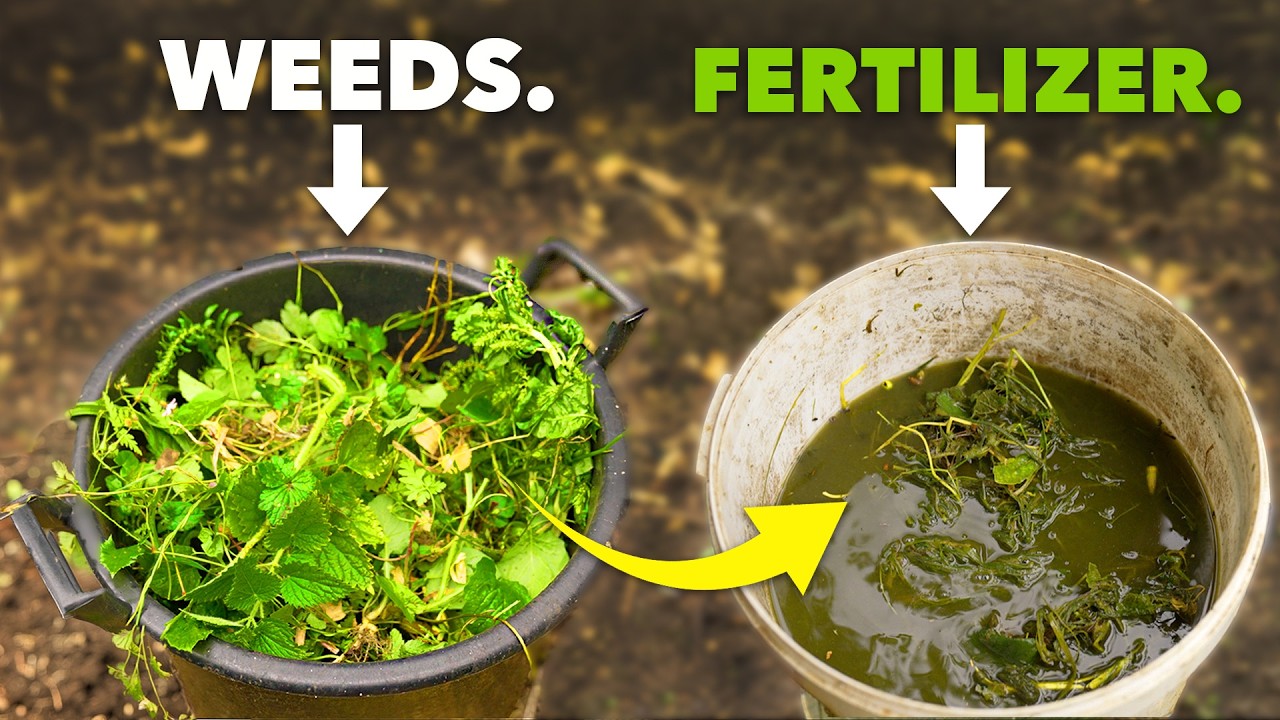
The liquid portion now contains dissolved humic substances, essentially liquid humus. Carefully siphon off this liquid, leaving the settled solids behind. This humus extract can be used as an incredible foliage spray that plants absorb directly through their leaves or as a soil drench that immediately improves soil structure.
I apply this extract monthly to my most valuable plants. My heritage tomatoes, treated this way, produce nearly double the fruit of my control plants. Method three, biologically active sheet mulching.
This method creates humus directly in your garden beds through controlled layered decomposition. Start by laying down a layer of cardboard or 10 to 12 sheets of newspaper directly over existing grass or weeds. Thoroughly wet this layer.
Then add alternating layers of high nitrogen materials like grass clippings, kitchen scraps, and fresh manure and high-carbon materials such as straw, dried leaves, and wood chips in a ratio of roughly 1 to three. The secret to making this method produce true humus rather than just compost is adding what I call biological activators between layers. A thin sprinkling of good garden soil, finished compost, and if available, biochar.
These inoculants introduce the diverse microbial communities that transform organic matter into stable humus compounds. Build your sheet mulch to at least 12 in high. It will shrink considerably.
And cover with a 2-in layer of finished compost. Water thoroughly and cover with cardboard or a tarp for 2 to 3 weeks to jump start decomposition. Remove the cover and plant directly into the sheet mulch.
As plants grow, the layers beneath continue decomposing, creating humus right where plant roots can access it. I've used this method to establish new garden beds over lawn areas without digging. And within a year, the soil beneath transforms into rich humus growing medium that supports even heavy feeders like corn and squash.
Using humus as a key ingredient in potting mixes. Humus isn't just for garden beds. It's absolutely transformative in container growing.
While you shouldn't use humus as the sole ingredient in potting mixes, plants need physical structure that pure humus doesn't provide. Incorporating it strategically creates container soil that outperforms expensive commercial mixes. My signature potting mix uses humus as a core component in this formula.
40% well-aged pine bark fines for structure, 30% humus rich leaf mold, 20% coarse sand or perlite for drainage, and 10% worm castings for microbiological activity. This blend provides incredible water retention while maintaining perfect irerration. And the slowrelease fertility from humis compounds supports plants for an entire growing season with minimal additional fertilization.
Troubleshooting common humus production issues. Even experienced gardeners encounter challenges when creating humus. If your leaf mold remains dry and barely decomposed after months, you likely have insufficient moisture or nitrogen.
Fix this by thoroughly wetting the pile and adding a nitrogen booster like grass clippings or a light dusting of blood meal. If your humus building efforts produce a soggy, smelly mess, you have too much moisture and not enough air flow, add more carbon rich browns like torn cardboard or wood chips and turn the pile to incorporate oxygen. Consider drilling additional holes in storage containers or breaking large clumps apart to improve air circulation.
For sheet mulching that isn't breaking down properly, the layers are likely too compacted or too thick. Insert vertical ventilation tubes like perforated PVC pipes every few feet to increase oxygen flow to lower layers. And you know, make sure you're not layering any single material more than 2 to 3 in thick.
Beyond the basics, enhancing humus quality. To create truly exceptional humus, consider these advanced techniques I've refined over years of experimentation. Add crushed eggshells or oyster shell flour to your decomposing materials.
The calcium not only balances acidity but also helps form more stable humus compounds through calcium humate bonding. Incorporating small amounts of clay into your humus production systems creates clay humus complexes that further stabilize organic matter. I collect small amounts of subs soil clay from deeper dig projects and add it to my leaf mold piles.
Just a few handfuls per cubic yard of material. Perhaps most transformative has been my use of biochar and humus production. This specialized form of charcoal creates a perfect habitat for soil microorganisms while binding with humus to form exceptionally stable carbon structures.
Pre-charge biochar by soaking it in compost tea before adding it to any humus building system. Putting your humus to work. The garden applications for quality humus are nearly endless.
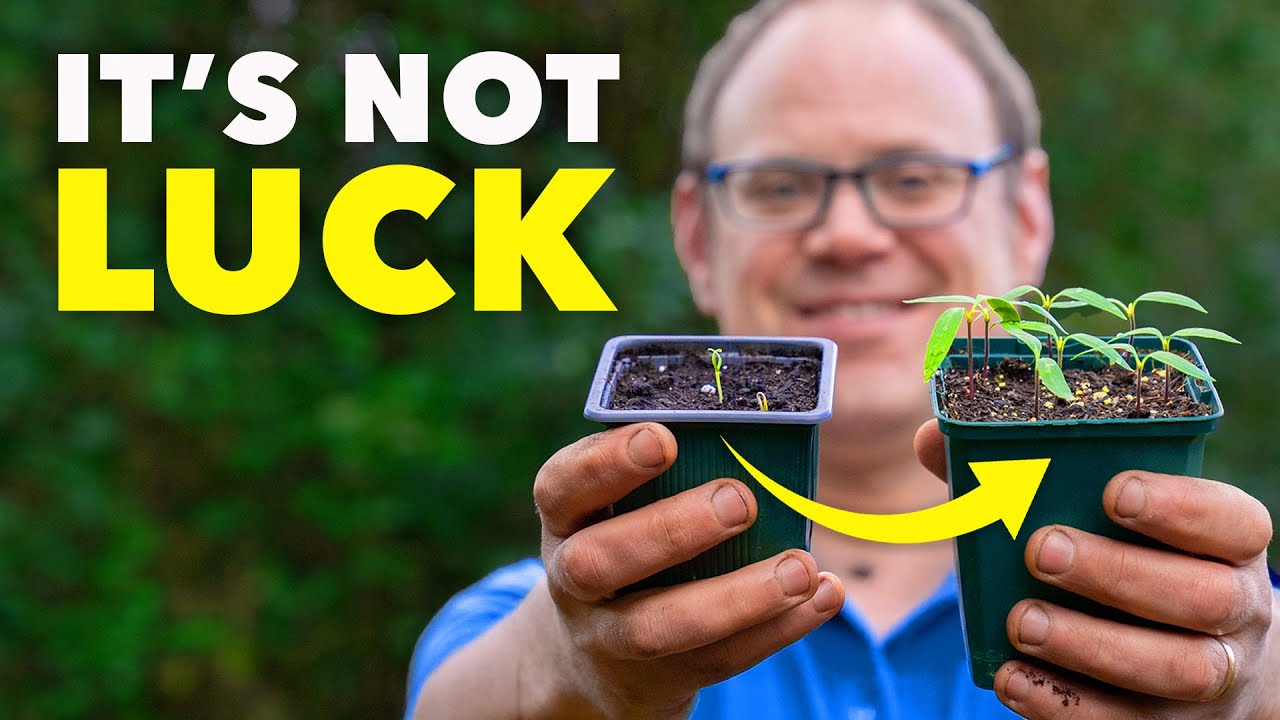
Use it as a seed starting medium component about 20% of your mix to improve germination rates and reduce damping off disease. Apply it as a 1-in top dressing around perennials and shrubs each spring to improve soil structure and fertility without disturbing roots. For establishing new trees, mix humus directly into backfill soil at a rate of about 20 to 30% by volume.
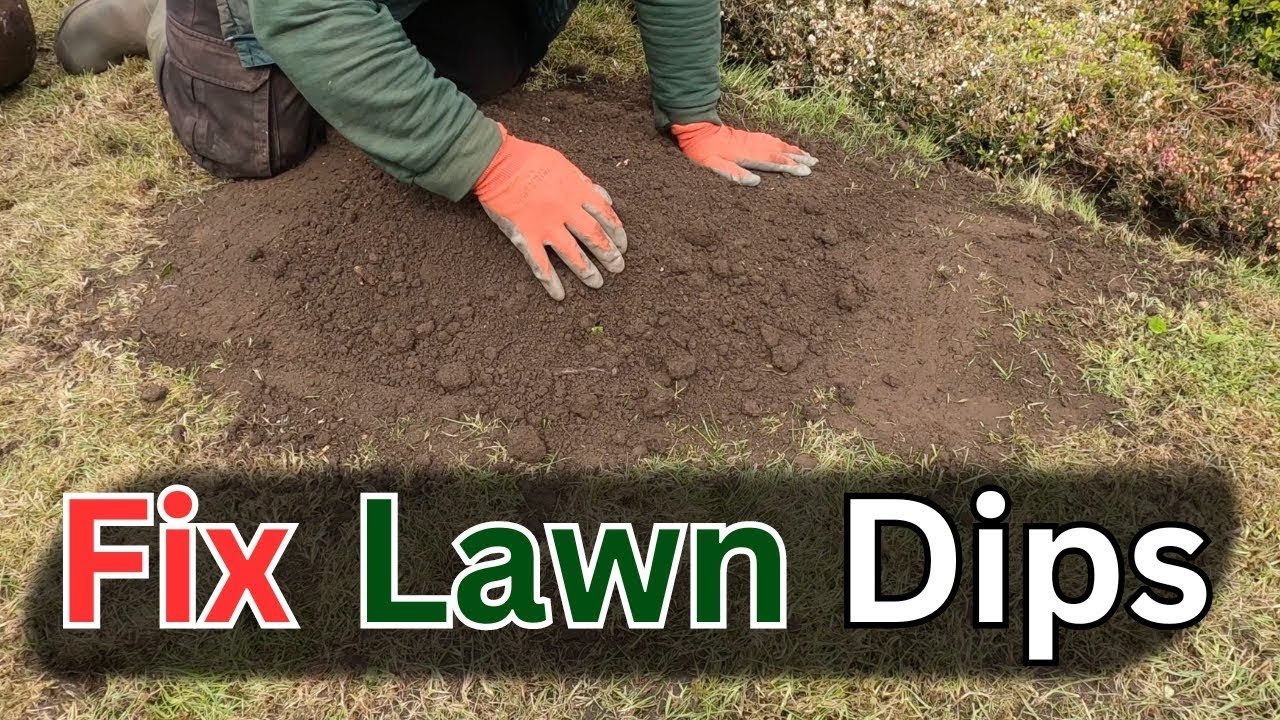
The water retention properties dramatically reduce transplant shock while the stable organic matter provides years of slowrelease nutrients exactly where growing roots will explore. Perhaps the most valuable use is as a soil remediation tool for challenging sites. I've transformed heavy clay sections of my garden by annually incorporating just a 2-in layer of humus rich material, gradually creating a transition zone where plant roots thrive.
Similarly, in sandy areas prone to drought, humis acts like a sponge, holding moisture that would otherwise drain away immediately. Thank you for joining me on this deep dive into what I consider gardening's most valuable resource. If you've enjoyed learning about creating and using humus, please hit that subscribe button and join our Hydrohaven community.
Share this video with a gardening friend who's looking to take their soil to the next level. Drp a comment below sharing your own humus making techniques or questions. I personally respond to comments and love learning from our community's collective wisdom.
Until next time, happy growing.