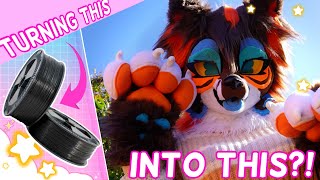
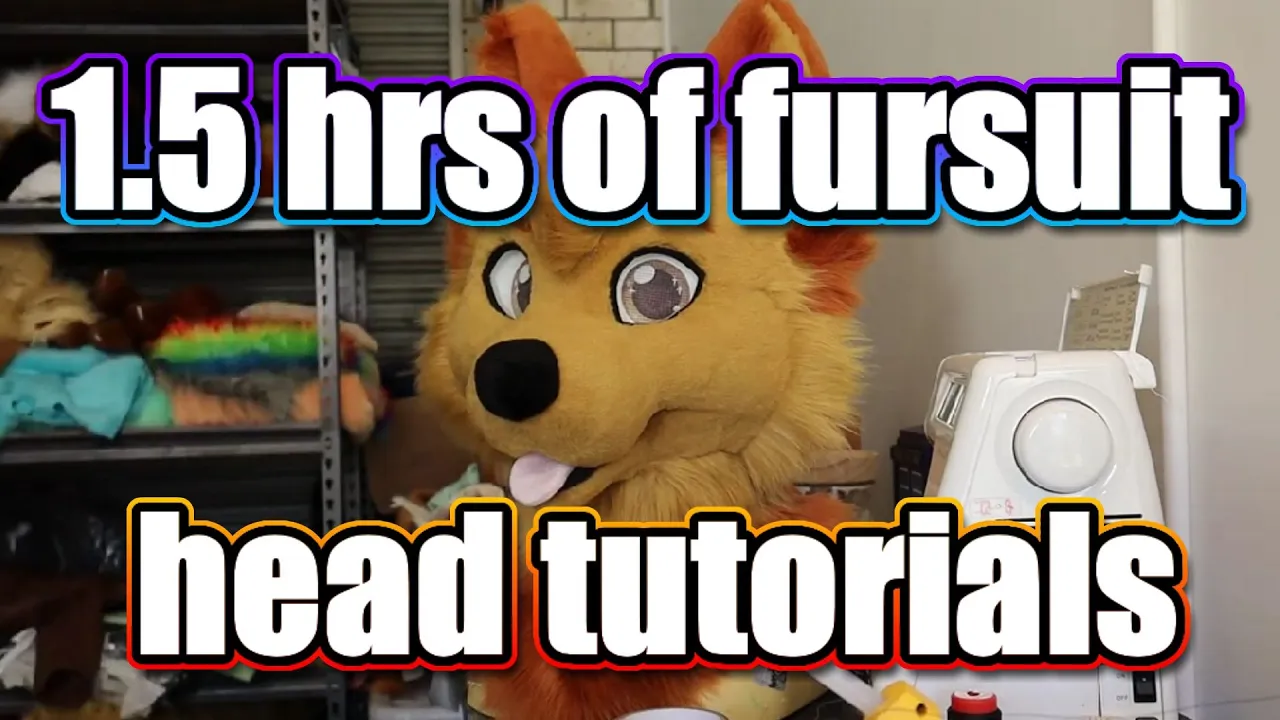
This video is made with generous donations from amazing FES just like you I right all right hello everybody and welcome to another Buckethead base tutorial but Skye didn't you already do this one yes I did unfortunately my brain decided to be the consistency of tined spaghetti that day and I made a very very big error and that is I will cover that in a second but we're going to remake it and Hopefully it'll be better this time who knows so yes this specific tutorial is for this pattern my bucketed base pattern which is available for
sale on my website I'm going to walk you through how to use this woohoo let's get cracking the pattern comes with front page then it does have a picture guide um on how to put it together so you don't really need this video in theory I'm going to rip that off cuz I'm here to do that bit so we're going to be Doing this bit so I'm going to let you know what we need for this project first up so the error I made in my previous video was I told you you needed 1 to
2 in thick foam incorrect 1 to 2 cenm thick foam you can go a little bit thicker if you want this is a high density one though which I think is kind of important to mention because I have tried low density stuff before it just doesn't hold together that well it's just not worth it so 1 cm thick foam You'll see how much you need when you do up your pattern so there's that we have the pattern obviously although I will show you how to make it without the pattern in case you don't want to
spend $5 to pay for it scissors scissors um I have tape to reassemble the pattern because we can't keep it all on one page cuz P paper's small Sharpie to draw on our phone with glue sticks to glue things with and a Glue gun glue things with let's get started shall we all right oh and oh right hat measuring tape as well I also have that um in case you want to make it yourself and also to measure your face so I'm going to take a second to cut out this pattern the link for this
will be down in the description along with all my other patterns triangle now I would like to say this pattern is really easy to draft yourself You don't need to pay for the pattern I just made this for people who don't want to learn how to draft it themselves but it's really really easy guys so don't don't worry about it if you're like I can't afford the pattern so make it yourself [Applause] put my hair cuz I think it's getting it's touching my mic and I don't like that with the patent pieces we should have
small Rectangle big rectangle triangle one side bit one middle bit and another side bit now we're going to tape those three together to make a really long bit long piece that is our pattern completely assembled and ready to go disclaimer I will not be using this it will look the same though so don't worry I will make sure to clarify which piece is which now I'm just going to quickly check the measurement of this and I recommend you do the same so this Is exactly 23 in so if you're making this at home I will
show you how to correctly size this so we're going to take our roll of 1 cm 1 cm not 1 in 1 cm take foam okay so this is what we're going to start with now if you not using my pattern I will show you how to make your own because it's really easy it's really really easy okay so the first thing you're going to do is you're going to take your measur tape and you're going To take a measurement around the top of your head where your hat line sits so my head size is
22 and 1/2 in um take your own figure out what it is so the first thing I'm going to do is I'm going to take my first measurement which is 22 1/2 and I'm going to add 1 in to it so in my case it'll be 23 and 1/2 and that is the first measurement we're going to make across this one here is 23 in you may need to add a little bit on and I will Show you how to do that but first for people who don't don't have the pattern we're going to do
that now so I'm going to mark up just bring it relatively close to to the bottom it doesn't need to be too close so I'm just going to mark that there now to measure how tall this needs to be now this height is actually perfectly fine um so I might actually stick with this just for the sake of Simplicity although I might want to extend my chin a little Bit more so when I do my head bit measurement like how tall I want this piece to be I measure from my middle of my forehead to
just probably about your first like thumb length past my chin so I'm going to go with there that's about seven so it's really close so this is 6 and A2 so I'm going to use this bit as just a guide I'm going to add an extra little bit of a half inch there so I'm going to go with set check that Again 7 and 1/2 is not quite there so I mark it Mark my 7 and 1/2 in for height um one thing I'll also Mark is the center so 23 and 1/2 uh half of
23 and 1/2 is half of 23 11 and 3/4 so it's roughly there is I'm going to follow that line all the way up and then if you haven't already finish off your lines if you want to take extra measurements on the sides just to know where to draw you can but I'm Honestly not that fuss about it so I'm just going to kind of eyeball it cool we have our Baseline measurements now just to recap what we've done so so this length measurement around your head plus one Edge this one from your forehead to
your chin just pass your chin Okay so we've got our shape basic shape to go if you are using this and it is too small either downwards or upwards just add that on when you're tracing it the next measurement piece we're going to do Is we're going to go from the top center of our head I'm going to go I think that's it roughly we're going back down to where our measurement was for our hat line so that for me was is 5 in apparently so basically what you're going to do is you're going to
take that measurement from there to there and you're going to double it so in my case I'm just going to use this 9 and 1 half one cuz it's close enough to the 10 that I need for me probably only Want to make this this is 2 in thick it doesn't need just you know a decent thickness so I'm just going to trace this one and I'm going to trace along the edge just to save some foam so I'm going to trace it along the edge of what we've previously [Applause] done now I have marked
on my patent pieces some lines if you wish to mark them on this if you're patting it yourself you can all it is is just from The it's a line on the center of each side so one there one there and then one you can use measurements for this or you can just eyeball it like that and you need one of these so we're going to put this aside now for the bits that basically sit here all it is is we're doing some maths here okay because basically we want the same measurement from here to
here as we do here to here but we need to connect it to the middle bit so we need to subtract this middle Bit to get the right measurement if that makes sense so half of this let's say it was 10 say this length is 10 half of it is five because the width of it is two we're going to subtract one because we're taking half from each side so we're going to make them 4 in long so we are now going to trace this or well measure this so you'd be measuring the length you
might go okay it's four yes it was 10 it would be four so it's four and I go okay you know four Across I just add it kind of on the end of this because then I can use that thickness and I only been I Mark the middle only on the short ends for this because we don't need to connect anything to the sides so there you go we have our three pieces so far so we're going to do a little bit more work on this big piece now before we cut it out so if
you can see in the patent piece if you have a list already on your Patent piece just trace it on you don't you can skip this next step but if you're patenting it at home we are basically going to be creating these little indents in the side now these do not have to be exact by any means um all they basically are is I usually take about 4 in is my go-to number for this um so I get my little measuring tape I Mark 4 in from the bottom on each and get it get going
um 4 in on each side boom and then I you can measure another 4 in in but you can also just do that it doesn't matter if it's exact it really doesn't wow amazing if you get the patent piece trace and cut four of these as well so I'm going to cut this out now I'm just using normal scissors this Cuts super easy it's like butter you're fine now I'm going to keep these little bits for later because we can use these as really useful tools to draft the Little Triangle bits if you're not using
the Pre-o pattern okay I'm now going to preheat my glue gun because we're getting very close to starting to assemble everything so I'm going to plug this in here if you have bought the pattern you probably already have your little eyeon mouth bits traced but um if you don't and you're making it yourself we are going to do it ourselves so basically what you're going to do is you're going to take your pattern piece you can see where the center line Is I'm going to bring that and sit it again that just that little thumb
length underneath my chin so I'm going to press it to my face and this seems and looks very silly it's supposed to where's my pen so you're literally going to poke yourself in the face this seems very silly but it's seriously the way to do it so Pokey there Pokey there poke my nose tip of my nose so do both of my eyes my nose I do my mouth and then I also do the bottom of my chin so it Looks like that is we're basically going to use these lines to create so we're going
to go a little bit above the tip of our nose cuz we want somewhere for this like the bit where our nose sticks out to sit so we're going to go a little bit above that and we're going to bring it down the width doesn't matter don't make it too wide or you're going to have a hard time glowing your muzzle on and then we're just going to bring it in where that chin line Is so it's kind of a curvy triangle and then we're just going to draw little circles around where our eyes are
now this ultimately doesn't actually matter because you're going to be cutting larger holes for your ey lanks to sit in later it's just a way to mark it even if you wanted to you didn't have to carve out any of this and you can wait till you have your muzzle glute on so you can carve it out on the inside and make it look nice that's up to you I'm probably Going to carve out the muzzle bit but I'm going to leave the eyes just because of the the project that I'm using this bucket head
base for once you get to this point cut out the bits if you want to so you see when I put it some face it sits like that all right you can actually breathe smells like Sharpie actually I think we are just about ready to start assembling everything now I'm going to grab steo real quick with my mannequin Head you don't need it for this I recommend it though if you can if not get a hat stand like a hat holder that also works like things that hold these basically hold them off the ground okay
meet steo now I don't know how many times I have to answer this in videos steo he's an ed head they don't make them like this anymore I think they're gray or blue now they call like edhead 2.0 Ed head from monster makers it'll cost you about 150 bucks it's not cheap They're like made for like special effects makeup stuff but I know you can probably get them cheaper let's look for amateure head if you're making on a bucket head base this is actually not that necessary and you can find cheaper alternatives to this I
just prefer using this cuz it means I can patent my neck I will do a tutorial on how to do necks in multiple different ways further down my make a masterclass series it is on the way promise so steo is going to sit There for us glue gun nice and ready to go and we're going to start assembling this so first thing I'm going to do I'm going to assemble a little cross basically so we're going to take our long rectangle bit hot don't burn yourself so I'm going to put a little bit of glue
on the short end of one of my shorter pieces like so just a little bit I don't need too much sometimes I blow it a little bit to Cool it down now the point where we've marked our midpoint there and the point where we've marked our midpoint here they're going to connect now if it doesn't stick don't worry I usually pinch the seam just try don't just don't burn yourself be be be sensible with it so got a little tea now we're going to do the exact same on the other side with our other little
bit cool got a tea piece so now what we're going to do is we're going to take One of the short ends and we're going to glue it smack bang in the middle there okay so we're going to do the same so apply a little bit of glue to the bottom bit and you just pinch the seam a little bit just to get the glut the bond there we go so now we have it all really assembled flat so the next part I'm going to do is I'm going to take both ends of our bucket
head base and we're going to connect them together basically so I'm going to flip this Over so now we're going to take this bit the base of our other bit and we're going to send it to where the seam is so where we've just connected and we're going to glue that right there so this is where I'm going to be using steo although you can do the same thing on your own head so you can put it on and adjust this um so I'm going to be putting this on steo like so checking that it's
fitting Okay the reason I'm using steo is Sometimes these bits can just be a little bit long um if you were using my original pattern you prob and you weren't making it long like vertically longer you're probably fine this one's just my personal preference so you basically want to just check that these are connecting here and going flat against the skull without having as much overlap so this one has a little bit of overlap so I'm going to snip it so that it meets there And you can do this on your own head just have
a feel and roughly feel how much overlap there is and just cut off that much if it feels like there about a fingertip length cut that much off then we're going to my glue gun is very hot I'm going to unplug that let it cool down a bit and we're just going to glue that to the side if you have my pattern you probably marked the quarter lengths along here as well um to make it a bit easier to line these up which basically Going to be gluing it halfway between where this one is and
where this one is all right let's just snippity snip there we go and now we're going to glue that on same deal on the other side so that is you can leave it like this you don't have to fill in all these triangles it's not 100% necessary for you to do so but if you'd like to just to make it look nice um follow along I suppose um so you will Have using the pattern one of these that will kind of fit basically it'll fit in there like that and you can basically just glue one
end pinch it together wait for it to dry glue another end pinch it together wait for it to dry glue another pinch right but if you are like me and you've done it like this you have a hole you need to fill we're going to take the little bit that we took off before um out of our back and we're Basically Al going to use this to try and draft it so I will usually line up the one flat edge with one flat Edge cuz we've got some flat edges to work with so I'm going
to put the corner in the top corner and I'm going to move this down the bottom and I'm just going to kind of eyeball it cuz I can trim it if I need to and then I know that this isn't quite a 90° so we're just going to kind of use that and you feel underneath to kind of Roughly draft a pattern I'm going to cut that out now L of this pattern like making these guess work so I've got a triangle now I'm going to test the fit so I'm happy with that but obviously
this bed here little bit you can see it sticks out needs to be trimmed again so I'm going to put the lid on my pen because I want to dry out and I'm just going to come in with my Scissors like that and I'm happy enough that I can get that to go in nicely so now I have this this is my patent piece use this cut another one out I can just overlay them like that using other pieces of guard I can cut another one out now again these are totally optional when I do
fill these in I usually to do the front two but if you'd like the back two you want to feel more secure in that Do that too 100% up to you but the process is exactly the same and these patent pieces should flip fine onto the back as well so yeah um we're just going to glue these in we're just going to glue them in Buckethead base to build your first suit on let's build a first suit on it first suit hello everybody and welcome to a brand new firsty head tutorial ooh ah it's just
a canine nothing fancy so get Keen get out there let's do this let's do a quick list of the tools and materials you will need for this part of the project now this is just for the foam base and not for the rest of the head so for tools we will need scissors a Sharpie and a hot glue gun with glue sticks I prefer using high temp as low temp tends to cool too quickly for my liking the next tool is optional but recommended but a bread cutter or electric knife to help remove large Chunks
of foam and carve your head base faster I get mine from my local hardware store about 30 bucks not too expensive and now for the materials a sheet of 2in thick project foam or upholstery foam to create your head base out of the amount is up to you but I'd recommend at least a good square meter of the stuff an EVA foam mat people use these for kids playrooms I only use one for this project but they often come in packs of four and a bucket head base I have a Tutorial already made for this
you can find it up in the little eye in the corner of the video and your fuit eye blanks whether they be pre-bought from a maker pre-made yourself or 3D printed this tutorial calls for perfectly round eyes and you'll see why in the next few videos I've seen people use white paint bowls for this too I will be selling the specific blanks I use for this on my website after this video goes live now I'll explain each of the shapes of the Pieces that I use for this head carve um the exact pattern will be
available for purchase on my website but you are welcome to and encouraged to learn how to make your own okay the first piece we are going to work on is our muzzle piece it kind of looks like this show you how I make it so essentially I grab a piece of paper and prop steo up here I stick it on the side and essentially I'm going to be drawing out what I want it to look like From the side that and I cut three out of I think this is 2in foam so I cut three
of them out and I'm going to glue them together in a big stack you generally want it to start where the split in your bucket head is and you want it to end where this line is so you have space to put your bottom jawer on the next piece I want to talk about is the bottom jawer piece it looks like this and basically the way I kind of measure it is by lining these two up Kind of want it to sit not so far forward cuz it's going to look like it has an over
bite but we want it to kind of line up and sit underneath it like that this will be thinned down as we carve but I just cut it out of 1in foam so I have lots of space to work with the next bits we're talking about is the cheek pieces they look like this and this bit that sits on top like that yours might look different again first making is not an exact art so you can Make it however you want but this is how I do mine so essentially this is where the smile is
going to be so it kind of makes the first suit look like it actually has a smile like it's going you have a pointing downwards if you like to be a suit um I tend to use this to express subtle emotion um more intense emotion you'd use eyebrows so that's going to connect to this is going to connect to our upper jaw and this is going to connect to the bottom jaw to Extend the mouth further into the head and this is just going to add a little bit of volume to our cheeks and you'll
see how I add even more volume later on you'll recognize this piece in my previous tutorials the funny shaped tea and I've got eyebrow pieces as well sit on like that this eyebrow piece I've kept it relatively thick and large this time to give the brow a little bit more definition than I usually would that's those pieces this is where the eye sits This is where the mule starts this is where it connects to the cheek you're essentially just drafting a big tea on your head you'll get the hang of it as you practice a
bit more but that's how I dropped that piece and the eyebrows just as big as you like and they're Bean shaped Jelly Bean talk about the ears I don't have the EVA foam bit cut out but we've got ear shapes now the difference between these ears and triangle ears is that it doesn't have this curve so what This curve does is it makes sure it sits upright on our head if it was if it was flat at a triangle you stick it on a stick out like that which is not what we want so we
want to make sure that they have this curve and we will be trimming it back and trimming it down to make sure it perfectly fits on our head now we also have this triangular bit there's going to be an Eva Pham between this bit and this bit but this is going to be stuck on like that and it's going to be Giving our ear a little bit of curve a little bit of shape and we can carve this down and make it look smooth I think that's pretty much all of the pieces so that's how
I draft them that's all the pieces you should have besides one more EVA foam bit which I'll cut out in a hot second let's crack on now we get to the assembly and carving phase first I start by stacking the muzzle pieces on top of one another and gluing them together with hot glue [Music] I then start by carving down the muzzle to the shape I want the perceptive eyes among you may notice I have drawn a front and side view of roughly the shape I want as a guide this can help if you have
a shape in mind um this is probably the piece of the head I spend the most time on as it can make or break a suit in my opinion lots of tiny Snips from sharp scissors will help you get it as smooth As you'd like you'll see me talk at the camera a lot during this tutorial series and that's because this video will be D as homework walkthroughs for an up and cominging project I've been working on which is a first suit making summer school so keep an eye out for that patreons will be getting
a heavily discounted trial version before the course is publicly available so if you're interested consider checking it out uh link will be down below I will be Doing an in detail tutorial on how to make your own pattern for your head bases after this next series of tutorials are out so do keep an eye for that I use a symmetry line to help me judge whether the my carve is symmetrical or not and draw out where I want the inside of my mouth to be I use that to inform my carve for the next little
while I constantly put the muzzle at a distance to check how it's looking [Music] [Music] I [Music] I draw lines to match up the back of the muzzle with the mouth hole of my bucket head base I will be carving this part out to make room for the wearer's nose I carve out the inside of the mouth by making Snips along the lines I've drawn and working on removing the foam from the inside you want this to have enough space for the nose of the wearer As well as enough space for air to flow in
the mouth this step is crucial for good ventilation in your suit think about the curve you make and how it will let air in whilst keeping the inside of the mouth as smooth as you can and appealing to the [Music] eye I carve a little bit in on each side where the muzzle will join the bucket head I find it gives the Muzz muzzle a bit of a chubbier [Music] look apply glue to the back of the muzzle and allow to cool for a short while then press into the bucket head head base and allow
to dry completely before releasing pressure moving on to our bottom jaw piece we will be taking about a third of its thickness off and working to round out the bottom jaw piece I don't dig a channel for the inside of the mouth anymore but you can if you'd like [Music] glue onto your head by applying glue waiting for it to go tacky and press into the head to let dry completely next onto those cheek pieces with each piece facing a different way as if mirrored glue on your top cheek piece to the bottom piece positioning
it a bit higher than halfway with the point of that new piece pointing along the top split in the bottom piece I draw this line um on the bottom of split to show Where I'll be having a large slope to meet my b bottom jaw pieces this will help with the overall Anatomy look of the suit I carve out that section and begin smoothing out the cheek pieces this is probably the most labor intensive part of this carve as there is a lot to take off you remember that each piece is flipped um make sure
you do this or else you end up with two right pieces or two left pieces like I do a lot sometimes the thickness of the upper Part of your fork will dictate how large your suit's cheekbones are you can make these cheeks any thickness you like but try to make them the same shape [Music] apply glue to the back of the piece once you're satis side with the shape allow to get tacky and hold in place on the head until fully set and repeat with the other side this piece should touch the upper muzzle under
the eye with the top slit and the bottom jaw with the second And curve around the side of the head where you've marked the location of your eyes [Music] [Music] now we are starting with the brow piece I attach each eyebrow piece onto the te piece first approximately where they would sit I apply glue to the middle of this part first and then attach it to the head and wait to dry completely this piece has a bad habit of peeling off if Not properly set so please be patient with it and work in sections allowing
it to dry completely before moving on to the next [Music] [Music] I decide I don't like the position of my eyebrows as they impede where the piece needs to end so I remove them and trim the piece so it touches the top of my cheek piece I reposition the eyebrow beans as I go to better fit where this Base piece [Music] ends now I trace the shape for the nose this is just a normal solid nose but if you want to do a different type like a pickable nose you can do it differently of course
there is no right or wrong way to make your giant fluffy animal cost costumes I trace the rough shape and work on carving it out of the foam [Music] chunk I flatten a small part of the Muzzle so it can fit better on the head and glue it onto the muzzle I work on further carving it down until I am satisfied with the shape [Music] [Music] now I begin carving down these brow pieces I want them to blend into the bucket head base as seamlessly as I can and smooth the eyebrow beans into that base
piece too [Music] You'll catch me constantly fixing small things like the position of the nose in this case if you spot something you think looks off fix it when you spot it so you can keep improving the overall look of the head I attached the brow piece to the muzzle with a bit of glue um this bit of glue keeps the muzzle angled further up and gives it kind of a happier tunier look [Music] I add a small piece between the cheek and muzzle pieces to smooth out the transition between the two I usually go
about this with using a chunk to fill in the connection gaps and carving [Music] smooth the sharper angle between your muzzle and cheek pieces the more defined your cheeks will look shallower angles work well for certain species and looks as well so play around and see what you like I'm leaving a relatively large Space between the split in the cheek pieces and the muzzle as this defines the smile of the suit once furred now I move on to the ears I swear these sh the shape of the ears will be the death of me the
curve beneath the earpiece you want to match the curve of the head base and first suit making is not an exact art so getting the shape you want can take a bit of trial and error [Music] Eventually I settle on a shape and glue our large ear foam pieces to the back of the stiff Eva ones this will be giving our ears a bit more thickness than the EVA foam alone when you carve this down you want to curve it to meet the EVA foam however make the top of the ears thinner than the base
of the ears add those small triangle pieces along the edge of the short side of the ear this will help give it a bit of shape past just the flatness [Music] carve this so it Blends nicely I constantly retest the fit of these on the head to see if I constantly retest the fit on the head to see if any of the base of the ear needs to be reshaped for it to sit properly [Music] now we can finally glue it on the head you want this to sit just about halfway back on your bucket
head the placement is ultimately up to you but you'll Usually bring it down to meet the cheek for a canine I do use pins to hold these in place whilst I get a bit picky with their position but if you do use pins please please please remember to remove them no stabby stabby in your suit now I'm grabbing my eyes these are round 3D printed eyes but common substitute is round plastic paint balls they don't sell them in Australia but if I find the link I'll put it in a pinned comment for you guys if
you guys know Where to get them I'll comment down below and I'll pin your comment I'm doing some more TI on the carb looking at it from many angles to check for symmetry [Music] I'm also adding a sloped strip of foam on the muzzle to help it connect to the brow piece more [Music] smoothly I take my eyes and Trace around where I want them to sit then very Aggressively cut a hole for the eyes to go you're cutting through a lot of foam and glue so it can take a bit of muscle you want
the eyes to sit in there without having to force it but not be loose either a teeny bit of wiggle room is okay [Music] I spend a bit more time cleaning up the base exuse the dodgy angle but don't worry this suit will not look bugey in the [Music] end now we are going to add a triangle of foam to our cheeks to make the cheek fluff you see in a lot of fursuits I just make the curvy triangle shape out of my foam and split it in half to create each piece and then carve
it to a [Music] point then glue it slightly in front of the ear on the side of the cheek the shape of this can be altered to suit your character I've seen huge fluffs Ones with multiple points it's up to you and your [Music] imagination and I think that is the base done you can make any further alterations to this to suit your own OC but for the moment this guy is ready for the next step please leave any questions you have in reply to the pinned comment and I may make a video covering the
questions after each tutorial section thank you for watching part one of this Fursuit head in a more detailed tutorial series I will see you guys in the next one where I will be showing you how to tailor custom lining for your heads to get that clean professional finish you've always craved as well as installing our eyes and getting our head ready for fur I'll see you then welcome back to part two of this head tutorial this video we are going to cover my Advanced lining technique and my new eye technique but before we begin Let's
list off our materials and tools for this step like last time first we will need our head base we've gotten to the point of being ready for eyes and lining next we will need some tape of your preferred variety I'm using PVC duct tape but you can use masking tape or cloth duct tape if you'd like to I've even seen some makers use packing tape you will need some plastic sheets the color doesn't matter um if I can't find a supply for them I will use the plastic From those display folders in a pinch you
will need completed eye blanks those that are perfectly round I'll be doing a tutorial for the non-3d printed version of these soon but you can buy the specific one I'm using on my website I've also painted my crossstitch mesh ready for the eye blanks I'll put up a tutorial I recommend in the little eye for the meantime instead of making your eye to the shape you want it to be in the head you need to make it perfectly Round it will make sense to you as to why later in the tutorial some scuba knet lacra
or whatever fabric you wish to use for your lining just make sure it will keep you cool some minky or fleece for the inside of the mouth and to secure the ears some thread any should work fine you will also need a little bit of/ in foam I usually use scraps left over from the bucket head base for our tools we will need scissors a Sharpie or chalk pen to Trace our patterns with our glue gun and glue sticks a sewing machine you can do this by hand if you like but I definitely prefer to
use a machine and some clips or pins to hold it together whilst we sew so let's get started we're going to begin by covering one half of the inside with tape bringing the tape down to the back of the head where the base ends as well as inside the eye and inside the mouth remember we only need to do half of this As we can flip the pattern to line the opposite side later on this can be a little bit of a pain in the ass to do and takes a bit of practice to get
the hang off so make sure you bring the tape all the way through to the eye and into the mouth I do apologize for the angle this is a really challenging thing to film he once that's done we're going to put it back in our mannequin head and tie a bit Of fabric around the neck of the Ed head to thicken its neck a little bit this will help shape our neck as we begin to tape around the shoulders and chest of the Ed head and bringing it up to meet where tape ends I remember
only one half of the Ed head I will often use anchor pieces that attach to the rest of the tape to help me build up the [Music] rest before we go any further let's talk A bit about the rules of pattering it will take a bit of practice in getting used to but understanding the basic rules will help you a lot in the long run the end result we're aiming for is all our tape cut off into pieces and able to lay flat on the ground so how do we do this when we're cutting our
pattern off the head we can do two things we can either separate pieces or cut dots separating pieces mean that the cut will completely separate that piece From the rest of the pattern and cutting dots means you cut lines into your pattern pieces to get the blay flat rather than separating it completely so how do we know when to separate and when to dot well that comes down to the curvature of the section in question let's have a bit of a flash back to school maths and talk about convex and concave curves convex curves are
curves that bend upwards or outwards and concave are curves that bend inwards Or downwards whenever we see a concave curve that is going to be a different pattern piece so it will be a separation to get that section to lay flat when we have a piece that is convex we can cut dots into that piece to flatten that curve and get the piece to lay flat those are the basic rules there will be exceptions to those but they are only on a Case by casee basis so let's get back to cutting this pattern off so
we're going to be separating our neck pieces First do you see that concave curve right there that is a separation so we will be drawing a line along that curve and cutting along with a box cutter as well as separating it from the headlining itself that is optional as it's perfectly possible to keep the top neck piece attached to the Head bit but I prefer it this way myself once these pieces are off I begin drawing out where I will separate pieces inside my head I need to separate the bottom and upper Jaw lining from
the main face as well as the sections that fill my eyes I also draw a line down the middle where the half ends to make sure that it fits correctly when I mirror the pattern I'll see if I can do a cheeky Freeze Frame here so you guys can see what I've done if you're not used to pattern reassembly I'd recommend taking a photo of your pattern before you cut it off as reference when we reassemble it later now I work on carefully cutting the Lines I drew to separate the pieces this can be a
real pain so take your time and try not to cut yourself once I have the mouth pieces out I pull the entire remainder of the tape out and start separating the eyeliner I'm left with the main lining section and I cut a few dots into it to allow the convex curve to lay flat now we are going to take our patent pieces minus our mouth pieces and Trace them onto our lining fabric I use scuba Knet fabric it's like a swimsuit fabric it is thick enough to line neatly but also keeps you cool and protects
your foam from your sweat I'd usually use plain black for this but this is all I could find for this particular week of making I trace each piece twice one on each side Direction doesn't matter just get it all traced marking A and B for each respective side traced now cut it out with your preferred seam allowance [Music] Now I cut my mouth liner out of my preferred fabric this one is a velvety upholstery style fabric but you can use whatever you deem fit minky and fleece are the most common Fabrics used I'm flipping the
bottom jaw and connecting it along the flip line to make one piece but this is completely optional and now begins the process of reassembly of our pattern just sew with your machine to reassemble each side as it was when it was taped in your head Make sure you have the colored sides together when you sew I'm just using a straight stitch for this nothing fancy But be sure to back stitch at the start and end of every seam the eye hole seams can be a bit tricky so use a lot of pins or clips and
take your time attach the mouth pieces as well [Music] and the neck pieces to the main headlining [Music] and then finally sew both halves together to complete your liner now Begins the gluing process this can be a bit fiddly so take care I start by lining up where the upper muzzle piece sits in the head and applying glue to the top part of my triangle mouth ho inside the base again I'm really sorry for the angle in this it is a very hard thing to film when everything is inside a Head as I glue I'm
constantly using my hands to smooth the fabric whilst the glue is still pliable this will help you get a smooth internal finish I repeat the gluing process with the bottom jaw piece and now I just work on gluing the rest of the front of the liner in working between the eyes first and then around the sides of each eye hole and beneath them too slow and steady wins the race here this isn't something you should rush I only glue the front half Of the liner in leaving the back unglued this is a personal preference thing
and you are more than welcome to glue the entire lining in I just find this bit to be a bit more comfy for the [Music] wearer once that's glued I put it back on my mannequin and glue the eye fabric around my eye holes and trim the excess [Music] [Music] now I cut a 1 to 2 in thick strip of Fleece as long as I can and start fleecing the base of my ears gluing the strip around the seam where the ears meet the base will give it durability and Mak them less likely to come
off make sure you apply glue to the base and the ear when you do [Music] this now we are moving on to our eyes so you want to draft up what I call the eye frame this will give our previously round eye blanks some shape and the Depth will increase the foll me effect tenfold I draft this this like so I trace around my eye blank and then draw what shape I would like my eye to be within that Trace I then extend the outside line past the Bas shape you may go through a few
of these patterns before you find one that you like so keep experimenting take your pattern and trace it onto some black plastic sometimes craft stores will sell it in Sheets but I'm using some from an old office folder and cut them out [Music] we want to take our eye blanks which is crossstitch mesh with acrylic paint and apply glue to the back of our blanks and glue on top of the mesh trim the excess and add an additional layer of glue on the back for durability now we work on adding the blanks into the head
I apply a bit of glue to one Side of the eyeh hole wait for it to cool a bit and position the first eye in the head as you'd like taking note of the position of the Sparkles repeat on the other side making sure the sparkles look the same on each side now we work on gluing the rest of the eye into the head using a bit of glue and waiting for it to cool a little before maneuvering it into place when we repeat on the other side we want to make sure the other eye
is sitting at the Same angle as our other eye it can take a bit of trial and error but keep at it now we add our frames on top of our glued eyes this is where I find the look goes from basic to a bit more professional start with one and position it how you like applying glue around the base and ideally on the surrounding foam too try to make them sit as evenly as possible look how the eyeball sits within the base and make sure it's the same on each side I add a small
piece of Felt between the pieces to hold them as I would like and remove the harsh edge of the plastic you can tuck the other edges under the eyebrow pieces too if you can now Begins the more nitpicky stage of my carve I add pieces on the side of the eye to help with the transition between iron foam and trim smooth now I begin carving my cheekbones I use the same thin foam I used for my buckee head based a piece of foam that wraps around my cheekbone area and meets The cheek fluff and glue
that piece onto the head all these like final steps are completely optional but honestly I find it adds a bit more oomph to the carve I begin carving those areas smooth I make sure to keep the point where the foam meets the muzzle piece the same as before this will help Define smile [Music] now we begin the tape up of our head I'm using PVC duct tape for this but you can use normal American duct tape or masking Tape I've even seen some makers use packaging tape take special care in those concave areas to make
sure the tape really hugs the base split it into smaller pieces if you need to make sure you bring the tape all the way up to the edge of the eye frames too [Music] once we have completed the head tape we want to do the same process we did with the neck lining again but this time with the neck fur pattern I only do half of It I will flip to complete the neck on the other side but you're welcome to do the whole neck in tape if that's more comfortable for [Music] you now we
work on drawing out the markings on this suit exactly where we want them to go once the head is furred this guy is pretty simple just ears and eyebrows as well as a chest puff now we start dividing our pattern up following the same rule as before Concave is a new piece as well as separating any areas I want to use a different fur length on or different different color on I decid to use long fur on the base of the ears inside of the ears and along the top of the head I continue dividing
up the head into patent pieces the main ones are top jaw bottom jaw brow cheeks and gels which is the bottom area between the bottom jaw and cheeks I also separate the cheek fluffs the back of the cheeks and the Back of the head and the inner and outer ears as well as the nose I start labeling each piece with a number fur Direction fur color and fur length once I'm done I take a photo for reference for reassembly later and begin cutting off all my pieces with a box cutter cutting into any Curves in
the tape so they lay flat with tricky areas like the ear tips I'll do this in advance before I take it off the head to help it get off without destroying the Pattern [Music] and that's it for this tutorial our head is ready for furring join me next time for an in detail furring tutorial covering how I prepare my fur for gluing as well as some tips and tricks on how to get it nice and clean leave any questions you may have about this specific part of the tutorial and I'll answer them in the next
Q&A video I do between this and the next I'll see you Guys then hey guys and welcome to part three of this tutorial Series this series will be an in-depth head furring tutorial bringing the head all the way to when we are ready to shave so once so let's once again start with what we will need for this part of the tutorial first we will need all our patent pieces from last video as well as the head base we will need around a met to a met and a half total of high quality fur in
the lengths and colors you wish to use for Your head a small amount of minky in the color you would like your nose to be and some thread for all of the sewing we'll be doing for our tools we need a black Sharpie to mark your fur pieces with some good sewing scissors a pet hair clipper with a 7f blade or a guard for 1/8 of an inch shave length as well as an optional 10 blade or 1/16th of an inch guard a sewing machine a glue gun with glue sticks and a large sewing needle
for doing any hand sewing a Curved needle is definitely recommended for this so I'm starting by taking all my patent pieces and tracing them onto my fur taking careful note of the marked fur direction from earlier I have removed the stickiness from the other side of the tape by putting it on the floor and letting it pick up loose fur but you can stick it to paper and cut it out or whatever works for you I trace these with Sticky Side Up This is really important to remember so your patterns End up on the right
side of the head I also Mark the number of each piece the pieces I'm tracing right now are the areas I want this fur color in but short so this is areas like the main face and muzzle so once that's all traced I cut out the entire area without separating each piece ready for pre-shave later I now Trace all of the pieces I want to have this color but in the original long length for these pieces I cut out each individual piece as we do Not need to pre-shave I leave about half a centimeter of
seam allowance I recommend making your seam allowance as small as you are comfortable putting through your machine as it will leave you less trimming to do later take extra care not to trim the pile of the fur as you cut run the blade of the scissors up against the fabric backing of the fur you can also cut these out with a very sharp X-Acto Knife if you prefer now it's time to trace the Red fur I would like to have short and once again separate the entire area from the bolt and set aside for pre-shave
and all our lovely red pieces we wish to keep long you'll notice I flip one piece here and that is one of the pieces for the fabric for the neck which we only taped half of so it will need to be flipped and traced a second time to complete the neck now begins my least favorite part of this process the Shaving this is a pre-shave of all our pieces we will want to keep short so I Lay My fabric out flat oil my clipper blades put on my respirator and my video jumps to me shaving
the red that's helpful thank you camera but you guys can see what I do here I just work on taking off as much of the pile as I need to with my 10 blade here a 7f would also work fine I do straight cuts and then clean up and then shave on the diagonal if you're still not 100% satisfied you Can shave on the other diagonal and then straight again to really tidy it up after the first shave pass I'm really only taking off tiny tiny amounts of pile just to clean it up so try
to use an even pressure when you shave but don't press so hard you cut to the backing brushing it out between passes also helps a whole lot now we cut out our pieces that we have pre-shave whilst I'm doing that I'll share with you guys some more tips For shaving not rushing is crucial to a clean shave if you rush into it you will slip up and cut something way too short this pre-shave step can help and whilst you don't need to get it buzz cut short a good length similar to Beaver fake fur is
what you're aiming for so around a/4 to a half in inch now that we have all the fur cut out we can begin sewing it all together I start with the muzzle reassembling the piece along all of the dots I'm using my Longest straight stitch for this be sure to back stitch at the start and end of every seam once I have it sewn I give out a good brush before testing the fit on the head to see how accurate my pattering was I then realize I forgot to cut out the fabric for the nose
so I grab some black minky and Trace and cut my three nose pieces and then reassemble these three pieces to form our big booba Nose I then pin it into the nose hole and sew around the edge making sure it's oriented properly now I'm working on reassembling the cheek pieces I se the Dots closed in each each and brush them out then attach the lower gel piece to the main cheek piece for each brush attach the cheeks to the muzzle and brush again if you're ever confused at how the pieces go back together have a
look at the photos you took in the Previous tutorial I even recommend taking a small video when it's patented to help you see how each piece can go together I sew the bottom jaw piece onto the face fur and do a quick trim up of all the threads before testing the fit on the head again I now work on assembling the brow piece by first sewing his eyebrows into the main piece small markings like this I will often recommend doing hand as they can be a bit tricky um on your Machine if you don't have
the practice I will often hando small markings that have straight edges on the machine and hando small markings with curves like spots now we repeat the same with the other eyebrow and then I attach the brow piecee to the muzzle and [Music] cheeks now I'm working on adding the toughs of fur along the top of the head like we patented earlier these bits of Fur really give make the head pop by giving it a bit more depth I now sew the little triangles for the cheek poofs and attached to the cheek pieces repeating for the
other side now we start working on the back of the head by first sewing the darts closed and then attaching the long back cheek pieces to it as well once we have the back of the head done I attach it to only one side side of the front half of the face leaving The other side open now it's time for the ears I sew the inner ear pieces together both the short and the inner ear toughs and then I reassemble the dots on the back of the ear and then attach the inner and outer pieces
together it can be a bit of a tricky seam but take your time with it and you should be fine [Music] now that the ears are done we can work on assembling all of our neck pieces Sewing each side together before connecting them at the front I attached the front of the ears to the front of the face leaving the back open for easy assembly we try to sew as much of it together as we can before assembly but we don't want to make it overly difficult for ourselves either next we attach the neck by
lining up the front center of the neck with the middle of the base of the bottom jaw piece pin and sew the shorter side of That and trim off the excess neck to reattach on the opposite side of the neck we do this because our head fur is split down the side rather than down the front and we want to have as few seams as possible once reattached we can finish sewing the rest of the neck to the base now it time to prep the fur for gluing I start by going around and trimming all
of the seams as short as I can without having to worry about the seam coming on Done and you'll notice me rewing where I cut a bit too deep and tore the seam now we want to start sewing the fur onto the mouth lining I line up where I need to start sewing by placing the fur on the head and rolling it off the face working from the center out I sew along each side of the mouth with a curved needle the curved needle allows you to get into the really hard to reach places a
lot easier I highly recommend using one sewing this seam closed will help Get a cleaner finish on the mouth area overall it can be a bit tricky when you get into the corners of the mouth so don't be afraid to pull on the foam a bit to get in there and now we are repeating the process on the bottom jaw make sure you get as close as you can to your inner headlining now we are ready for glue I work section by section here starting from the lower part of the muzzle as I work I
position the fur as it dries as If I were gluing the entire face this makes sure everything can reach where it needs to I also rub the area I glue to feel for any folds in the fabric that I need to smooth out I put a bit of stuffing in the nose to Puff it out a bit once it's secured in place and glue the top half of the muzzle on now I work on the cheek areas by covering an area with glue and rolling the fabric into place with this section there are two spots
you really want to Pay attention to and those other Jou or the smile area and the muzzle really push the fabric into those little little cavities as it dries we want the fur to sit there properly so it can have the clear shape at the end now we work up the front of the face between the eyes and then along each side of the face make sure you put glue all the way to the base of the ears now we cover the front of the ears in Glue press the fabric into place and flip the
rest of the ear for over the top and allow to dry you can also add glue to the back of the ears as well at this point I'm now working on trimming around each eye piece I often end up with excess in this area so I trim it and glue the raw edges slightly out from the edge of our eye frames now it's time to sew all our open seams closed ready for the shave so I'm once Again using my curved needle with some upholstery thread or bonded nylon thread to work my RAR around the
seams on the head I'm using a muppet stitch for this and I'll put up a little diagram showing exactly how that Stitch works it's a slightly modified ladder stitch used to hide seams I also recommend tying the thread off every so often for extra durability in that Stitch [Music] when I get to the neck I se do a blanket Stitch as I find it to be a bit more durable than the Muppet Stitch and there we go Jasper is ready for his big finish join me next time for the final episode in this tutorial Series
where we do our final shave and give him all his finishing touches if you have any questions be sure to leave them in the replies to the pinned comment and I may answer them in the next Q&A video for this section of the tutorial see you then bye Guys hey guys and welcome back to the final part of this tutorial series let's go over what we will need for our final steps of this suit for materials you will need some black fleece some minky the color of your tongue some stiffened felt some long fur for
the hair and some polyester stuffing for our tools we will need our Clippers I'm using a seven blade for this our glue gun and sticks our sewing machine and thread tailor chalk or a paint pen a Slicker brush Some sharp sewing scissors and a curved sewing needle all right so we are starting off with the shave on this head I put on my respirator and get to work this will be a very slow process when you shave your goal isn't to get all the fur the same length it's to use this final shave process to
get your suit looking as clean and smooth as possible by doing it like this you'll be able to hide some of the imperfections in your base now you don't need to press that Hard at all my blades usually just skim the surface unless I need to take off a little more or a little bit less in one area [Music] brushing out the shave every now and again can help you see where needs more attention and give it an overall clean look it's worth mentioning that not all Furs shave the same way even will differ from
batch to batch and some Furs will not behave for you the key is to just Get it as good as you are able to do I used the back of the clipper blades here to take off teeny tiny amounts of pile I can't take credit for this technique I saw skypro doing it in a live stream and have been doing it myself ever since and I mainly use this technique for cleaning and removing any blade marks I use scissors to trim around the eyes ready for our eye outlines [Music] [Music] we take our template we
used for the eye frames and Trace around the inside onto our stiffened felt I cut out the outline with a bit of a border and check the fit on the head we want this to align nicely with our eyes I thin the border on the eye outline to my desired thickness I tend to make the bottom side the the thinnest to get the eye a bit more dimension [Music] [Music] [Music] [Music] now we work on gluing them onto our eyes I work in sections here and make sure they are sitting where they are supposed to
as it dries just be careful and take your time and you don't need to use too much glue just enough so that it stays there and the glue doesn't ooze out [Music] [Music] [Music] I spend some time trimming around the eyes to make sure no fur is pushing over the eye outlines and I trim around the eyebrows to make the markings more crisp and more cleaning up of the shave I go over it again and again just cleaning up any tiny areas that I see that need a bit of tidying [Music] if you feel stuck
in your shave and you Feel like it's not getting any better no matter what you do I recommend finishing up some of the other areas like the mouth and the eyes and when it looks more complete you'll be able to spot imperfections easier and it will generally look a lot better [Music] [Music] I clean up the edges of the mouth fur with scissors as I want this to be a very hard Edge I go around brushing things out and fixing any imperfections that immediately stand out to me excuse my hair being an absolute mess I
work as soon as I get up and must have forgot to give it a brush before I got out of bed I cut a strip of fleece to Edge our mouth width and apply glue down one Edge and fold about a third of it over onto that line of glue I then apply a line of glue down the remainder of the fabric and fold it over onto the other folded Section creating like a little tube I work on gluing this tub fleece around our lower jaw this will form a lip I trim it to size
so it runs all the way around and hides the ends in the very corners of the [Music] mouth now we make his tongue grab your minky and get to work I fold a section in half and place it in the mouth to get an idea of the width and length I'd like for my tongue and then freehand the Shape I sew around the edge leaving the base of the tongue open I trim the excess Fabric and turn it inside out and then I top Stitch a line down the middle for the classic tongue look I
grab a coin to weigh down the end of the tongue and slip it down the sides to the end of the tongue and Stitch over the top of the base to keep the coin in place I start on the hair by drawing a teardrop shape in my fur cutting it out And pinning the curved edges together sew it in half leaving a section of the thicker part open to turn inside out I give it a brush and put a little poly fill in the hair proof and top Stitch the back closed with the raw edges
of the fur rolled into the poof I sew this the opposite way to the top seam so that the seam on our hair proof is in the center middle of this back seam I shave the bottom of the hair proof for ease of attaching and apply Glue to the bottom and press into place on the head as well as the tongue I sew a label onto our neck liner and begin pinning the lining to the neck fur I fold the edge of the fabric over about a c before pinning it [Music] [Music] [Music] [Music] and
now straight Stitch over the top of the edge of my pinned fabric this can be A bit fiddly with the entire head attached to it but just rotate the main head so it can go through your machine a bit easier just take your time and then brush out all the fur from the seam we just sewed and now we attached the hair prooof properly to the head with a lce Stitch around the edges [Music] [Music] I notice an area where I shaved too Close to the backing and it's visible so I grab some thread and
use a muppet Stitch like we did in the previous episode to close up that Gap by running the stitches either side of the ball spot and pulling closed and yes even more shave cleanup [Music] now it's all just cleaning him up and giving him a bit of a style to get him looking nice for the grand reveal and look at this Dude look at this dude I'm very happy with how this guy came out and I'm so glad I got to share this process with you I'll still be doing one Q&A video from questions left
on this video so be sure to comment any questions you may have about the process I showed you today I also have a bodysuit tutorial filmed for this same character ready to go for you sometimes early next year so keep an eye out for that thanks for watching guys and I'll see you next [Music] time for




![Minecraft, But I Join a $1 Civilization [Full Movie]](https://img.youtube.com/vi/fs2NSwShKaI/mqdefault.jpg)