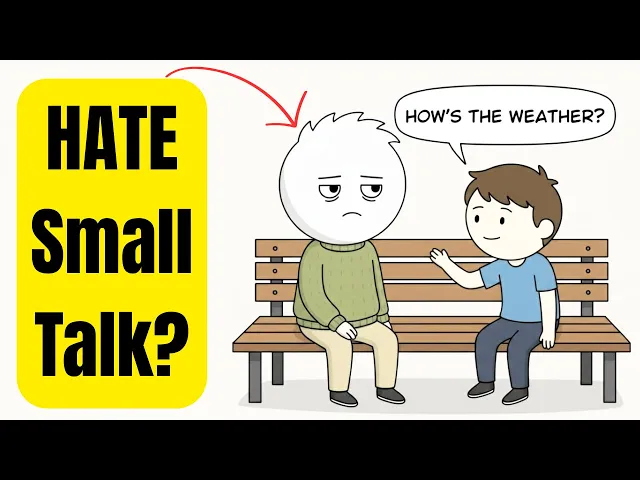
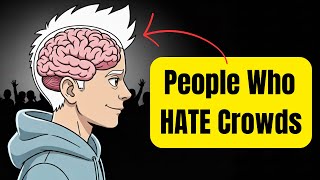
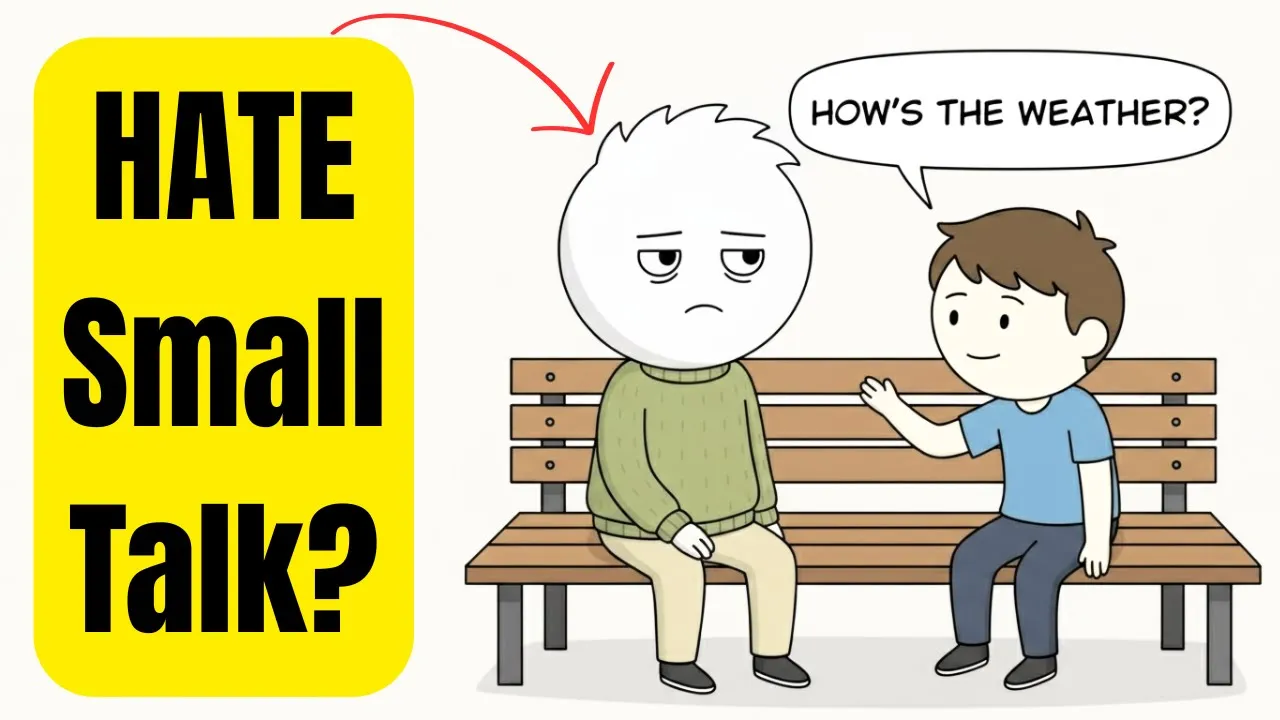
the psychology of people who hate small talk. You're in an elevator, someone steps in and says, "Working hard or hardly working? " And suddenly you'd rather jump out the window.
Or you're at a party, someone asks about the weather, and you feel your soul physically leave your body. For some people, small talk is mildly annoying, but for others, it's actual torture. But here's the question.
Why do some people physically recoil from casual conversation while others live for it? Stick around because the answer reveals way more about human psychology than you'd think. First group, their brain is literally wired to rejected.
Neuroscientists found that some people have high need for cognition. Meaning their brain craves depth, complexity, meaning. When you ask them, "How was your weekend?
" Their brain doesn't hear a question. It hears nothing. Zero substance.
Studies show these people get less dopamine from surface level chat. Their brain is starving while you're serving empty plates. But here's the twist.
Put them in a conversation about philosophy, ideas, existential dread, anything real. They transform. They light up.
They're not antisocial. They're just allergic to conversations that go nowhere. They'd rather sit in silence than pretend to care about your commute.
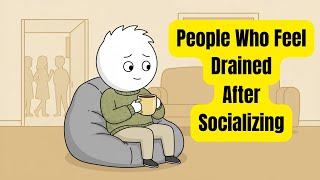
Second group, completely different reason. For them, small talk isn't shallow, it's a performance, and they're exhausted. Picture this.
You're chatting about the weekend. Easy, right? But in their head, am I smiling too much?
Did I just say something weird? Are they judging my answer? Should I ask a follow-up question now or later?
Psychologists call this cognitive load. While you're breezing through small talk, they're playing mental chess, analyzing every word, every facial expression, every pause. And here's the brutal part.
Because they're so busy performing, they can't actually be present. So, the conversation feels fake, disconnected, like they're watching themselves from outside their body. Over time, their brain connects small talk with stress.
So, they just stop. Not because they hate people, because the cost is too damn high. Third group, and this one's wild.
They've realized something most people never will. That small talk is a trap. Think about it.
Someone says, "How are you? " You say, "Good, thanks. " Even if you're dying inside.
Someone asks about your weekend. You give the standard answer and move on. We've been trained since childhood to follow these scripts.
And sure, they're polite. They smooth things over, but they also lock you on the surface forever. You never connect.
You never go deep. For people who value authenticity, small talk doesn't just feel boring. It feels like lying.
Every empty question, every fake smile, it's a tiny betrayal of who they actually are. Psychologists call this existential authenticity. And for these people, small talk isn't social lubricant.
It's a cage. But wait, here's the part nobody talks about. People who hate small talk share one weird trait.
They're comfortable with silence, like genuinely okay with it. Most people panic when conversation stops. They scramble for something, anything to fill the void.
But these people, silence doesn't scare them because they figured out that silence is often more honest than small talk. It says, "I don't need to perform for you. I'm fine just existing here.
" That's rare. Most humans can't handle 30 seconds of quiet without freaking out. Now, the stereotype.
People assume if you hate small talk, you think you're too smart for everyone else, too deep, too intellectual. And sure, some people are like that, but most, it's not arrogance, it's the opposite. It's vulnerability.
Because small talk is safe. Nobody gets hurt talking about weather. But real conversation, that's dangerous.
You reveal yourself. You risk being misunderstood, judged, rejected. So, when someone skips the script and goes straight to depth, they're not being superior.
They're being brave. They're risking connection instead of hiding behind politeness. And here's the kicker.
Hating small talk doesn't mean hating people. Research shows these people often have fewer friends, but their friendships way deeper. They'd rather have two people who know their soul than 20 people who know their weekend plans.
For them, small talk doesn't build connection, it prevents it. Every minute on the surface is a minute not going deeper. So, what does this mean?
If you hate small talk, you're not broken. Your brain might crave meaning or you're tired of performing. Or you've seen through the social script and can't unsee it.
You're not cold, you're just done with shallow. And if someone seems uncomfortable in casual conversation, maybe don't assume they're rude. Maybe they're just waiting for something real.
The real question is which one are you? And can you handle the answer? If this made you see social interaction differently, hit subscribe.
We cover psychology that actually explains you.