it was the view very firm view of archaeologist that there had been no megalithic architecture and when I say megalithic I mean literally big stones stone circles huge constructions nothing like that before 6,000 years ago Central to my work was the notion of a global cataclysm roughly 12,500 12,800 years ago they are not saying that it also wiped out a l Advanced civilization of prehistory I'm saying that imagine a world where our distant ancestors even before Homo sapiens built wooden structures with amazing skill Believe It or Not scientists in Africa have just found the oldest
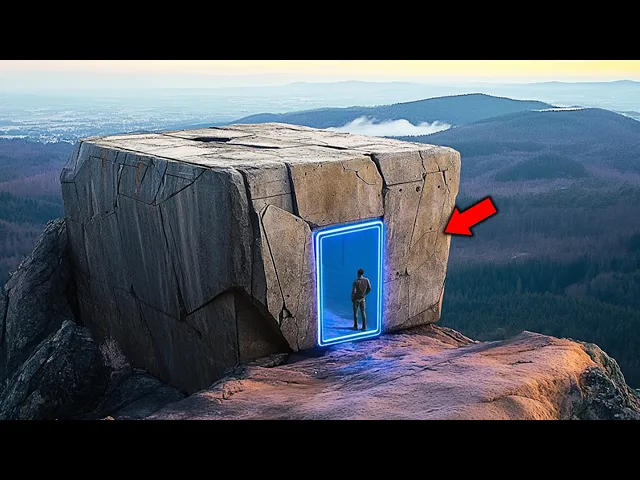
known wooden building dating back nearly half a million years and that's just the beginning we're about to explore ancient wonders from Greece to Japan that might change everything you thought you knew about early humans the mysterious disappearances of ships and planes are perhaps what the Bermuda Triangle is best known for however what's more bizarre than what hasn't been found here is what has almost 500 ft below the water surface in an underwater anomaly the team from Bermuda Triangle into cursed Waters has discovered what appears to be man-made monolithic Rock the limestone is perfectly cut with
straight even edges could it be part of some ancient underwater structures or alist Stone from a shipwreck thousands of miles from here off the coast of Japan some believe they have found evidence of another Lost Kingdom number one the wooden structure in Zambia hidden under the waters of the colambo river in northern Zambia archaeologists have found something truly incredible a wooden structure about 476,000 years old Yes you heard that right this amazing discovery is so old that it predates Homo sapiens this means our ancient ancestors might have been way more advanced than we ever thought
these wooden logs found near the beautiful Cambo Falls were probably part of a platform a walkway a storage spot or maybe even the base of a shelter picture it an early human Community using whatever they had around to build something that would last for almost half a million years hidden underwater all this time but that's not all this site has been a gold mine for archaeologists since the 1950s theyve found not just this ancient wooden structure but also stone tools preserved pollen and other wooden items number two the lion gate at minini all right let's
jump back in time to ancient Greece we're talking about the lion gate at meini a pretty amazing piece of history that shows just how advanced the meinian civilization was this Gateway was built around the 13th century BCE and it's not just a big Stone entrance it's a symbol of power art and culture imagine this a gate almost 10 ft tall and wide marking the entrance to the ancient city of meini a place where a powerful civilization once thrived the gate is decorated with two Stone lions that seem to be guarding it with a large triangular
Stone above them this wasn't just any gate anyone approaching would have been reminded of the meinian king's strength and Authority but there's more to it than just its impressive looks behind the gate there's a covered area and a small room likely used as a guard poost so it wasn't just a gate it was a grand entrance to a world of ancient power and mystery where Kings walked and history was carved into stone the lion gate was rediscovered in the 19th century by a German archaeologist named Heinrich schleman today it's one of the oldest and most
important structures we know about it gives us a peak into a long lost world that helped shape much of Western history number three the underwater city in Japan now let's dive into the ocean near Japan where something mysterious is hiding under the waves it's called the yonaguni monument and it's got scientists scratching their Heats this strange underwater structure was found by a local diver named kihachiro arataki and some people even call it Japan's Atlantis when you see it it's hard to believe it's just a natural rock formation the monument has sharp angles flat surfaces and
straight edges that make it look like something humans might have built some folks even think it could be over 10,000 years old which means it might have been made by a civilization we don't even know about yet but here's where it gets tricky while some researchers are convinced that humans must have carved this structure others argue it's just a natural formation that happens to look man-made if it turns out that humans did build it it would shake up what we know about ancient history could there have been an advanced civilization in Japan way before we
thought number four dolmans found in Europe and Japan let's dive into the mystery of dolmans these ancient stone structures that are found all across Europe and even in Japan these dolmans are tombs made from large stones with one big flat stone placed on top they date back to the Neolithic and early Bronze Age which is a really long time ago but here's where it gets interesting despite being so far apart geographically The Dol men's in Europe and Japan look surprisingly similar so how did two different societies live living in completely different parts of the world
end up building such similar structures some people think that this might be because of shared knowledge that somehow spread across the world others have even suggested the involvement of extraterrestrial beings while these ideas are pretty speculative they do show how mysterious these ancient monuments are but dolmans weren't just burial sites they were probably also places where communities gathered for rituals the fact that people managed to move and position such massive Stones means they had to be highly organized and skilled even though they didn't leave behind written records these structures tell us a lot about what
their societies might have been like in Japan you'll mostly find dolans in the canai region in Europe they're scattered from places like Spain and Portugal up to the British Isles the fact that these structures are so similar despite the vast distances and different timelines really challenges what we know about how ancient societies communicated and exchanged ideas number five long caves in China imagine discovering a hidden world right beneath your feet a massive network of man-made caves so precise and mysterious that they leave you speechless well that's exactly what happened back in 1992 in a small
village in China's Jang Province villagers drained a pond and what they found underneath was something nobody could have expected the longu caves the longu caves are one of the biggest puzzles in ancient history it's not just because of how huge they are but also because there's no record of who built them or why there are 24 caves in total covering an area of about 30,000 square m these caves were carefully carved out of solid rock with walls that were unbelievably smooth and straight some of the caves are as tall as 30 m and it's estimated
that nearly 1 million cubic M of rock were removed to create them that's a huge amount of work especially when you think about the limited tools people had back then but that's not all what adds to the mystery are the parallel lines and detailed patterns carved into every surface of the caves these designs are the same in each cave which makes you wonder how they manag to do this without modern technology and here's the strangest part despite all the digging and searching no one has ever found any tools or evidence of how these caves were
built number six Advanced stone blocks in balbec Temple in the heart of Lebanon there's a place that leaves everyone amazed the balbec temple complex back in ancient times this place was known as heliopolis and it's home to the Grand Temple of Jupiter what makes this site so incredible are the massive stone blocks used in its construction some of the biggest ever seen the size of these stones and how perfectly they were placed still baffles historians and Engineers today one of the most famous Stones is called the stone of the pregnant woman this enormous block weighs
around 1,000 tons and was found in a nearby Quarry just thinking about how these massive Stones were moved and set in place is mind-blowing especially when you consider the limited technology they had back then did the ancient Builders of balbec have some kind of Advanced Machinery or did they find creative ways and use a huge Workforce to get the job done but there's more to balbec than just the size of its Stones the temples are beautifully decorated with intricate carvings and detailed designs showing off the incredible skill of the ancient Artisans the Precision of the
stonework and the complexity of the Temple's design suggest that these Builders had a deep understanding of architecture and engineering there are all kinds of theories about how these massive Stones were moved some people think they use sleds and ropes While others have more unconventional ideas like alien intervention while these ideas are just speculation they highlight the sense of wonder and mystery that surrounds balbec number seven lion rock rock for foress in Sri Lanka perched on top of a towering Rock in Sri Lanka the ancient Fortress of sigara also known as lionrock is a stunning example
of ancient engineering and the Brilliance of the Cales civilization built in the late 5th Century CE by King kapas this Fortress was designed to be an unbeatable stronghold against his enemies but sigura is more than just a military fort it's also also a masterpiece of urban planning architecture and art The Rock itself which Rises 200 m above the landscape is a natural wonder its steep sides and overhanging Summit made it the perfect spot for a fortress at the top King Kapa built a palace shaped like a lion which is how the site got its name
sigua or lion Rock to enter the palace you had to walk through the open jaws of a massive lion statue a powerful symbol of the king's strength and Authority the craftsmanship at sigura is truly impressive the palace complex included beautifully designed Gardens ponds and Terraces all carefully constructed to be both stunning and defensible the walls of sigara are decorated with frescos that are some of the best examples of ancient Cales art showing images of celestial maidens and scenes from the king's court building sigura on such a challenging site shows just how advanced their architectural knowledge
was at the time the Fortress served not only as a military stronghold but also as a symbol of the king's divine right to rule today sigara is a UNESCO world heritage site attracting visitors from all over the world it its blend of natural beauty and human creativity continues to inspire awe and wonder number eight Mega structure found in New Zealand deep in the kimwa forest of New Zealand there's a mysterious structure that has sparked a lot of debate the kimwa wall when you first see it this massive stone wall with its uniform rectangular blocks and
perfectly straight lines looks like it was built by an ancient civil ization but the big question is was it made by humans or is it just a natural formation the kaawa wall is about 30 m long and 2 m High the stones seem to fit together so precisely that it's hard not to think they were deliberately placed there this has led some people to believe that the wall could be the remains of an advanced civilization that lived in New Zealand long before the mai people arrived however most scientists who have studied the wall believe it's
a natural formation created by volcanic activity they think the wall is a natural outcrop of a type of rock called ignimbrite which forms from the deposits of volcanic eruptions the straight lines and blocklike shapes are thought to be the result of natural cracks and weathering over thousand thousands of years but not everyone is convinced by the scientific explanations some people argue that the wall looks too much like other ancient stone structures to be just a coincidence they suggest it might be evidence of a lost ancient culture that once lived in New Zealand number nine Yang
Shan Quarry in the shadows of naning China there's a place that tells an incredible story of ancient engineering and Imperial ambition the Yang xan Quarry this site was active through six dynasties but it's most famous for a massive project ordered by Emperor Judi during the Ming Dynasty Judi wanted to honor his predecessor zuu Yen Jang and to do this he commissioned the creation of a giant Steely which is a type of stone monument the project was huge Legend says that three ,000 Craftsmen worked for 300 days to cut and carve three enormous stone blocks that
would make up the sela's head body and base the stone in the Quarry is tough to carve which made this task even more challenging however the size of the blocks and the detailed craftsmanship show just how Advance the tools and techniques were that the Ming Dynasty's Artisans had at their disposal but the story of the Yang Shan Quarry isn't just about cutting and carving it also shows the logistical challenges of the time moving and positioning such massive Stones wasn't easy it took not only a lot of physical strength but also smart engineering the remains of
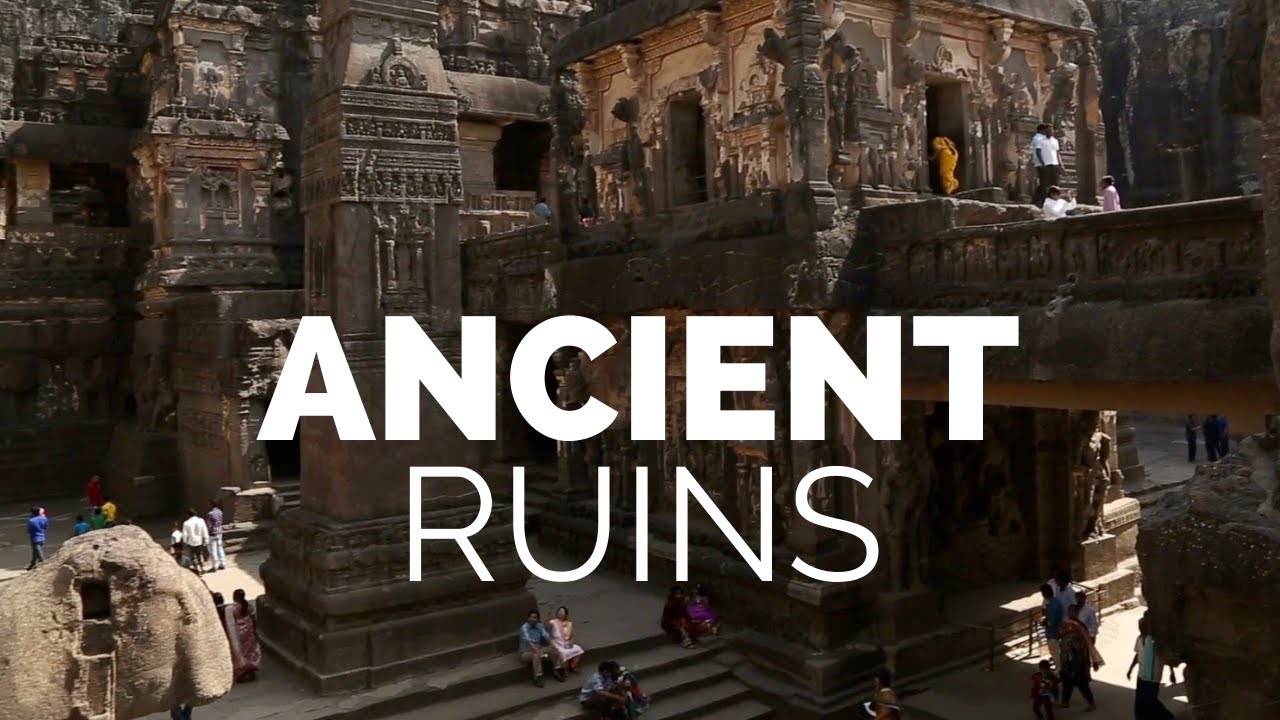
the Quarry reveal just how organized and resourceful ancient Chinese Builders were today the Yang Shan Quarry stands as a monument to the greatness of the Ming Dynasty and the incredible skills of its people it's a powerful reminder of how the desire for legacy and Monumental achievements can leave a lasting mark on history number 10 the allora caves and the kyasa temple in the heart of Maharashtra India lie the allora caves a stunning example of ancient architectural genius among these 34 Rock Cut temples one stands out as truly extraordinary the kyasa temple what makes this Temple
so amazing is that it was carved from a single massive block of basalt rock to create IT workers had to remove an estimated 200,000 tons of rock over about 18 years the kyasa temple is unique in many ways unlike most temples it wasn't built from the ground up instead it was excavated from the top down with workers carving into the Rock to reveal the Temple's incredible details this method allowed them to create intricate carvings and large Halls directly from the rock the temple features beautifully detailed monoliths staircases and doorways all carefully sculpted from The Rock
the engineering skill needed for this enormous project shows just how advanced the builders were the design of the kyasa temple reflects not only the artistic vision of the time but also the engineering skills required to bring such a grand structure to life number 11 Mada perched on a rugged mountain in Israel The Fortress of Mada is an incredible example of ancient military architecture and resilience built by King Herod the Great Mada was designed as both a royal palace and a strong Fortress its location high above the desert provided a natural defense against any Invaders one
of the most impressive features of Mada is its Advanced water management system to survive in the harsh desert environment The Fortress had a complex network of systems and aqueducts this system made sure that the residents always had a reliable water supply which was crucial for their survival The Fortress also had strong defensive walls and watchtowers showing just how carefully it was planned the intricate engineering involved in building Masada reflects a deep understanding of military and civil engineering principles number 12 carak Temple complex in the city of Luxor Egypt the carak temple complex stands out as
one of the grandest religious sites ever built over its 10,000-year history this complex became home to the Temple of Amun ra which is the largest religious building ever created one of its most famous features is the hypo style Hall built during the reign of seti the F the hypo style Hall is huge covering about 50,000 square m and is supported by 134 massive columns each column is covered in detailed carvings and hieroglyphs the size and complexity of the Hall Show just how advanced the engineering was for ancient Egyptians the sheer scale and detailed design of
the carak temple complex make us question what kind of technology and skills the builders had the size and complexity of these structures reveal a lot about the advanced capabilities of ancient Egyptian construction as a major place of worship dedicated to the godam Mundra carak continues to amaze people today number 13 Coliseum rising up in the heart of Rome the Coliseum also known as the flavian amphitheater is an amazing example of ancient engineering and architecture built by Emperor Vespasian from the flavian dynasty this huge Amphitheater was designed to host Gladiator games and other public events and
it could hold up to 50 ,000 people the construction of the Coliseum is truly impressive it stands about 155 M tall and has a complex system of vaults and arches supported by 80 semicircular colums this design shows just how advanced Roman Builders were with a great understanding of how to manage large crowds and use space effectively the Coliseum was built with concrete and own which helped it last for centuries its Grand size and detailed architecture highlight the advanced technology of ancient Rome and show the Empire's ambition and ability to innovate number 14 Tower of Jericho
imagine a stone tower that was built with such skill that it seemed impossible for its time this is the Tower of Jericho an 8.5 M tall Stone structure from the Neolithic period discovered by Kathleen Kenyan between 1952 and 1958 it's one of the oldest known Stone buildings what was the purpose of this ancient Tower some think it was a fortification While others believe it might have been used to prevent flooding or for rituals what's Most Fascinating is its possible connection to the Stars studies show that the tower was built so that during the summer solstice
Shadows from nearby mountains perfectly lined up with the tower covering the whole village this suggests the tower wasn't just practical but also had symbolic meaning maybe celebrating the community's strength the precise alignment with celestial events hints at the advanced knowledge of astronomy the builders had number 15 chatal hoyuk Neolithic site in modern-day turkey there's an ancient site called chatal hoyuk that gives us a fascinating look into early human life even though it's not the oldest or largest site it's very important for understanding how people lived around 9,000 years ago at its peak chatel hoyuk was
home to about 8,000 people who had moved from hunting and Gathering to farming and domesticating animals what's interesting about satle huk is how the town town was laid out there were no streets or Pathways instead houses were built right next to each other people got around by walking on rooftops and entered their homes through roof openings using ladders this unique design saved space and gave us clues about how people lived together at that time artifacts found at chatal hoyuk include small figurines and intricate designs these artworks show that the people had a rich cultural and
spiritual life with images of animals and people that hint at their beliefs the many artifacts suggest the community was deeply involved in artistic expression number 16 knap of how in the ory islands of Scotland a remarkable find shows us how early Europeans built their homes the of how dating back to around 3700 BC to 2800 BC is the oldest standing Stone building in Northwest Europe the nap of Hower consists of two well-preserved Stone houses these buildings are notable for their circular design and features like Stone cupboards and stalls which reveal a sophisticated understanding of space
and construction the people who lived here were early farmers who use both land and sea for their food excavations at the nap of how started in the 1930s and continued in the 1970s the discoveries give us a fascinating look into the daily lives of these early inhabitants the careful way the stones were placed and the solid construction methods show just how skilled these ancient Builders were number 17 Abu symol Temple along the Nile River the temples of Abu simble stand as incredible examples of ancient Egyptian skill and art carved into a mountain side the site
has two temples the larger one features four huge statues of Ramsey II each about 21 M tall what makes Abu symbol special is how it aligns with the sun twice a year on October 22nd and February 22nd sunlight shines into the inner part of the temple lighting up three of the statues including Ramses II this shows that the ancient Egyptians had a sophisticated understanding of astronomy rediscovered in the 19th century the temples had been buried under sand and silt Johan ludvig burkart first mentioned them in 1813 but it was gavan Batista bone who cleared enough
sand in 18 17 to uncover their beautiful Interiors this discovery greatly Advanced our knowledge of ancient Egypt number 18 megalithic marvels of Pumapunku and tiwanaku high up in the Andes of Bolivia the ruins of tiwanaku and Pumapunku showcase some amazing ancient stonework these sites are famous for their huge precisely cut stone blocks which have puzzled experts for years the size and accuracy of the stonework suggest that the builders had Advanced Techniques challenging what we know about ancient construction tiwanaku was first mentioned by Spanish explorers in the 16th century but serious study didn't start until the
19th century in 1848 the Bolivian government began surveying the site marking the beginning of formal archaeological work at Puma punu some Stone blocks weigh up to 130 tons and are cut with Incredible Precision how these Stones were moved and shaped remains a mystery people have come up with various theories about how the stones were transported and worked on some suggest Advanced tools While others even wonder if aliens played a role despite much research we still don't know for sure number 19 lost city of Inc Machu picu high up in the Peruvian Andes Machu Picchu is
an amazing example of Incan architecture and engineering known as the lost city of the incor it became famous in 1911 when Explorer hyam Bingham brought it to the world's attention but what makes Machu Picchu so special Machu Picchu is famous for its incredible stonor the incast used a special technique to cut and fit Stones together perfectly without needing mortar this method not only looks impressive but also makes the buildings strong enough to withstand earthquakes the stones fit together so well that you can't even slip a knife blade between them the Machu Pichu design is typical
of the Incan style most buildings are rectangular with single doorways and the walls are solid without partitions creating open and functional spaces the design is simple and blends well with the natural landscape Machu picchu's rediscovery gave us new insights into the Incan Empire which had been largely forgotten until the Spanish Conquest the site shows us how the Incas planned their cities and practiced their religion revealing a sophisticated Society whose achievements still amaze us number 20 Mayan ruins of palank in the dense rainforests of of southern Mexico the ancient city of palank stands as a fascinating
piece of Maya history and architecture built on a hillside this city includes over 1500 structures though only about 50 have been dug up so far what makes palank so intriguing one of palan's most famous landmarks is the Temple of the inscriptions this pyramid-shaped building is known for its detailed hieroglyphic carving ings these carvings give us important clues about Maya history including their rulers and religious beliefs the artwork shows how advanced the Maya were with their knowledge and calendar systems the city's design reflects the Myers's impressive engineering skills the buildings have elaborate carvings and sculptures that
are not just decorative but also have meanings related to astronomy and calendar the layout of palan with its large plazas and ceremonial buildings shows it was a major Center for Maya life even though the jungle has overtaken parts of palank the uncovered ruins still reveal a city that was once Lively and important while there are many theories about the Mayans including some about alien influences the ruins showcase the Mayan's creativity and Rich culture as more is uncovered palank continues to Fascinate and Inspire curiosity about this ancient civilization if these incredible discoveries blew your mind just
imagine what else might be out there waiting to be uncovered to stay updated on the latest in archaeology and ancient history make sure to hit that subscribe button and ring the notification Bell don't forget to like this video if you found it as fascinating as we did and drop a comment below what ancient structure would you love to see us explore next