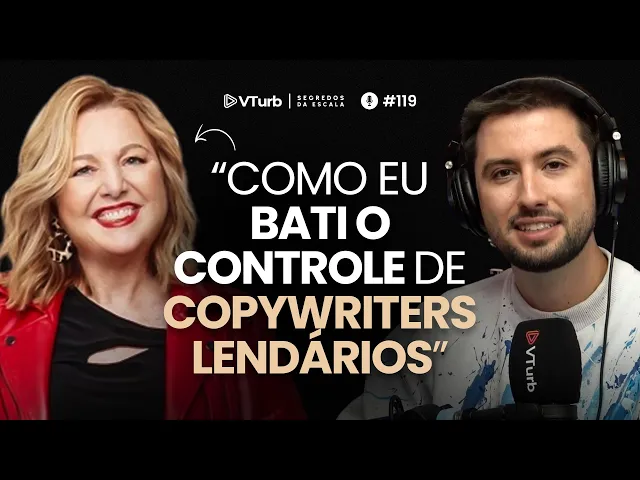
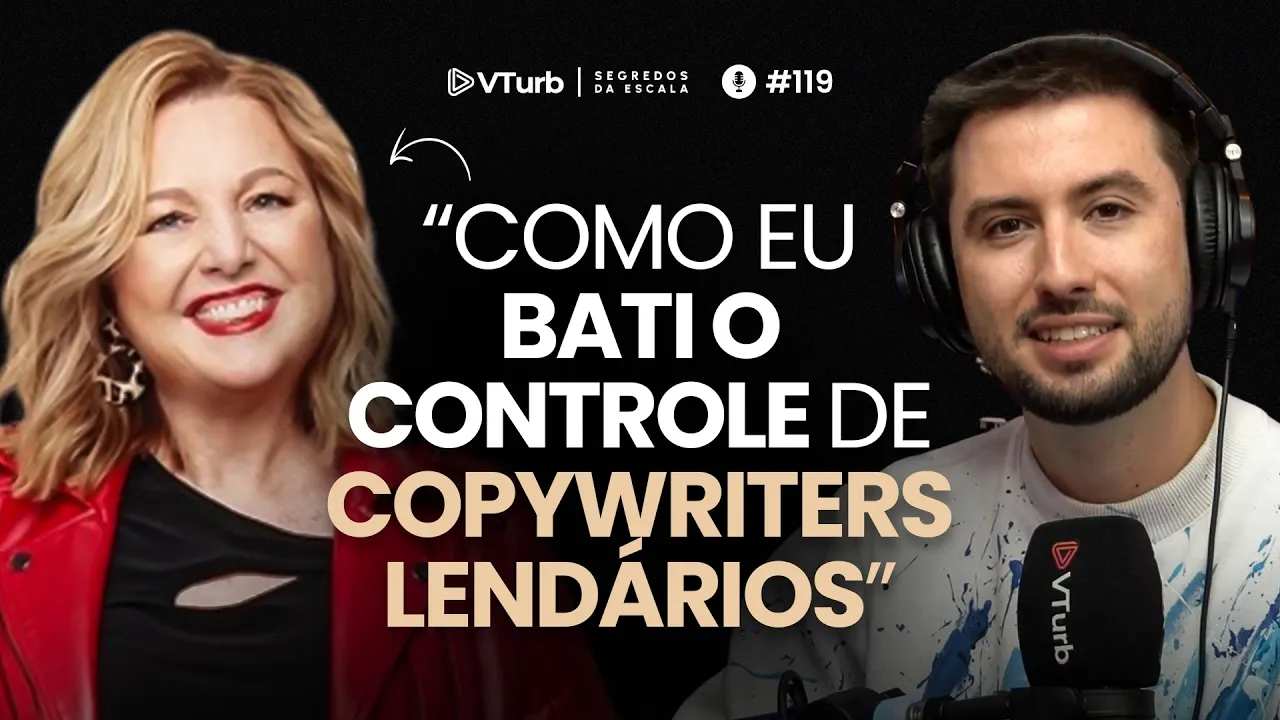
I've beat the late Jim Rutz. I beat Parisopoulos. I've beat, you know, I mean a few other names, right? And I have a string of 40, 50 plus controls, you know, that I've written for these top companies. >> Copyriter, freelancer, to actually get this title of of being like an Alistister or whatever, you actually have to be good. You actually have to sell to make money and >> to be dangerously good. >> Exactly. Yeah. How do you go about beating your control? >> One of the first books I read when I first went freelance, even
though I'd had all this great experience and knowledge that I gained working at Phil's publishing was, and it doesn't take that long to read it. In fact, I try to reread it every year and I have my mentees read it. And and every time I read it, I'm always getting like fresh new lessons and insights. even though is over a hundred years old. A lot of the nuts and bolts and classic strategies and everything else of direct response marketing haven't changed. I had a chance to work with some of the top legendary copywriters that they
used to work with like the late Clayton Mick piece. I got a chance to hear Jean Schwarz do a dayong lecture. >> You actually met Jean Schwarz in person? >> I did. I can't tell you 99% of the time when I get a something in the mail that I've ordered, there's a little shade of disappointment when you go, you know what I mean? And it's kind of like you forgot kind of what was special about this product and why you bought it. Um, so we would literally get 8 to 10% response just with an offer
in the box. >> If you're not doing this in your own business, then you're probably losing money. So I think you should do that. Forevench. [Music] [Music] Thank you so much for being here today. Thank you so much for accepting my invitation here to to the Victor podcast. And so the first question that I I have for you is for the few people that don't know you here in the VR audience, could you please tell us uh what who you are and what you're doing right now so then we can start the podcast from there.
>> Sure. Um, so my name is Kim Krowy Schwam and I've been a freelance copywriter for about 27 years and before that I worked as a marketer for one of the largest direct response publishers at the time, um, Phillips Publishing, which is, you know, no longer around. And while I was there, I had a chance to work with some of the top legendary copywriters that they used to work with, like the late Clayton Mcpiece. I got a chance to hear Jean Schwarz do a dayong lecture. Um, you know, so it was it was an amazing
experience to work there at the time. >> And then I also had the opportunity after Phillips launched the first alternative health newsletter, which basically created the supplement industry as we kind of know it. Um, I launched and ran a supplement business and grew it to the equivalent of $40 million in revenue within the first three years. And so we can maybe talk a little bit more about some of those lessons from that. But from there, after a few years, I decided to become a freelance copywriter. I saw the kind of lifestyle and earning potential that
the top copywriters enjoyed, but I had to kind of start, you know, kind of from the bottom and work my way up the copywriting ladder. And I was able to do so and had some big successes along the way. and and now for the last five six years, you know, I still do some copywriting and work with clients, but I also have a variety of courses and mentoring programs and I also share my knowledge on podcast and with uh people on my email list and and that's what I'm here to do today. It's really nice
to be here. Thanks for inviting me, y'all. >> Thank you. Thank you. So, ju just so I I can see that I got it right. So, you actually met Jean Schwarz in person? >> I did. >> Oh my god. I mean I yes it was it's kind of a funny story. I think I was still fairly new there at Phil was publishing and it's like oh yeah we're bringing this guy in you know Jean Schwarz and and you had to be at least like in management. I was like a low-level manager so I got to
go to this dayong thing and it was on a Friday and it was fascinating like I still remember and I have the transcript. you can actually get the transcript, you know, >> um of his lecture that day and it's packed with gold. >> Um so yeah, and he was just sitting on a stool in this conference room and sipping his water and it went on all day and it was fascinating. But towards the very end, I was getting a little restless because I was supposed to meet some friends for happy hour up in Baltimore and
I'm kind of looking at my watch and and I, you know, I was sitting next to one of the senior VPs. I'm like, you know, I have to get going. And he's like, and he looked at me, he's like, you know, if I were you, I would stay. And sure enough, and it's just so funny. It cracks me up to think that I was literally going to cut out of there early. >> Yeah. >> You know, because I didn't really know the significance of what was happening. I mean, I did obviously, but and then I
was like, "Yeah, I think I better stick around." And and it was an amazing thing to just be able to say I was in the room >> and Yeah. But the the and I learned so many les I mean there was every day was like learning lessons working there. I mean you had the experience of working with an agora company. I mean, you know, to work at a company like that in its heyday, um, I mean, just walking down the hallway to go to the coffee break room, like, you know, you'd see, you know, what
they the director response magalogues, right? Because that's what everybody was doing then and ones written by Gary Benovvena and all their different controls just hanging up on a bulletin board and you just were constantly immersed in that world. >> That's amazing. >> So, it was an amazing place to learn. >> Yeah. Then I wish I could be there. Maybe I would even give you a kidney to have this experience of talking to Schwarz in person. Yeah, he's one of my heroes. >> Yeah, he was just a very kind and gentle person as well. Yeah. >>
Yeah. That's amazing. >> I even bought his book from Brian Curts. >> Yeah. >> Which is breakthrough advertising. And guys, if you're in the audience, if you want to get this book, you need to talk to Brian Curts because I think that he bought the right or something >> and then you can you can buy Yeah. from >> So, can I show I have a little show and tell real quick since we're on that topic? of course do it. >> So when I first became a copywriter, I walked out of I had a very good
paying job at Philips Publishing, but I decided I was going to take the leap and somebody hired me, you know, for about six months retainer. So it was like, okay, it's a good little bridge, right? And the guy um was actually a former Agore person who ran that supplement business and he said, you know, you've got to get your hands on Breakthrough Advertising, right? It's like a great book, but no one carried it. Like the only place I could find it was Amazon. It was like $900 and something dollars. Yeah. >> So, my client lent
me his copy and I copied >> all that. Right. Like this is still my go-to like and Brian Curts knows I did this so I'm not going to get arrested. But uh yeah, it's just like that's what I I mean you can see that was like my bible for so many years going and of course I do have the actual book book, right? I have probably at least a couple copies. But it is one of those great books and I think I mentioned >> uh I mentioned this a lot on on podcast but like one
of the first books I read when I first went freelance even though I'd had all this great experience and knowledge that I gained working at Phil's publishing was Claude Hopkins Scientific Advertising. >> Yeah. >> And it doesn't take that long to read it. In fact, I try to reread it every year and I have my mentees read it and and every time I read it, I'm always getting like fresh new lessons and insights even though it's over a hundred years old. Yeah. >> So, you know, a lot of the nuts and bolts and classic strategies
and everything else of direct response marketing haven't changed. You know, it's just different forms and yeah, >> psychology doesn't change. So, if you learn it once, maybe you need to work on your format, how to deliver the message, but the ideas behind of it, it usually be the same because that's what moves people, right? >> Yeah. It's the That's a very good point. The psychology doesn't change. The strategies really don't change. It's just different methods and even some of the tactics. It's just again like different channels or different methods that you would use to implement.
>> Exactly. Yeah. So, Kim, before we talk about all your copyrightiting experience, how to beat controls and all that kind of stuff. >> Uh you said that you you had an experience running your own supplement business, right? And you actually you had a lot of success with it, right? You you said that you scale to 40 million per year. >> Yes. So yeah, just to clarify, it wasn't my own business. >> It was when I was still an employee. >> Okay. >> Um I mean, if I was my own business, I'd probably be extremely extremely
extremely wealthy. >> I mean, I you know, but no, I did I was well compensated, but it wasn't like but I also didn't have to take the risk of starting my own business either, right? Of course. Um so yeah, but it was an amazing experience. I'd only been at Phillips Publishing for about 6 months and I'd already, you know, shown that I understood copy and I was a marketing manager. I was like running different offers to as a backend to their health and healing subscriber list which they they had just the list had exploded to
like over 300,000 paid subscribers. >> So, but what they all seemed to want was Dr. Julian Whitaker who was the editor of the newsletter. They wanted his recommended supplements. They wanted an easy way to buy them, right? and they wanted his formulation. So, they asked me, "Would you like to launch a supplement business?" And everybody, like so many other people who were more senior than me were not interested in doing it because I think they just felt like that's really crazy and we're a publishing company and and I decided I'm going to just go ahead
and do it, right? I saw the the opportunity and yeah, so just within like 3 months or so, we had everything like at least some initial products created and off and I developed the copy and we just started selling it just on the back end to the people who subscribed to his newsletter. >> Yeah. And it just grew and grew and grew. And you know, coming from a publishing company, it was the idea was well, you know, it's almost like a subscription-based approach to marketing. And it's a consumable product just like a newsletter is something
you have to renew every year. You know, how are you going to get that second order? How are you going to get that third order? You know, thinking more long term beyond just we got to sell people upfront, but then what do we do after that? Right? So that is why you even though it was only like the first three years that I was running it just going to one list it grew from zero to 23 million in sales which in today's dollars is over 40 million >> and it was it was by far the
most profitable business in the company >> because it was so much going to people who already bought before and again we didn't have a lot of acquisition costs because it was already going to a list where people knew the doctor. >> Yeah. And what kind of strategies or tactics did you use to to actually achieve this uh these like repeat sales that you just talked about where people buy once and they buy another and another time? >> Yeah. Well, I mean I think part of it is having a strong taking advantage of Dr. Julian Whitaker's
strong endorsement power and the relationship they already had. Right. So, you know, even just from that initial sales piece that would go out with their newsletter, um, you know, we we tried to capture his voice, you know, and what would he say and how would he sing, you know, like different words and, you know, all the kind of stuff they teach you like in capturing a voice of, you know, somebody that you're writing copy for. And we continued that kind of thing. So we once uh somebody bought we would actually take advantage of that real
estate that's in the box where the ship you know the supplement would be shipped right again there's it's amazing how many people don't take advantage of what we used to call bouncebacks right so we'd have an offer right in the box >> this is pre-e marketing I kid you not this is early 90s now again you can do this obviously with funnels and emails and everything but >> there's still like I can't tell you 99% of the time when I get a something in the mail that I've ordered, there's a little shade of disappointment when
you go, you know what I mean? And it's kind of like you forgot kind of what was special about this product and why you bought it. Um, so we would literally get 8 to 10% response just with an offer in the box because of how we did it, right? >> That's awesome. Yeah. you know, yeah, we'd have maybe I forget like a gift certificate in there and like a mini catalog and there'd be a letter again continuing that relationship. Hey, you've taken the you've you know, kind of reinforcing the purchase decision. Congratulations for getting Dr.
Whitaker's blah blah blah. You know, get them pre-experiencing the benefits. Here's how you want to get started right away because you want to stimulate usage, right? And then and you know here you can use this for your next order or check out some of his other recommended formulas in the catalog we've you know included right and then you just basically set the stage for reorders right there. >> Yeah. >> Um the other thing we started doing was introducing an auto ship. And again I know a lot of people do those things maybe upfront as part
of the acquisition offer. But it can also confuse and keep people from actually buying from you initially. But then we would really push that hard with separate, you know, promotional efforts once they got, you know, once they bought, we'd like convert them into getting on the auto ship, right? >> Yeah. >> So, there were a number of things like that. And then we would have special sales events. And again, we were doing a lot of this with direct mail, >> you know, but so it was like it all had to work. And it didn't have
to be long copy because it's back end. But there was a lot of like no-brainer stuff. Um that it was like, well, let's have, you know, some people didn't want to do the auto ship because they're older, maybe didn't trust like the credit cards. I mean, people are more conducive to that these days, but we would have a stockup sale like every We came up with this idea once and we ran with it and we had if you buy three or six bottles, you save x amount. It just became something we started doing every six
months because it just brought a bunch of money in and it was another way of stimulating reorders. >> Yeah. >> And now the company they still literally have there's a woman in my neighborhood that's all she does now. She's they still do the stockup mailings. That hilarious. >> It's like I created that job. >> But uh >> she should thank you. >> So, right. But I'm just saying these are all things you can apply to almost any business on the back end. But we we had we were very backend focused. Now obviously as the company
grew you know they started doing you know acquisition marketing etc etc but um I think it's because of its roots and this has been one of those things because over the last 20 plus years that I've mainly been that unicorn that can write successful acquisition promos right because there's not a lot of people who are good at that >> um all my clients are just so many of them are just focused on we need a new you know control or we need to do this right >> and if I even say, "Well, what are you
doing on your back end or why you doing this?" It's kind of like, "Oh, we don't, you know, go over here, like stay in your lane." >> It's like there's all this money being left on the table with so many supplement businesses. So, if you're a copywriter >> working in a company like this or you have a client >> or maybe you just want to get your foot in the door and you're not going to do that by writing the killer VSSL on your first try, right? Because nobody does that. Not me. Nobody. Um, you
know, but like having a smaller project you can get your foot in the door or create more work for yourself if you already have a relationship. Maybe you're doing the email marketing, but you're like, you know, we could do XYZ promotion or we could do this and we could get more people to be we could go after laps buyers, right? People who haven't bought in 6 months. Hey, let's reactivate those people. I mean, there's so many back-end opportunities. If you've ever read Jay Abraham, he actually consulted with us. He was a good friend of the
the president of the company. Yeah, >> we had meetings with with the great Jay Abraham where he'd be like, "Do this, do these things, do that, and you know, he's a big proponent of find that hidden back-end gold in your business." >> Yeah. Yeah. Do you have any Actually, I have two questions, right? So, the first one is that you said that you use the real estate in the box that you send people your supplements >> and then you say that you can use this for lots of things. So, one of them is to make
another offer. And then you say that you get around 8% response on this offer. >> Yes. >> And then you also say that you could also encourage uh product consumption. So, >> yes, >> they will use it. So, they're more likely to reorder if they're actually using it. Right. >> Exactly. Because they're not going to reorder if it's sitting there on the shelf. Right. Unopened. Right. >> Of course. Yeah. So what do you think is the ideal way to use this or or does it depend like should people go to encourage uh of consumption or
should they just do another offer or how can people decide on this backend funnel so they can maximize profits in their business? >> Yeah. Well, I mean we have a lot more tools at our disposal so to speak, right? It's a lot easier and more cost effective to do it these days because of email and other ways of reaching people. I mean, we just basically had that one box going out and then whatever the next mailing was that we sent, you know, so we had to make the box count. We did a lot in the
box. Maybe you don't need to do all these things, but we we would we would have the, you know, reinforcement of the purchase decision like here's what you're going to, you know, get ready to experience all these great things. >> And that would also in, you know, stimulate usage. We'd also say here's how you get started. Make it super easy for them, right? you know, address any possible questions >> and then give them a coupon or something to say, you know, use this for your next order. It's a thank you or whatever you want to
position it, right? >> Got it. Got it. >> Um, but you can do you could break those things out in a welcome sequence, right, that they get. >> Yeah. The the the the thing about the box that I really like is that it's very uh new for people to actually receive something that has like some sort of CTA in a box. I know that in the past it used to be the complete opposite. So people would receive lots of things in the mail, but right now at least here in Brazil, I never received a a
box like this. So if I if something arrived in in my home >> and then I would I would probably look at it. I would probably read it because as Gary Benga says, >> it looks like value. So I at least see what is what what is about. But the email thing, I get so so so much spam in my inbox today that most of the times I don't even open it. So that's why I like this box strategy because I think an office anything physical quite honestly you could mail something you could send a
postcard and I have seen some companies do this right it could be the thank maybe that you know a simple 6 by9 postcard I mean we all know what those look like you know but it could and you have your consistent branding carried forward so they know immediately hey this is from XYZ company that I just ordered from and maybe there's a big picture of what they just ordered it's like hey you know welcome thank you again, you know, use this coupon to get, you know, $20 off your next order or whatever the deal, right?
So, you can you can do it that way and that's going to really pop. >> Um, >> but yeah, like I just got like I didn't save the box. It was just a plain box. Now, to their credit, they actually had their brand name like on the tape, so at least it stood out. I knew instantly it was from the company that I ordered it. >> Yeah. >> And then it just has like basically the skinincare product. This is some eye cream. >> Yeah. And then they have like a little postcard here where it's doing
some stuff that we can use QR codes too which makes it a lot easier, right? The QR code can send you straight to a catalog or to a special page that you've put aside like where they can claim their their welcome offer. >> So, and maybe that's where you have like the information so you don't have to worry, you know, about it might get lost in an email or something. But >> yeah, the box people just aren't taking advantage of that and they're not also thinking about >> what do you how do you want your
person your customer to feel? >> What do you want their experience to be? Right? Do you want them to be like, "Oh, it just doesn't seem special." Do you know what I'm saying? Especially if you're selling like kind of at a premium price. >> Yeah. >> So, I think that there's these are that's an overlooked opportunity for sure is the box. that whole experience, how you send them places, you know, to buy more, learn more from, you know, about your other products. >> Yeah. Forecorech. And and the second question that I have can is that
you said that that J Abraham used to to help you guys at at Philips Publishing. >> Yeah. >> Do you have more resources where people can actually study more about the back end so they can build their own back end >> because I know that Jay talks a lot about this but to be honest I think that I only read one book about him which is uh get getting everything you can from all you got or something like that. It was a great book. Yeah, I have it on my shelf. Getting everything out of what
you've got. >> I I think it's that one. Exactly. >> Yeah. >> But to be honest, I I don't know a lot a lot about back end and I would like to know more. So, do you recommend some resources for our audience that that is watching this? >> I mean, I know that um Robert Scrob S K O B has established himself as an expert more on like with newsletters and subscriptions >> um in terms of retention marketing. So, and I I believe he's written a book, but it's not going to be something specific to
supplements, per se. >> Yeah. >> Um, but yeah, it is sort of this one area. Maybe I need to write a book because I, you know, I feel like again, like, you know, a lot of people aren't doing it as well as they could be. And this is where I mean, if you're worried about scaling your offer, right, and you're like, I got to make all my money up front with my funnel. Well, if you now have enough experience with now we've built out the back end and now we know if we just get that
person with a lifetime value is actually going to be x amount, then maybe you're bringing people on at a loss and you can scale much higher because you know you're making your money up, you know, on that back end. >> And so it's actually could be a much um more successful way to scale your business and not have to >> get everything up front. Right now on Verb we have some of the biggest biggest advertisers in in the whole world >> and some of them they are on the first page of ClickBank selling supplements there.
And then these guys uh some of them not all of them but some some of them are offering 100% commission on the sale. If you sell a supplement they will give you everything that all the money that the supplement sells for. >> And they do that because they have this very developed back end. So they they actually can get money out of the the client. Again, >> yeah, >> I don't know how they do it. And to be honest, I think it's a little bit of their secret. So they they don't share it. They probably
just tested a lot. >> But I know that that this is happening. So there are some people today that are doing this and they are my biggest clients. So if they are my biggest clients, it means that they're huge because lots of people use VB. >> And then if you're not doing this in your own business, then you're probably losing money. So I think you should do that at least. at least go to the first page of ClickBank, then buy their products and see what they are sending you because then you can at least get
an idea of what kind of backend promotions they are running, how to structure your back end, so you can >> That's a very good suggestion. Yeah, if they're offering that kind of upfront commission, then they're probably making money on the back end. And so, yeah, buy that product and that's a great idea. Um, >> yeah. I mean, it's even going back to the Claude Hopkins book I mentioned earlier where you just talk about like, you know, the the relationship and part of that is if you have a a product spokesperson or personality like like Gundry,
you know, you know, or whatever, like you've got to really use that to your advantage. And you don't just do it like with a video on the, you know, acquisition part, but like carry that all through the whole relationship is with that doctor or with that expert. >> Yeah, makes sense. Yeah. >> Yeah. And and then you tie people more to you than just some kind of generic, oh, we like who's we, you know, you don't know who's talking or it just doesn't feel like there's a real person behind the business. >> Yeah. Yeah. Makes
sense. Kim, I would like to talk to you about uh copyrightiting right now. I know that you are an A-list. It's called A-listister copyriter, right? Or A-lister. >> You know, I didn't come up with uh I think, you know, I don't even know if it's gotten to be a little bit of a dated term, but everybody still uses it. Um, but yeah, I think it kind of refers to the people who kind of have come up and, you know, worked with some of the more, you know, hard to get into companies and the ones where
they're hiring like nothing but top copyriters. So, if you are like, you know, I've gone up against some of the best names in the business, you know, and either I've lost or I've won. I mean, I' I've beat the late Jim Ruts, I beat Parisopolis, I've beat, you know, I mean, a few other names, right? But >> that's really cool. But, you know, it's like head-to-head tests, right? So, there the high it's it's very competitive to >> the way that they market to be able to get a control. So, I think it's kind of like
David Deutsch is an A-list copyriter. You know, the people I just named. Um, there's a lot of them. Carlen, I'm like, cool. >> Um, you know, >> I actually recorded with Dave here, I think maybe two weeks ago. He was in this podcast right here. We talked about this process. Yeah, it was amazing. >> He's great. He's a great guy. So, yeah. So it's um I think you know the people who also start to develop that track record and consistency. I mean, I have a string of 40, 50 plus controls, you know, that I've written
for these top companies and yeah, but I mean, I've been at it for a while >> and yeah, but I think there's a lot of new A-listers and um >> I mean, I feel like it's the whole industry is getting so big and fragmented that there's a lot of people that you've probably you and I have probably never heard of who are >> quietly working over here for a company or maybe with multiple clients and they're getting amazing results. So, there's a lot of hidden gems out there as well that we're hearing about. >> But
to to to actually be to actually get this title of of being like an A-lister or whatever, uh you you actually have to be good. You actually have to sell to make money. And >> to be dangerously good. >> Exactly. Yeah. Exactly. And if you don't know what this means, guys, it's like her her brand, her headline, I don't know. It can appear >> dangerously good. Yes. >> Yeah. It will appear a website right now on the screen and it also be on the first link of the description if you want to check out Kim's
work. We'll talk about that later too, >> right? >> But when you when you start a copy project and let's say that someone hires you to beat a control, right? So that's your job to beat the control. >> Do you have like a process to do that like things to change, things not to change? How do you do you go about beating a control? >> Okay. Well, I mean, generally, if I'm hired to beat the control, I'm coming up with all new copy, right? I mean, this is different from just saying, "Hey, can you come
up with a new angle to test or this or that?" Like, I'm doing completely new copy. So, the whole thing is going to change. >> And what I'll do is I'll look at what is the current control and maybe what different variations of that have they tested and maybe what was the previous control. And I will dissect that control, whatever it is that I'm going up against. And it's funny, I just wrote about this in an email to my list today. Um, and I'm not sure if very many people listening if they listen or watch
American football, but um, >> I don't know yet. >> There there's a uh, very close to where I live in Washington DC, their football team did very well this year, and it's and it's in part because they have a quarterback even though it's his first year and he's a rookie, he's done he's broken all these records. And what he does, and I just wrote about this in my email, is he's he goes in like four or five hours before practice every day, and he's looking at whoever they're going to go up against the following Sunday.
He's going through all their game tapes. He's dissecting, studying, analyzing what are their strengths, you know, how can I maybe disarm those strengths? What are their weaknesses? How can I take advantage of their weaknesses? Right? and he's putting all this strategy into his head so when he gets out on the field and it's game time, you know. >> Yeah. >> And so it's kind of the same thing. So I've always done this and I right from the beginning, no one really taught me how to write long form copy. I just kind of had to absorb
it and figure it out. There were no courses back then. I didn't have a mentor like stepping me through it. And so I would collect as many successful controls as I could and I would just study and analyze them and do the same thing. So if you know I'm like, "Hey Kim, you're going to go up against this control package, right?" I'm digging into that. That's my first step. Like, okay, what are they doing? Why is this the control? Why is this successful? What are they doing right? Where are some things that I think they
could have done something better or maybe a weakness, right, that I can exploit, that I can take advantage of, just like this quarterback, right, that I was telling you about. Yeah. >> And um so yeah, that is like step one, like really analyze what you're going up against and understand it. >> Um step two is if it's not already an audience that I'm familiar with. And again, I've written a lot to a similar audience over the years, like in especially like in the supplement space, but I will get really specific because even within supplements, there's
so many subniches, right? Like for example, several years ago, and I still have the control for this, probably seven years later, um I was asked to write a sales page, a long form sales page for a sinus supplement. And that's a niche I had never written for, nor was it something that I personally suffered from or nobody in my family had sinus issues. So I had to really dig in and understand who is this avatar, who is this person, you know, what are they dealing with, what are their words, language, how do they suffer? um
because I wrote this like back in 2016. Um and you know I didn't use AI but for for more recent projects like I last year I wrote something for um uh people dealing with constipation. Well again that was something I hadn't really written about. >> Yeah. >> And didn't have personal experience thankfully TMI. Um so uh but anyway so I you know but I really dug into who is this person and for that there's a lot of you know obviously you can use AI but just as an aside I did my usual process where I
got a snapshot picture of you know what their greatest fears, frustrations, desires, hopes everything like related to that problem and the desired solution was. But then I did it I did it like the way I normally would looking at forums and surveys and everything else. And then I also did it with AI. And I I kind of recommend doing it both ways to be honest because AI gave me like a very thorough list, right? Like maybe things I would not have thought of or captured, but it was in this very it tends to be much
more of a dry kind of clinical kind of language. whereas actually having the emotional words and copy like think Clayton Makepiece how every word of his copy like packed emotional power right so just having all that at my like so anyway so that's like definitely worth spending some time on too right especially if it's not an a subniche that you've written for >> and then I dissect the product okay again if we're focusing on a supplement um what's in it and I'll interview if I can like the formulator who created created the product, you know,
are there some branded patented ingredients? Well, let me talk to them or see what their proprietary studies are. Let me look at, you know, the other research and studies, you know, let me find the biggest possible claim I can make with the best proof to, you know, to to back it up, right? You know, maybe I've got two great studies that show something. Well, one of them like I can say it came out of Harvard. Well, I'm going to choose that one obviously, right? Of course. >> So, you know, kind of going through like what
are the cool research and backup and support, right? And then which which one kind of has the best story? Maybe there's a newness effect or it's not as known or it's more intriguing. And then I kind of start to just assemble as Jean Schwarz would say like copy is assembled. I start to kind of envision okay so I'm going to actually start off talking about this ingredient first and then maybe this is the next one that's really interesting etc. Right. >> Yeah. >> So those are the things I do. Those are all the steps and
you know figuring out kind of well the way things are these days maybe everybody has ashwagandha right you know what's so special about this ashwagandha or so then you got to go deeper and say well you know is there's something about how the formula works together as a whole or is it something unique about this ingredient or there's some delivery system or what other kind of unique mechanism that now allows me to say a similar claim but now it's stronger again going back to Jean Schwarz and looking at the stages of market sophistication. Where is
this product? Well, most supplement products are third or fourth stage right now, probably more fourth. So now you need a better mechanism, stronger, faster, you know, more efficient, you know, sure way of doing something. But then you have to have the proof to back that up, right? >> Or what's the story there? So those are all the things you have to do before you just even start sitting down to write the copy. Know the good news is once you kind of gone through this you've got a lot of copy already figured out that you can
work with right >> and then you start to assemble the copy. >> Yeah. Yeah. So Ken uh that's really interesting that you said okay I need to write a a a new copy. So you actually you start to study the supplement, right? And then if you find some ingredient in it that's good, that has lots of proof, you can usually create a mechanism out of this ingredient, right? >> Well, you find Yeah, you got to dig it out. You got to find it. And there's different ways of doing it. But yeah. >> Yeah. So my
question is that for example if you have a supplement okay and the strongest ingredient is like something that is already being used in the current control right. >> Mhm. >> And if you use the same ingredients if you use another one you will lose proof. If you use the same one your copy maybe it will look like the old one. Right? Or how do you how do you do this? How do you make the copy look new even though you're using the same mechanism? >> Okay. I'll give you a perfect example and yeah we didn't
get to the point too where you know before you're writing copy you are brainstorming like what angles am I going to use like based on this other research I just explained right um so several years ago I was writing I wrote a VSSL for one of the Agora supplement companies and I it was for an anti-aging supplement and they were leading with and now I forget which ingredient um but it was an anti-aging type of ingredient and that was the lead and they had their whole big, you know, big idea and angle and headline were
kind of based on this ingredient. And it was um so I was going through and I was like, well, there's like five or six other things in here, right? And one of them I thought, well, no one's really written about that. That sounds kind of interesting. Let's say it was care something carefree mango. I'm just I think that might have been it was some unique ingredient um from India, I believe. And so I focused on what is the best proof study claim that I can find about that. And I actually was able to go further
and look at the mechanism of action of how that ingredient worked to you know do what it did. And I so by in the news at the time Mark Kelly who was an astronaut and he had a twin brother they both had gone up to space and um no actually no Mark had gone up to space and his brother had stayed here and usually what happens is a um the astronauts tend to age a lot faster or something he came back and he still looked really young and I was able to tie this mechanism and
I can't remember now exactly how I did it but it was I had to back it all up right to get it through Agora. and and it was basically I found a mechanism that was similar to the mechanism of this one ingredient. So I was like that's a great story. So I led with the twin astronauts lead and it beat the control. >> But I was able to go like even a step removed to kind of tie that to a big idea. And so I did that by coming up with a whole new story focusing
on one of the other like kind of unsung hero ingredients that actually had a really cool story behind it. So that's one way you can do it. But you can also do it by um you know leading with the same ingredient as well. I mean I've done that multiple times with like I wrote for a detox you know supplement many years you know I had the control several times and you know you can come up with different angles like for the detox even though it was all always the same ingredient you know it was like
everything from you know like it was more like focusing on the problem it was solving. So, like, you know, did you know this toxin's like destroying your brain could be one or like I think I actually used one the new government regulation that you know could be destroying your health and that's because it was allowing bulbs that light bulbs you were required to use that had mercury in them, right? And so, you know, and then tying that to what this detox product does, like helping to, you know, get that out of your body. Exact. You
know, >> so lots of Yeah. So it doesn't have to necessarily be a different ingredient, but you can go with a different ingredient or you just go with a whole different angle or story of the same ingredient. >> Yeah. Yeah, that makes completely sense. And of course that we we it's almost impossible, right, to express to to to convey all your years of experience in this very short podcast. So if people want to know more of these control beating secrets, they can go where, Kim? Do you have a website or something? Yes, I I do.
Um, so it's getdangerously good.com or you can also get there by putting my name kimwam.com k i m c h w m and then you can get on my email list either there you can get a free checklists that I've put together. It's actually five checklists in one that everything from research to final editing of your promo. And you get that when you sign up to be a copy insider which is free. And that means you just get on my email list. You get to hear from me and uh I'd love to have you as
one of my copy insiders. >> Awesome. Awesome. So guys, it will appear here on the screen. The links that Kim just said, get dangerously good. It will appear here on the on the screen. Also, the website that is her name, Kim Schwab. I don't know how to pronounce it, but anyway, >> kimwam.com or you can go to copyinssiders.com if it you that'll just take you straight to getting my free checklist. Yeah, it will also be on the description here. If you want to just click there, it's okay. >> And Ken, thank you so much for
being here. I would like to ask you to send a last message to the Vtor audience. You can talk about anything that you want. You can talk about yourself, how to get good at copy, you can talk about God, you can talk about anything that you want. Just the the last minute of for you to, you know, express yourself and just send us a message. >> I would say be passionate and love what you do. I mean, I have been very very fortunate to do work that I absolutely love in a field where I feel
like I'm making people better off and um you know, just find the joy in what you do and, you know, and if you're not enjoying it, maybe you know, do some other things, right? Um don't be afraid to take risk. I mean, I just published my first children's book, you know. Um, I've got this children's book that I just published. That's a sample copy, but um, you know, have you you you're developing amazing skills as a copywriter, a marketer, and you can really apply them to anything that brings you joy. So, go out and do
it. >> That's awesome. So, thank you, Kim. And guys, see you in the next big episode. Bye.