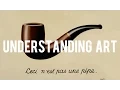
I started analyzing paintings as a way to confront the problem of not engaging with certain forms and genres of art. I mean, you stand at a museum, look at a Kandinsky or a Monet or a Seurat and wonder: What exactly am I supposed to feel here? Certain paintings seem particularly stubborn, unwilling to move even an inch in your direction, leaving you with a massive void to fill with unanchored interpretation.
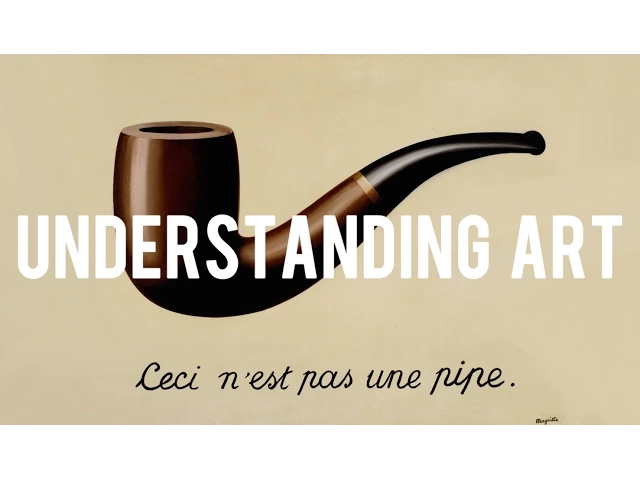
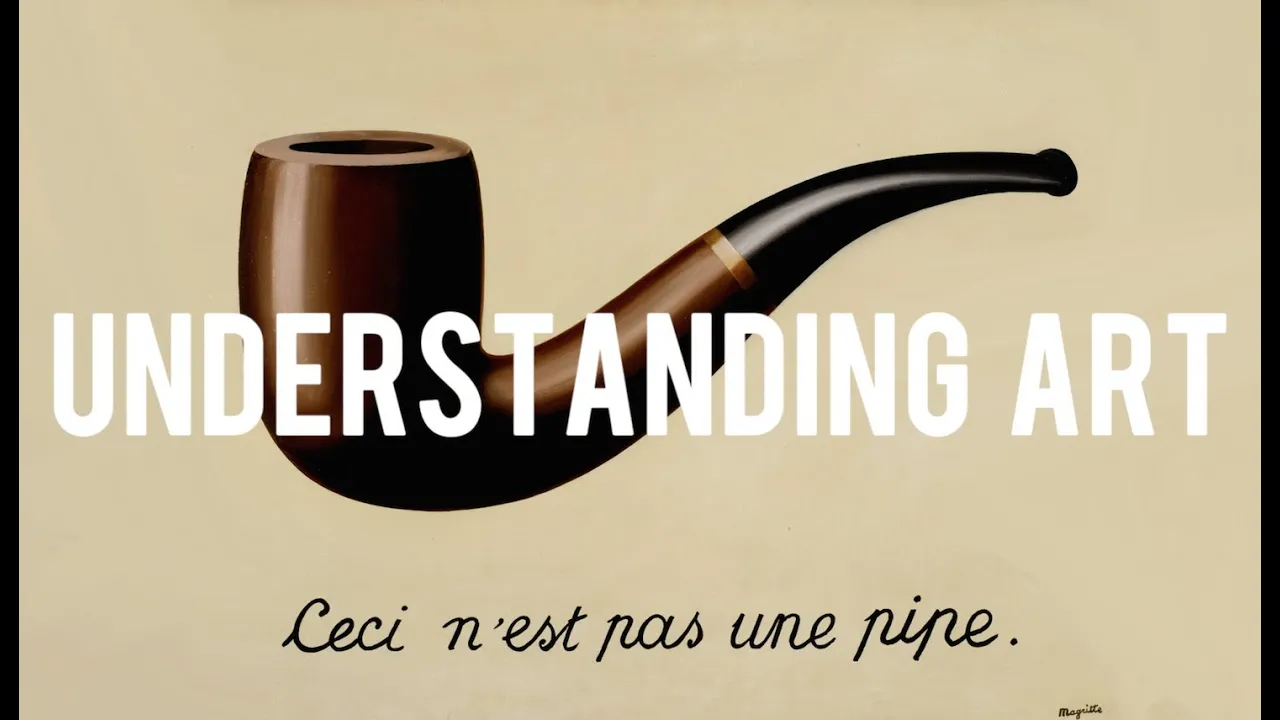
But what about paintings that do the opposite? Rene Magritte's The Treachery of Images moves more than an inch in the direction of the viewer. It goes all the way.
The painting speaks in a language that we can understand, which is to say language itself. "Ceci n'est pas une pipe. " This is not a pipe.
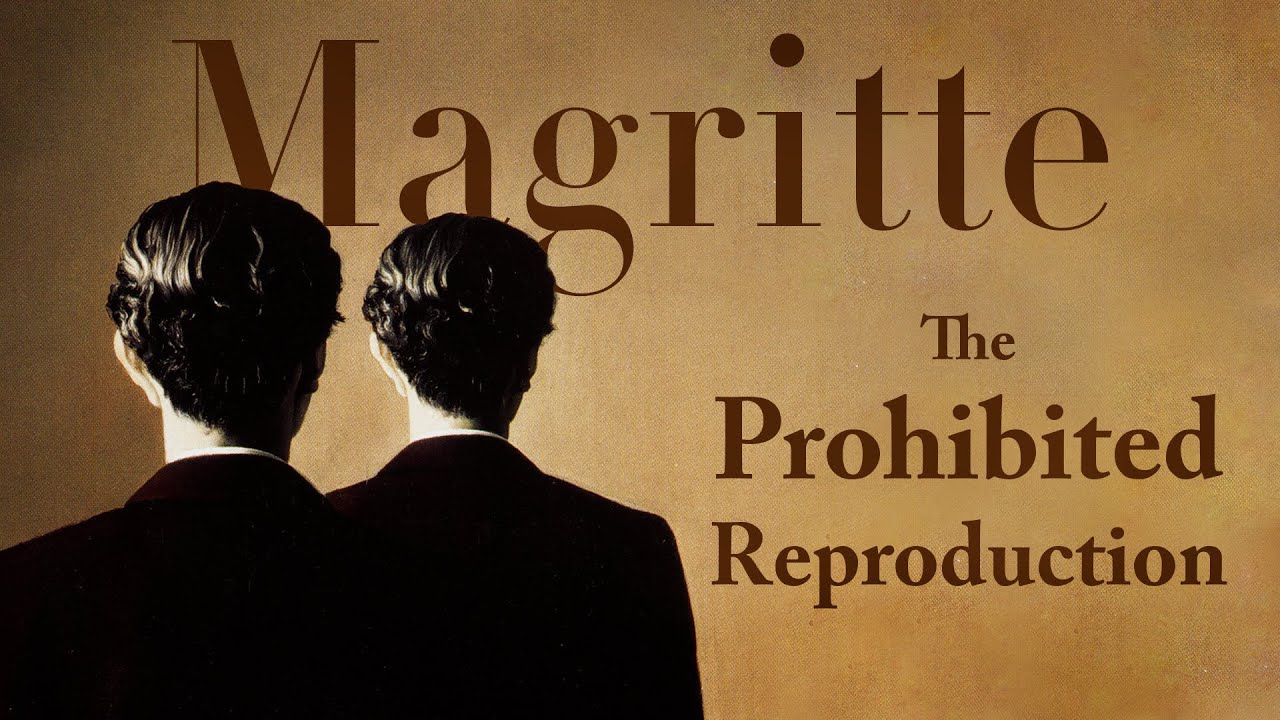
The painting actually says something, it engages, it talks. So, what's it trying to say? First, let's talk for a moment about Rene Magritte, one of the most famous and lasting of the surrealist artists, a man who never really thought of himself as a painter, more a thinker that used images to express himself.
Once he landed on an aesthetic style, it never really changed or evolved throughout his career. Well versed in philosophical writing from Plato to Foucault, he used that style to investigate ideas. His program was to confuse, to evoke mystery, to show us that what we want is always behind the thing we see.
And that the obstruction can never be removed completely because it's not in the object. It's in vision and thought itself. The Treachery of Images approaches these themes directly.
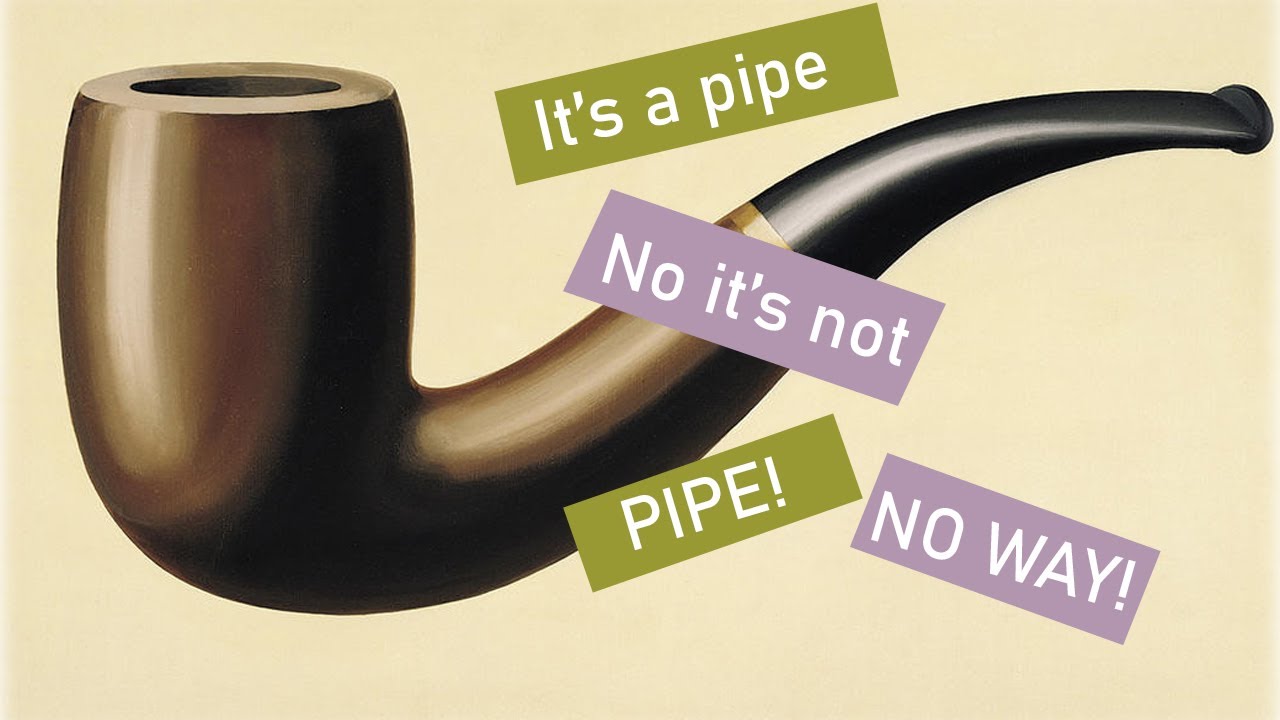
The painting at first is obvious in its message. It shows an image of a pipe and then underneath the image it tells, or reminds the viewer, that this not a pipe and we can infer the rest. Obviously, that's not a pipe, it's a representation of a pipe and Magritte means to show us that representations are not the real thing.
They only resemble the real thing. But of course, that's common sense. Who in the world would argue the opposite position?
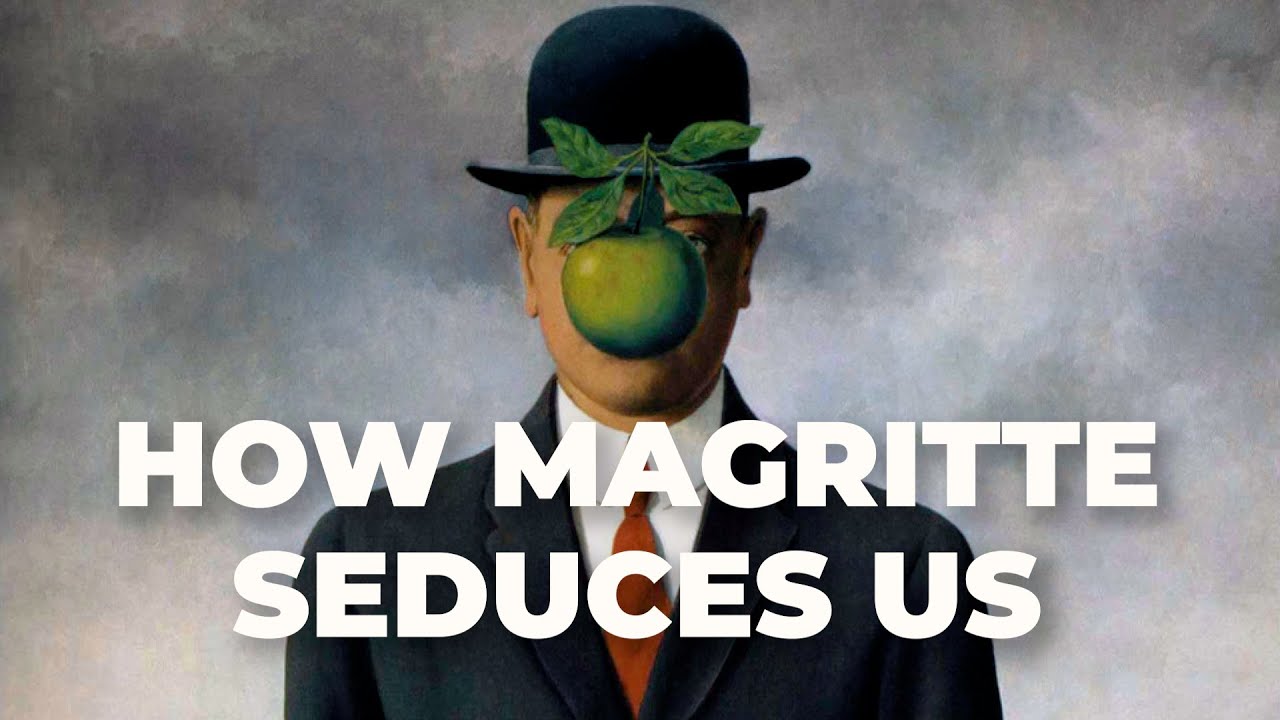
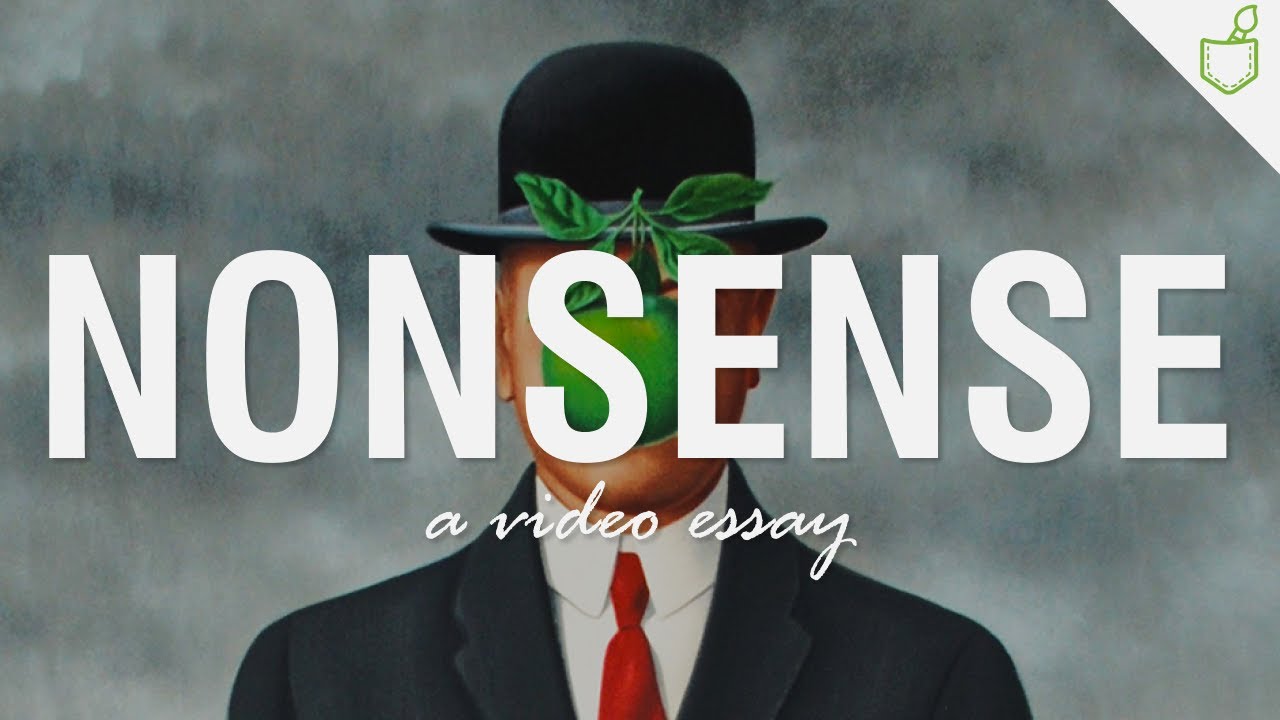
But a curious question comes out of this. If someone showed you this image and asked you what is was, what would you say? Probably you'd say, "It's an apple," right?
Or, what about this image? It's a man. Or this, this is a train.
This is a house. This is a dog. This is a hand.
This is a- pipe. The little accident of language is not really an accident at all. For many hundreds of years, human beings have supposed that language and reality had an organic relationship, that the names of things, in a way, arose out of the things themselves, that a tree was, in fact, a tree.
That Kanye West is, in fact, Kanye West, and that a pipe is really a pipe. All of that was challenged by the famous linguist Ferdinand de Saussure, an extremely influential figure who saw that a thing and its name have a totally arbitrary relationship, that we don't really know things; but only access their shadow through language in which everything has a meaning in the context of the system. After so many centuries of trusting the word implicitly, these insights were hard-won.
So hard-won, that Magritte saw that the old wrongheaded ways of thinking about language were still hiding in the way we thought and talked about images. Realistic painting plays on resemblance and resemblance suggests a hierarchy, that the image of a pipe resembles, that is points outside language to the thing in itself. The falseness of this claim is what inspired the abstract artists to move beyond resemblance into a field in which painting had no referent in reality as such.
Magritte, on the other hand, makes this point using the false premises of resemblance and shatters them from within. The visual secret dependence on language is laid bare in The Treachery of Images. Indeed, that dependence is the treachery of images.
Here was have an image and a sentence, laid out like a page from a botanical textbook, begging to be connected. But why should we connect them? Why should the sentence and the image refer to one another?
How do we know that the word "This" points upward? Of course, we don't know, but the pronoun, the resemblance, and the name all make that connection inevitable. And it's that inevitability that's made real in every aspect of our lives.
We go about our days confident that everything we see could be said and that the images we say could be seen. But if you've ever used the phrase, "You had to be there," you know that these are two realities that do not overlap in the way we act like they do. This is not a pipe, yes.
But this is not a pipe either. And if this is not a pipe, then the sentence scrawled in its cute schoolboy cursive is actually a contradiction, a contradiction that pulls the whole painting apart at the seams and makes it utter nonsense. I don't know if Magritte laughed about that but I hope he did.
Because what's more forceful? Not moving an inch in the direction of the viewer or moving a question all the way into the center of the viewer's mind, that on the slightest prodding and examination implodes? Hey everybody, thanks for watching.
Boy, that was really fun to do. I wanted to let you know that there are only five Nerdwriter mugs left on my Patreon page, so if you want to claim one of the last few, click anywhere here on the mug or in the description. Also, a lot of people in the last video commented who didn't live in the USA, and they might also be interested in a mug, so if you are, let me know in the comments below so I can guage interest and maybe we can do a whole separate batch for you guys.
Thank you so much for supporting me on Patreon, guys. Really, it is- I say this again and again, but it is what makes this channel possible. it wouldn't exist, the Nerdwriter would not exist without your help and I am trying to build it up little by little.
You know, it's a model for supporting content that I really believe in. I mean, you pay to get the content that you want. There's nothing in between you and me.
It's just me and you. It's a beautiful- It's my birthday today. Actually, it'll be my birthday yesterday, but it's a beautiful birthday gift from you guys.
And I will see you guys next Wednesday.