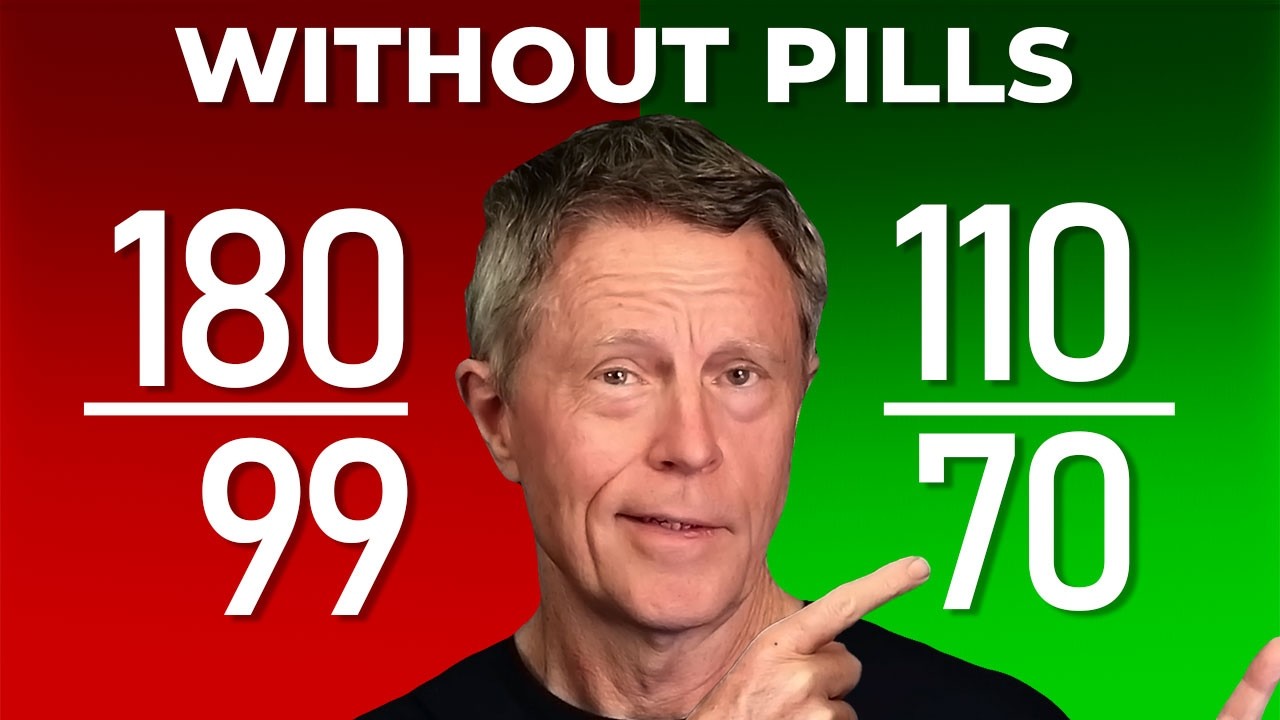
heart disease and stroke are the leading causes of death in the United States and high blood pressure matters a whole lot in that equation given the importance of this I feel like I've been scammed the guideline for healthy blood pressure is increasingly ratcheted down and in recent years it's unclear if these lowered blood pressure guidelines are actually reducing harm i believe studies like the 2017 Sprint trial that said blood pressure must be under 120 over 80 or else you're increasing the risk of death in fact 1.6 million of you watched my video telling you to
aggressively treat blood pressure as a young physician in 1998 I was taught that you should treat blood pressure when it's greater than 140 over 90 the authorities who decide this were supposed to be free of bias and came together collectively studying the information and deciding what was best and then look how often they tightened the guidelines 1977 1980 84 88 93 9703 anybody see a pattern that has to do with four years i was not paying attention in those early years heck I wasn't even in college for the first few guidelines but in light of
the last 5 years where politicians and scientists are mixing up their roles I am suspicious that the evidence was not as mature as the guidelines sound and really could the signal in the noise really have conveniently appeared every four years so who can you trust to give accurate information free of political and financial bias when I taught medical students the Cochran Library settled many debates about conflicting studies in medicine this library is considered the gold standard when tackling tough to answer questions in medicine they analyze several studies identifying the biases noting the strengths and weaknesses
before offering their conclusions so this is important stuff to know as a physician but I'm embarrassed to tell you that I missed this 2022 Cochran review answering the exact question that I'm curious about how low should the blood pressure be treated in these cardiovascular patients so let's get into it but warning do not stop your blood pressure medicine by watching a doctor on YouTube we know that high blood pressure is a problem if your top number is 160 and it raises to 180 you just doubled your risk of death this problem is a preventable reversible
one the question is how low should you get your blood pressure was I wrong to tell you to aggressively treat blood pressure so this Cochran review took seven important clinical trials that looked at over 10,000 patients trying to answer this question one of these clinical trials was the sprint trial which pushed the guidelines to be less than 120 and less than 80 on those numbers so that sprint trial is a randomized controlled trial it is paid for by the National Institute of Health that does not mean it is free of bias or problems here's what
the Cochran team pointed out the greatest problem starts with their inclusion criteria their inclusion criteria started with folks that are over the age of 50 with high blood pressure that top number was between 130 and 180 and you needed to have one or more of the following if they had kidney disease if they had had a heart attack in the past if they were over the age of 75 but here's the ringer if their Framingham risk study was greater than 15% which was actually looking at total cholesterol HDL cholesterol and the smoking history the smoking
is a fine inclusion criteria but the total cholesterol the average number for the whole study was 198 that's not an increased risk factor so there were several other warning signs for folks that read studies all the time like here was some inclusion criteria and then here were some things that make everybody a little nervous and that's when the patients and doctors aren't blinded to the outcome remember the sprint trial was trying to teach me how low should I get your blood pressure and what they were looking at was this audience of people inside the study
really weren't all cardiovascular patients in fact probably only 17% of the people in the study actually met the criteria for a patient with cardiovascular disease yet these guidelines are a neon sign for every doctor to lower it that much next they stopped the trial early which can inflate the importance of it because they're making a mathematical assumption before the trial is actually over so let's compare these two columns this one is the doctors using the standard recommendations and this is the column they were using to the lower standard numbers so let's use the top row
total mortality died of anything 68 out of a,000 patients died of anything in the normal treatment protocol whereas the advanced one 71 those are pretty close numbers not much difference the second row is serious adverse events they're looking for the advanced problems that go wrong when you have high blood pressure and the first column had 252 per thousand but the advanced treatment had 255 per thousand again not much difference as we look at the total cardiovascular events meaning a heart attack or stroke and then cardiovascular mortality where they died the differences between the two populations
was not much the people who withdrew from the study because of adverse risks had the greatest differences between these two populations this is where the rubber meets the road and it's where the Cochran team found the greatest flaws in the recommendation for the lowest to treat blood pressure remember these are the patients in my practice with the greatest risk for problems we want to help them quickly without hurting them so does this mean that the numbers that I recommended to you are not healthy no the numbers are healthy how we achieve these numbers in this
population of patients is causing more harm than good the advice to keep adding medications to the point where these numbers were super low caused more side effects and harm than good and I see it in my practice when lowering that blood pressure with a bunch of medications the patients complain of fatigue they can't get up out of the chair they stop going for activities and their overall quality of life was lower and those other markers in the two populations were not that different so I'm causing problems without helping them but if you were my patient
I would not let you get away with a blood pressure above 140 i would want you to get it down the difference is how I would help you get there every guideline out there begins with treating blood pressure with lifestyle lower their salt ask them to exercise but over the years I haven't seen patients reduce their blood pressure and have a sustained lower blood pressure with that advice what I have seen is once I implement the ketogenic diet the inflammation removes the insulin lowers and the chemistry that increases blood pressure is reversed i have seen
patients get off over five blood pressure medicines and keep their blood pressure in the 120s over 80s without any medications never before using the ketogenic diet had I seen that even if I've been disappointed by the sprint trial I stand behind my video on how to treat blood pressure the answer isn't salt to find out what I recommend click here