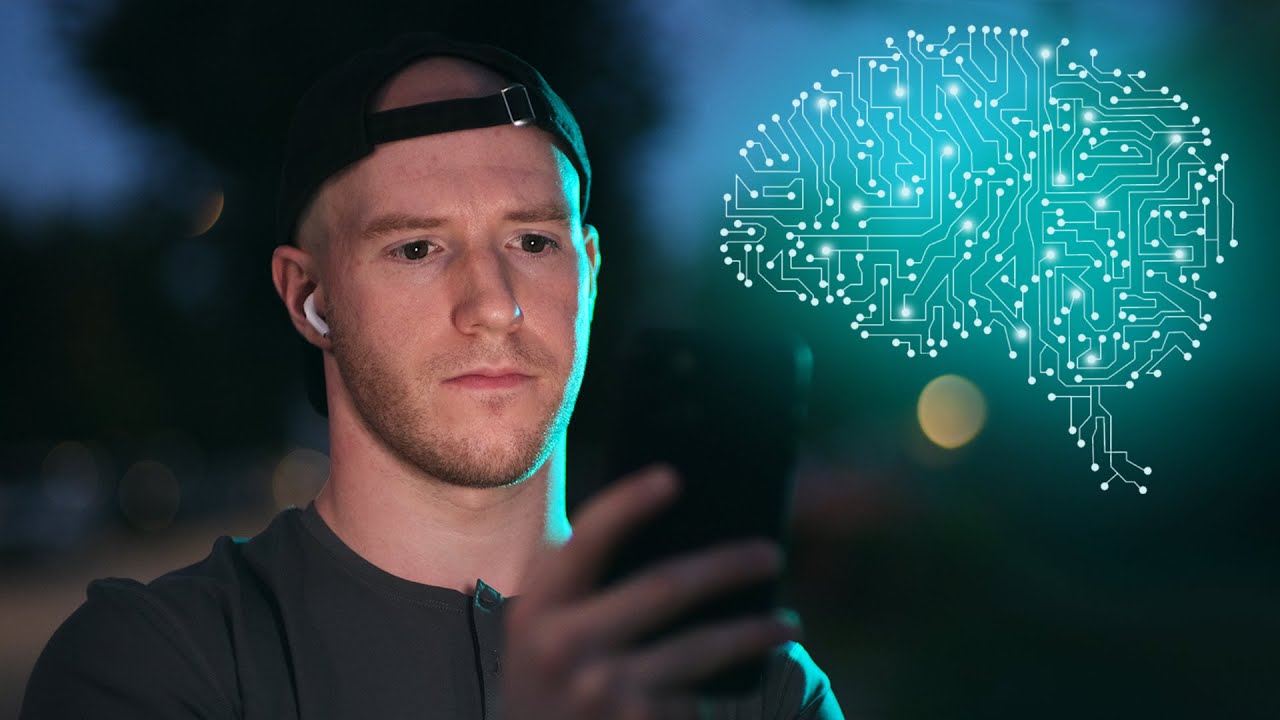
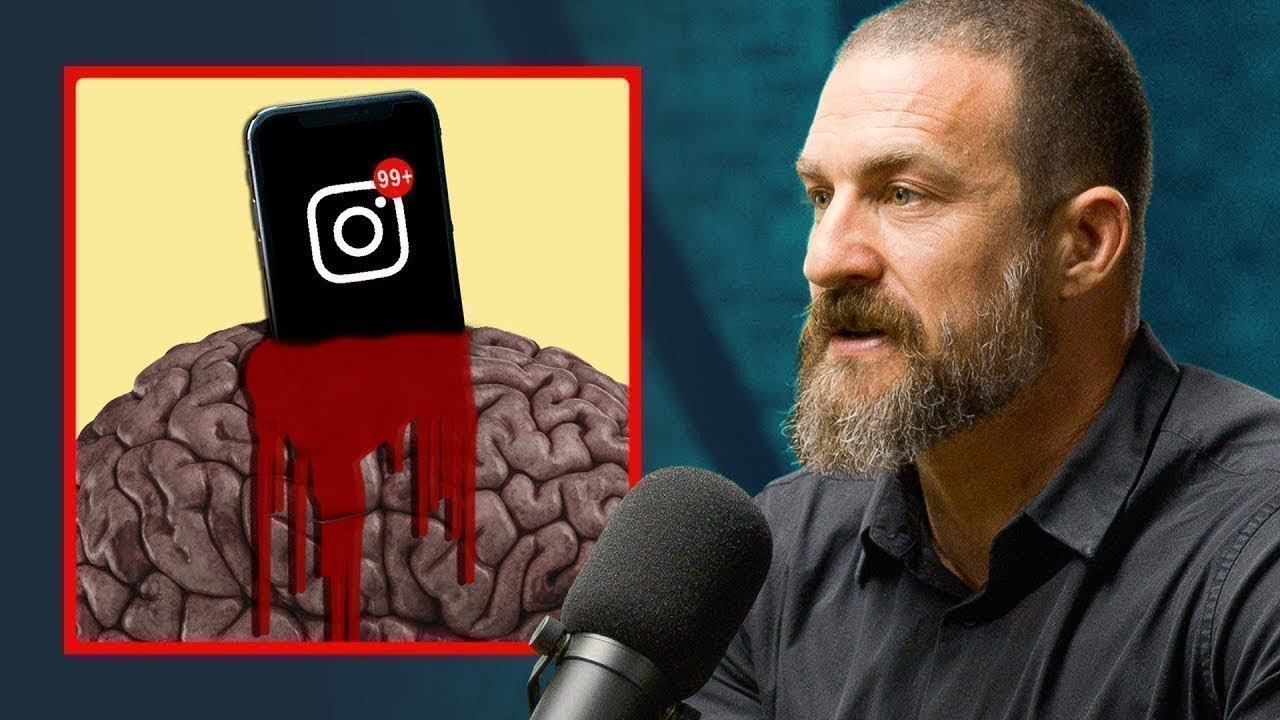
social media it seems we just can't get enough of it according to neelen last year Americans streamed 21 million years worth of video that's up 21% from the previous year and that can lead to overstimulation joining us this morning to discuss his Dr Nicole Andreoli a PhD with pathway Psychological Services good morning so good to see you and not only are people scrolling but now they're switching back and forth from different apps I mean what is getting us so caught up in this and that need for constant stimulation so there's a couple of reasons one
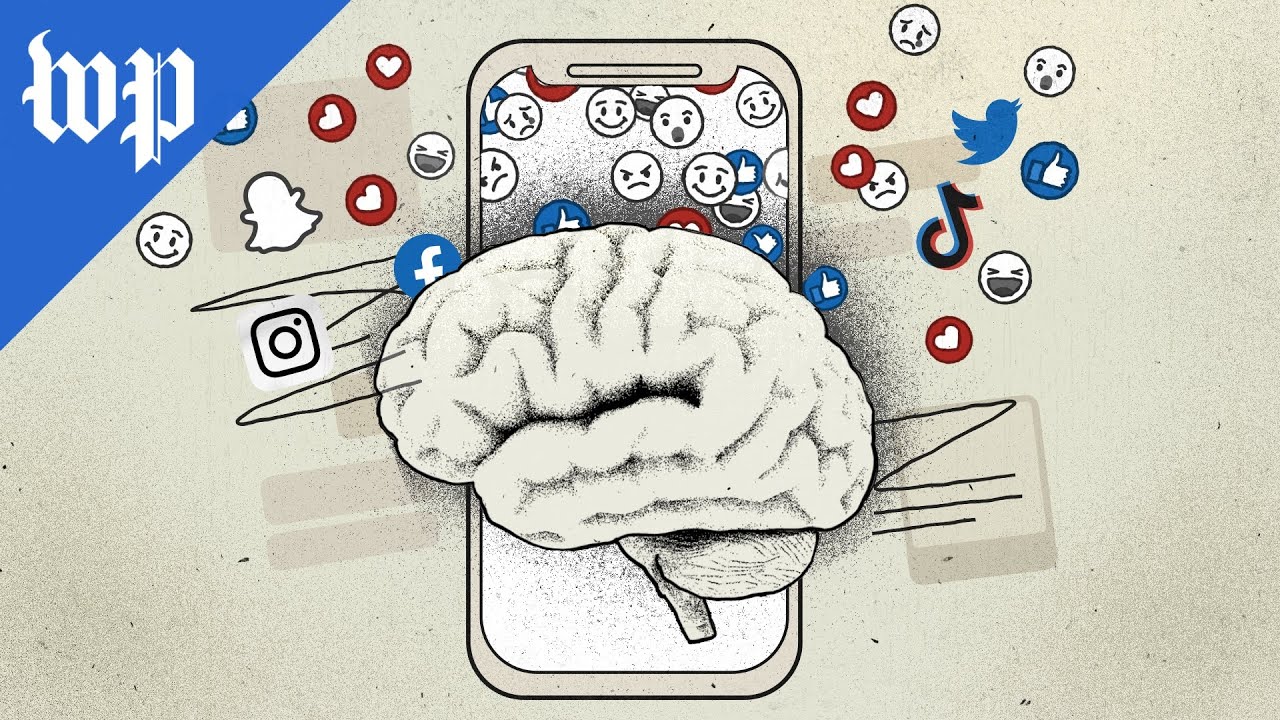
it's habit forming so we get into these habits where when we're bored when we're idle sometimes when we're anxious we're reaching to do the same things over and over again to fill that need so that's one of the reasons a big one is the dopamine release that we experience when we're constantly scrolling and seeking out new interesting and exciting information the release of dopamine in the brain is reinforcing so we're constantly seeking that out so if we're going through our social media feed and we're experiencing the dopamine release but then all of a sudden you
know I've been on this app for a little while it's starting to get a little mundane a little boring let me switch over to this other app so that I can find something new and exciting to look at and it seems all of this scrolling is kind of changing people's view of themselves and the world too absolutely there's a huge connection between social media use and overuse and how we feel about ourselves from a mental health perspective there's resarch Arch that shows that it's connected to anxiety depression loneliness social isolation if you think about the
things that you're look at looking at these really curated over edited versions of people's lives it's creating anxiety in us if we feel as though we're not keeping up with their expectations and their achievements it can cause body image issues we can also be really overwhelmed with the wealth of information that we're receiving not being able to really discern what is cons Ed misinformation or fake news and let's not forget the influence that the algorithm plays it's constantly feeding us content that's very Al aligned with what it thinks our beliefs are so now we're receiving
very limited information we're not getting exposure to diverse information and it's keeping things very polarized so you have some tips to help us manage that screen time the first is focus time what is that so think about Focus time as setting up very specific carved out time where I'm going to focus on this task that needs to be done so I'm going to eliminate distractions and distractions can be everything from clutter to notifications on your phone or your laptop to noise in the background it's really important to um focus on not multitasking but single tasking
which is something that most of us aren't very good at anymore and you also say you need to focus some time on silence tell me about reflection this part of the tips reflection plays a big role it's it's really hard to be aware of our behavior and change Behavior if we're not aware of what the behavior is so the reflection piece of it is really understanding what are social media habits when are we reaching for our phones is it because we're bored is it because we're procrastinating how long are we staying on social media and
the really important piece is how is it making us feel how is it affecting us so being able to really sit in silence and reflect and be really honest with yourself is your important that well Dr Nicole Andrei it's good to see you thank you so much