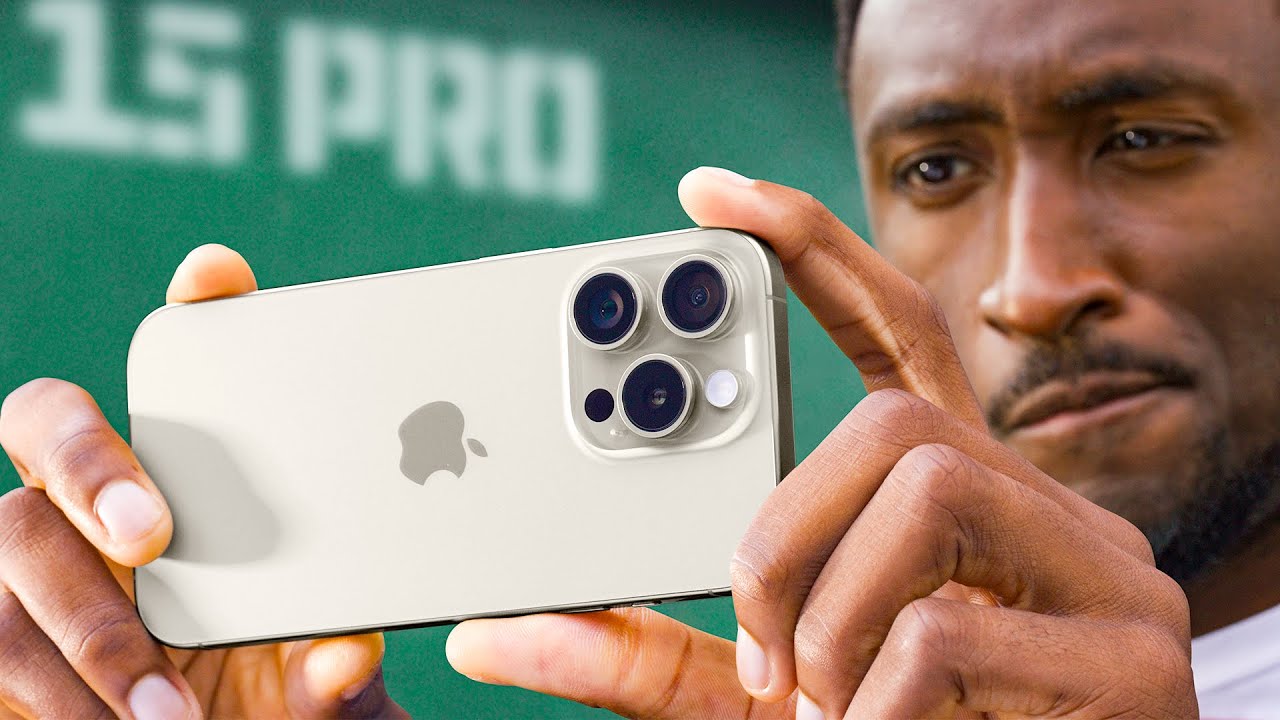
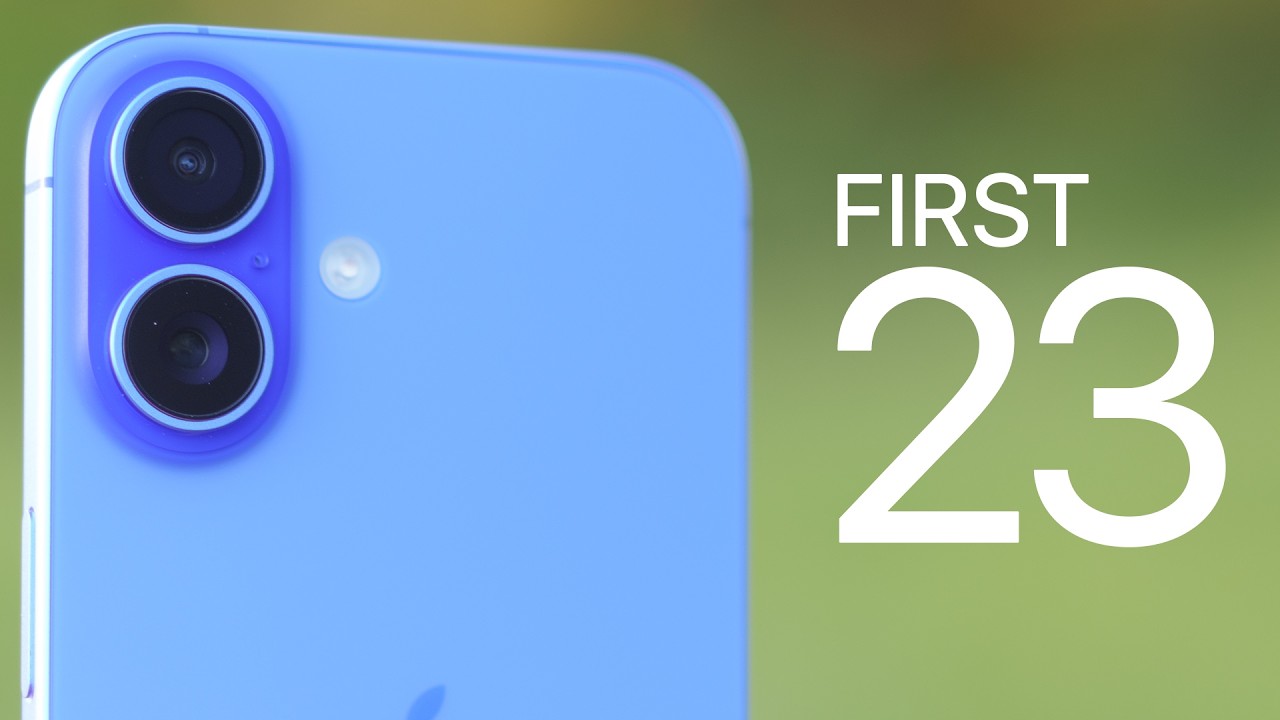
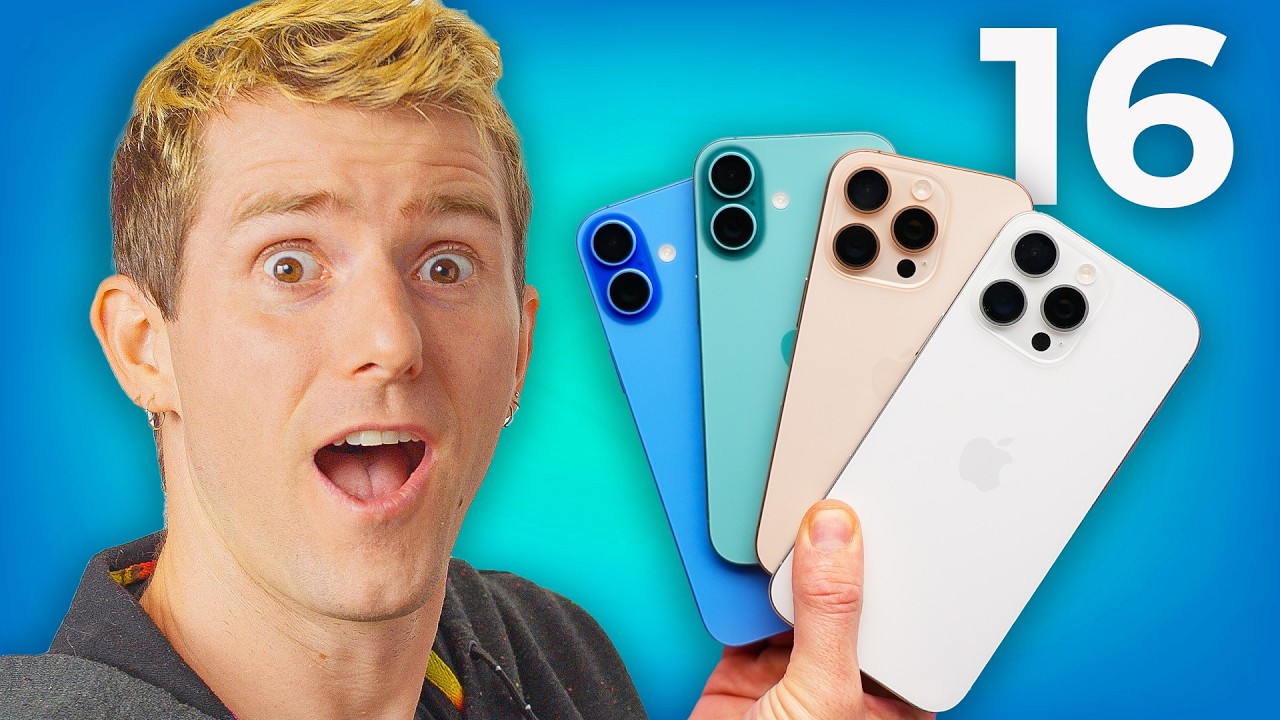
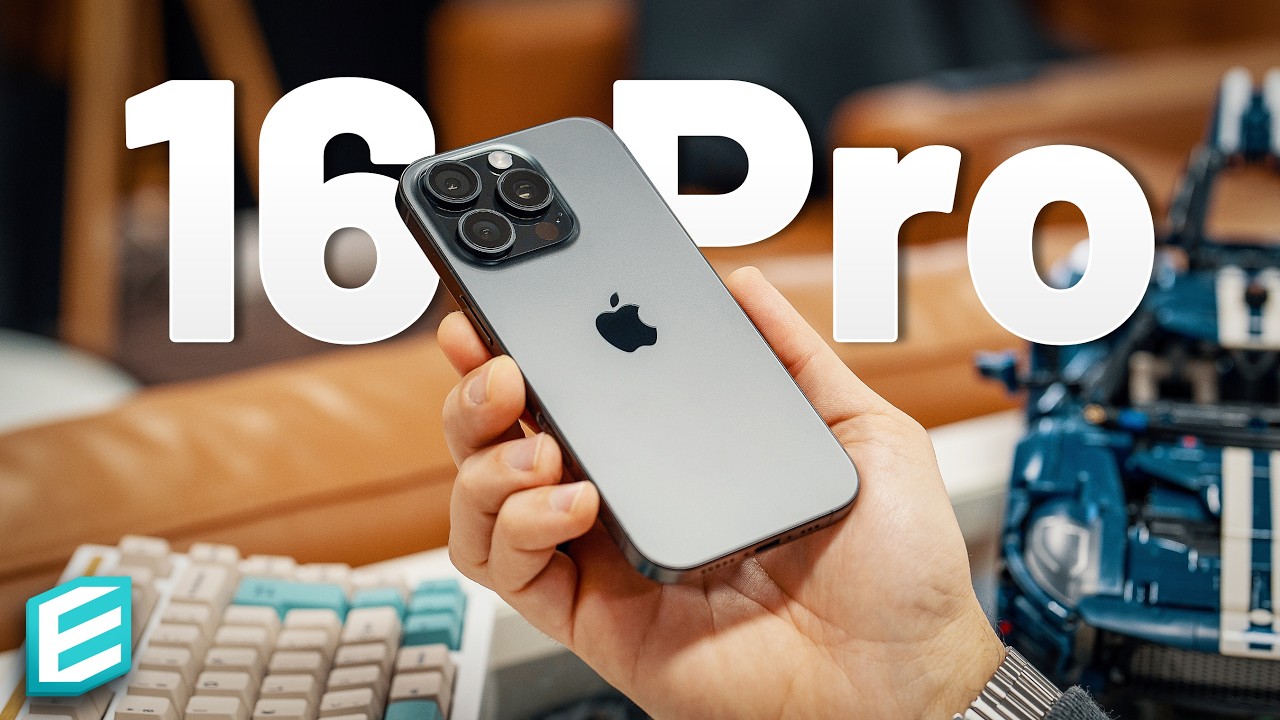
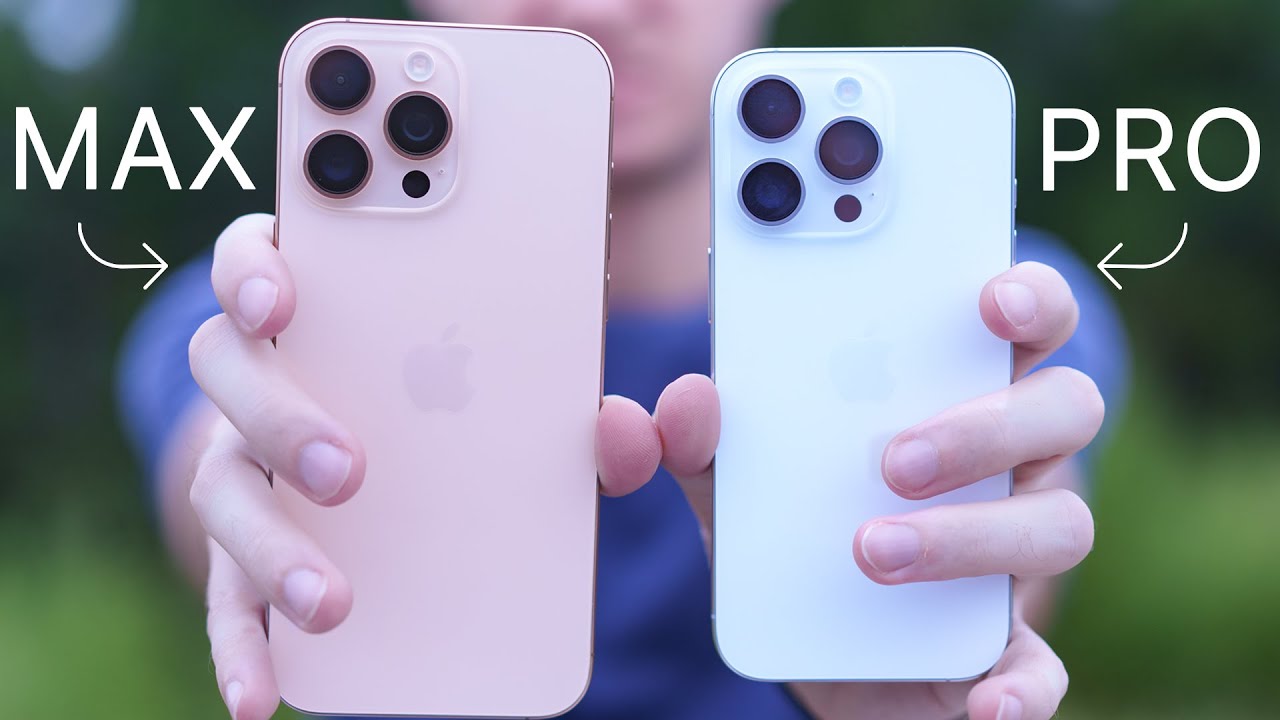
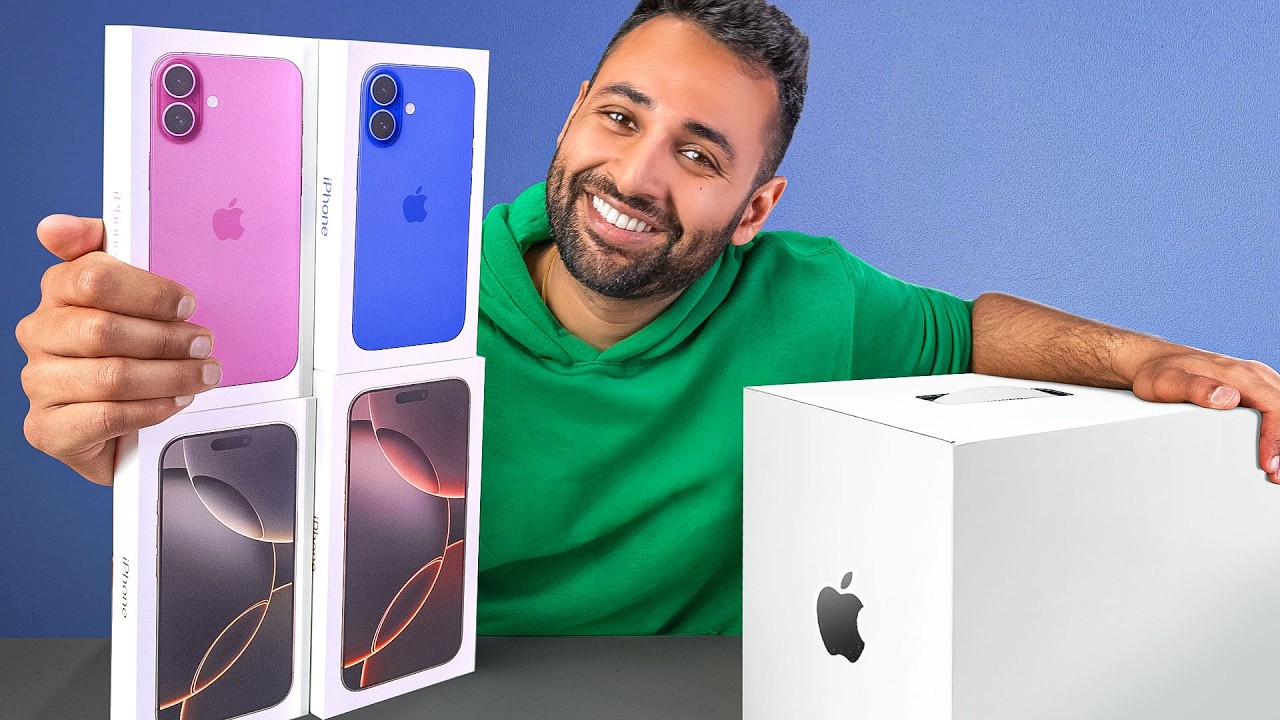
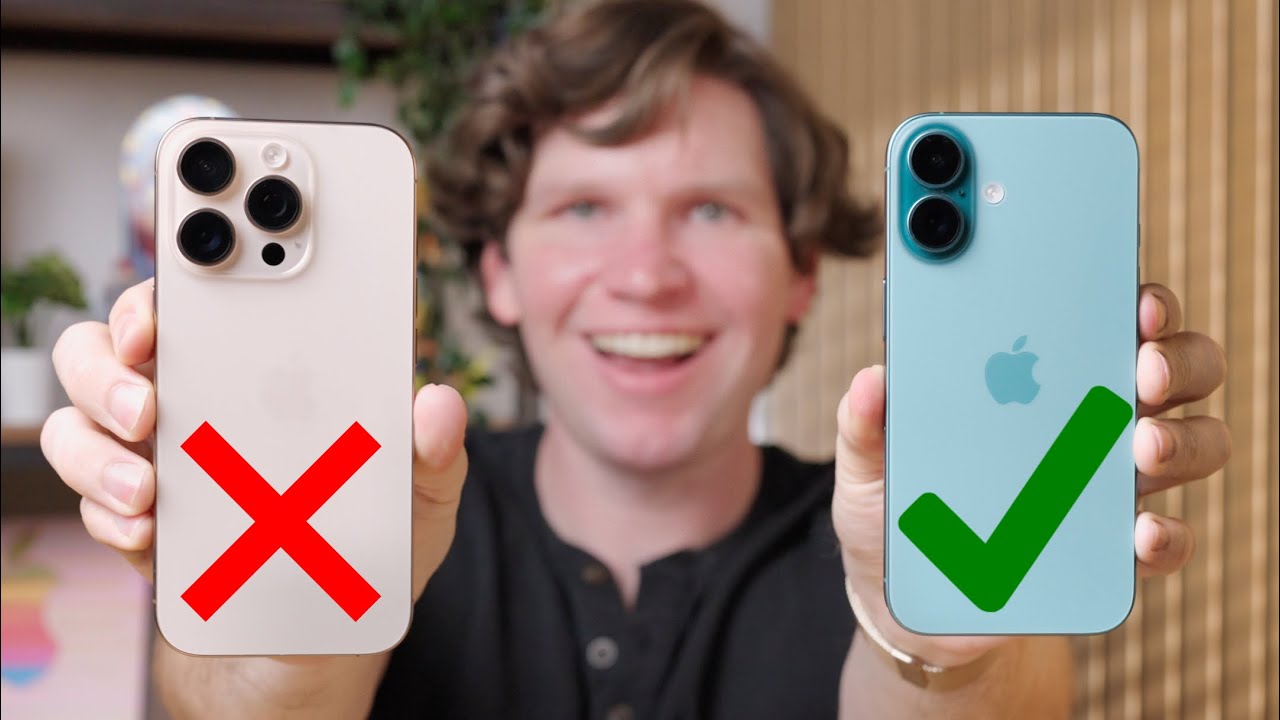
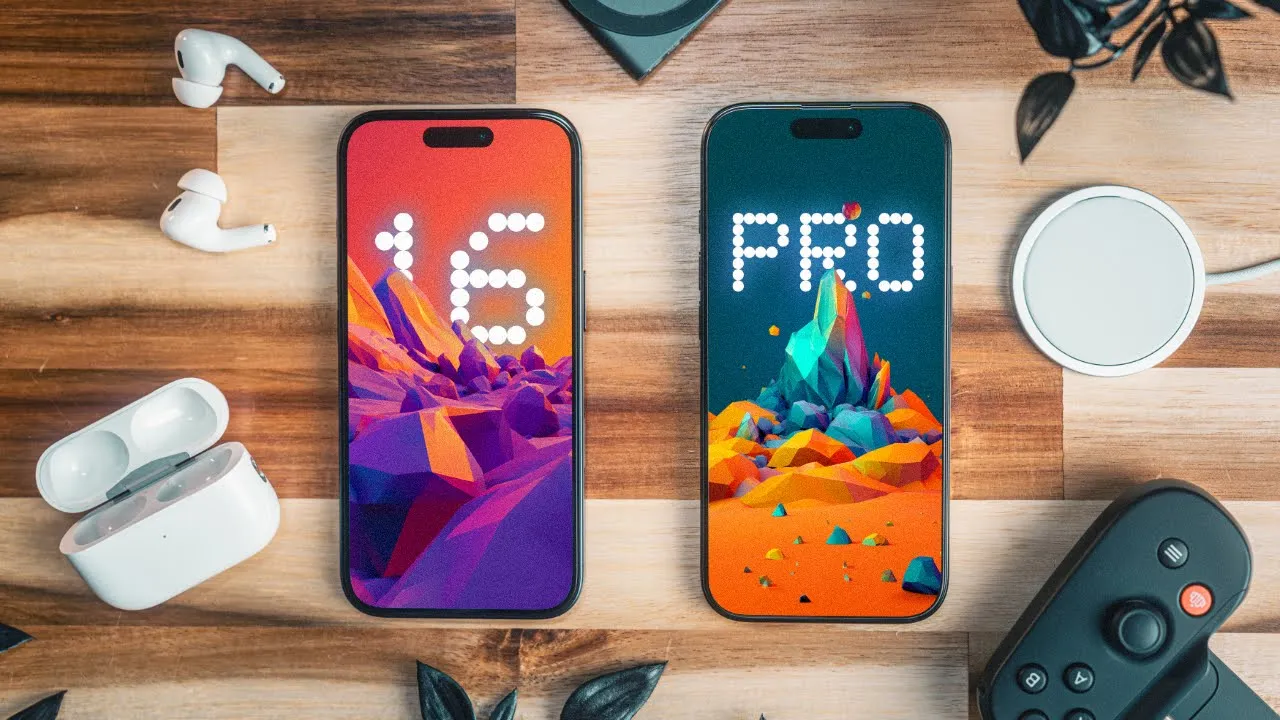
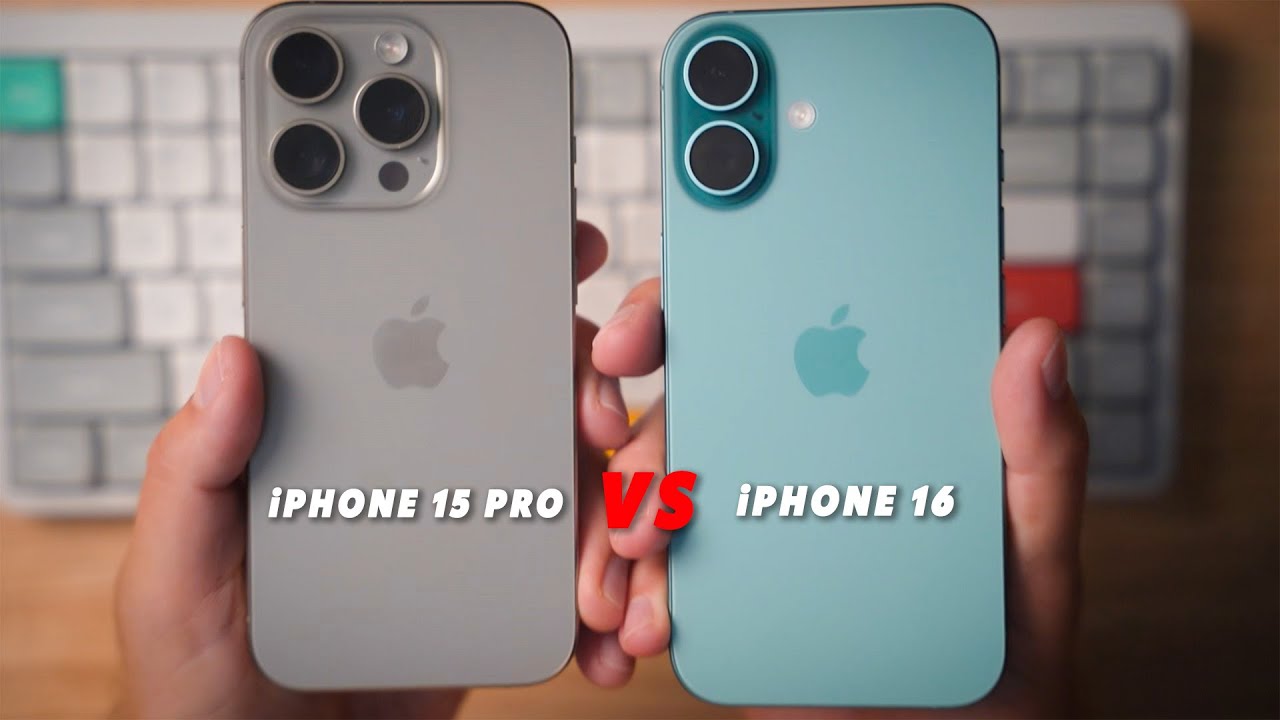
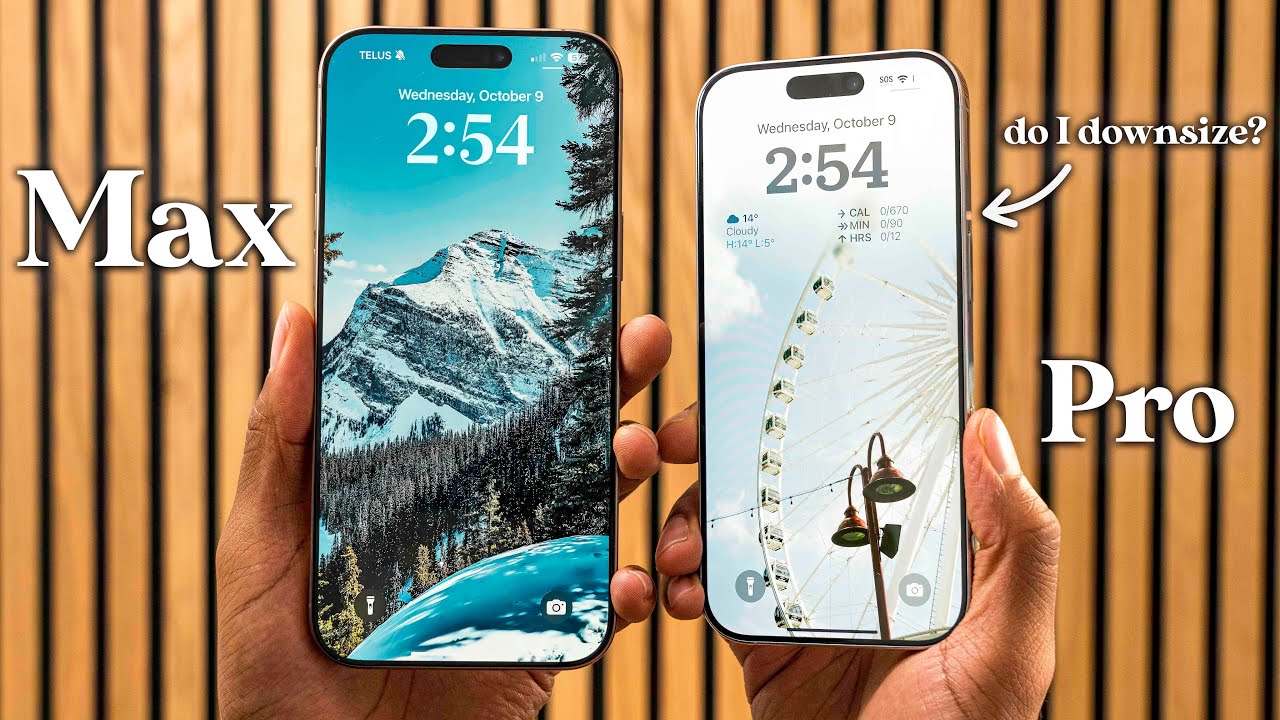
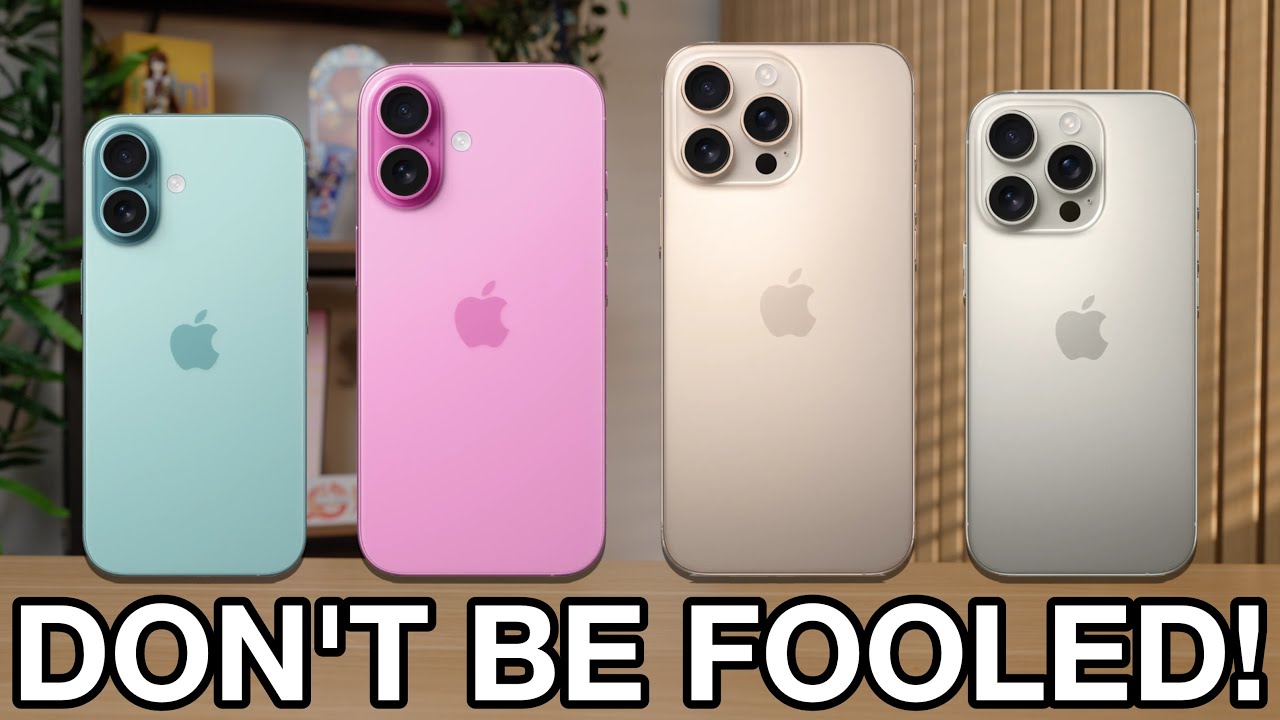
these are the iPhone 16 and 16 Pro and this year the lines that separate them have blurred more than ever Apple added a host of new features to both phones and where the regular iPhone is often a dumbed down version of the pro from the previous year that seems to be changing a little and can make it harder to decide which model to choose making the right choice often boils down to personal preference and how you use your phone and after using these for the last 3 weeks I've got a pretty good handle on how they perform what separates them and what it makes sense to pick one over the other today I'll dive into all of that what's new what my experience has been like and any key differences there are here so if you're on the fence between these or you're just curious to see how they stack up against one another stick around and let's get into [Music] it this video is sponsored by reflex hey everyone Kyle Erikson here for the past few weeks I've spent an absurd amount of time digging into the iPhone 16 and 16 Pro and even though one is labeled Pro and has more features it still feels like there are aspects of the regular 16 you miss out on by going with a pro besides the obvious differences in price tag with the iPhone 16 starting at $799 USD versus 9. 99 on the pro the iPhone 16 does appeal to me a little bit more design-wise in my my opinion the color selection is much better on the 16 you've actually got colors that pop like the new teal and ultramarine where the pro doesn't really have colors at all but more just different metallic Shades now the models that I have here are both black and part of that is because I'm giving the regular iPhone 16 to someone after I'm done with it that prefers black but even though these particular phones share the same color and look very similar they do feel quite different from one another a big part of that is because of the size and to a lesser extent the material where the iPhone 16 is made from aluminum and the 16 Pro is made up of an aluminum chassis fused together with a titanium shell the titanium is quite a bit lighter than the old stainless steel models but with the 16 Pro coming in 2 mm taller and a half mm thicker than the 16 combined with a bulkier camera system it does weigh about 15% more coming in at 999 G versus 170 on the 16 that does make the iPhone 16 a touch more comfortable to use but for anyone who chooses to go caseless I have found the titanium to be a more robust material against drops and it just feels a bit more durable the main reason why the 16 Pro is bigger and heavier this year compared to last is the screen size got a bump from 6. 1 in to 6.
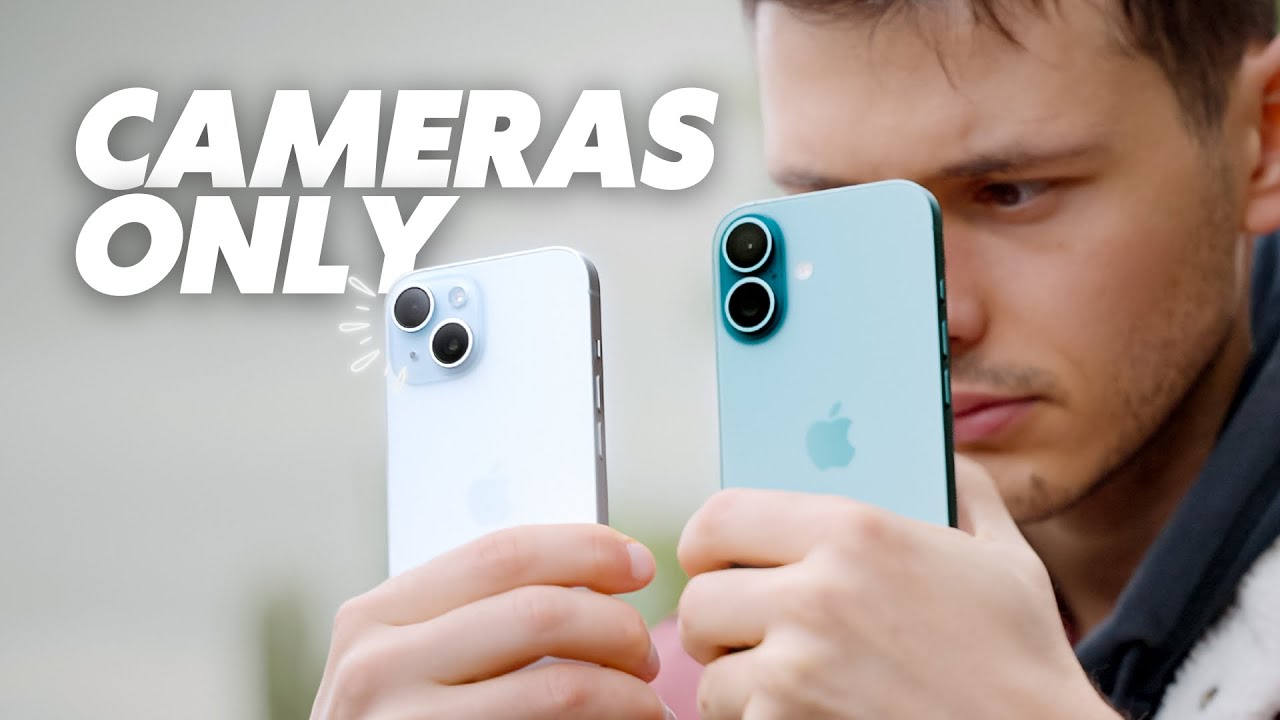
3 this year while the regular 16 retained the same 6. 1 in panel and and that's probably been the most talked about downside on the iPhone 16 this year while both of these displays outside the slight difference in size have the exact same specs from the pixel density to the brightness and color the iPhone 16 still retains the 60 HZ refresh rate as opposed to the 120 HZ PR Motion in the 16 Pro that means that while the image looks almost exactly the same between these the 16 Pro does feel much more fluid and smooth versus the 16 that's a little more choppier and quite honestly somewhat behind the times for phones these days having said that it doesn't affect the functionality while using the phone and for a lot of people it's not an important factor especially if you're just used to the regular iPhone display but some folks can't live without 120 Herz and I'm sure they'll have something to say about this in the comments but the bigger issue to me is that the promotion display has a variable refresh rate that enables the always on display which the 16 does not have not having the always on display can be nice at times because it does keep things distraction free but I do prefer at least having the option to quickly glance at the time my widgets and any notifications I might have regardless the difference in displays wouldn't be a determining factor for me personally as to why I would choose the 16 Pro over the 16 although I totally understand why it is for some having a more fluid display does have a better feel and appearance but for me me when we get into the camera system that's when things get a little more interesting the iPhone 16 and 16 Pro both have a 48 megapixel Fusion main camera with the 16 having a marginally wider aperture at f1. 6 versus f178 in the Pro they both have Ultra wide lenses with the 16 Pro again being a 48 megapixel sensor and the 16 only being 12 and the pro also has a 5x tetr prism telephoto lens which the 16 does not have in real world testing standard photos off the main cameras look pretty much the same in terms of colors and overall appearance between the two but I have noticed that the 16 Pro does appear to be a bit sharper and can be better at separating the subject from the background likely due to the lidar scanner only available on the pro that liar scanner gives the camera more information about 3D space and also enables night portraits which you will only get on on the 16 Pro and while those do look a lot better on the pro than standard photos on the 16 General KN photos are again fairly similar and that leads into the ultrawide camera which is kind of the same story where General photos look relatively the same at a glance things look pretty similar along with both night shots and macro shots although I will say that macro shots do tend to look a little bit better on the 16 Pro and if you take a closer look on some images zooming in you can see that the 16 Pro does boost the Shadows a bit more and sometimes that results in flatter images not just here but across the entire iPhone 16 Pro camera system you can adjust that with the new style and tone options which I've talked about at length over the last couple of weeks in my iPhone 16 and 16 Pro reviews so I'm not going to go over that today or the new camera control button but I will pop links to both of those videos in the description for anyone who wants more info on that stuff now if you often find yourself zooming in a lot past the 2x option that's where the telephoto lens on the pro comes in handy where you will get an optical 5x Zoom which is obviously much clearer than the 5x digital zoom on the iPhone 16 and you can use that not only for Far Away subjects but for portraits or product shots which does prove to be occasionally useful provided you have decent lighting and your subject isn't too close photos are generally pretty good off that lens but nowhere near the same level of quality as the other two the iPhone 16 Pro can also shoot Pro Raw photos if you plan on editing your photos and you want a larger dynamic range but I honestly rarely ever shoot Pro Raw photos just due to how big the file sizes are and I prefer to just use my mirrorless camera if I want that level of control the one advantage most mirrorless cameras have is having interchangeable lenses for different scenarios or shots and we obviously only have a maximum of three fixed ones between these phones but there is a company called reflex who does have a solution for that reflex offers their lineup of Premium quality G Series lenses that covers pretty much any creative need with 2x telephoto 110° wide angle 10x macro and long range macro 220° fisheye and anamorphic 1.
33x lenses essentially how these work is I can put on a reflex G Ser case on my phone and then just simply screw the lenses into that case which will give me any of the desired effects or focal ranges and they also have something called the remag mounting system on the lenses where I can easily swap out lens caps and different filters magnetically these lenses all give you insanely great detail with virtually no Distortion and the build quality on all of them is outstanding they're all made from Aerospace grade aluminum with multi-element glass components and they truly can enhance photos and video whether you're on an iPhone 16 or a 16 Pro so check out the link in the description if you're interested in stepping up your iPhone photography speaking of video that's where I think there's a lot more separation between the iPhone 16 and 16 Pro but let's just talk about the things that they have in common first they can both shoot regular video in 4k up to 60 frames per second both have cinematic mode which looks great and is largely the same between these models and you get the new audio mix features on each where if you go to edit a video in the photos app you can to remove wind noise and select different settings to enhance vocals within a video the one difference there is that the iPhone 16 pro has a 4 array studio quality mic where the 16 just has a standard one and the disparity in audio quality is fairly noticeable this is what my voice sounds like coming directly off the iPhone 16 with nothing enhanced or edited and this is what my voice sounds like again coming directly off the iPhone 16 Pro again with nothing altered or edited as you can see the 16 pro has a slight Edge there and that can be extremely beneficial if you're someone who's recording yourself a lot and within the same context even though the front-facing camera is basically the same spec between the two phones only the 16 pro has the ability to record and pris appal log which makes a world of difference in overall video quality appal log works on both the front and back lenses on the pro and purposely puts out a flat image that retains as much detail as possible that you can then color correct and edit afterwards and the quality is just as good if not better than a lot of mirrorless cameras there's a lot less post processing and sharpness added to the image over the regular video mode so it comes off much more natural looking and something new only in the 16 pro this year is the ability to shoot in 4k at 120 frames per second that can be used either in the standard video format or in Apple log where you can get super smooth slow motion footage but realistically only a handful of folks will likely be using a lot of these video features given that they do require some knowledge of video editing and a more advanced skill set and if you want to record in 4k 60 and above with prores appal you'll need to record to an external SSD due to how big the file sizes are that's easily done via USBC and while both the 16 and 16 Pro use USBC and support any external accessory that I've tried there is quite a difference in the available bandwidth on that Port where data transfer on the iPhone 16 tops out at a maximum speed of 480 megabit per second and the 16 Pro goes up to 10 GBS per second making it 20 times faster that makes things like file transfers via USBC much quicker on the 16 Pro although chances of you transferring files across the wire on your iPhone are probably somewhat rare and airdrop works just fine in most cases the 16 16 Pro have exactly the same Wireless spec with Wi-Fi 7 and Bluetooth 5.

![1 MONTH with the iPhone 16 / 16 Plus! [Full Review]](https://img.youtube.com/vi/Epbk6QypFwg/maxresdefault.jpg)