where do great ideas come from and why do some people have bigger better ideas than others when we look at some of the most creative people who have ever lived something jumps out at us we can look at David Lynch who wrote and directed Twin Peaks malland drive and the first dune film his Creations are different from his peers right instead of wrapping them up nicely he leaves them unresolved you have no idea how it ends but wait there's also haow mayaz Zaki the founder and director of Studio gibli films Spirited Away how's Moving Castle
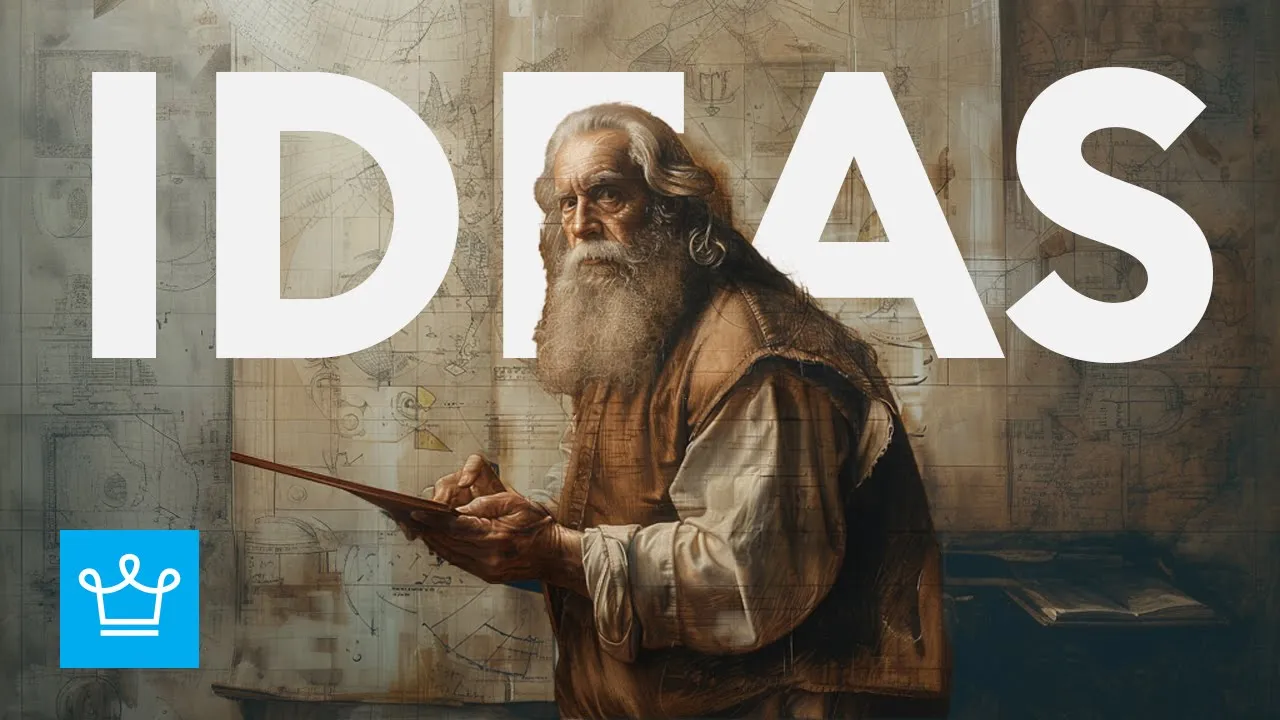
my neighbor tooro all of these movies are so unique technical emotional intellectual even philosophical and artistic and their cartoons and they appeal to all ages they are aimed at Young audiences but they Captivate and resonate with adults too there's Ernest Hemingway Virginia wolf Plath some of the most creative and unique writers we've ever had although they might not have been seen that way during their time Marie Cy Steve Jobs Isaac Newton Walt Disney Jimmy hendris Beyonce Taylor Swift creativity comes in so many forms but you know perhaps there's none greater than Leonardo D Vinci right
for decades before astronomer Nicholas kernus said it Da Vinci proclaimed il no mu the sun does not move 200 years before Isaac Newton DiVinci proposed the theory of gravity when he said every weight tends to fall toward the center by the shortest possible way 400 years before Darwin Da Vinci said that man and monkey had the same Origins and said that Evolution had shaped the natural world he also painted the Mona Lisa the last supper and he drew the V truvian man he designed multiple flying machines and his obsession with astronomy geology and botany led
him to make groundbreaking advancements in scientific understanding alexer that is creativity welcome to alux creativity is when you can generate or recognize ideas or possibilities that might be useful in solving problems communicating with people and entertaining yourself and others we're not all going to be le Da Vinci no there hasn't been anyone even close to his level since but we can unlock ideas and possibilities within our own minds absolutely you can be the person at work coming up with different and unique ways to solve a problem if you can understand the psychology of creativity you
can use that to unlock that door and allow yourself to think more freely from a cognitive perspective creativity is focused on three main areas Divergent thinking problem solving and idea generation now some people can think of these three things quickly how fast and differently to everyone else you think has a lot to do with how quickly the neurons from different parts of your brain fire and how well they connect that part of creativity is genetic we can play brain and memory games to improve it but some people are just born with neurons that fire faster
and connect better than others now for the others creativity takes a lot more work but it is something that can be practiced and created Divergent thinking is a thought process used to generate ideas by looking at many different solutions it's often spontaneous and more free flowing a lot of ideas come about pretty naturally as a result of how our minds work without us having to consciously force them since the idea with Divergent thinking is that we get our best ideas when we are not focused on generating ideas doing things that have nothing to do with
your work or the problem you're trying to solve is the best way to achieve this this is why so many of us have our best ideas while taking a shower something like going for a hike is also great because you're mentally and physically focused on something else a challenging hike is especially great because it draws your mind to the moment and gives your idea brain time to work behind the scenes means surfing cycling across the city and skiing are all great options too because the scenery draws your attention you're focused and thinking about what you're
doing and you don't really have time for much of anything else reading is good for this and so is any kind of crafting activity good conversations that have nothing to do with what you need to focus on are also fantastic ways for ideas to jump through the clouds into your mind it's important to be Act actively thinking not passively thinking so unfortunately something like watching TV or scrolling social media is not going to help because a lot of your brain just switches off when you do this now the next cognitive process involved in your creativity
is problem solving we are the most creative when we're responding to a problem or a challenge so the first step here is identifying and designing the problem fully now to do this you have to look at existing limitations gaps in knowledge and opportunities for improvement a lot of this information except for the last one you can gain from research as long as you look into the problem correctly and as fully as possible you can find the basic and important information the skills you need to be a good Problem Solver are transferable if you can solve
problems in your hobbies then you can solve them at work too so seek out personal challeng challenges first set specific achievable goals that challenge you to step out of your comfort zone for example let's say you like photography so set yourself a challenge to capture the alphabet in everyday designs and objects because that'll help you with your attention to detail and focusing on your surroundings which are transferable creative skills you could take on a different project at work and learn about something that you wouldn't normally come across join in an improv or theater group where
you often have to think on your feet and build on other people's ideas and leave them enough space to build on top of yours a lot of problem solving is about having great analytical skills while we may have been taught that our creative and analytical brains are separate and that some people are more analytical While others are more creative this just isn't true the better that these two sides communicate with each other the better you are at both skills so it's important to develop your analytical skills as well don't just see a problem as a
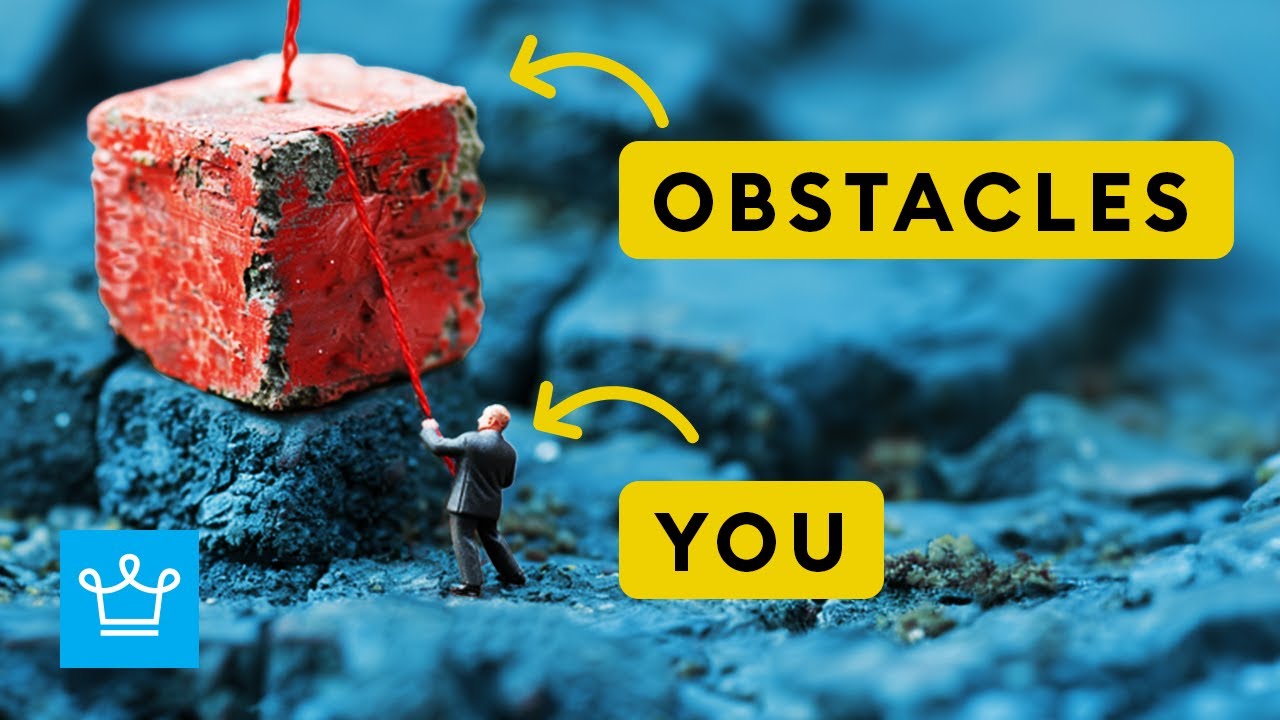
big obstacle that's stopping you from getting to where you want to go a problem can also be a detour it can be something that takes longer than it should it can be something that doesn't flow as nicely as it could anything that is slightly frustrating and not as smooth as it could be is something that you can improve on so when you're developing your analytical skills by breaking down problems into manageable Parts don't just look for the mountains you need to climb no you need to find the thorn in your shoe that's making the walking
slightly uncomfortable then you have to break it down notice the parts that are contributing to the problem look at each part to understand its significance let's say production is down at a manufacturing plant and it's gotten more costly to manufacture which is leading to missed deadlines and a decrease in profit well let's break this problem down what could be affecting productivity and cost maybe there's a lot of equipment downtime the workflows are inefficient there could be supply chain disruptions and many people calling in sick when you identify the issues you then apply problemsolving techniques to
each contributing factor you can use root cause analysis to find out why the maches are breaking down look at the maintenance records and the equipment performance data and get the feedback from operations to find common issues you can visualize the workflow from start to finish and see where the issues might come up look for Unnecessary steps or places where the work seems to be getting stuck and isn't flowing easily each part of the problem might need different problemsolving techniques so you need to learn different techniques all of these steps can be applied to any problem
problem or Thorn personal or professional if you're not meeting your deadlines at work for example analyze to find out why look at the different components of your life and work and use different problemsolving techniques to find good Solutions these steps might sound really rigid and analytical but it's all about creativity it's all about thinking differently the first step to understanding the psychology of creativity is idea generation where do ideas come from and how do you get more of them well ideas come from five key elements first observation and experience second knowledge and expertise third collaboration
and interaction fourth creativity techniques and fifth inspiration from art and culture you can dive into all of these elements today on your own or you can listen to the rest of this session by going to alux.com slapp and downloading it start a free trial today and get the scoop on the optimal 7-Day guide to tapping into your creativity and enhancing your idea generation through these five key Avenues people who are subscribers to the alux app get one of these coaching sessions every single day what do you think happens to your mind and to your life
when you have a mentor helping you out on the daily go to alux.com slapp and join over 100,000 people that already have an Fair advantage over everyone else until next time alexir take care