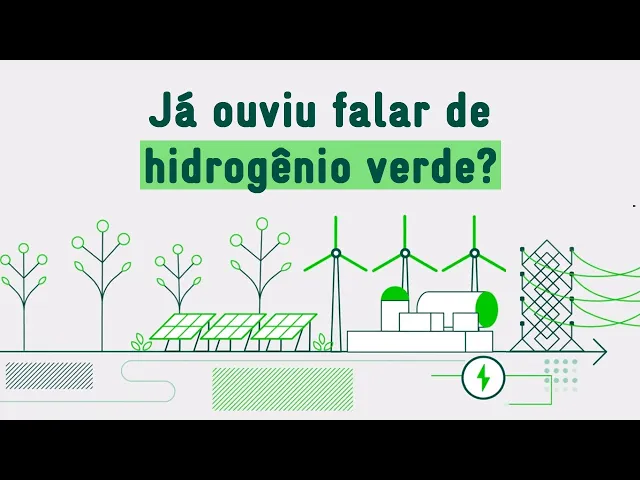
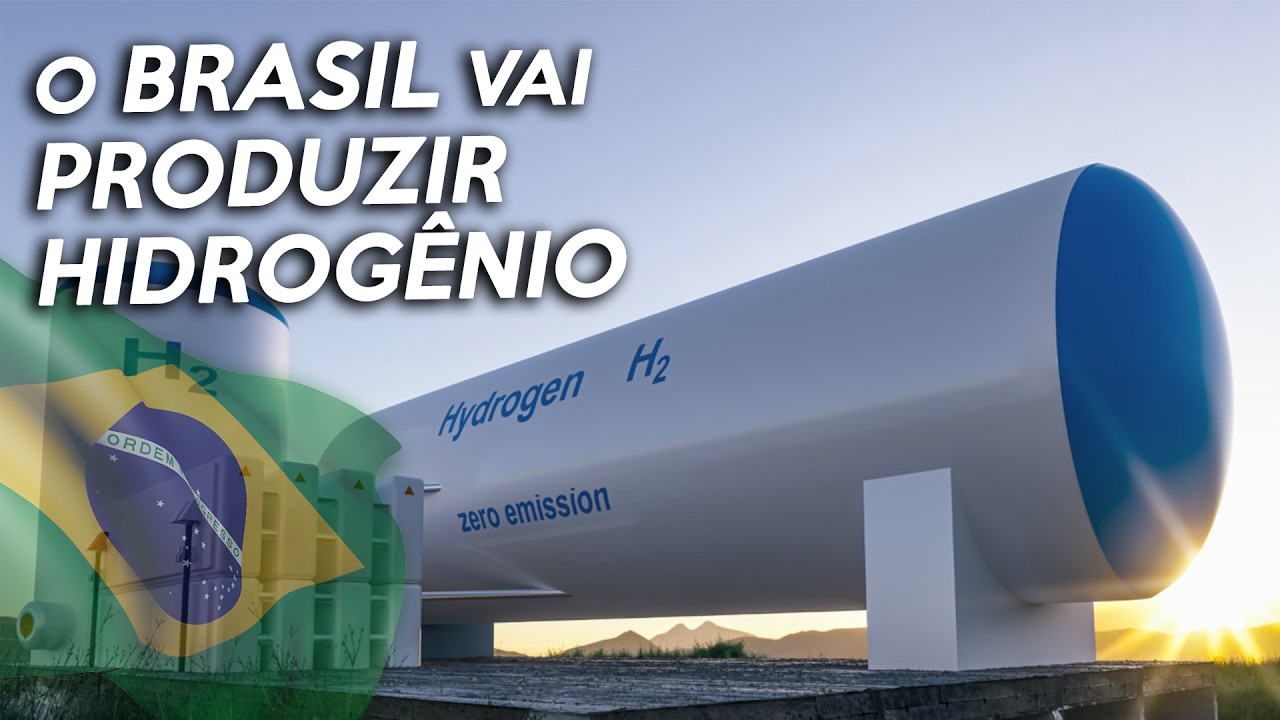
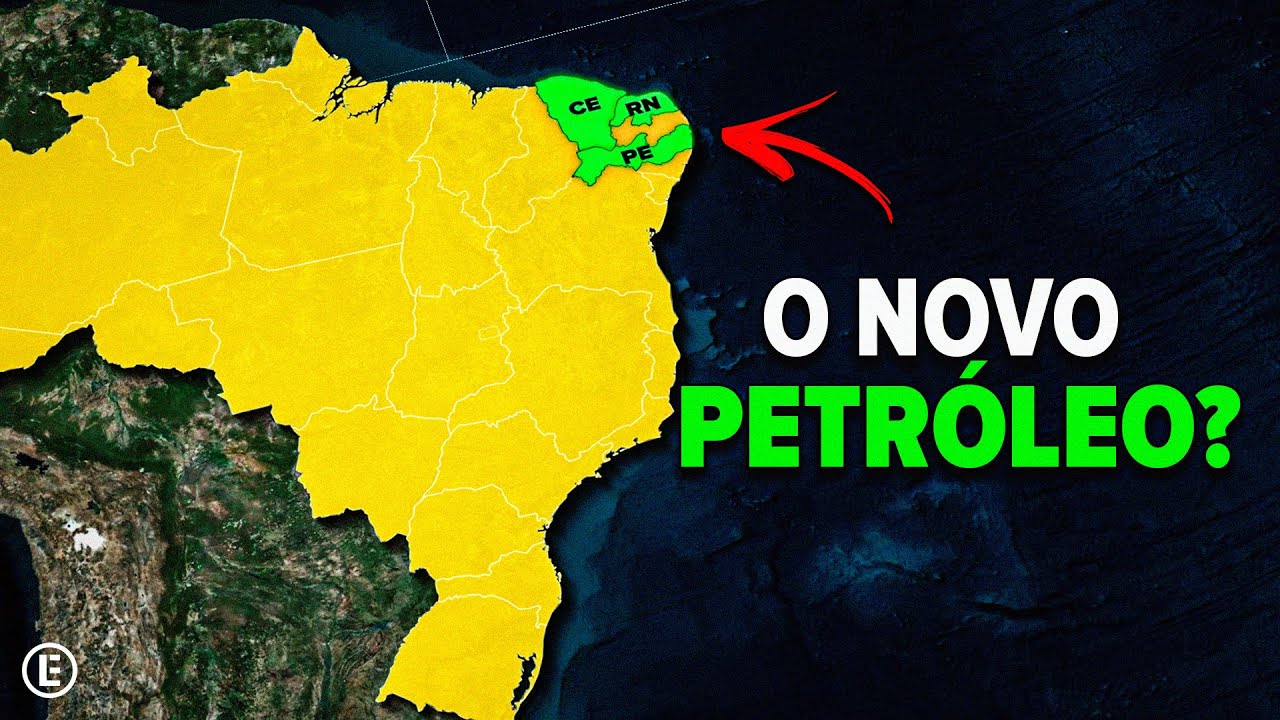
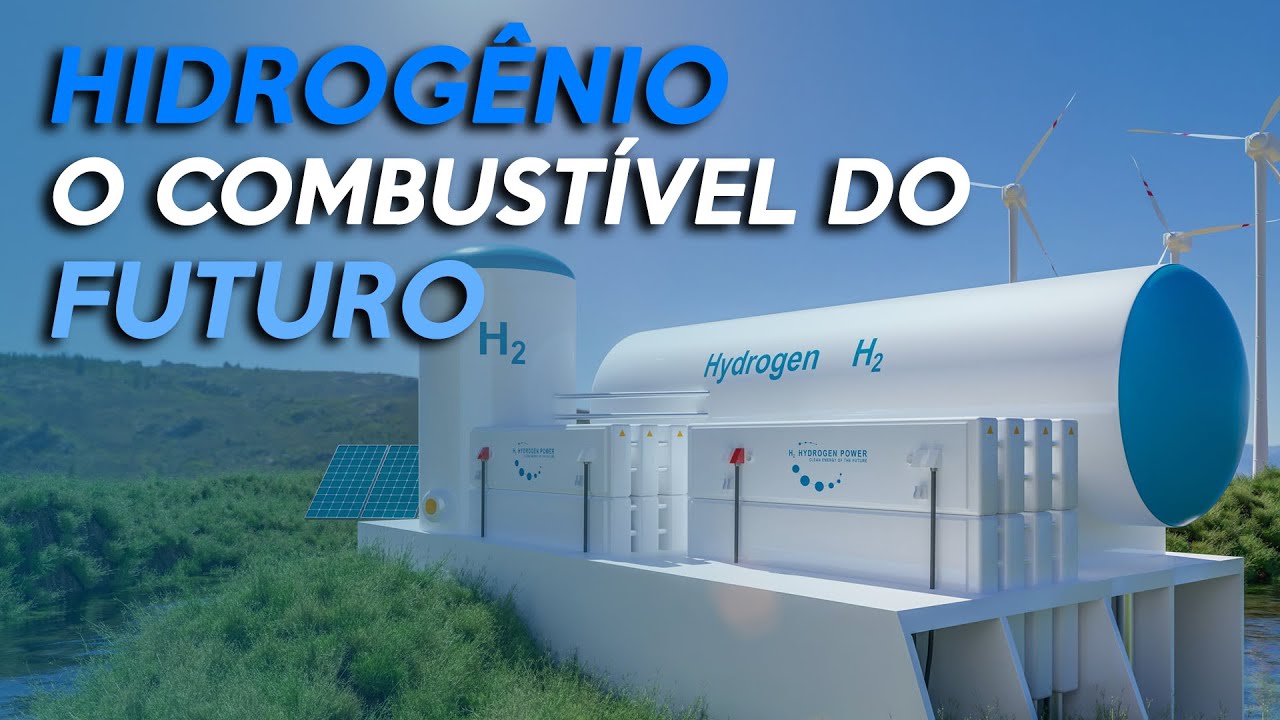
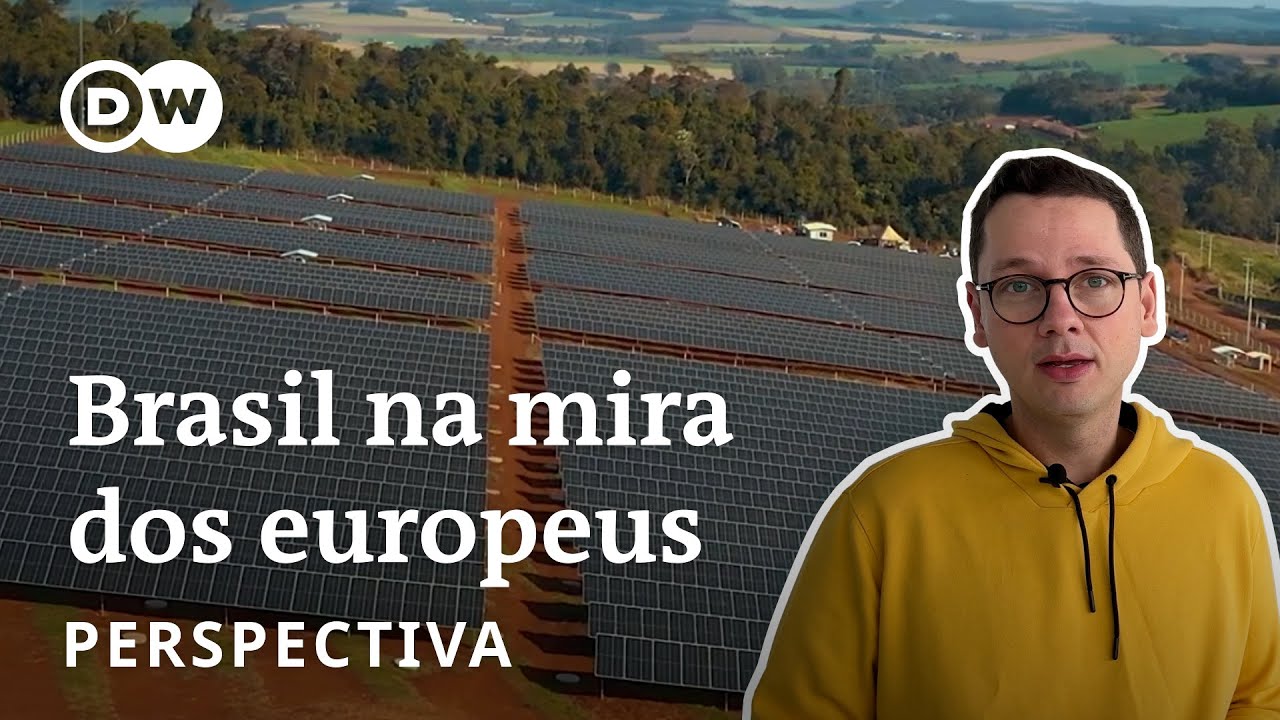
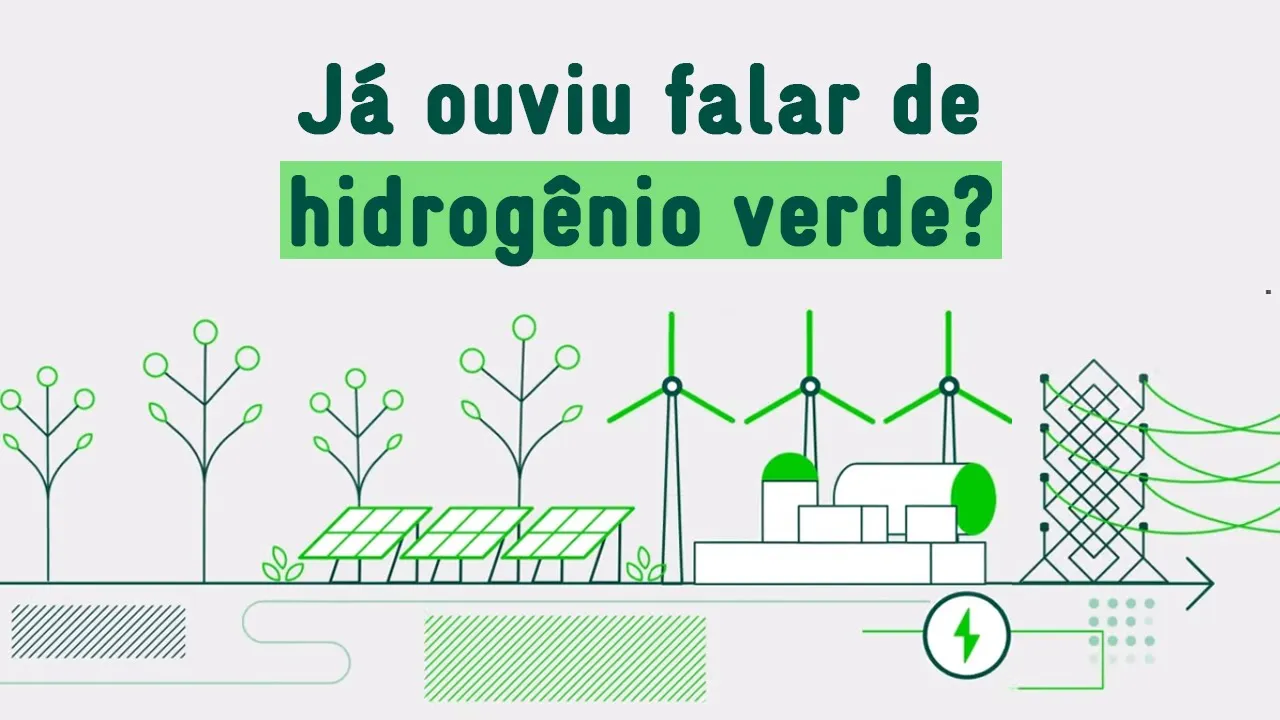
Brazil is known all over the world for being a reference in terms of having its energy matrix based in renewable sources, benefitting from plentiful sunlight, wind and land, in addition to low production costs. These features reveal the great potential the country has to produce Green Hydrogen, considered a key piece in reducing greenhouse gas emissions. Hydrogen is broadly used in the production of fertilizers, methanol, in the hydrogenationof fats, in oil refineries, in the steel industry and metallurgy, for instance.
The use of Green Hydrogen, produced one hundred percent from renewable sources, and free from carbon emissions, can help decarbonize the Brazilian industry and economy. Excess production can also be stored and used during times of lower energy production from wind and solar plants. Green Hydrogen can also be a vector for different applications and technology.
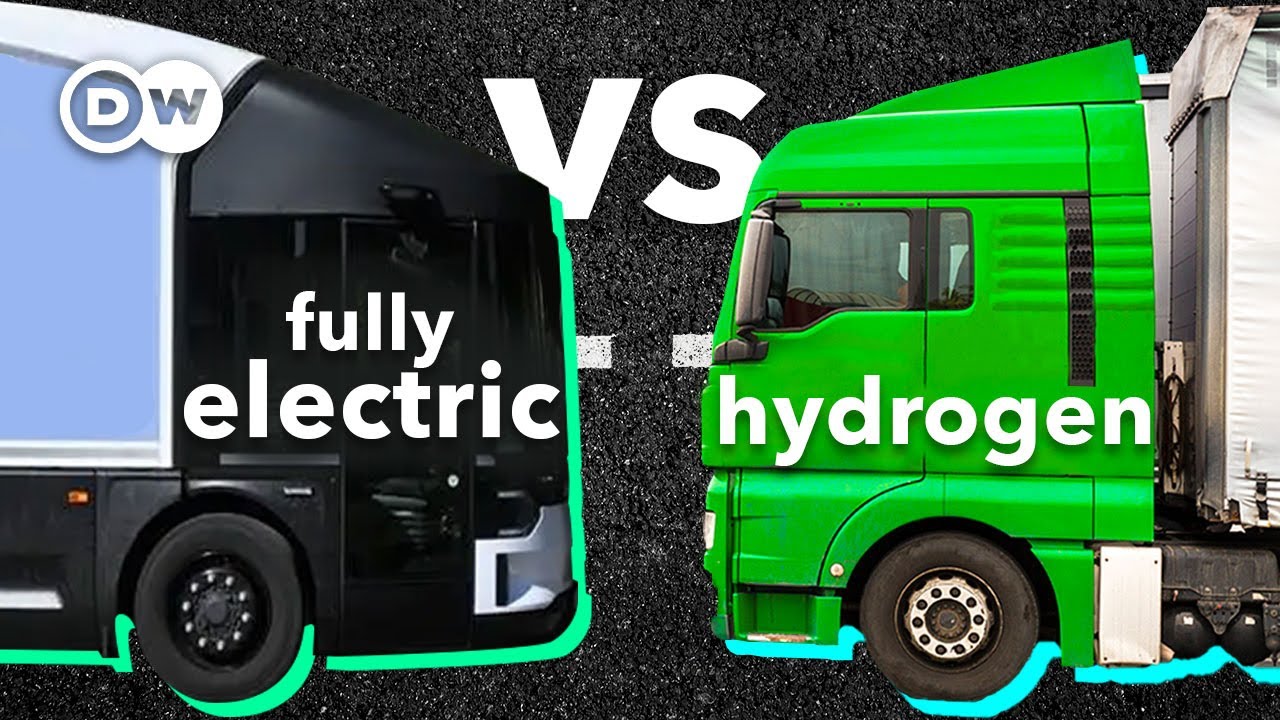
In Brazil, six sectors have a high potential to replace primary inputs with Green Hydrogen: the cement, glass, mining and steel industries, energy production in homes and heavy-duty transportation. Brazil and Germany have been working together for decades in several projects that promote clean energy. The most recent example is the partnership for the expansion of the Green Hydrogen market in the country, which can bring great regional development and job creation.
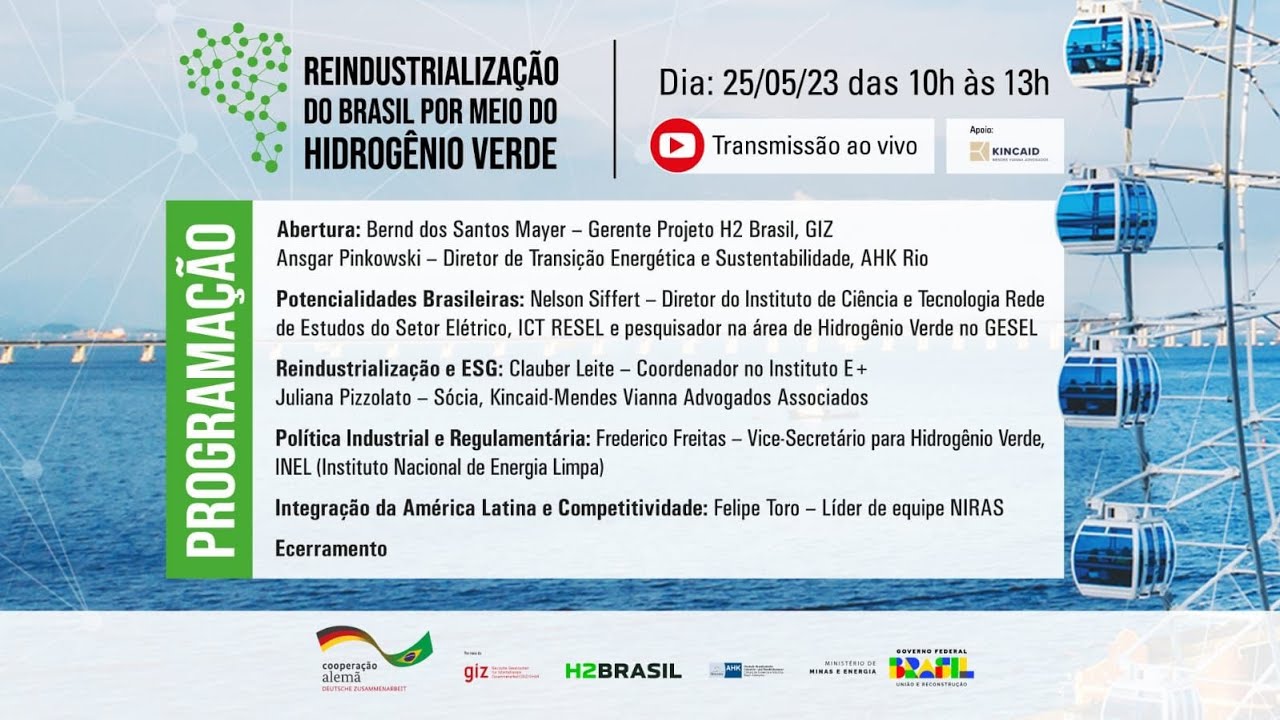
The H2Brazil project, implemented by GIZ, in partnership with the Brazilian Ministry of Mines and Energy, will invest €34 million until 2023 to support the expansion of the Green Hydrogen market in the country through five work fronts: Adjusting the current regulatory framework and creating an H2V certification system in Brazil; Promoting the theme and engaging partners and the public; Professional education and training in an inclusive manner; Developing innovative studies and technologies for the production of H2V in Brazil; And improving the economic viability of the industrial application of Green Hydrogen in the country. Government, industry, private companies and the general public, together for an efficient energetic transition, job creation and sustainable development.