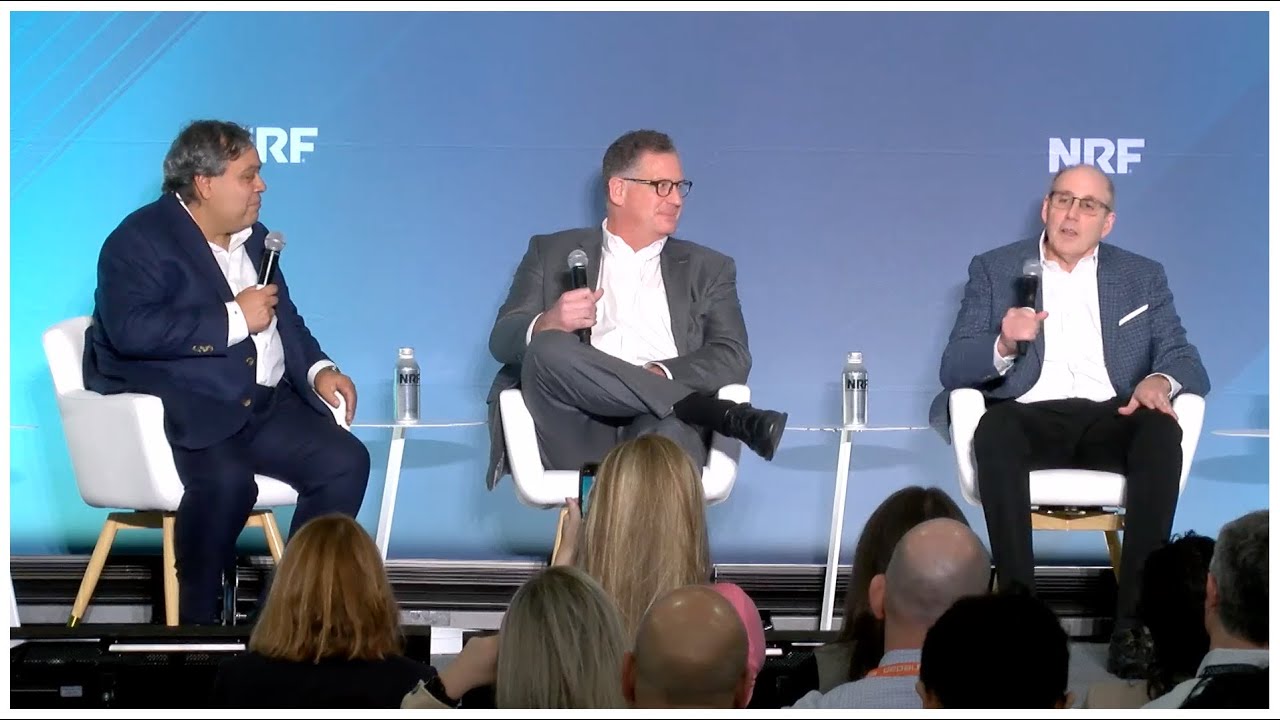
hello everyone my name is Michael patella go a partner at Grant dorton I'll be your Moder moderator today we have a great panel to talk about growth equity and uh like to introduce Martin to the group and then ask him to do a quick intro I'm Martinez kobar I'm co-president and a head growth Equity at General Atlantic 107 billion AUM okay great hi everyone I'm Darren Cohen I'm the CIO of the growth fund at Goldman Soxs Jim Pitman I'm the executive VP of private equity and Venture and growth at British Columbia Investments we have 250
billion AUM and about 32 billion in private Equity hello everyone I'm Matt D here I'm a partner and head of us for private equity and Venture Capital uh in the US for for qic the Cuban Queensland Australia which is where we're headquartered um it's about a $70 billion alternative Focus asset manager we manage capital on behalf of the Queensland government as well as uh third parties in Australia as well as internationally great and this is a great panel we have both investors and the lp side so we'll be able to hear a little bit about
both um both sides of that angle so Darren we're going to start with you and talk about some of the kind of significant resets that have happened over the years and and how the environment has evolved in 2025 for the growth yeah so I think it's always helpful to start um for people who don't live in breath growth every day is just to appreciate the magnitude of the last five years and the moves in both capital and and valuations if you go back to 21 um or even pre- 21 generally all we do is software
and Technology it's historically traded 5 to 10 times forward revenues you go into 21 and into covid it got up to 30 to 40 times forward revenues and it was just unsustainable and it was a peak moment where Capital was flooding the sector and then literally 18 months later with inflation and then the rate cycle tightening uh multiples came back down to I would say 5 to 10 and I think we're in an equilibrium now around 8 to 12 um but the repercussions of that over the last four years I think have shaped reshaped growth
I think the competitive landscape is much healthier today you've seen most funds that entered into growth at the peak R trench so it's a healthier competitive environment it's a healthier deal environment because there's less capital capital at the peak was roughly 500 billion into growth today it's 180 200 billion um and then I think the CEO mindset has shifted tremendously from like growth at all costs to focusing on building sustainable profitable businesses so I think we're kind of in an environment now where there are these Tailwinds that it's very unique to have this kind of
backdrop and valuation with thematics like AI that are some of the most interesting thematics I've seen in in probably two decades great Martin can you maybe talk a little bit more about Ai and some of the um Advanced analytics that are um you know keeping you competitive in this post elction environment sure let me second what Darren said we think the current growth Equity Market is the best growth Equity Market since 09 we're seeing pricing we haven't seen since I was a young man and that was a while ago and big one of the big
drivers of the opportunity set is there hasn't been an IPO market for three and a half years that's the second longest period without IPOs sorry the first longest period the second longest was 18 months in 2000 and we have a lot of GPS that are getting pressure for DPI and they're putting some of the best companies for sales so we over the last two years and probably the next two three years will probably be the best cohort of the last 20 very very excited one of the big themes in growth Equity is how technology disrupts
many many industries that trend is 20 years in the making AI has accelerated AI is working across the portfolio we see it wherever you apply AI to a process like customer service or digital marketing um or programmer efficiency you see 20 30 40% productivity gains today so it's real it's being used it's impactful it's been hard to invest in AI because if there is one pocket of um um bubish Behavior it's been AI on the infrastructure layer massive Investments lots of Technology risk deep seek highlights some of that you know size maybe over overestimated so
forth on the application layer it was too early it was more Venture like but valuations were growth like wrong it's finally gotten to the stage where you're seeing leaders emerge on the application layer and valuations are more reasonable and we just after five years meeting everyone in the space we made our three major investments in AI last quarter so I think growth Equity finally the application layer is ready for growth equity and we I think it'll be a very good opportunity great and I'm going to stay with you Martin just to he talked about some
of the positives um can you talk about maybe some of the challenges that you currently you're seeing based on you know these positives that you have growth Equity listen all of us that are active in the space whatever we bought in 21 and 22 the multiples even if you were the most sober person at the party you had a cocktail or two and we we overpaid for it so the painful thing has been working through that and getting to profitability the good news for at least for us in the 21 and 22 we've grown ourselves
into the valuation we paid and those companies are still compounding at 30 40% so I think we're going to be okay but it's been painful right so the companies are doing better and the multiples have gone down which opposite of what we usually say Mar one of the interesting things about that you know I hear a lot of this in private Equity is that many of my companies in 20121 maybe early 22 um you know it's going to take me a while to commercialize to to get some value my company is going to grow into
its value that that to me is there's two interesting statements I hear in the past three years companies will grow into their value uh and DPI is a new irr uh those two things are the most uh intriguing pieces to to someone who sits and tries to put a value on their portfolio uh very interesting to me you know the one thing I'd add to that Jim because those are great points would agree with the sentiment that it is a very interesting time to be a growth investor however you have this you know whether it's
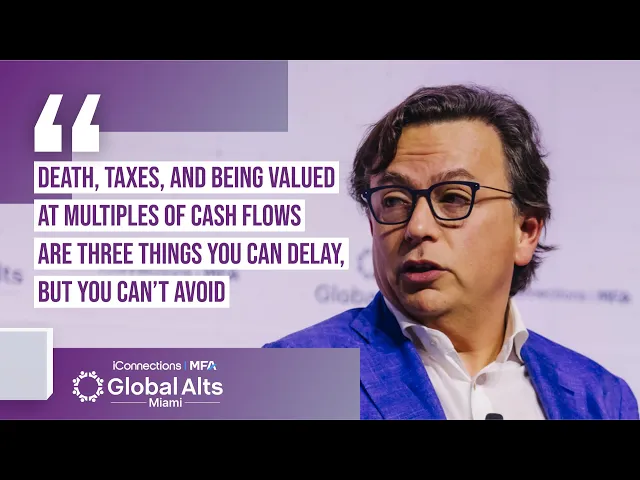
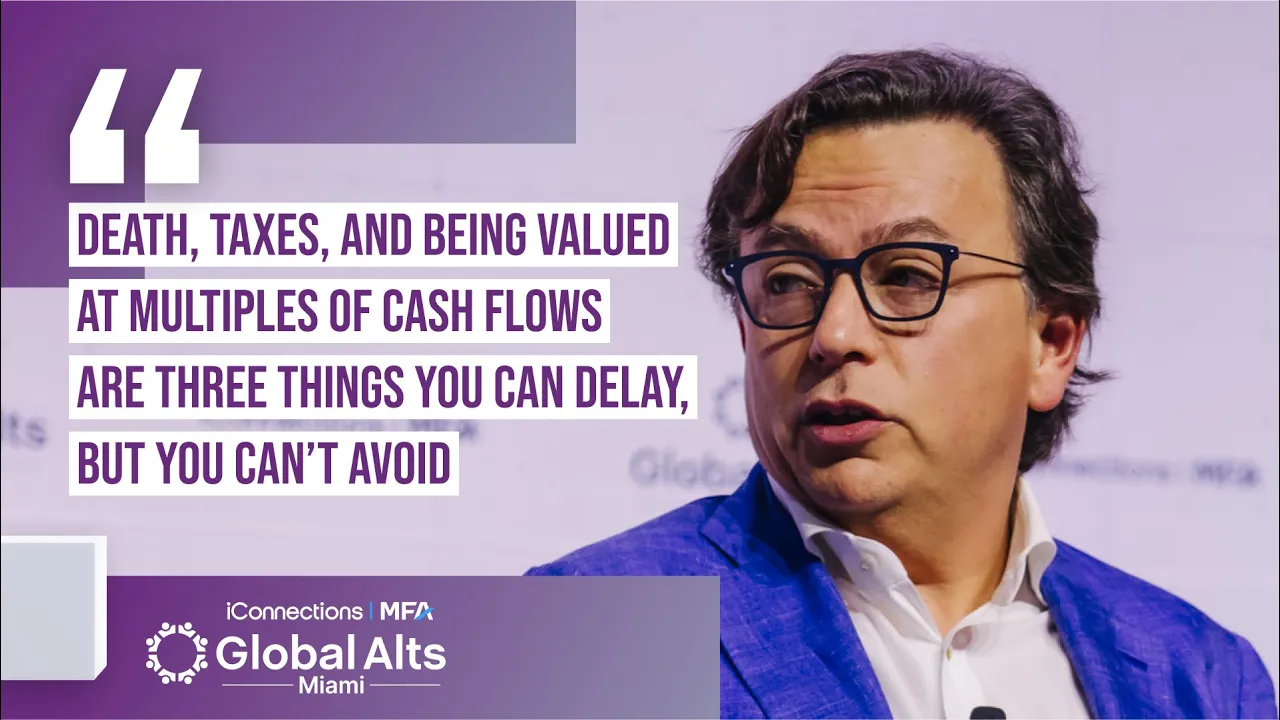
the quality of Revenue or the endurance factor that you put to that Revenue growth even though multiples are off and they look attractive you know how do how do you think about the runway for growth in in your businesses even though they have become Capital efficient they are fit the unit economics hold I say that death taxes and being valued at multiples of cash flows are things three things you can delay but you can't void MH so the the trick of valuing these young companies is predicting what their forward profitability is going to be and
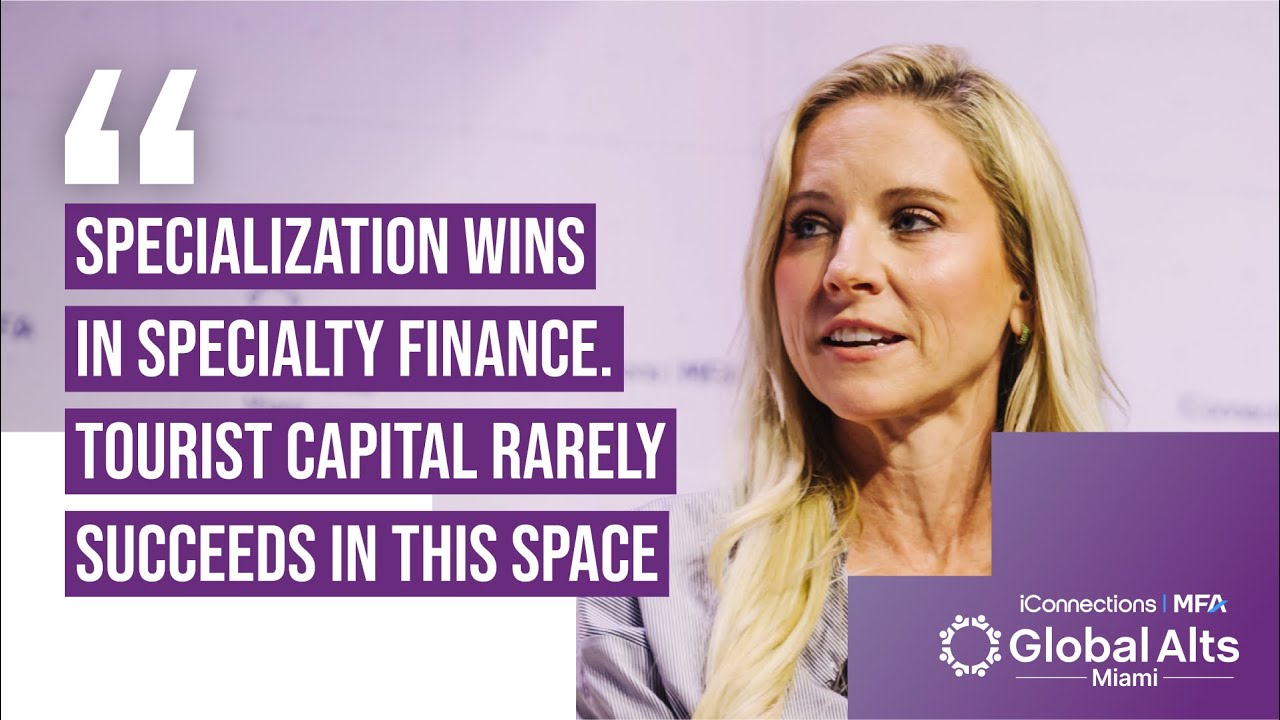
and you bring that to present value now I believe and I don't know if you agree generalist private equity in growth Equity is dead you need to be a specialist so to be able to do this well you have to choose the business models you're going to be a good predictor of stick to those and you're probably going to get it right ER it's getting harder Matt I would just say the other Dynamic and this relates to liquidity is I think there there's a a belief that really gross exit is the IPO Market if you
go back for us over 20 years two-thirds of our companies get bought by strategics and financial sponsors and so the wall of private Equity Capital really becomes a great outlay particularly as these companies get to maturity and get to profitability and I don't personally see a vibrant IPO Market coming back I think we're kind of in a different environment where the best companies in the world are going to stay private for longer to to Martin's Point that's an awesome opportunity late stage to step into those companies if they're Priced Right so I think right now
in growth there are multiple vectors to enter um and the risk returns are getting more and more interesting so and I do feel like liquidity will improve particularly if you look at the top call it 50 late stage software companies some of them the best software companies in the world they're mostly targeting to go public between 26 and 27 and you can imagine the animal spirits come back as some of the best software companies at the market again and Jim maybe we hit on some of these but we did our plan you were talking about
this is now going to be an allocation that you're going to be making and that you're going to be changing a little bit of your percentage allocation can you talk about um not only why and then also I mean we hid some of them but then how you started thinking about building your team and what your your outlook is well I I think you know as an investor in both private equity and Venture and growth you know I hear from all of the GPS this is always the best time to invest right so you know
I've never heard a bad time to invest really maybe maybe 21 you know and uh so it's it's it's always a great time so to me we back in 2019 we allocated the billion to both Venture and growth and to date you know almost 5 years in we we're still only halfway there and the reality is you know during 19221 you know you had three days five days seven days to sign term sheets right like as a pension plan the one thing we have to calculate is risk and the related return right in 3 days
I'm not that smart can't figure out you know how much risk is embedded or what the return is going to be so I just passed it to the GPS I said that's your job you get paid 20% to sort of figure that out what I'm looking for are drisk investments and that's part of the reason why we're much further behind than you are in terms of where we have placed Venture and growth right and so we've we've we've probably allocated up the 500 we've invested 200 million towards Venture 300 to growth and we will do
c Investments but you know we've 10% our you know our timing on it I would say these days we're more keen to invest more Capital because maybe it is a good time to find the invest and Matt maybe talk about the contrast where you are in your journey with growth and what you're seeing in um deploying some Capital yeah yeah sure we we yeah so we've been doing it a bit longer so we've been investing in Venture Venture back growth and growth Equity since our program exception in 2005 so you know been very fortunate to
be um you know building GP relationships and exposures through it was a very favorable time for for all growth assets um you know the way we navigated the the last cycle here was you know really almost taking the bill Gurley uh you know philosophy and that you you need to take these Cycles all the way to the end to be compensated for that that hype that you probably get which which we did so even though we've we've worn it the last you know number of years here from a valuation and and you know multiple perspective
you know we're still playing with The house's money and and the end ing themes that we would subscribe to are still present right The Innovation cycle is still very exciting these businesses are more fit and capital efficient so the pathway to profitability and cash flows that we all need to see at some point to Martin's Point are are there and so that is um that that is still giving us excitement to deploy dollars even though you know of a 7 billion doll venture capital and private Equity program about 40% is sitting in Venture Venture back
growth and and growth equity which is overweight our targets so we're were're having to navigate that but at the same time you know excited about the future so we continue to deploy yeah that's that's a big exposure 45% is that mostly because you created so much value in it you said you yeah it's a combination of a few things you know we we we did see the nav appreciation that was in excess of what we would have modeled right so when we were going through particularly on the Venture treadmill of things the two-year fundraise cycle
that we we saw even from you know 2012 and 2014 you know we were we were just having to deploy more rapidly into the asset class and we didn't want to lose relationship with top tier Venture practitioners because those are groups that you need to have the exposures to you don't want Venture beta um and then on the growth Equity side we saw the same thing and so we were you know happy to be deploying and building those exposures and getting that compounding that that we you know are now on the receiving end because we're
overweight but again we're we're happy to wear that risk at this moment it's okay to be overweight if it's if it's profit you know yep yeah let me react to Jim's dilemma that everyone pictures him that this is the best time for their firm and their industry let me hear your best statement come on yeah this is this is the first time I've said this is in my career and I've been at it for 20 years this is the best time for growth equity and I'll give you two numbers that are undebatable if you look
at the average multiple of a public company and the average multiple of private transactions Russell 500 and the pitchbook data there's now a 50% discount it's the largest discount in the 20 years they've been tracking it that's the fact it's never been this high if you on the other hand another out of flavor asset class Emerging Markets we do about 20% in the Emerging Markets average multiple in the Emerging Markets to develop markets hasn't it's now 75% discount it hasn't been this low since World War II it's a fact this now is it a perfect
predictor of future returns no it's a good enough pretty good f Martin just the other side to that equation is growth yeah and if you look at like public market software and actually Public Market technology it's actually shocking in 25 years there are really outside of a Nvidia there are no public publicly traded software companies gr North to 25% and so when you combine that multiple discount with if you look at the private markets the growth rates are you know 50 to 100% consistently through a 5-year hold I think what's happened is the best part
of a company's growth curve now is just increasingly happening in the private markets and when they go public it's going to be late stage a very mature cycle S&P 500 24 times earnings 24 times PE multiple highest of the last 25 years expected to grow up 5.6% with inflation at three how do you make equal returns in the falling markets it's hard M so 50% discount but public markets are up so maybe it's a 30% discount in the end but at least I have room to breathe and and maybe yeah Jim there's one other there's
one other conversation we have with LPS because a lot of LPS I think over time have gone very deep with private Equity midmarket buyout and I would just say the other Dynamic with growth that is super beneficial is our companies don't have leverage and so the interest rate environment if it stays at these levels for the foreseeable future doesn't really hurt our companies and I think you know the converse is true with private Equity replicating the returns of the past it's going to be very challenging so I do think growth is in this moment where
if rates do come down we'll get a a lift of multiple but if grow if mult if the rates stay where they are our companies don't have to worry about refinancing but I do think Jim is right about a point but liquidity is harder yeah and and you said this too Darren yeah to go public in today's world you need a billion dollars of liquidity so you need to have a market cap three four billion so the minimum scale at which you can go public is Perman I think permanently higher ER similarly to Merit strategic
interest even though the flood gug of m&a are probably going to open H you also need a critical scale so I think it's harder in growth Equity to be small but if you can scale the payoff should be but you know we see quite a bit of the what I'd consider to be private IPO right I mean you're basically doing continuous secondaries it's not a CV that we typically see in in private Equity but you you have a Continuum of other people coming in at at sequential values so I think that's to replace a piece
of your IPO path right because it it provides longevity right it allows a company to get to more profitability potentially one of the bigger problems for me is trying to figure out what's the risk curve because to me I can I prefer to take less risk more obvious return because you know I'm in inside a pension plan right and that's why venture to me is so much more difficult growth I can tolerate because I can see a path towards cash flow and and or valuations but you know we're not going to sort of try to
figure out which AI product to jump into especially after deep seek is sort of blown up you know what values were were out there so you know when we have it surprises up and down like that even in some of the venture or early growth that we've gone into once we get to a certain exposure we actually try to drisk it we actually try to sell down because one of the problems is that if we invested 25 million and all of a sudden becomes 200 and then the 200 goes to zero we wear to 200
although we put in 25 and so there's there are sort of other elements around that that we we as investors in the pension fund world had to be a little bit different about I don't know how you think about it because you've got such a a large exposure I I was I was going to suggest too it depends on what you're looking to achieve with your program of course right and and you're right you don't want to do this and do it the wrong way and it's a labor intensive part of the market Venture particularly
because it is you know inefficient and it's there's a lot of noise there aren't DPI metrics to really be sinking your teeth into growth Equity lesso to some extent um but it is if you you know Martine you're you're you're you bring up an interesting point around like size right and having some scale and there's probably some economies of scale you know we would probably say that we we typically like smaller is better like we want exceptional practitioners that are more specialized I think it's hard to be specialized at at scale and and do everything
to to everyone so we we you know in particular parts of that Continuum are looking for Specialists with certain skill sets to to to drive to drive Alpha um and that's the only way we're we're prepared to do it because we we we otherwise wouldn't right again to my point you don't want to buy venture or growth beta like you you do need to be thinking about putting some real resource to it and that that's difficult within the asset allocator model sometimes one of the questions you know I know you have is how do how
do I build a team around it and considering like in Venture often times you can get 20 million 30 million access right you know in a my program is 32 billion I'm what I'm going to do with 20 million that's nice but you know but how do you how have you guys sort of build how you've gotten to let's say three and a half billion we must have a series of tens and 20s but maybe 50s we certainly do and it's it's a but it is a concentrated portfolio again to my point of really want
to work with what we think are the best practitioners we also have a very significant co-investment model so we can be you know extension to GPS like Martine and and Darren here where you know we can slot in alongside of them up front in something that's large or we can actually be um you know that subsequent round provider as well where we can get scale in good assets and we think we're bending the risk curve there a little bit because we have a relationship Advantage an information Advantage you know kind of a seat at the
table like an Insider would and so that that gives us you know enough conviction to be saying what's what's double down in assets that are compounding hitting the marks we want that helps us quite a bit as we think about building scale and so you do it with seven people in in Venture and growth through how many uh inventure and growth across the globe so there's seven of us going to 10 in San Francisco but across the globe there's you know 14 in developed markets the way we would we would talk about that and how
many managers uh in Venture and growth it's about 20 managers it's pretty tight grouping yeah now we've been able to get large allocations to some of the Full stack multi-stage firms that are branded that everyone in this room would recognize um you know where we apply more of the co-investment model is to smaller more emerging managers where we can again act like that extension of their firm over time great maybe it's a good time to switch a little bit to how you evaluate CEOs Founders um in making the the Investments and what is some key
characteristics of things that you've learned on both sides good strategies bad strategies that you've seen over your uh your tenure maybe Martin yeah listen we meet 10,000 companies per year invest in 20 so we have tremendous range and we've have some sort of shortcuts as I reflect on my 20 years I look for founder purpose fit does this person really care about the mission of the company because that gives you an extra energy H the second one I is is is is is is is is a a a a resilience against the odds has this
CEO been tested has he overcome ad adversity and the third one is not really about the CEO but the people around him what percent of the people around him or her are A+ if that number is 80% the outcomes are amazing so it's it's it's around the the the fit the grit and the ecosystem this person can bring together looking past the person and the team yeah yeah I mean Michael look I I think what Martine says resonates sort of fundamentally what you would want in a great leader I say with growth maybe more than
other asset classes getting that CEO right is probably the strongest correlation to Performance one of the things we've done over the last five years is just evaluate when we've got it wrong why have we gotten it wrong um and one of the Dynamics and growth that's changing is I think what we've brought to our investing team is a group of 50 operators these are all se- level Executives so the dynamic that I think I've come to realize is like when you put an operator across the table from a CEO they evaluate the operator from a
different perspective so having the combination of investors who see pattern recognition they go through hundreds of CEOs a year combined with an operator I think gives you a better perspective on is this an operator that I would want to work with do they really answer the questions like a real operator would so to me that's just another angle to the question um but it's around Vision strategy it's does he or or she recruit super high quality teams and I think the biggest attribute that I've seen is a fatal flaw is just self-awareness the CEOs that
lack that I I think struggle to scale Jim and Matt making an investment when you when you I say I defer to Matt's he's done more of it yeah no I mean just just listening to these comments gets us excited because you know the the way GPS approach markets and companies specifically and the the very simple you know components of cpic win are are you know like groups are getting so good at this right like they're they're building out sourcing models that are you know technology enabled right that all to see things in inefficient parts
of markets that you wouldn't otherwise because these businesses aren't banked very traditionally right um the way you're bringing operators or evaluating operators to to make sure that you're running these businesses or providing them with the you know the best practice and helping them build out whatever functional area that they need to to to help them scale and and grow in in into perpetuity which which is what we're all excited about like that is um you know hearing this here now is is what gets me excited about the GP Universe approaching growth Equity with a very
different lens than what it was pre 21 which was momentum kind of just paying whatever price you could for Logos and and and you know high growth rates at that time but you know I think everyone understands now that business models are different um you know that kind of quality of Revenue endurance factor that we were talking about is different and saying how can we actually change the trajectory of this business ourselves as a as an active owner is is how good are the CEOs at listening to that in terms of taking taking it on
board because I mean in the private equity sense we see value creation is providing very specific targeted uh you know functional pieces that help companies grow out of issues you know how how good is that in you know in reality in terms of teach you know CEOs listening uh taking it on board I think it's I think for us it's been it's interesting we've known our CEOs for 18 months before we invest so it's never really this like shotgun marriage where there's a term sheet and we jump in the middle of it so by Construction
we're hopefully finding CEOs that want to work with us see of vision and most importantly want to work with our operators and our teams to help scale but uh we definitely get it wrong sometimes and you know when you're an entrepreneur you just have such a strong will such a strong mind um there's definitely a series of cohorts where we just and to me is trying to figure out why do we get it wrong can we figure that out early I mean it's interesting we we've built an operations team that resembles a bioshop it's 100
operators we got all the tools a little custom made for growth but it looks alike the difference with the buyout world is we don't control so we give you the menu but if you don't want to use it you don't use it so our our hack is the prenup at the end of our due diligence we create a joint value creation plan and we suggest a series of activities before we get married and we sign up to that and by and large people are people are their word that's the observation I would add is that
you know seen this across a number of GPS the the entrepreneur the management team is so receptive to this now right yes they're dilution minded they don't want to give up a huge piece of their pie but if you can grow that pie together with with real real impact that's I think what they're recepted to but it changed post correction before the correction no one want to help that's right now we all ate a little bit of Humble Pie after the little bit of Humble Pie goes a long way this has been great we're getting
a you please rap here so I'd like to thank the uh panelists thank you and the crowd have a great uh rest of the conference thank you [Applause]