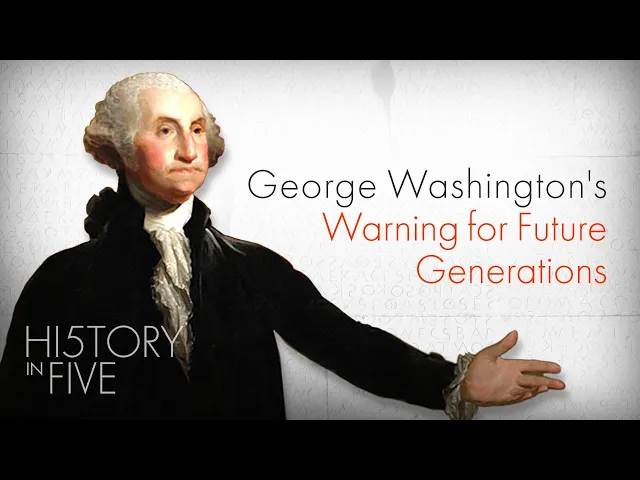
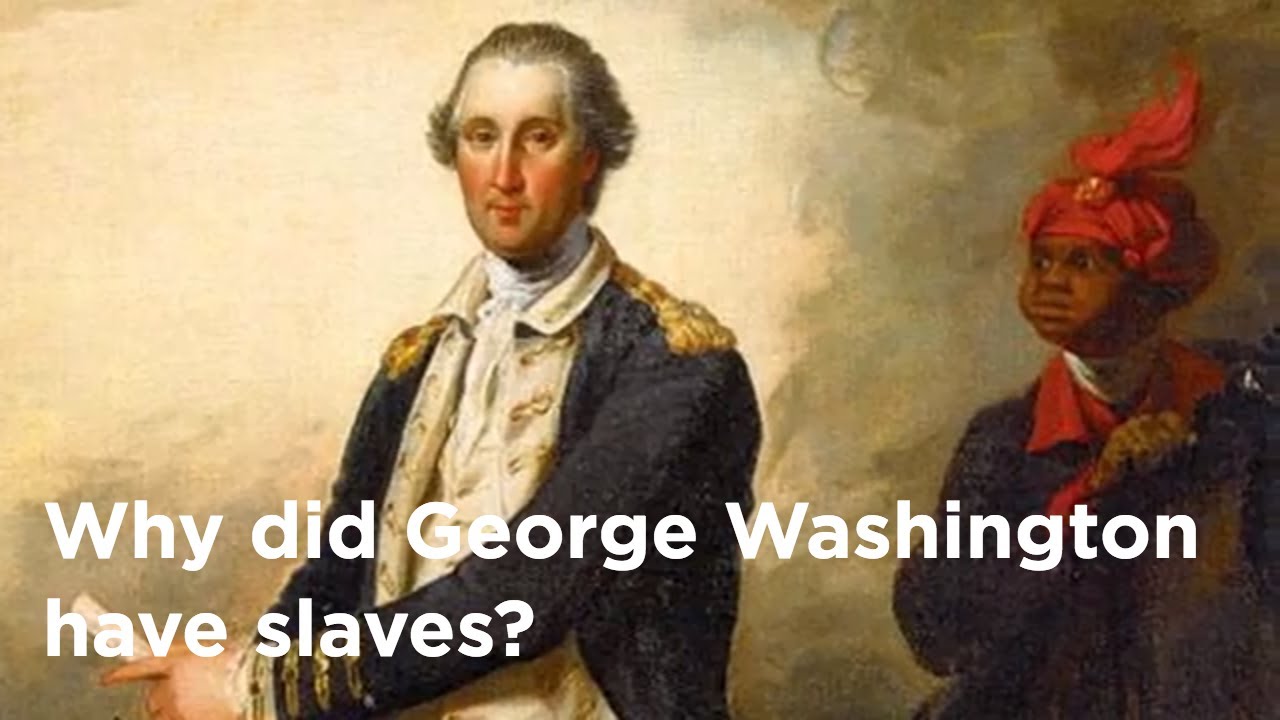
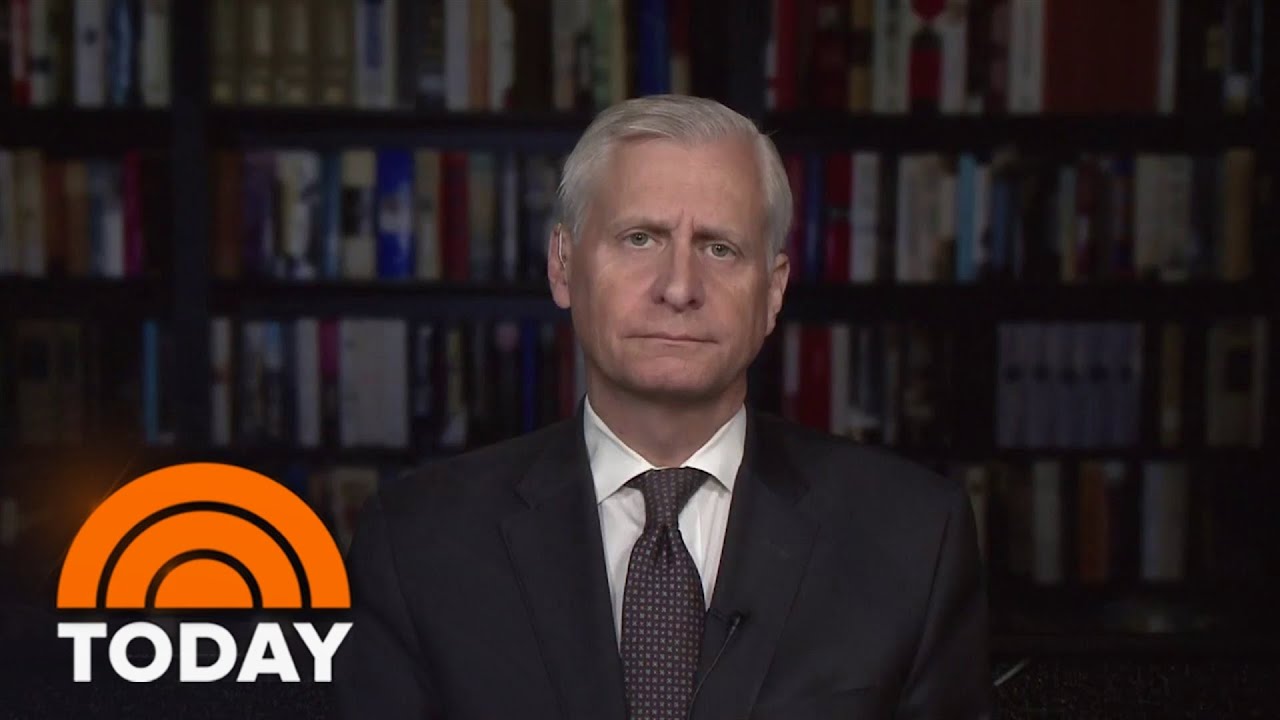
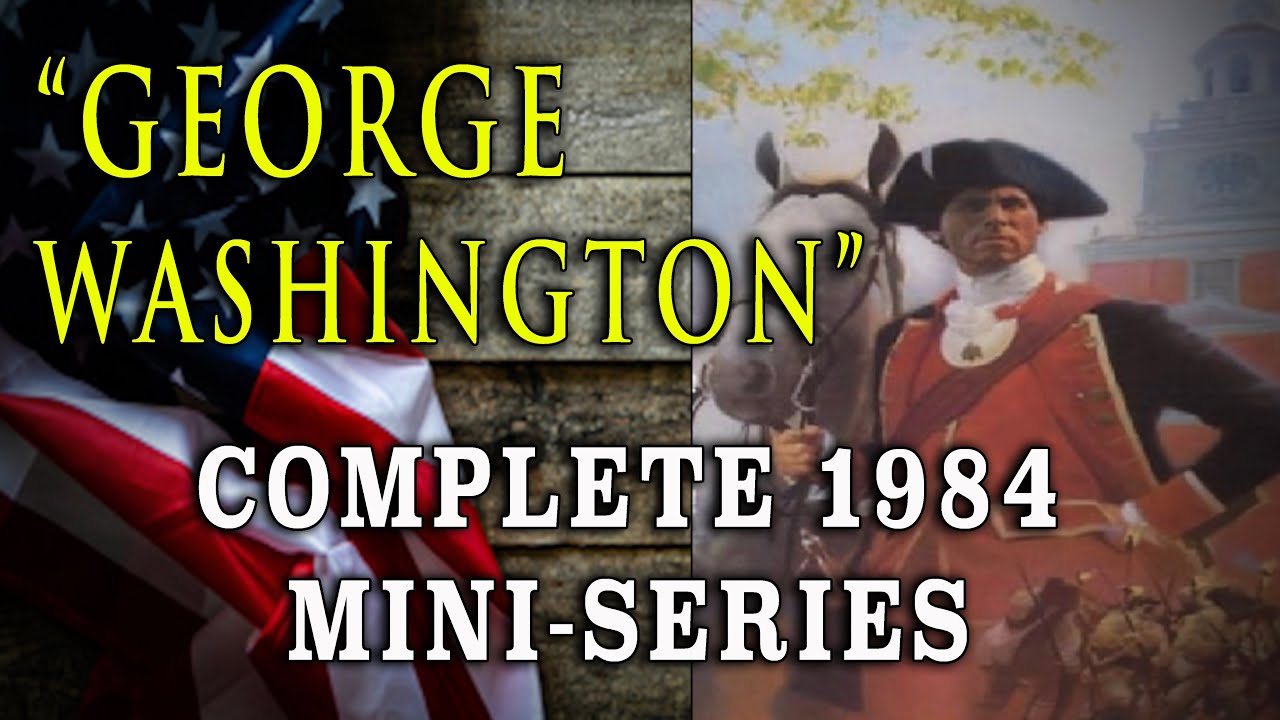
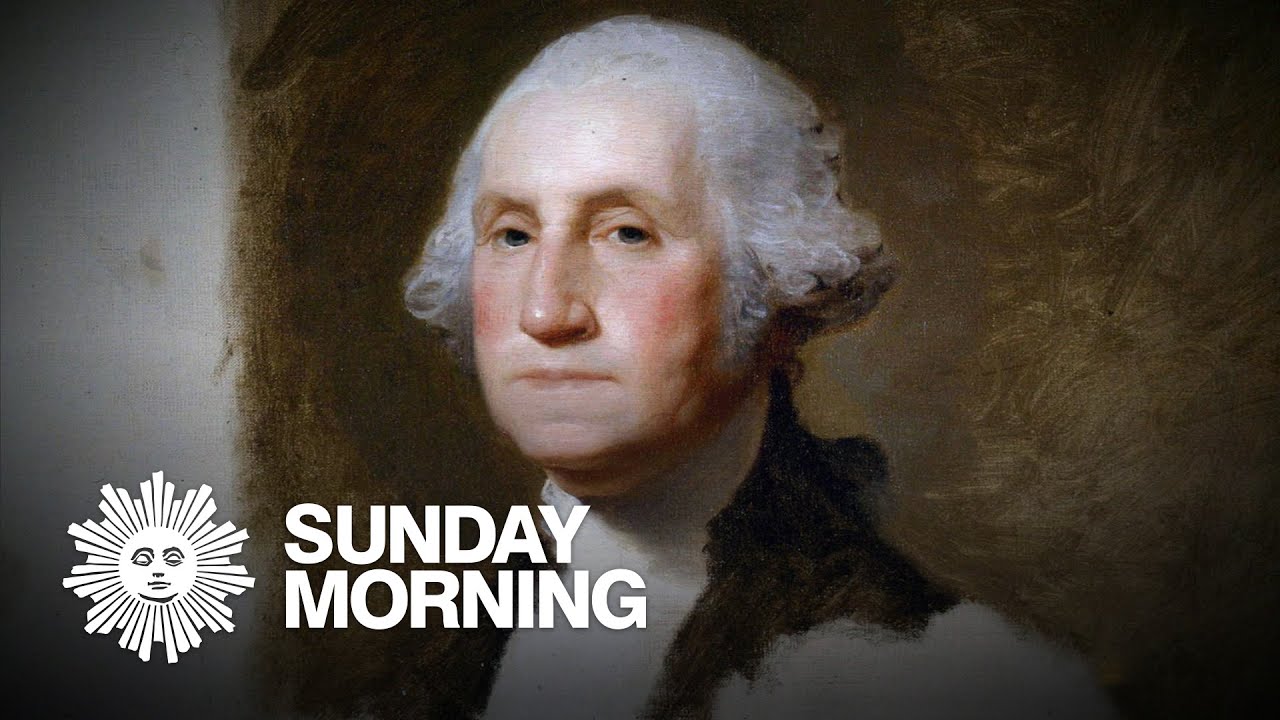
we have a vision of Washington today that's very distant he seems almost sort of a figure of Mount Olympus if not Mount Rushmore and we think of him as being above the partisan fray and as a result he's lost a bit of his humanity he was a very self monitoring man he understood very clearly the discipline of dignity which is how he saw leadership being a general but the behind the mask of command that he very carefully cultivated that in particularly during his second term that this was a man in pain psychic pain physical pain
he was becoming brittle and ill-tempered he would go into furious rages largely about the forces of partisanship that he could feel exploding even within his own cabinet you know here was a man with no sons but his two most talented cabinet members - surrogate sons Jefferson and Hamilton were warring with each other even within his own cabinet and here Washington was trying to reconcile their divisions very actively there was every indication that America might devolve into a civil war that we could go the way other Republic's had in the past of being divided and our
own worst enemy and that's what Washington based in his understanding of history actively was trying to correct with the farewell address so here was a man in full and he brought all the aspects of his life into this speech it was the sum total of all his hard-won wisdom this was a document that people understood had a kind of transcendent value it alone I think has the ambition among the founding documents to bridge the past with the present with the future and that also makes it unique [Music] you