Anthony pleasure to have you back on the show and thanks for joining us here so first and foremost here as you're navigating the environment leading up to Jackson Hole what should be on the checklist for investors that are out there and going to be listening in to what fed share J pal has to say well first of all we want to know and investors need to know that we're not out of the woods yet with regards to a recession the economy seems to be going in the direction that we want we want it to slow
down we want the uh labor market to cool off it has we want inflation to uh the inflation rate to go down it has and the Federal Reserve is probably going to lower interest rates in their September meeting but what that means for you I think really depends on the age of life that you're in if you're in the younger phase of life then keep dollar cost averaging uh dollar cost averaging is just buying the same thing over and over again if you have a 401k and money's coming out of your paycheck and going into
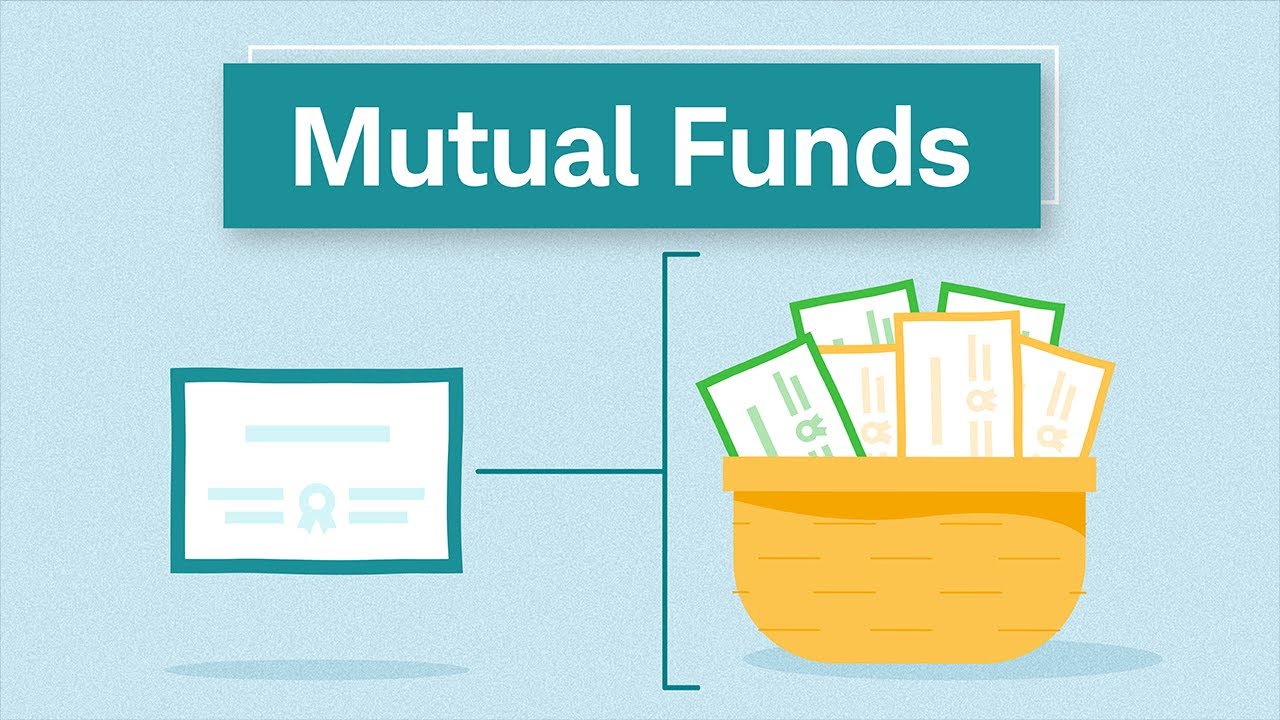
your mutual funds that's dollar cost averaging and the math behind it shows that you actually lower the average purchase price so don't change anything whether we have a recession or whether we have a bull market it doesn't matter as a matter of fact the recession actually helps you because as the prices go down and you keep buying the same shares over and over again you actually get those prices on sale so don't change anything if you're in the accumulation phase of life keep dollar cost averaging if you're in the latter phase of life though the
retirement phase of life then it's not so much about Building Wealth as much as is it as it is about protecting wealth so uh at that point what you want to do is focus on investments that are going to give you income Investments that are going to give you interest and dividend so if you need to live off of them you can spend them regardless of what happens in the economy and if you don't need the interest in dividends then you can dollar cost average the dividends in and build wealth or continue to grow your
portfolio just like when you're in the accumulation phase of life so it really depends on what phase of life you're in Brad as to how you're going to navigate this certainly so how about people who have been investing for decades and are entering or nearing retirement how do you you recommend that they allocate their portfolio yeah so interestingly enough if you need the income I think you need to focus more on fixed income that's going to give you a higher yield it's going to give you a higher income it's going to give you something to
live off of without ever having to cannibalize your principle if you don't need the income then you can be a little more aggressive in stocks and a 6040 portfolio for someone who's retired uh may actually be beneficial because that 40% and fixed income for the first time in something like 42 years has potential to be actual capital appreciation play as well so even if you don't need the money as the Federal Reserve lowers interest rates fixed income should go up and you can lock in higher yields now 5 six% on very high quality Investments and
as interest rates go down the capital appreciation will probably be there as well so it's not a bad strategy if you don't need the money how do you evaluate someone's portfolio that maybe very rate cut sensitive and I and I ask from the perspective of if someone is trying to make sure that their best position for when the rate Cuts begin then they could on the other end of that be out of position for when those rate Cuts start to stall out as well so how do you kind of best anticipate that scenario and the
pathway that the FED is going to be initiating yeah and that's a great question and that's where it becomes really interesting and and much more of an art than a science because what we're going to look at is a couple of things to determine where is that balance going to be first of all what you need to know is that if rates go down because the Federal Reserve is being reactive well then uh stocks are going to go down as well too and if stocks go down and rates go down that's good for fixed income
because of the fact that it becomes a safe haven uh so now all of a sudden fixed income may go up in light of the fact that stocks go down great opportunity to then shift out fixed income into the stock market the other thing to think of and and to analyze when you're looking at your portfolio is what kind of fixed income do you have longer duration bonds are going to react more to every quarter point drop meaning that longer duration bonds are actually going to go up more for every quarter point drop so if
you have longer duration that's going to react more than if in fact you have a shorter duration but there's also uh ETFs and if you have junk bonds or junk ETFs those are going to act more like stock in a situation when the stock market goes down so they're not going to act like normal fixed income so you just got to be careful with that but the reality is that's this Balancing Act and if you do it right it's very possible that your fixed income could go up in value while stocks are going and down
then creating the opportunity to reallocate at that time Anthony sakaro who is the Providence financial and insurance services president Anthony always pleasure to see you and get some insights thanks so much thank you Brad