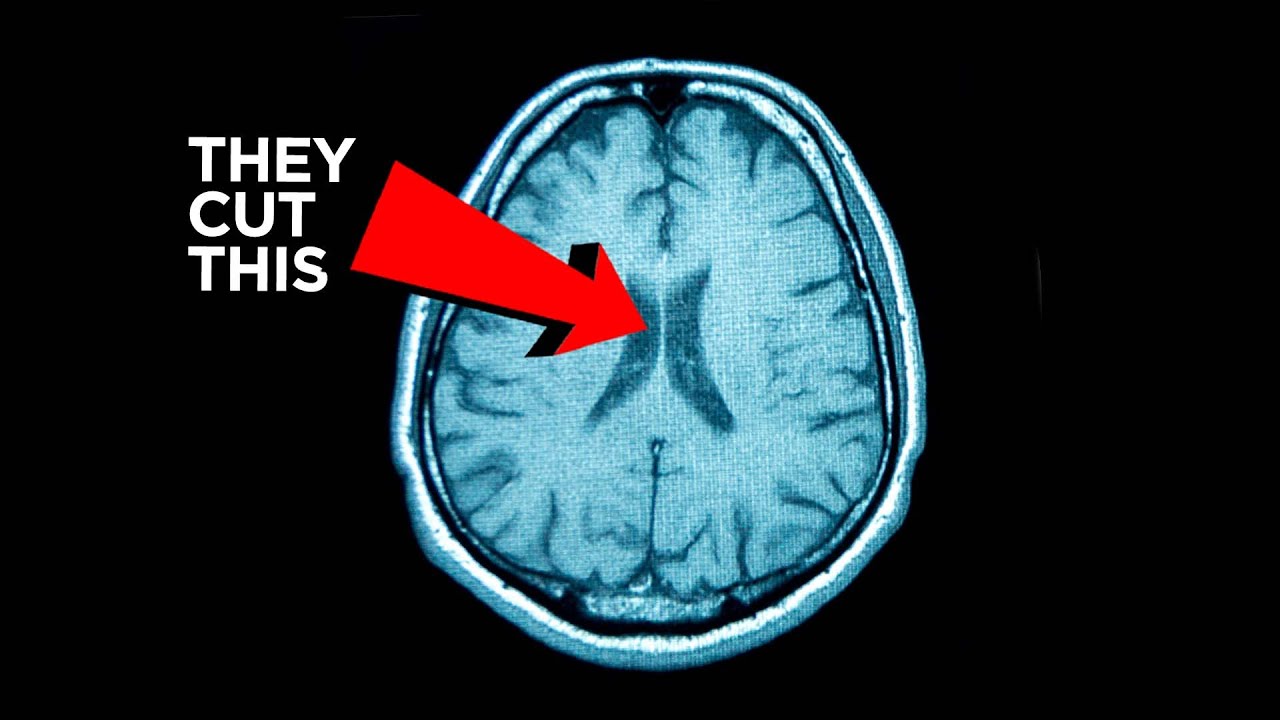
[Music] if you're anything like me you might still be cursing daylight savings time from a few weeks ago but why is it so hard to make your body wake up an hour earlier or adjust to an entirely different timezone it turns out that you're not just lazy your body has an internal clock that has its own plan in mind maybe you're a world traveler and you think nothing across and a half a dozen time zones in a couple hours maybe you work at night and it's finals week and sleep is less important than passing calculus or maybe you just co-hosted a 48 hour livestream with your brother hey it's your choice but if take it to the extreme living the night life can mess you up leaving you exhausted and confused and probably sick that's because you like most other inhabitants of the earth have a special biological system that keeps your body in sync with the cycles of day and night it's your circadian rhythm and unlike your alarm clock it doesn't have a snooze button our internal timekeeping device is logically enough synchronized to the rising and setting of the Sun many of your body's systems are calibrated to the appearance and disappearance of natural light and when we mess with that things can get out of whack in a hurry circadian comes from the latin cerca diem or approximately a day and pretty much all living organisms down to algae and bacteria have their own circadian rhythms whether you're an insect bird or a mammal those rhythms affect the three big necessities eating sleeping and mating everything from testosterone secretion to bowel movement suppression is controlled by this daily cycle in humans scientists are slowly beginning to understand how these natural oscillations take place every day what we're pretty sure about is that the main regulator is circadian rhythm can be found in the hypothalamus a small area at the base of your brain that's responsible for connecting the nervous system to your endocrine system our biological clock is dictated by a group of nerve cells within the hypothalamus called the suprachiasmatic nucleus or SCN this is connected to our optic nerves allowing the SCN cells to respond to light and dark so in the morning when our optic nerves sense like the Sen send signals to raise our temperature heart rate blood pressure and delay the release of hormones like melatonin that helps us with the sleeping researchers have found that as our body temperatures rise throughout the morning our memory alertness and concentration also sharpens so we tend to be at our cognitive best in the late morning and that is generally followed by an afternoon law in fact while our desire to sleep is strongest from 2 a. m. to 4 a.
m. a close second is between 2 p. m.
and 3 p. m. that may sound counterintuitive unless you have ever had a class at 2:00 p.
m. in a nice warm room and suddenly that wooden desk starts to feel a lot like a featherbed this suggests that napping is an important and natural part of our daily rhythms so don't feel bad about it no other species exhibits the same once a day sleep pattern that most humans have become accustomed to and there's growing evidence that mid-afternoon napping might be in all of our best interests that afternoon Lola is followed by another period of alertness but in the evening as the Sun disappears the SCN again picks up those signals of changing light from our eyes organs shift into low gear our bodies temperature cools and sleep induced hormones are activated problem is that our daily schedules do not correlate with sunrise and sunset anymore but with working and studying in late night reading we're constantly fighting that master clock that's been trying to keep us in sync since we were babies scientists have linked disruptions to our natural rhythms to health issues ranging from diabetes and obesity to depression and dementia it's believed that up to 15% of our genes may be regulated by circadian rhythms so when you get off that next transatlantic flight or finished pulling that all night or do yourself a favor listen to your body and take some more naps I'm gonna go down for one right now cuz if we're approaching the 2:00 p. m.
thing so I'm not sure how this is gonna look with the great screed you guys but I don't care I'm sleepy while Hank catches some quick Z's on the floor there I'd like to bring up a question that's been bothering me why do we even need sleep some animals like dolphins can just turn off half their brain at a time and people are known to pull all-nighters to squeeze in extra work or party time so how important is sleep to humans really even though the average person will spend 25 years of their life asleep there's no scientific consensus as to why exactly we do it one thing we know for sure our brains definitely think that sleep is important deep in your hypothalamus the tiny nut sized region at the base of your brain you have a little cluster of cells that acts like a timer called the suprachiasmatic nucleus when you're exposed to light this little cluster busily releases awake hormones like cortisol and suppresses the release of sleepy hormones like melatonin when it's dark it does the opposite a second trigger for sleep is believed to be the build-up of the compound adenosine in the brain adenosine is a byproduct of your neurons and other cells when they burn up adenosine triphosphate the main molecule that our bodies use to store energy research suggests that when a bunch of leftover adenosine accumulates in your brain you get sleepy we talked about adenosine before when we went into the science of caffeine because caffeine works by bonding to the same receptors as adenosine tricking the body into thinking it's not tired but when you do sleeve for those adenosine levels drop as it's gradually reabsorbed by your neurons this is partly what makes you feel rested when you wake up so we sleep when our brains tell us to sleep but that doesn't answer the larger question why are we wired to sleep it seems like a kind of terribly inconvenient thing to have to do also super dangerous if you're surrounded by Jaguars or something there are lots of theories out there and it's unlikely that any of them alone is the single answer instead they may all contribute to this weird urge that we have to lapse out of consciousness for starters all mammals and birds sleep and other critters like reptiles insects and fish exhibit some kind of sleep like behavior that even includes the millimeter long nematode worm which experiences stress when denied rest some scientists suggest that inactivity at night is an evolutionary adaptation that boosts an animal's survival rate by keeping it out of danger when it would be most vulnerable basically sleep could be a way to keep still so you would track less attention and yet lions sleep a whopping 15 hours a day well mr.








![The History of Artificial Intelligence [Documentary]](https://img.youtube.com/vi/R3YFxF0n8n8/maxresdefault.jpg)