In the previous segment I discussed how early psychologists carried out their experiments with animals to understand why they behave the way they do or how to condition animals’ behaviour. Later on the experiments were conducted on humans and the results were the same that humans too are subject to environmental learning. This approach pioneered by Ivan Pavlov in Russia but became widely popular in the United States became known as behaviourism.
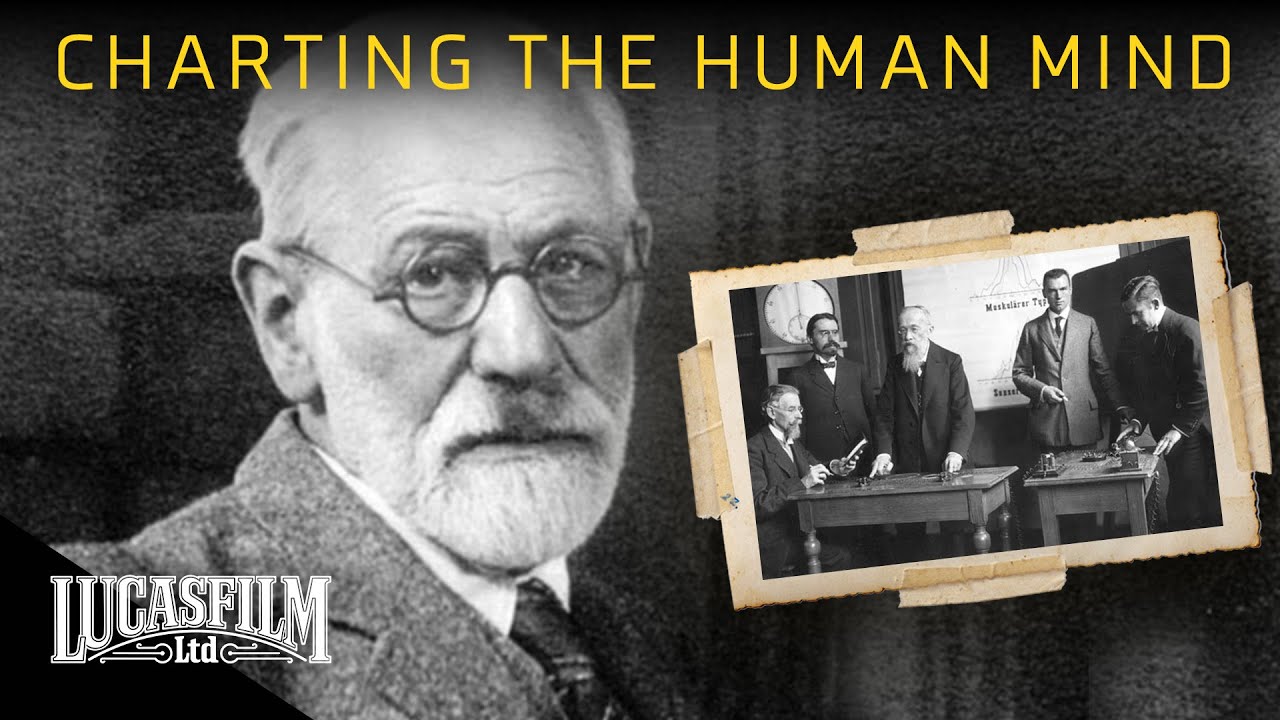
While behaviourism was the established scientific approach to psychology, in the German-speaking world there was this feeling that lab science truly couldn’t explain everything. The human mind was far more mysterious or sophisticated than experiments in labs can truly understand. So this led to another approach in psychology which became known as psychoanalysis which has its roots in German structuralism of Wilhelm Wundt who is considered the father of modern psychology.
Instead of relying on behaviour, psychoanalysis focused on understanding consciousness through two methods. First they looked at mental illness and asked why the mind gets sick. Second, they looked at dreams and asked why we dream.
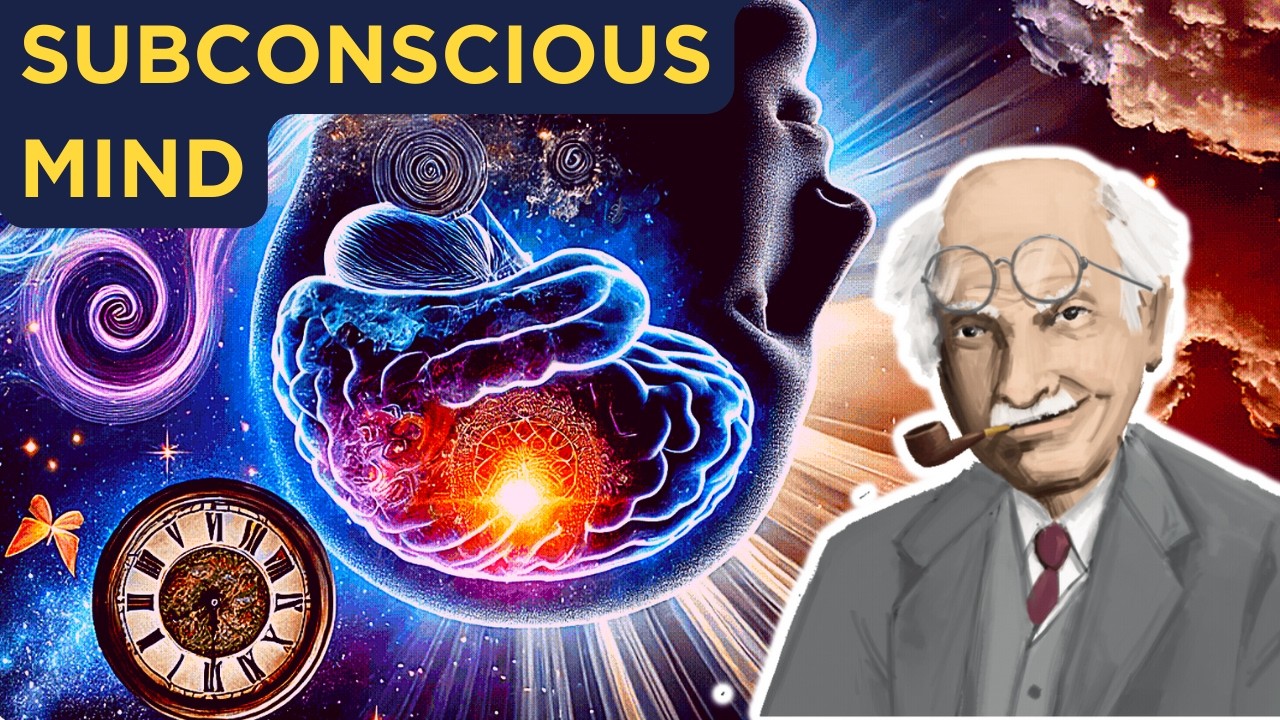
This led the early psychoanalysts to the conclusion that consciousness is more complex than we can see or understand. There has to be another level to consciousness which is not readily available to us. This became known as the subconscious or unconscious.
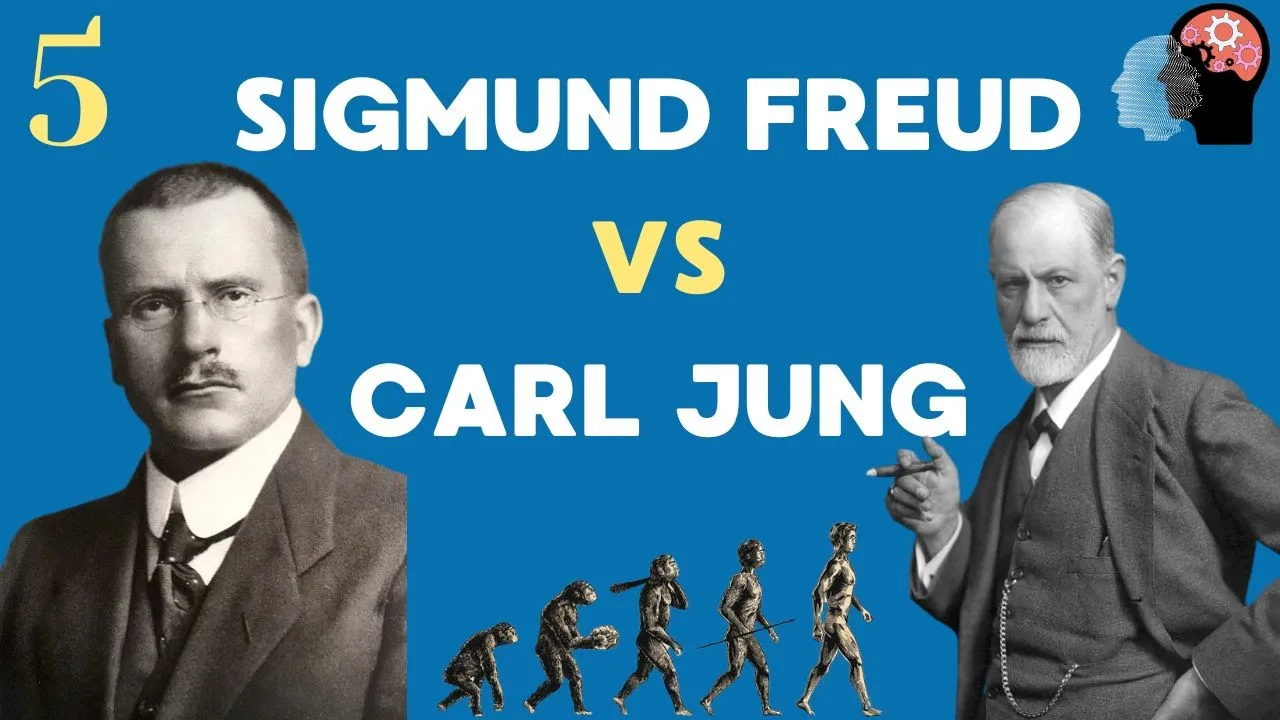
Two of the most important psychoanalysts were the Austrian Sigmund Freud and the Swiss Carl Jung. So in this section, I will discuss their approaches to psychology, their similarities and differences in the battle of the unconscious. While the previous generations of psychologists studied psychology in a lab, through experimental psychology, some psychotherapists were in the fields dealing with people with mental problems, so their study was not based on lab experiments on animals or humans but approached psychology through field observation.
At the time, behaviourism was the dominant approach to psychology, in which studies were based on experiments. However around this time, a new approach to psychology emerged from the fields, i. e.
mental asylums, hospitals, and psychiatry clinics where psychologists observed their patients and discovered the existence and power of the subconscious. One of the earliest pioneers of psychoanalysis was the French doctor Pierre Janet who is credited to having both influenced Sigmund Freud and Carl Jung. However, when it comes to establishing psychoanalysis, it’s Freud and Jung who stand out.
Sigmund Freud, often called the father of psychoanalysis, and the Swiss Carl Jung agreed that the unconscious is perhaps a more powerful part of consciousness. Despite their similarity in focusing on the unconscious as the best source of understanding the human mind, they also had a few differences. Sigmund Freud who was born in 1856 and died in 1939 was a practising psychotherapist in Vienna, the capital of the Austro-Hungarian Empire and one of the most sophisticated cities in the world at the time.
Despite its sophistication and wealth, there were a lot of people with mental issues. But why would such an affluent city have so many people suffering from psychological problems? Materially people were well-off and they had few worries regarding survival necessities like food and shelter.
There had to be something deeper than just material needs we humans crave. With science diminishing religious credibility, people had lost faith in god and church. Now each person had the responsibility to come up with a solid meaning for their lives.
It’s easier said than done. So Freud realised that there has to be something deeper than we are consciously aware of. Freud took the task of understanding what lies behind the conscious mind.
Just like his predecessors he took a structuralist approach to consciousness and came up with a three-level structure: the conscious, preconscious and the unconscious. He concluded that the unconscious was the deeper well and the source of water or some of our thoughts and experiences. In other words, it is the hidden unconscious beast that determines some of what we think and do.
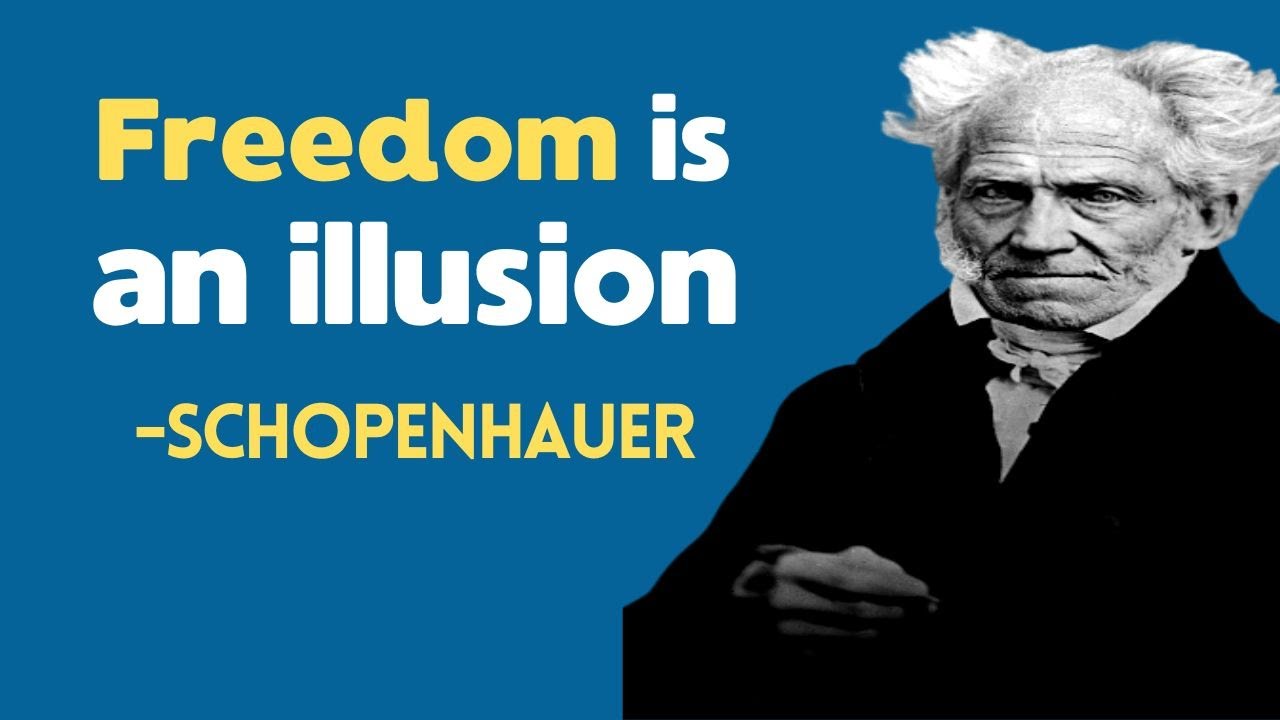
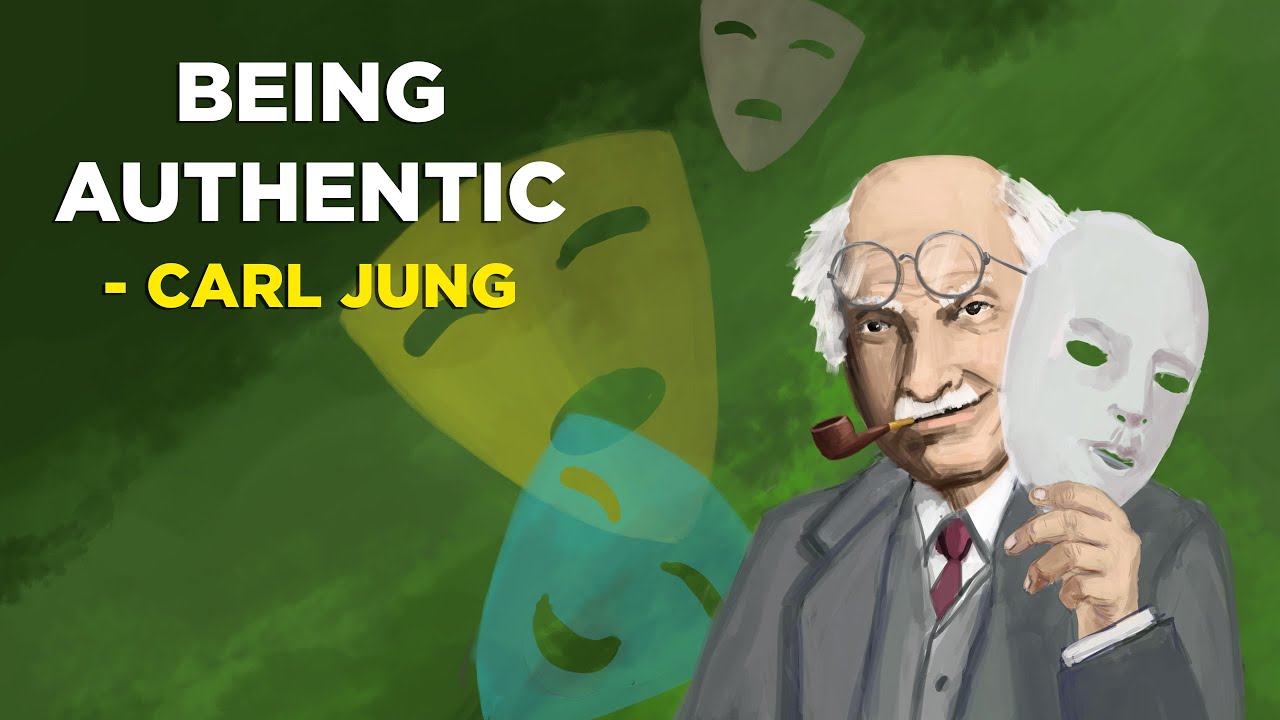
In philosophy Schopenhauer called it the blind will. I should also point out that both Schopenhauer and Freud were influenced by Hindu philosophy, more specifically the concept of ‘Maya’ which is very complex but simply put it means that the world we believe in is nothing but an illusion or a mask we put on as we go through the cycle of reincarnation. Atman or Brahman, on the other hand, is the unchanging reality or the true self which can only be understood through vigorous meditation and conscious understanding.
In Hinduism Maya is the perceived reality. Atman or Brahman is the true reality which is also the conscious reality. Schopenhauer called the true reality “will” and the perception of this “will” as “representation”.
In other words, we know that reality is often an illusion and the truth lies somewhere deeper, only revealed to us through active digging i. e. meditation and being consciously in the present.
Freud, as a clinician, came across patients who suffered from hysteria. He quickly learned that when the patients were asked to describe their fantasies or hallucinations, the mere act of expressing those thoughts alleviated them of the illness. He concluded that many mental illnesses such as anxiety, phobias, hysteria and paranoia were caused by a bad experience in the past that were stored in their unconscious.
Instead of forgetting those traumas, the patients must have kept them somewhere in their unconscious memory. In other words, our experiences do not go away, but stay with us, often hidden from our conscious mind. It was not external forces such as god or destiny that drove the human mind to madness but it was all internal.
It was here that Freud understood the power as well as the scope of the unconscious mind in our conscious life. The conscious mind is just a tiny part of our psyche. There is a whole new world that sits beneath the conscious mind and makes some of our decisions and determines some of our experiences.
Just like an iceberg, consciousness is just the tip and always at the mercy of what’s hidden. However it is a somewhat dynamic process between the conscious, preconscious and unconscious. Just like an iceberg that floats, it reveals different parts at different times.
While science and technology were making the lives of Europeans more comfortable and predictable, the unconscious mind was the source of all the chaos that a person may experience. In other words, no matter how orderly and safe the outside world is, the unconscious mind is the main source of our psychological problems, often caused by things that happened to us a long time ago in our past and in some cases in our ancestral past. The unconscious is also the place where we deepest animalistic urges reside.
For example our instinctive and often unlimited desires for food and sex. As Schopenhauer said: “Life swings like a pendulum backward and forward between pain and boredom. ” In the unconscious mind, according to Freud, there is no freedom of expression, but a lot of repressed memories and suppressed emotions.
I should also point out that this is a modern condition because in the olden days, people confessed their inner turmoils, guilt or suppressed memories during a church confession or people were much closer to their families and communities so they could confide in those around them. But in big cities like Vienna, while more people were living closer, the emotional distance was much wider. It was far more difficult to confide to anyone.
This has not changed. Today most people live in cities, yet we feel lonelier than ever. While these conflicts occur down below, on the conscious level, it causes us a lot of pain, suffering and even grave mental illnesses.
Because they find no venue to vent out. It’s like living in a flat and you’re surrounded by noisy neighbours who constantly fight and make noise. And there is no escape.
At some point you lose it and go and bang on their doors. Our unconscious runs a titanic battle between opposing forces, your wants hitting brick walls, your urges unanswered, which can cause turmoil. Of book, our rational, conscious mind tries to tame the beast but we are not always successful.
When the rational, conscious mind gets overwhelmed, we experience mental problems. So how to cope with problems with the unconscious mind? Freud offered a really unique treatment.
It was so simple that it became revolutionary. He didn’t invent the wheel. He simply copied a century-old method.
For hundreds of years, people went to church to confess their sins. The mere act of talking was enough to alleviate them from the pain of guilt or trauma they were holding inside. The mere act of expression unburdened them from their emotional turmoil.
Freud did the same. He opened a church. No, he asked his patients to relax on a comfy chair and talk, which became known as psychotherapy or simply the ‘talking cure’.
Today, millions of people, mostly in wealthy countries, get this treatment from their therapists. In poor countries, people either cannot afford or perhaps a more reasonable explanation is that life on the outside is harder than the inside so when you’re in a survival mode, your mind is focused on living another day and your mind has less time to create problems for you internally. But when we have plenty of food and live a comfortable life, the fight moves inside our psyche.
Freud noticed that civilisation was one of the leading causes of more mental illnesses as it limited individual freedom as an aggressive animal. In the wild, mental illness is perhaps not on your priority list as you battle elements and wild animals. This became the basis of Michel Foucault’s philosophy that madness and civilisation often go hand-in-hand.
I should also mention that the talking cure was as much about letting it out but also it was about someone listening to you. Most of us live lonely lives in big cities, so having someone who listens to you, you alone, without you shouting, is incredibly powerful. So your therapist is doing the job of your partner, parents, friends, or colleagues who don’t listen to you.
So therapy is as much about letting things out, as it is about having someone who can lend you their time and listening ears. Of book, in modern time, you have pay for that service. Freud’s Proofs Freud’s theory of the unconscious sounds neat but what evidence did he show that we truly have an unconscious mind?
He offered four pieces of evidence. If volcanoes and hot-springs are evidence of molten rock beneath the earth’s crust, then there ought to be some evidence for the unconscious mind. Freud’s first evidence of the unconscious was mental illnesses experienced by his patients.
They were physically healthy so why should they suffer from these unknown psychological problems? He listened to them describe their mental state and their childhood memories. In other words, they were experiencing hysteria or hallucinations often very randomly.
This proved to him that there must be an underlying unconscious. Freud’s second piece of evidence of the unconscious was dreams. We all dream.
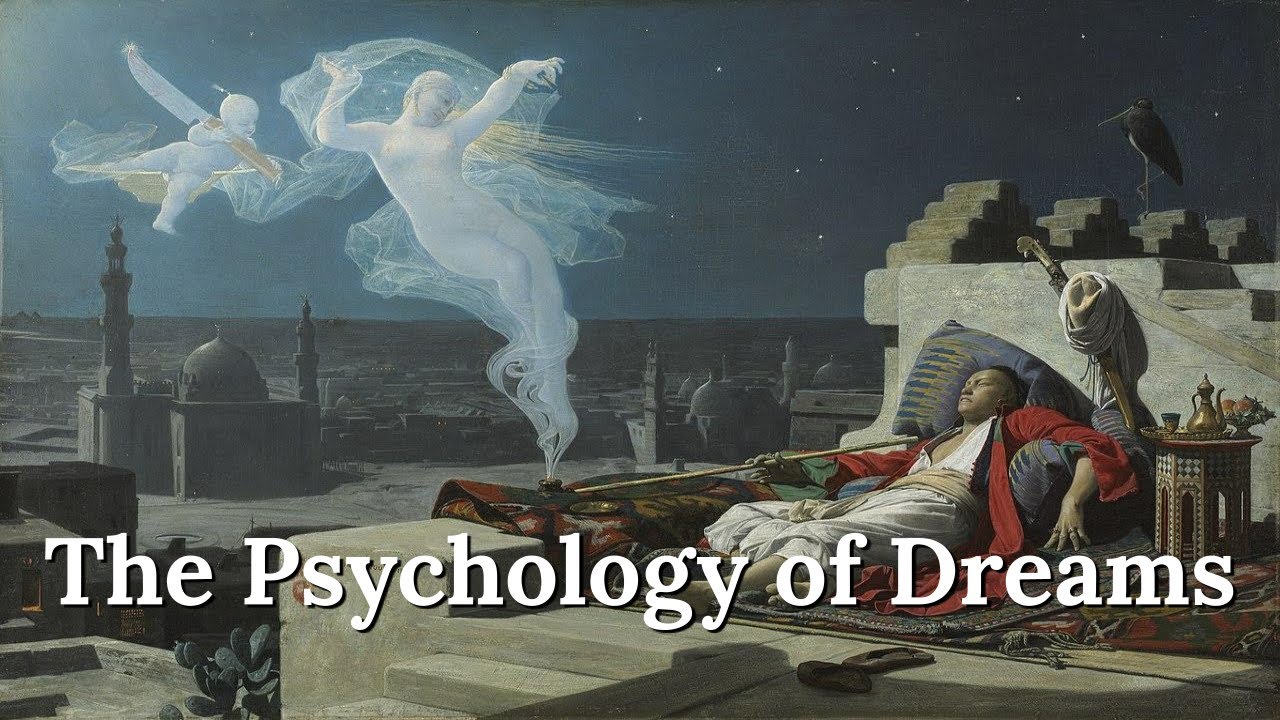
It is universal among all humans, young, old, men, women and across all cultures. For Freud, dreams are how our unconscious is communicating to us about our deeper urges and wishes. Often repressed wishes from childhood.
Freud’s third piece of evidence is our verbal mistakes. He argued that our repressed wishes also come to us through simple verbal mistakes, which we know today as ‘Freudian slip,' which is another way to understand the unconscious. Our conscious mind fights to keep certain things at bay, but from time to time, we involuntarily give out what we really desire.
For example, instead of saying: ‘I like your books’, you might say: ‘I like your boobs’ if you’re attracted to the woman. I have done it. Finally Freud also studied expression in general.
For example, a lot of novelists write fictional tales, but often don’t even sell or don’t even show them to anyone. Freud called this an act of catharsis. You express simply because you cannot bring yourself to tell people how you feel.
In other words, you’re letting out your suppressed emotions in stories. Storytelling or writing is so powerful as a method of catharsis that sometimes it’s used to treat mentally ill patients as it allows them to let it out. Catharsis also happens when you read a book or watch a movie as you feel a release when the characters you relate to in the story gets what he or she wants.
So novelists and storytellers act as our therapists as they allow us to express what we feel inside but cannot express either we don’t have the words for it or feel socially restricted. Today online comments is one way of such release. Freud’s Childhood For Freud, childhood memories were the most powerful ones sitting in the unconscious.
Why? As we grow up, we have to leave our childish behaviour, feelings, memories behind. But we cannot really leave them behind.
Instead we leave them trapped inside us. We suppress them. A great example is the American novel, The Catcher in the Rye by JD Salinger about an angry young man who refuses to grow up because he sees grown ups acting fake.
Children are very honest but as they grow up they are expected to be nice and polite, which means often being fake. So part of this facade of niceness is suppressed expression which means in most social situations you cannot be truly yourself. Another element of modern life is the value of predictability.
From trains to work hours, everything's meant to be predictable like a machine. Yet, the unconscious is often volatile, chaotic and restless. Our conscious mind has to reconcile the inner turmoil with the predictable outside world.
It’s like taming a wild beast to behave in a world run like a factory. This struggle takes a huge mental toll as our conscious, rational mind tries to calm or suppress our unconscious, a pool of urges and chaos. Hence more and more people break down under the weight of modern demand to keep a tap on their emotions.
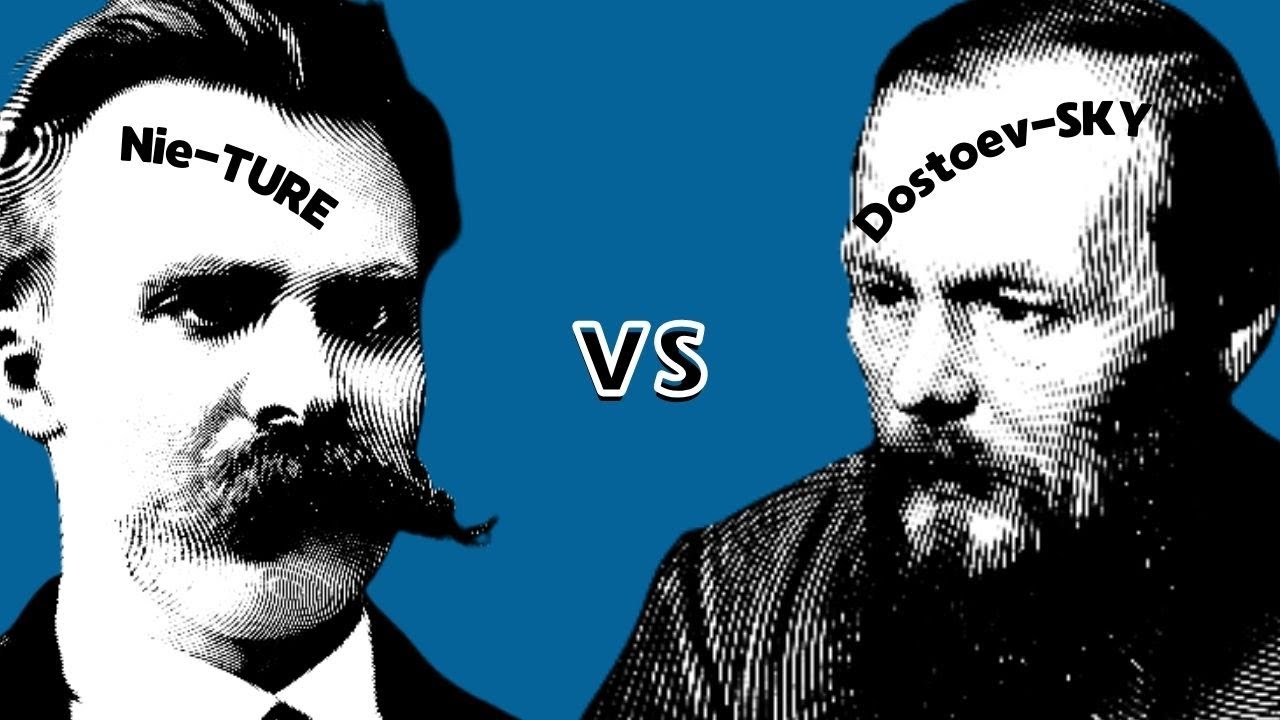
For millions of years we have evolved animals that roamed the wild and now live in urban boxes. While most of us can adapt to this life, some cannot. So to sum, Sigmund Freud, drew on philosophers such as Schopenhauer, Nietzsche and other psychologists as well as the Hindu philosophy to understand that beneath the rational conscious mind lies a much powerful unconscious.
He observed patients suffering from hysteria and other mental illnesses and allowed his patients to talk about their deep desires and fantasies. To understand the unconscious he also studied dreams as well as slips of the tongue to reveal the hidden urges we suppress in our unconscious. While Freud understood the power of society and civilization on the individual, he mainly focused on the individual psychology, his or her own unconscious, his or her own repressed memories and suppressed emotions, his or her own childhood.
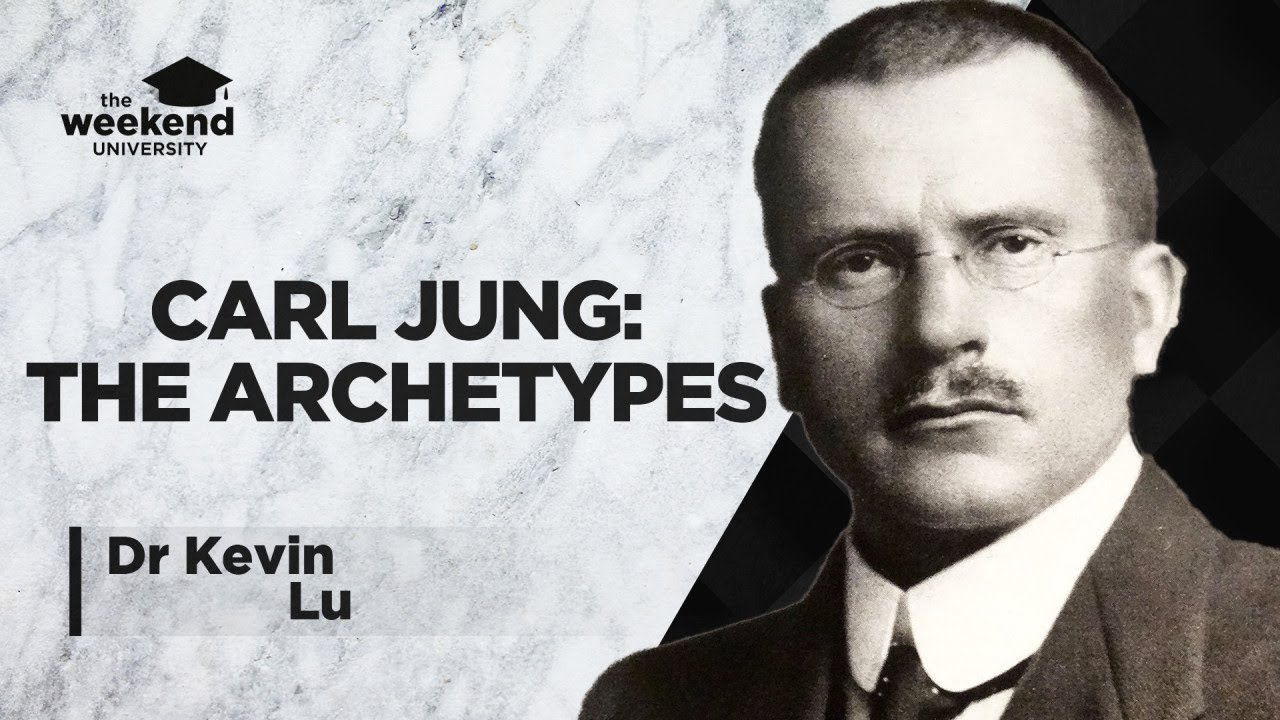
As a result, he neglected the group, society, or the collective side of our consciousness. Here comes another giant of psychoanalysis, Carl Jung who built on Freud’s individual-centred psychology with a more collectivistic psychology. Carl Jung (1875-1961) was a Swiss psychologist who became very close to Sigmund Freud, but later they parted ways after some disagreements.
While Freud was interested in the individual, what went on in their subconscious, their childhood and their inner struggles, Jung looked outside. He was interested in the commonalities that we all have, despite our cultural or religious differences. In other words, there are certain similar myths and symbols that all humans share irrespective of their cultural backgrounds.
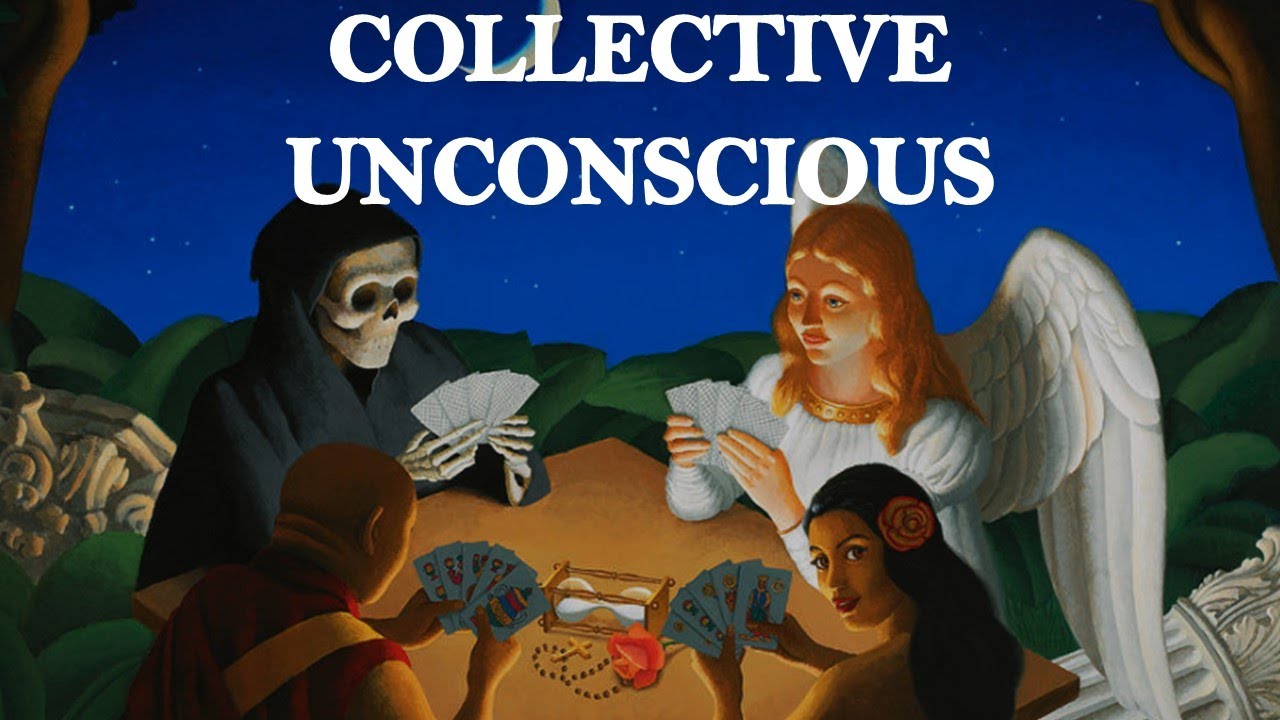
While your own childhood experiences are stored in your own individual memory, the common myths and symbols are stored in what he termed as the ‘collective memory’ as part of the collective unconsciousness. These collective memories are not the result of our own individual experiences, but inherited from our distant ancestors, passed down to us from generation to generation. Despite slight variations, these myths and symbols are more or less the same in all cultures.
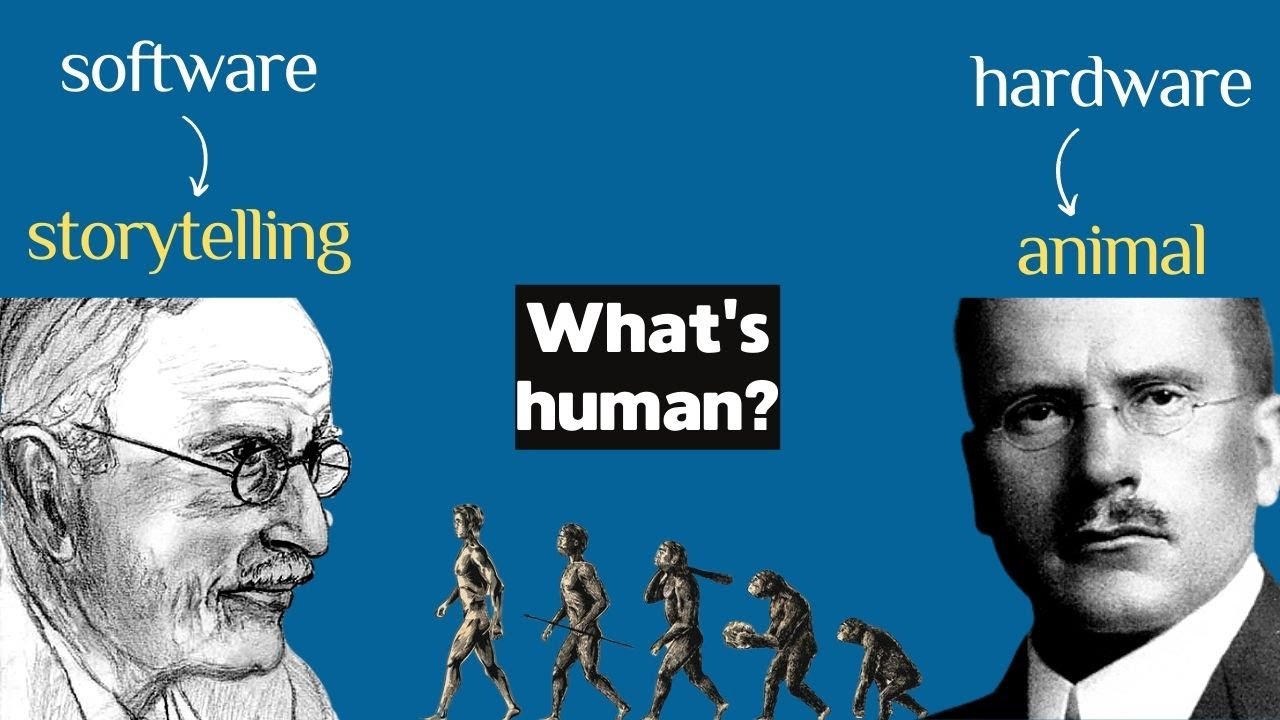
In other words, a large part of our psyche or conscious mind is filled by the memories of our ancient ancestors just like software. While each individual hardware is different, but we often share the same software. To really understand Jung’s theory, we can look at it through philosophy.
The Greek philosopher, Plato thought everything that exists in the physical world are mere shadows of the form that only exists in the mind. In other words, the mind is primary and the outside world is a mere shadow of that mind. Later in the 17th and 18th centuries, in Europe, rationalists believed that humans have an innate knowledge of the world.
As babies grow up, this innate knowledge simply unfolds itself so that we make sense of the world. Carl Jung’s theory of the collective unconscious is somewhat similar. We have inherited most of our unconscious memories and archetypes from our ancestors.
As we grow up, we simply unfold those memories to make sense of our personal experiences and build a persona of our own in the world. In other words, most of our psychology is given to us at birth. As we grow up, that psychology merely unravels itself in our unconscious to guide us through life.
For better or worse, the inherited psyche, or the collective unconscious manifested in myths and symbols, determines a lot of our beliefs, experiences, and emotions. Jung called these symbols and myths as archetypes that are moulded inside us prior to our birth. In other words, archetypes are like templates or windows for us to understand our own experiences in life.
But interestingly, we are not aware that they are given to us. In other words, we are not conscious of these archetypes. We often think of them as somewhat naturally our own.
Just as your genes are passed down to you through your ancestors, these memories are passed down through cultural archetypes. If your DNA is the memory of your genes, the archetypes are your collective cultural memories. You could make a connection between Jung’s archetypes and Richard Dawkins’s theory of memes.
Just as genes spread through offspring, memes spread in the same way. So not only do we have a genetic memory of our past ancestors, we also possess the unconscious collective memories of the early humans. To fully understand Jung, let’s go back to philosophy.
In the 18th century, Immanuel Kant argued that our knowledge of the world comes through our experiences. But not only that, we have an innate mechanism of rationality that puts a structure onto the world. In other words, we are not passive receivers of knowledge from the world, we impose our own mental structure on the world.
Jung’s archetypes are somewhat similar in that, through these archetypes in our collective memory, we make better sense of our experiences in the world. Archetypes sit in our unconscious mind to give us patterns so our experiences and emotions appear meaningful to us. In the same way we have the capacity to learn a language, we also come pre-assembled with the capacity to relate to archetypes and stories, which ensures our survival within a group, in a similar fashion as our physical features like eyes, ears and nose allow us to make sense of the physical world.
Our capacity for storytelling allows us to navigate society and culture. Just like Freud, Jung also belonged to the structuralist school of psychology so he saw consciousness or the human psyche as a structure divided into three parts: the ego, the personal unconscious and the collective unconscious. The ego is the rational or conscious side of our psyche that regulates our daily lives.
It’s like a control mechanism like a steering wheel in a car. The personal unconscious, which Freud mainly focused on, includes our own individual memories, including repressed memories and suppressed emotions from our childhood. The collective unconscious, which Jung mainly focused on, is where the archetypes we have inherited from our ancestors are stored.
Just as Freud provided dreams as an evidence for the existence of the unconscious, Jung, too, used dreams as evidence of the collective unconscious. In other words, our dreams are like windows into our past collective memories, be it the early humans or even apes who lived in trees or even farther in the past. But Jung’s most sophisticated evidence or his most important contribution to psychology didn’t come from material science or lab science, but from storytelling or literature.
Window to the collective unconscious While Freud looked at mental illnesses, dreams, verbal mistakes and cathartic expression as evidence of the unconscious mind, what was Jung’s evidence for the collective unconsciousness? In other words how did he know we are wired to relate to archetypes? Jung looked at one activity that we all humans share.
Storytelling. From a very early age, children are mesmerised by stories and even in adulthood, we love stories. Why?
Because stories not only teach us, they also have a deep emotional impact on us. In other words, stories teach us about the world through other people’s mistakes and triumphs but they also emotionally bond us with others. Just as we bond over food, we also bond over stories.
The first time we meet people, we are desperate to know who they are or what their story is. In fact, you could argue that most religions established themselves through stories, at the heart of which is the story of creation. Even in the age of science, we humans crave for science to explain to us the story of our origin through scientific evidence.
Most tribes, communities, societies and even empires were built upon stories and myths. Without a common myth, it is hard to unite an empire or a community. In fact, we humans crave for a meaning in our lives.
How do you find meaning? Through the stories we tell ourselves. Every morning we wake up and go to work because we believe in a story that our life is moving somewhere.
Depression or anxiety result when we lose faith in our life’s story. So our life’s meaning is closely tied to the stories we tell ourselves. Some believe in religions, some in success, some in love and some in social justice.
These are all stories that give people’s lives meaning. Nations are built on stories. Patriotism or nationalism is a story in which people inside the country believe in that country.
People often talk of morale among soldiers. It simply means they are losing faith in the story told to them. So story and belief are closely tied like conjoined twins.
Great storytellers and filmmakers are the ones who tell believable stories that are convincing. Jung found that storytelling is where archetypes live. In other words, archetypes are common and recurring characters in all stories.
Some of the examples Jung gives us are The Wise Old Man, the Wise Old Woman, The Hero, The Father, The Mother, the Devil, and so forth. If you look at myths and stories, you can find many of these archetypes throughout the world. Jung even called the masculine and feminine as archetypes which he called Animus and Anima.
We are born with both masculine and feminine traits, so as we grow, we grow into an archetype depending on our sex. The strong masculine man is craved by females and the soft feminine woman craved by males. In other words, these are refined characters through the river of history.
Just as pebbles are refined by running water over the years and centuries, these archetypes are refined characters through thousands of years of human evolution. So these archetypes are not the results of our conscious mind, but the collective unconscious mind. If women love to read about a strong masculine man like in Fifty Shades of Grey, not because it’s a western concept, but it is because females on an unconscious level are hardwired to seek such archetype as a mate.
In the same way, the male psychology craves a feminine woman. Why archetypes? Now you might ask why these archetypes came about?
The simple answer is in our evolutionary biology. As a living organism or animal we face predators and prey. We face survival challenges.
How we behave when faced with these survival challenges define our archetypes. So archetypes were wired into our DNA because they allowed us to survive and pass on those genes to others. Archetypes are our survival instincts written in stories.
The same rule applies to stories themselves. Only stories that have resonated with most humans have survived through the centuries. As Italo Calvino said, folktales or legends are told and retold that they have become smooth like pebbles by the time they arrive to us.
In other words, the longer a story or myth survives, the more bare-bone or their essential elements remain. So one can say that these archetypes are essential characters in the survival of our species as they guide each generation to survive, thrive and successfully reproduce. Not only do these archetypes guide us in life to make sense of our own experiences, they also play a role in our personality.
In fact, we unconsciously use the archetypes to display a persona of our own to the world. When we present ourselves to others, we are careful to show some bits and hide other bits. Not only that, we are also selective about what to show depending on where we are.
We might take a different persona in the presence of a beautiful woman we are romantically interested in. But in the presence of our family members or friends, we put out a different persona altogether. The same when we go to a job interview, we present our strong side.
The Japanese have a concept called, honne and Tatemae. Hone means your true self or the one you show inside your own home. Tatemae is a persona you show to others or a social facade.
They are vastly different. Jung calls this public self or archetype the Persona. But there is also the part we don’t want the world to know.
Jung calls it the Shadow which is the opposite of the Persona. It sits in the dark and we do everything to hide it from others. These are our secrets and suppressed urges or thoughts.
In storytelling it is the villain and in religions, the devil. We tend to associate the Shadow with others and rarely with ourselves. The bad guys are always someone else and rarely ourselves.
For example throughout history in all warfare, both sides called the other side as the bad guys or villains or evils. Amid all these archetypes, Jung argued that our life’s ultimate goal is to realise the True Self, which is the most important archetype. Martin Heidegger called it authenticity, which he argued can be achieved if we truly understand and accept death as a necessary condition of life.
For Jung, finding the True Self needs a lot of work, just like in Hinduism, it can only be achieved through consciously seeking it. Jung says: “By understanding the unconscious we free ourselves from its domination. ” So to sum up, while Freud argued that the unconscious, which includes collected memories, traumas, suppressed emotions from our childhood, determine most of our behaviour and experiences in life, Jung went a step further saying that it is not just our own individual unconscious memories, but also the collective unconscious memories we inherit from our ancestors.
So the unconscious is not just our own, but also those who became before us. Just as Freud and Jung were active before the second world war, the landscape changed quite a bit after the war, with the invention of one crucial piece of technology. In fact this technology was invented precisely to be used in the war to break into German intelligence.
It was the computer. With computers came rationality and cognitive ability. So far I have discussed psychological schools and approaches in trying to understand the human mind, but in the next segments, I will look at the solutions to psychological problems.
Two distinctive approaches emerged as a way to combat psychological problems. In the German-speaking world, psychotherapy emerged as a talking cure and cathartic expression and in the Anglo-Saxon world cognitive psychology emerged as a way to make people more empowered through intellectual stimulation. So in the next segment I will discuss psychotherapy and in the following segment, I will talk about cognitive psychology and cognitive therapy.