hmm oh you guys are here good hi well it's good that you're here good timing actually because I'm just you see this upload 92% almost there it's almost finished I'm actually uploading the files for the reworked updated upgraded neuroscience for parents course as you might know neuroscience for parents is one of my best-selling courses it's crazy it has now I believe almost 40,000 students only that course so I've been playing around already for quite some time to upgrade the course to make it better and to put its more up to date with the latest stuff
about brain science etc that I research continually so at that point what's happening here is that I decided to to work on that like a year and a half ago but I got sidetracked I worked on a lot of different projects and some six months ago I picked it all up again worked all through the winter now we're spring here it is it's ready it's uploading on the website or almost there and yeah hallelujah we're a party so the upgrade is there it's gonna be accessible on my own platform on different other platforms such as
UD for example I will put some links in the description below for those who are interested however if you really have the course it's free of charge it's just from me to you it's over an hour and a half of new content it's a big chunk and yeah I'm just giving that to you guys because it's an important topic for me you know parenting I've got to kiss myself my little monsters as I like to call them so I thought hey let's share one of those new lectures with you guys and that's what I will
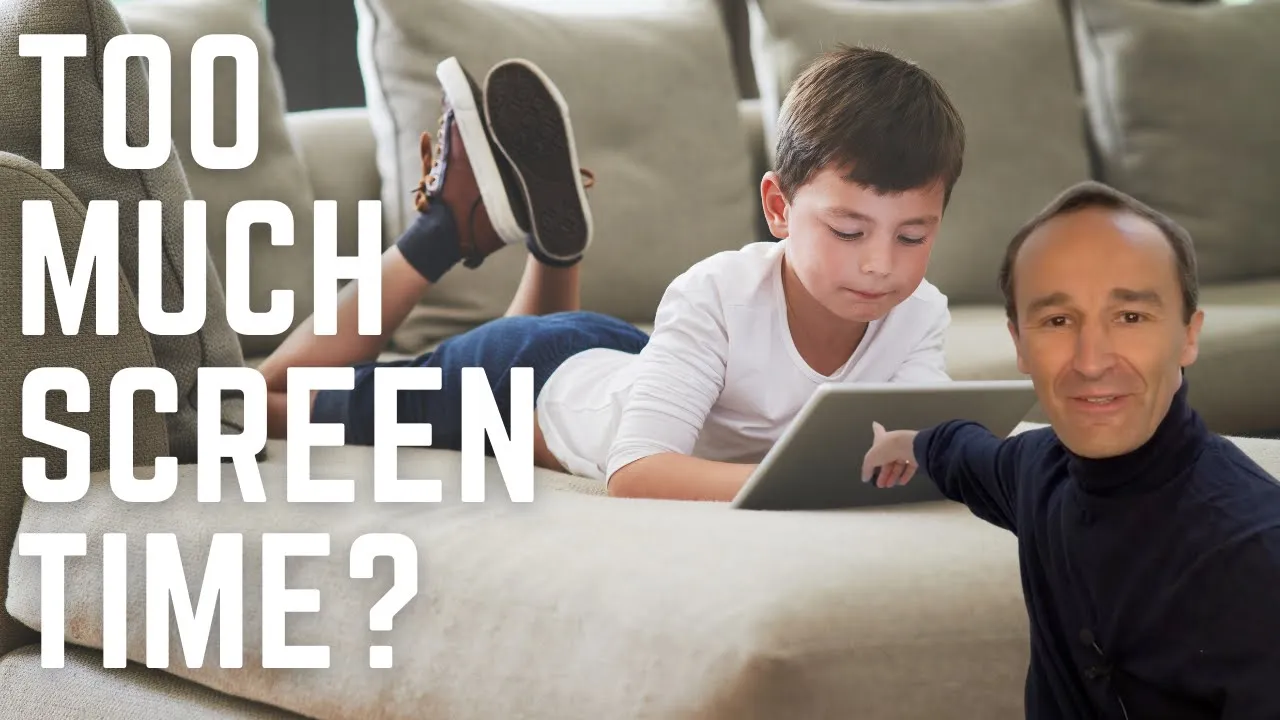
be doing right now after the the jingle that they intend to ten tenten that's where you will find it and it's about screen time yes you know how long should I leave my kids in front of different screens being at internet television being in smartphone etc it's actually a question I'm getting a lot and my circle of friends as well I see how a lot of parents struggle with that topic it's not an easy one what do you do how a merge etcetera etc well preparing lecture only on that topic and here it goes 10/10
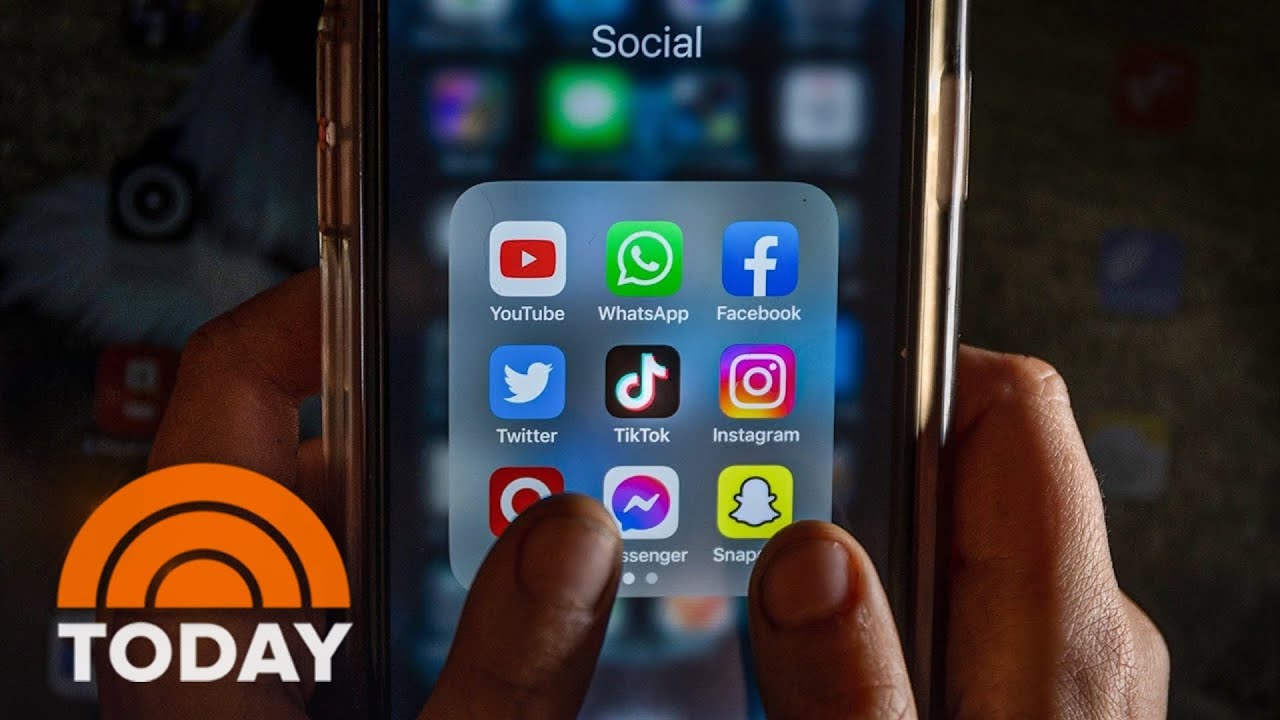
[Music] let's talk now about a topic which most parents seem to struggle with which is screen time and I'm talking everything here you know smartphones tablets TV video games Internet everything so the latest figures show is that teen spends an average 7 hours and 22 minutes a day in front of screens and that is not including homework 7 hours and that's an average you know meaning some are consuming way more than that if we look at kids between age 8 and 12 we're talking about an average of four four hours and 45 minutes younger children
average over three hours a day again this means some kids consume way more so what about your kids when you look at these averages our date below spot-on or above and remember we're talking everything here from TV to their smartphone and whatever your estimates reality is probably way higher anyway so what does it mean and should we be worried I've heard countless arguments pro and Contra the most convincing one being that technology is all around us and that we should educate our children to be fluent in their use because otherwise they'll probably end up as
social outcast with their peers peer pressure there you go I felt it really strongly when my kids were merely babies my wife and I decided to avoid screens for our kids as much as possible when we discussed the topic with other parents we felt like social outcasts you know some kind of extremists it was weird and now my oldest son will soon go to middle school and there's a whole smartphone discussion again and we feel the pressure again to buy our kids their own smartphone well ever since we had those first discussions about screen time
I decided to dive deep into this matter and see what science says and ever since I've been on the lookout for new studies and developments so the American Academy of Pediatrics recommends limiting the screen time for kids to less than one or two hours per day depending on age of course and for kids under the age of two none at all some pediatricians and neuroscientists even advise to ban screens completely be off before the age of three so why do we do this why takes such measures how bad can it be right well I was
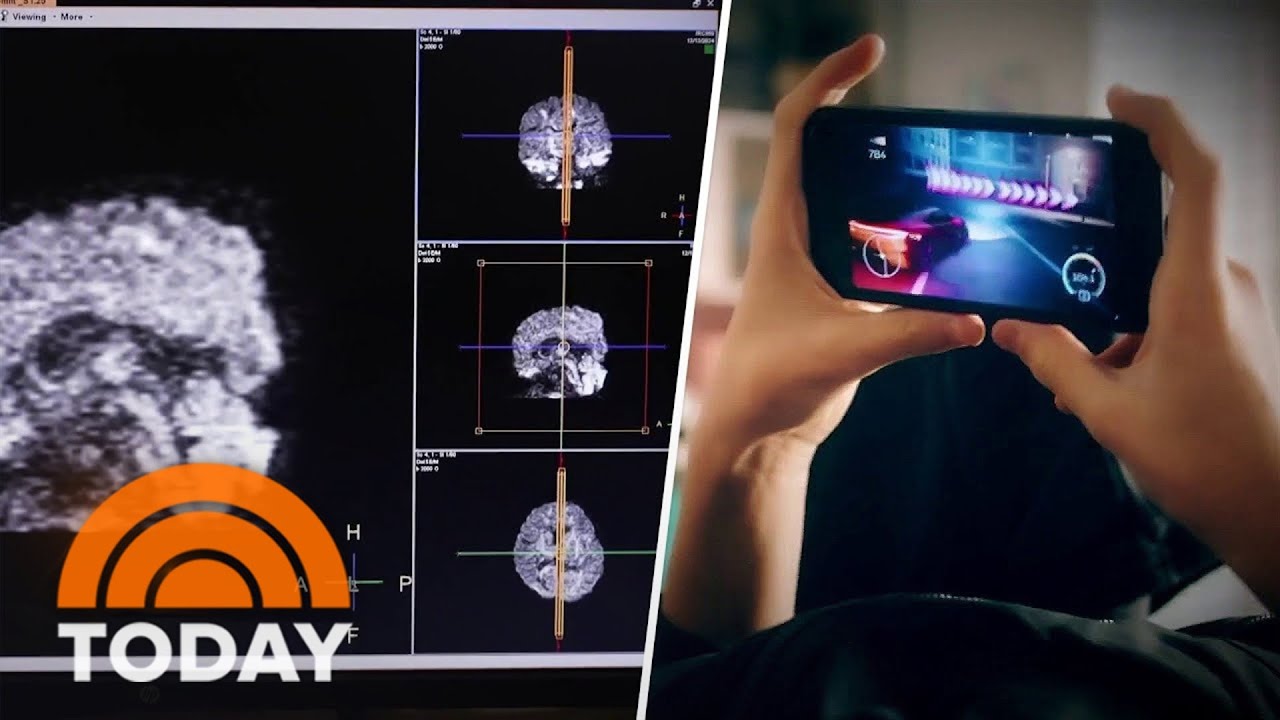
about to give you Holston of the negative impact on the brain including gray matter atrophy lots of white matter integrity reduced cortical thickness and impaired cognitive function all these are true and scientifically proven and scary as it sounds what does it really mean well in short excessive screen time impairs the structure and functioning of the brain last year new studies came out about how toddlers who had excessive screen time had slower cognitive development and language acquisition the link between screen time and obesity in kids has been established a long time ago there are also studies
linking adolescence and screen time to increased anxiety and depression you know I can go on like that you know but let me try to explain this in another way digital technology does not only consume attention it also shapes the brain all these devices and apps are designed at grabbing our attention and not letting it go they are cleverly designed to tap right into our reward system we get instant little kicks of dopamine every time we reach a new level of a game we defeat an enemy boss we watch a funny video on YouTube or even
when we hear the little beeping sound of a new message dopamine is all about instant gratification it's about here and now and feeding our kids brain levels of dopamine that they would never get an on-screen environment is a recipe for disaster with an average of seven hours of high dopamine screen time the rest of the day looks pretty dull and boring you know that part of the day where they ought to be at school and learning the skills and acquiring the fundamentals that will help them become successful individuals in their later life yeah well with
the constant thrill-seeking behavior the kids brain is on the lookout for the next dopamine shot which means that kids become increasingly distracted and won't be able to focus and if you can't focus you can't learn the instant gratification that children get from their screens is in direct contradiction with the patience and grits one needs to be successful in life yes grits I've talked about it before remember the marshmallow experiment of Walter mission it all comes down to those first years and how we are able to say no to temptation the more we can resist the
stronger we will stand later in life unfortunately it doesn't stop here the time our kids spent in front of screen they are not spending developing other necessary skills small kids toddlers who are spending too much time in front of the screen aren't developing the fine maturity skills they would otherwise by playing with clay scissors coloring drawing etc you might already have seen a daughter trying to change the page of a burger magazine by swiping it well as funny as it seems it's a clear warning that screen time it's off balance and there is more what
can we say about the impact of screen time on socialization emotional intelligence and psychological well-being one of the greatest developments in the last decades in the field of psychology is the surge of positive psychology instead of looking to understand what was wrong with us this branch of psychology looks to understand what makes us happy well the answers found were disturbingly simple and all pointing into the same direction the other yes we are social beings it's the core of who we are as a species is the reason why we were able to farewell and rise against
all odds to dominate this planet we find meaning consolation hope and happiness when we share our time on this earth with the people we care about it fills us it completes us it turns us into healthy and balanced individuals now look at screen time again what happens kids alone in their room playing games even when they are together they are alone due to our limited attention span we can only focus at one thing at a time and screen wins okay one more just in case it wasn't already bad enough sleep deprivation the excitement of the
dopamine rush is obviously not compatible with the quiet and calm we need to find sleep now devices increasingly use this blue light at LED screens which also disrupts melatonin of rhythms and further keep us from falling into Morpheus arms now if there is one thing that every parent knows is that a child who lacks sleep will become cranky irritable moody won't be able to focus let alone learn spoken about sleep before extensively in this course this is basic but crucial now of course all these things won't happen if you let your child use these devices
from time to time with moderation and when visiting friends or family your 12 months old baby ends up in front of the TV watching the Teletubbies it won't get brain damage either it's about patterns repetition daily reinforcement of stimulus which end up altering the brain and of course a Skype conversation with your aunt is not the same as a game of fortnight's where you basically have to kill everybody else to win the game so I guess it all comes down to what foundation we want to give our children lowing excessive screen time won't turn them
blind or crazy as always it's much more subtle than that and has consequences for the long run it's about patterns and repetition it's about daily habits and the rule here is very simple the lesser the better now I'm not saying to totally shut down screen time it's fun it's entertaining and use with moderation it's a source of lots of fun and excitement but when consumed in excess screen time is counterproductive to laying the foundations that will turn our children into the bright young men and women we hope then one day will become my kids well
they didn't get any screen time before the age of 4 from 4 to 8 they could only watch half an hour and this only during the weekends from 8 onwards this was upgraded to one hour in the weekend meaning one hour and Friday after school one hour on Saturday and one hour on Sundays once they'll reach 12 well we'll reevaluate and plan on giving some more screen time and of course there are exceptions for example when we go to the cinema and what you film together right at first most of our friends were shot nowadays
most of them complain about how their kids we're talking 10 year olds here are already addicted to their screens remember the dopamine and they want to know our secret how do we do it well that's actually easy we never let it go out of hand in the first place it's easy to keep control that way you know it's like a discussion I had with my son I told him I was doing this experiment and stopped drinking alcohol for 100 days he looked at me and said well why not a year and I said one here
is a long time it's hard and he said well I haven't drank alcohol for 11 years it's not that hard he cracks me up sometimes but actually that's the whole point you see it's so much easier to quit when you haven't started the same is true with screen time keep it under control from the start and it will be way easier down the road because of the high dopamine levels some people have compared screen time with alcohol of course that's not technically correct as alcohol has other negative effects on the brain as we've discussed before
but I do agree on the fact that screen time is a digital drug and we as adults have the responsibility to help our children consume it in a responsible way as always like and subscribe and if you want the real stuff go to brain academy.com and join our 200,000 wait we're over 250,000 students now join over 250,000 students and start making your brain better brain out sharpen your mind [Music]