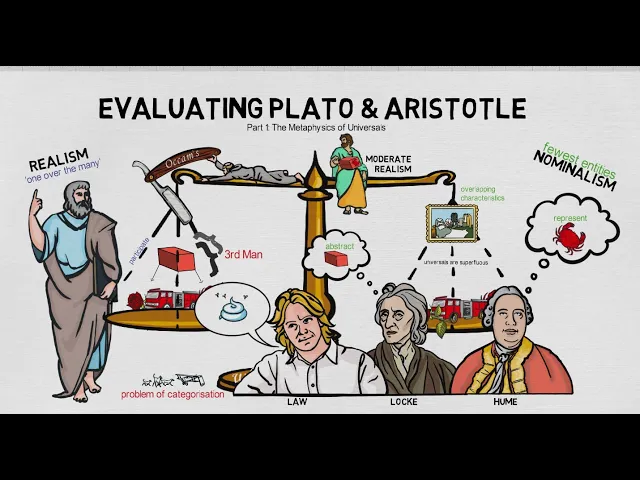
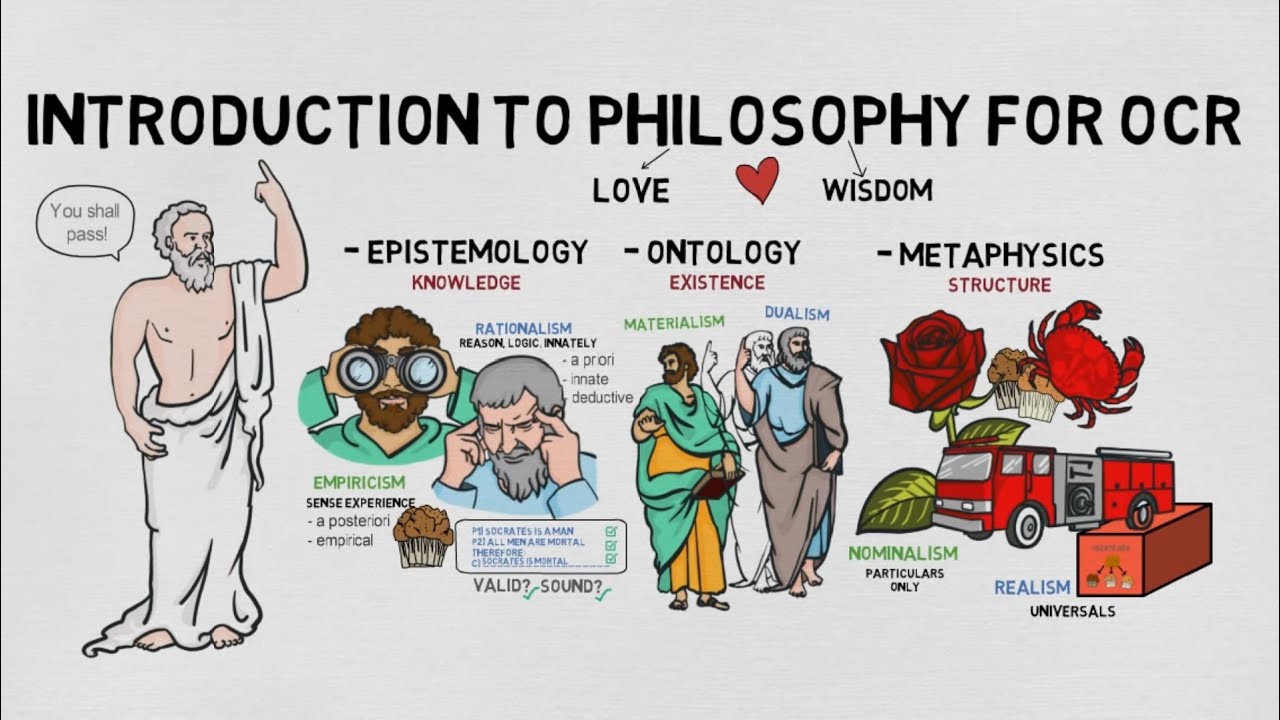
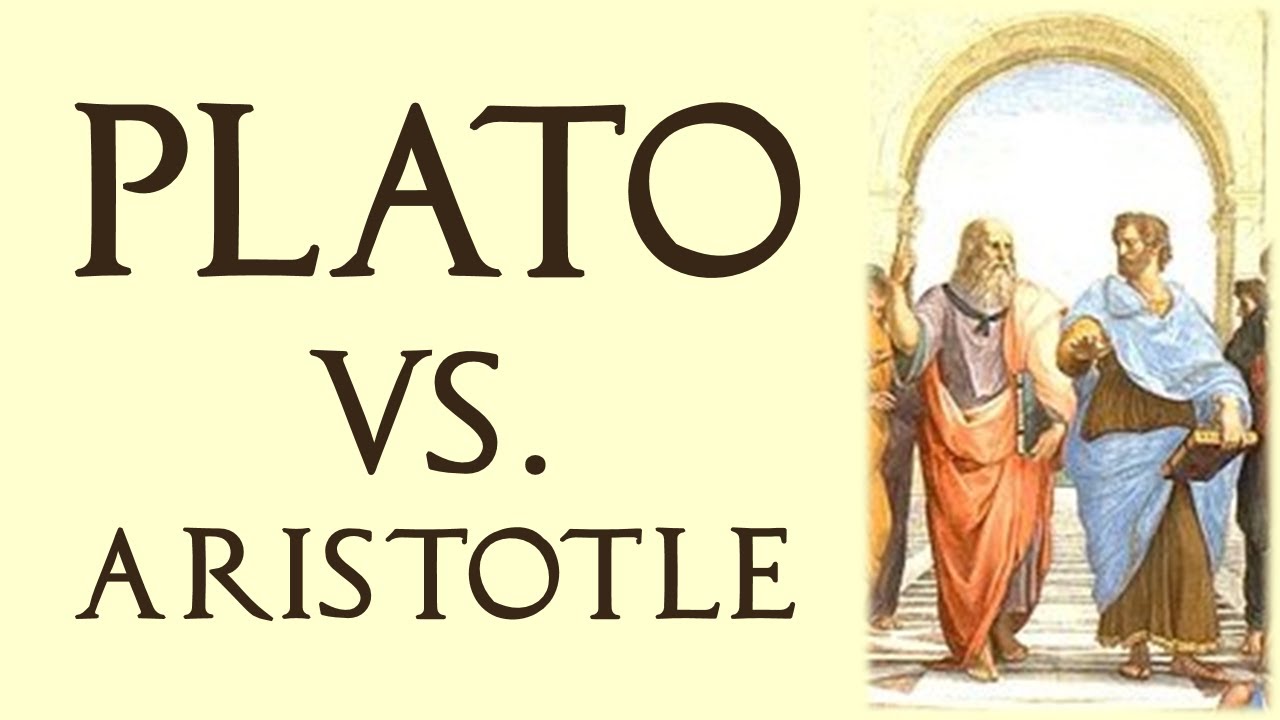
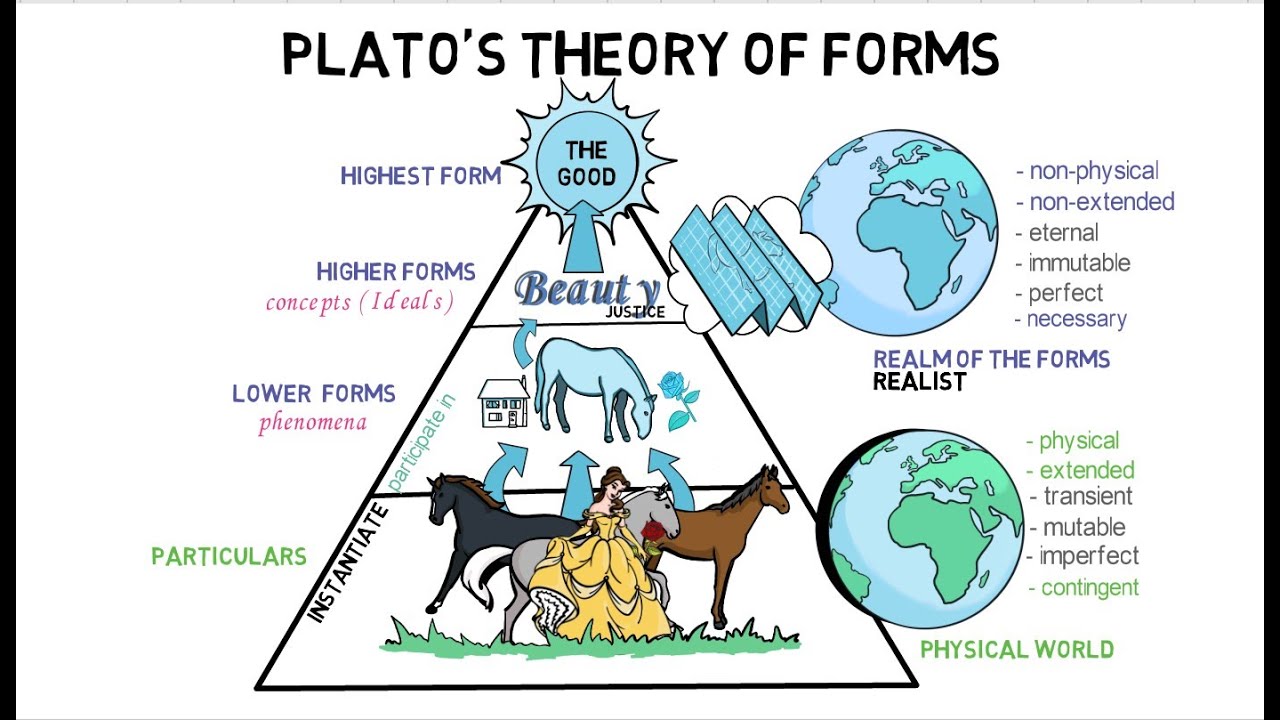
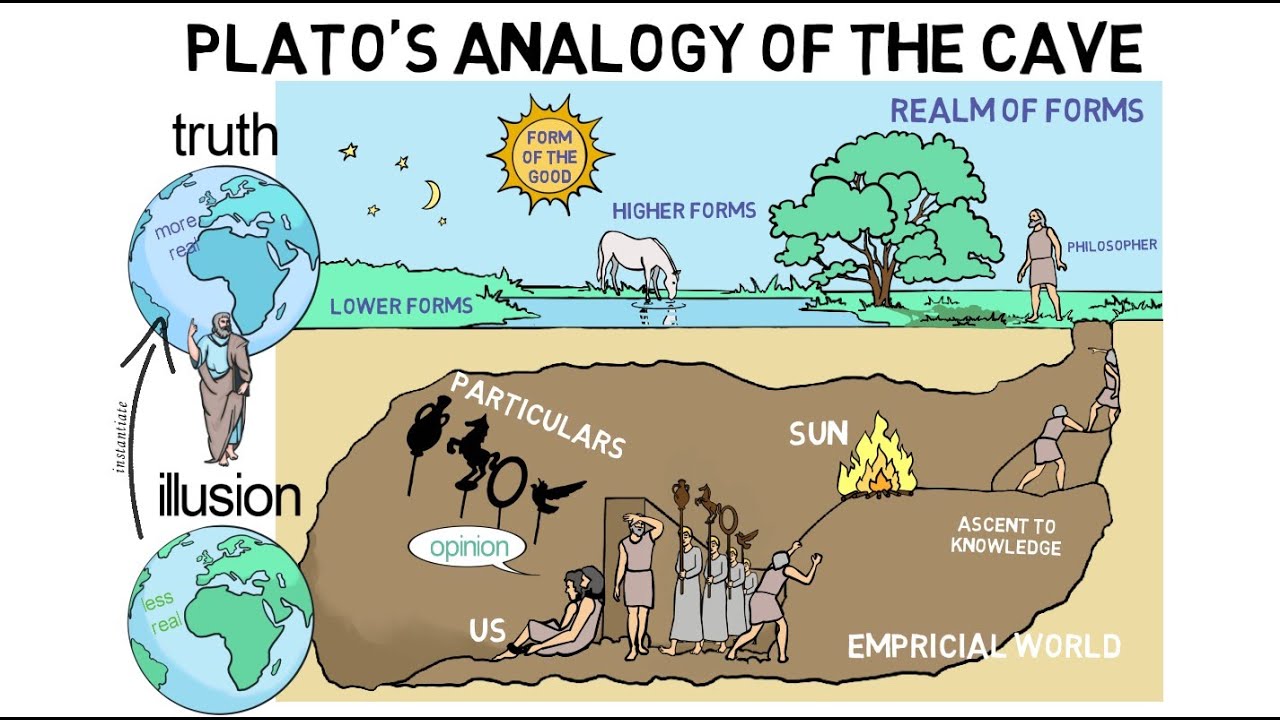
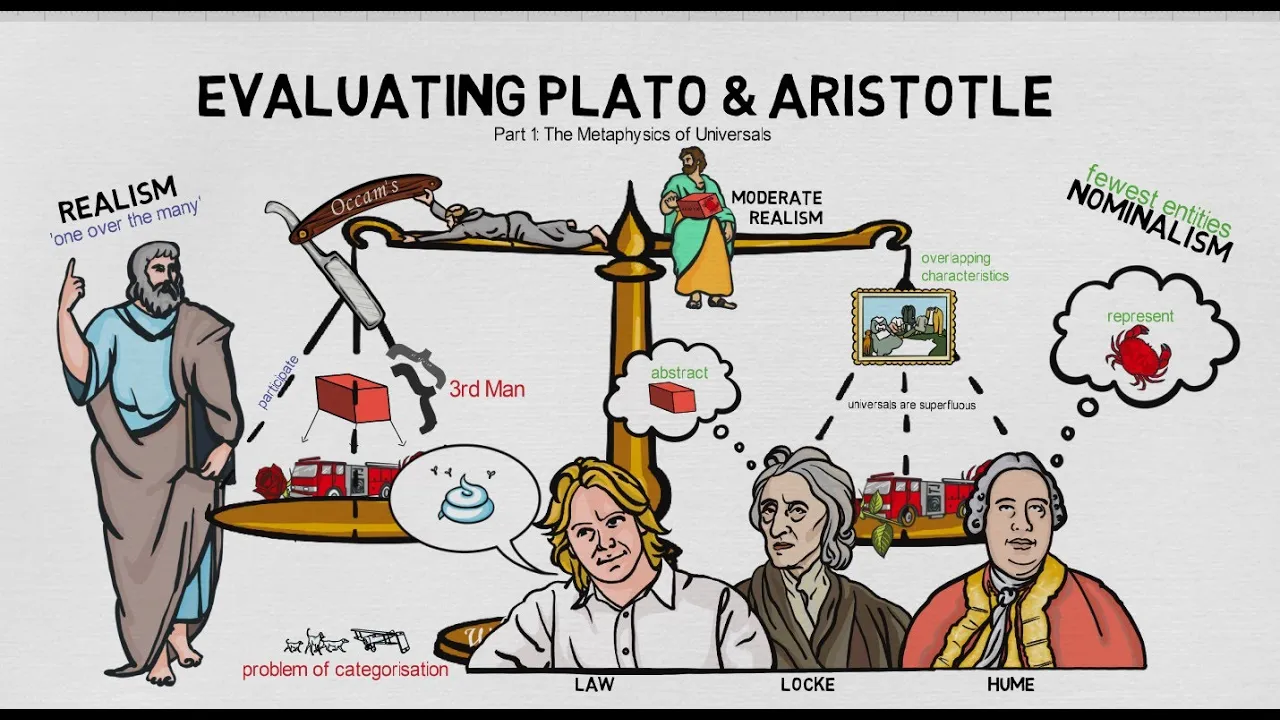
this is the first in a series of videos evaluating Plato and Aristotle in this video we will focus on evaluating the metaphysics of universals if you remember metaphysics is all about studying the structure of reality one strength of plato's theory is that it answers the metaphysical problem of universals that is what it is for two different things to share a common property so for example what it means for a particular Rose a crab or a fire engine to AllShare and the universal redness Plato made the realist claim that many different particulars can participate in one
independently existing universal form in this realist position is known as the one over the many position however it could be argued that between equally strong competing explanations of the world the simplest theory is always the best in other words the one that posits the fewest entities the one that uses the fewest things in its explanation this is known as the law of parsimony or Occam's razor nominal ist's argued that the problem of universals can be solved without postulating the additional existence of universals they say claiming that universals have a real separate existence from particulars is
unnecessary in explaining the world universals are superfluous we don't need them to be able to explain what it is for two different things to share the same property john locke for example argued that we simply have an idea in the mind which acts as a general representation of different particular beings the idea is formed by abstracting from many different examples of the thing that we have experienced and has no real existence as such independently David Hume also argued that we form an idea in the mind but he argued that it is one specific particular we
have experienced which is used to represent all similar sorts of particulars resemblance nominal lists like Ludwig Wittgenstein argued that there isn't any one thing common to different particulars instead like members of the same family particulars share different overlapping characteristics which caused them to resemble each other if nominalism and realism are equally strong explanations the principle of parsimony would mean accepting nominalism as it posits particulars and not also universals and this was Ockham's conclusion nominalism was the most efficient the simplest and therefore the best explanation for solving the problem of universals if sound this would certainly
challenge plato's ontological claim that universals have a real independent existence as forms other problems with plato's realist solution include a third man argument and the problem of categorization the third man argument was originally formulated in Plato's own Parmenides Plato claimed that we need the forms to explain what particulars have in common however the third man arguments is that following this logic we would also need something further a third man or a third thing to explain what it is that the form and the particulars have in common and then something further to explain that relationship and
so on and so on ad infinitum to infinity such that we never have a final explanation of anything the problem of categorization is that there is no explanation of which properties exist as universals and why it is not clear for example when it comes to the forms of particulars whether there is a form of dog or a form of each breed of dog or both whether there are forms of obsolete particulars don't exist anymore things that have become extinct for example or of things that haven't been invented yet Stephen law argued that this could lead
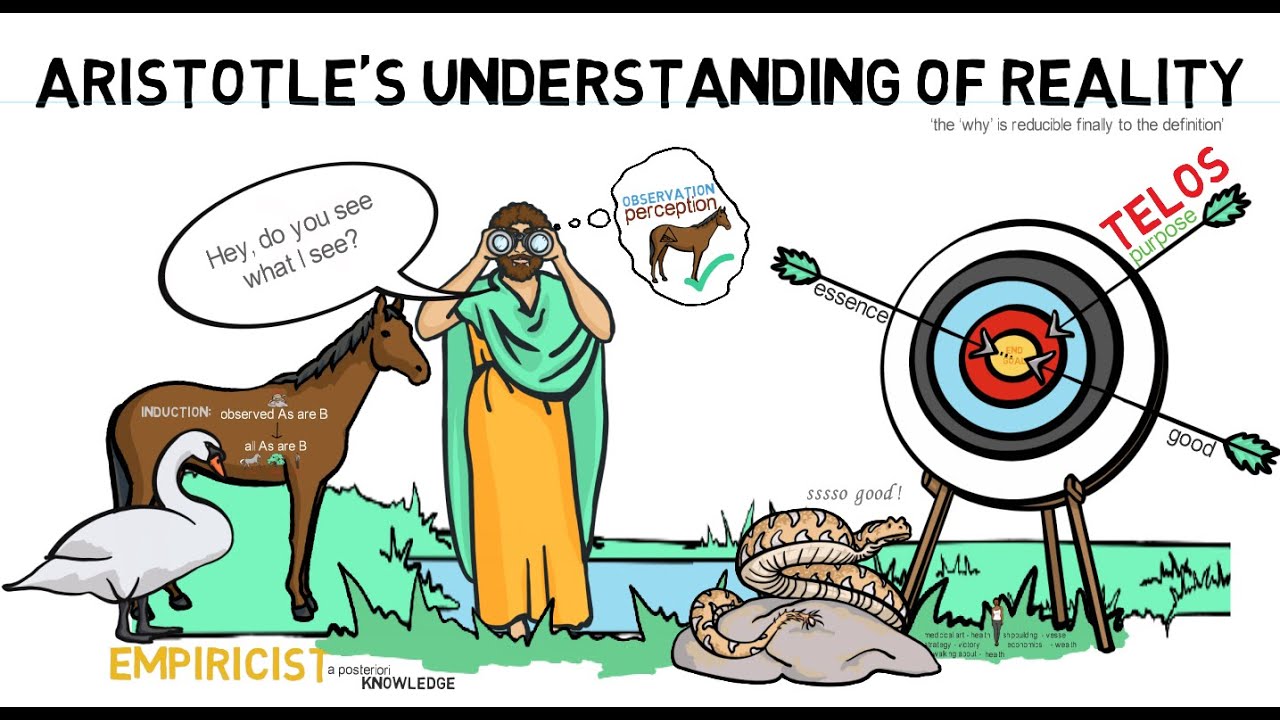
to absurdities as well like believing in the form of the bogey or the form of feces Aristotle was neither a realist like Plato nor a nominalist he argued for a middle way sometimes called moderate realism this is the idea that universals don't exist independently of physical particulars that are a part of the real existence of the particulars themselves they exist in the particular things for example the universal redness exists as part of the particular fire engine or Rose universals are part of the unique essence or nature of individual things determined by its four causes this
video has been brought to you by jest education thank you for watching and please subscribe to find out more