[Music] take one don't you see it was orille who buried the Crowbar in the Crypt not the leon burger don't you see it was Orville who buried the Crowbar in the Crypt not the leon burger what's a leon burger it's a big dog did you guys leave a window open when you recorded this you got a problem with that I'm doing a murder mystery only there's too much wind noise so we have to redo a key line but this isn't about Leon burgers or murder mysteries it's about signals and computers that learn but you knew
that from the [Music] title just for fun read it completely flat don't you see it was Orville who buried the Crowbar in the Crypt not the leon burger Brian King was an intern when he helped develop this automatic dialogue replacement program that fixes the wind problem and my purposely crummy read beautifully Brian software will make my voice match the original read exactly normally this would take you an hours to match and it still wouldn't be very good I heard that car scene take one and action don't you see it was Orville who buried the Crowbar
in the Crypt not the leon burger very impressive so what role does signal processing and machine learning play in this program so it's it's really a two-step process with the signal processing part we're taking these audio signals so your speech and analyzing it in such a way that we can figure out the important parts of the signal and then the machine learning part is aligning those features kind of every step in time the coolest thing is being able to do things that have previously been impossible to do and no one's been able to do before
it's a little bit like [Music] magic Brian told me about another application of signal processing and machine learning where instead of using sound waves they're using brain waves sin Jang is trying to tell the computer to move this arm brace using his thoughts what are you thinking about to make the arm move just grasping my hand grasping your hand and that allows it to bend yes he doesn't have to grasp his hand he just thinks about doing it there that's not him moving his arm that's the arm brace receiving his brain signal from the computer
Zin Yi yangong heads up this brain computer interface project why do you choose to use the action of grasping to move the arm Studies have shown that if you imagined a hand movement you it will create some very distinct changes in the EG signals and how does signal processing play into this whole thing first we can use signal processing methods to analyze the signals to look for specific patterns that occur when you perform a movement another very important application is to remove noise from from the brain signals the third one is to extract important information
from the brain signals the machine learning will try to distinguish different brain patterns you will be able to distinguish whether the person is imagining a movement or he is resting we can use this technology to help people with a limited Mobility uh to operate certain devices for example a prosthetic hand or a wheel chair or a computer if you can't use the keyboard you can use a this technology by using your brain [Music] signals there's another recent development that couldn't exist without signal processing and machine learning what do you do for fun Lee Deng and
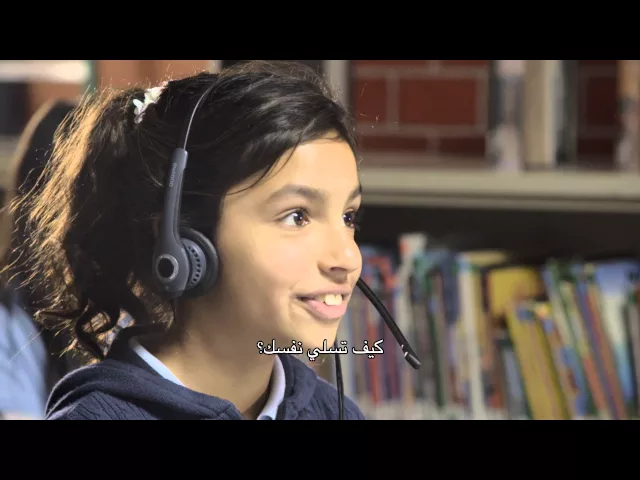
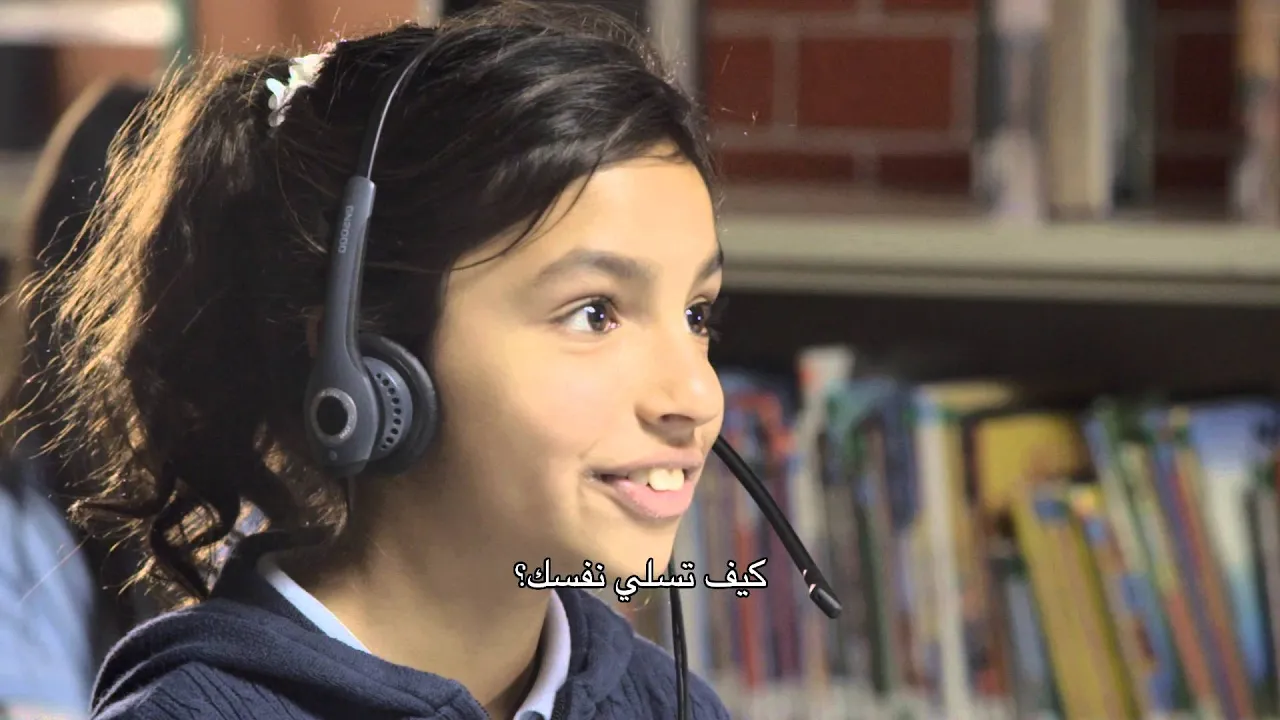
the team at Microsoft came up with this translator with this he spoke with me in his native mandrin what's been the biggest challenge in creating the Skype translator the biggest challenge is to achieve High Precision speech recognition and miss translation speech recognition is a key signal processing problem machine learning has been applied to speech recognition accuracy is greatly improved where in the world do you wish to travel to Russia and you [Music] everywhere in this translator and our other two examples signal processing algorithms processes and extracts information from data while machine learning algorithms recognize patterns
and make recommendations signal processing is prevalent in thousands of humanities tools like Cellular Communications financial markets Aviation radar Medical Imaging Robotics and digital videos machine learning is prevalent in a large number of prediction problem albums like weather forecasting games search engines traffic patterns social networks and recommending movies you'd like to watch or books you'd like to read everything in the universe can be described as a signal in the form of a wave vibrating Stars vibrating quirks even vibrating Leon [Music] burgers [Music]