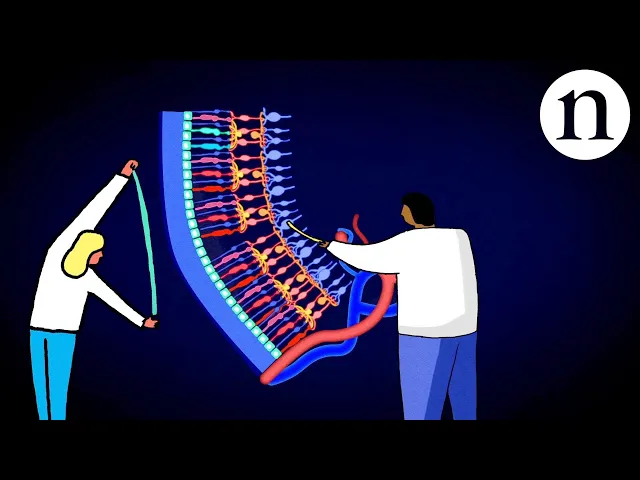
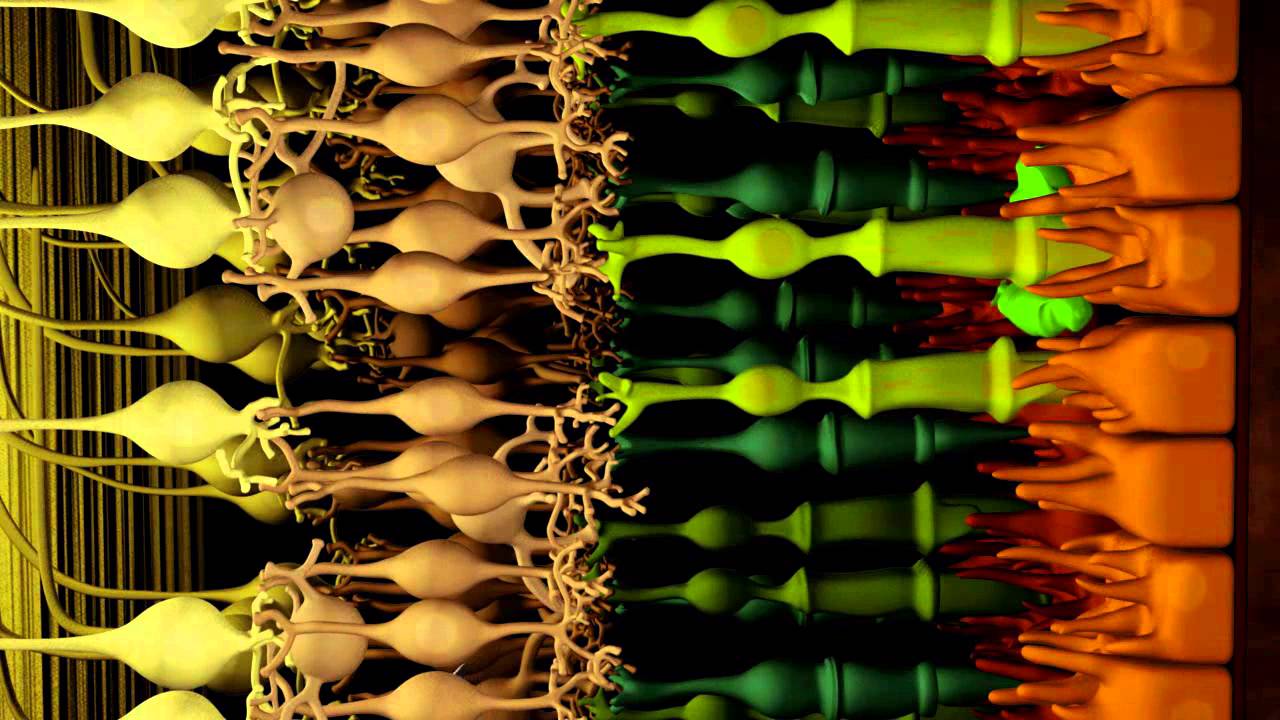
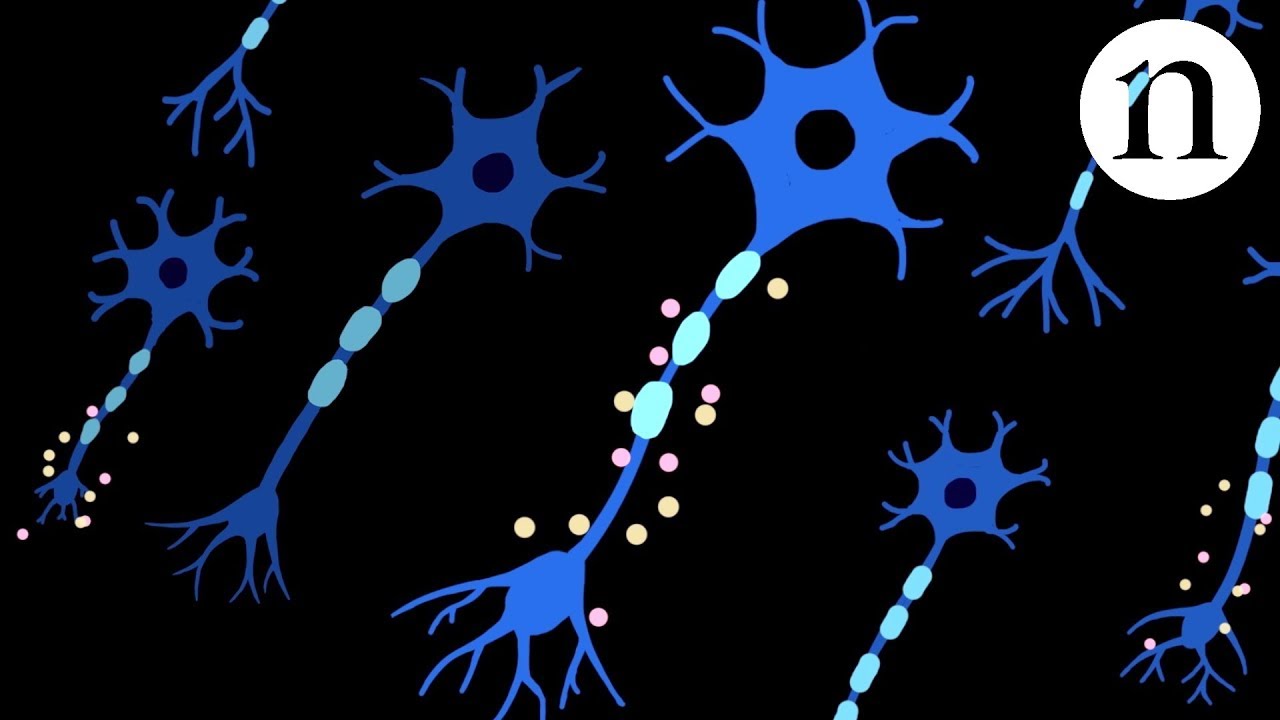
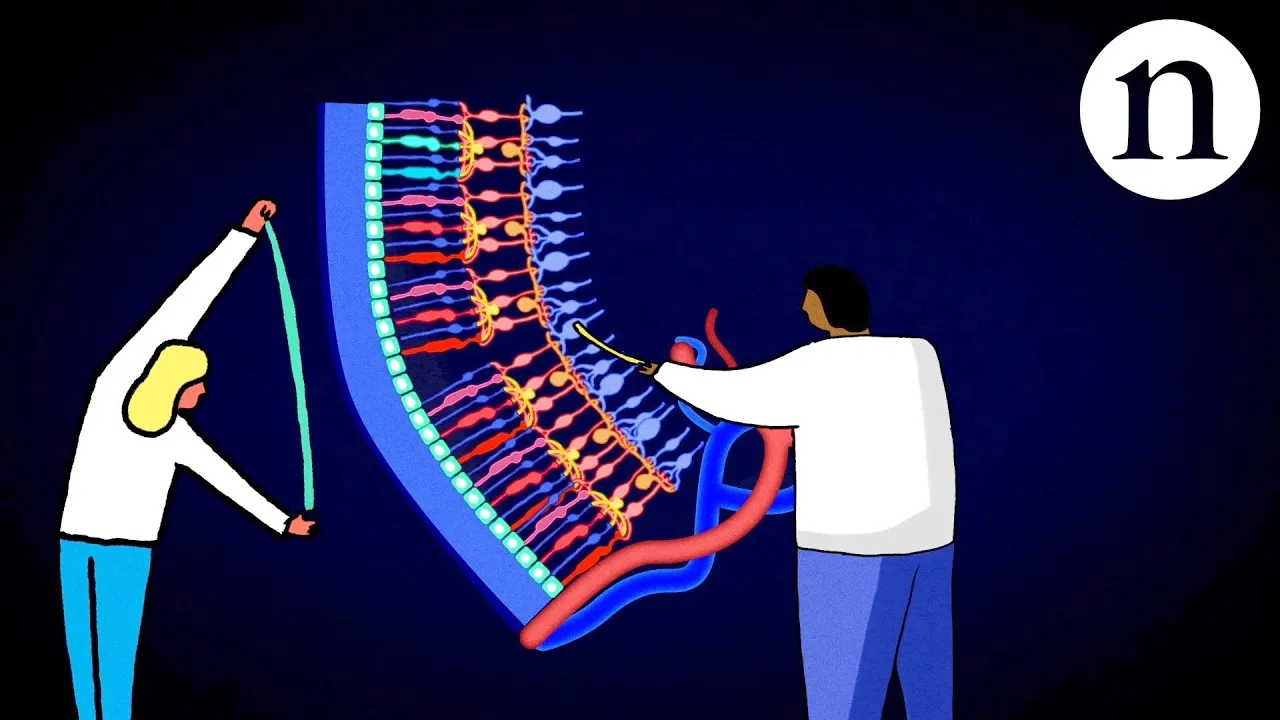
the eyes are our windows onto the world by far the most sophisticated component of the eye is the retina the thin layer of tissue at the back that converts light into chemical and electrical signals sadly it's estimated that by 2020 almost 200 million people will lose their sites because of diseases of the retina age-related macular degeneration or amv is the most common retinal degenerative disease and there is currently no cure the retina contains five distinct types of neurons which are wired together into one of nature's most bewildering circuit boards this circuitry is kept healthy by
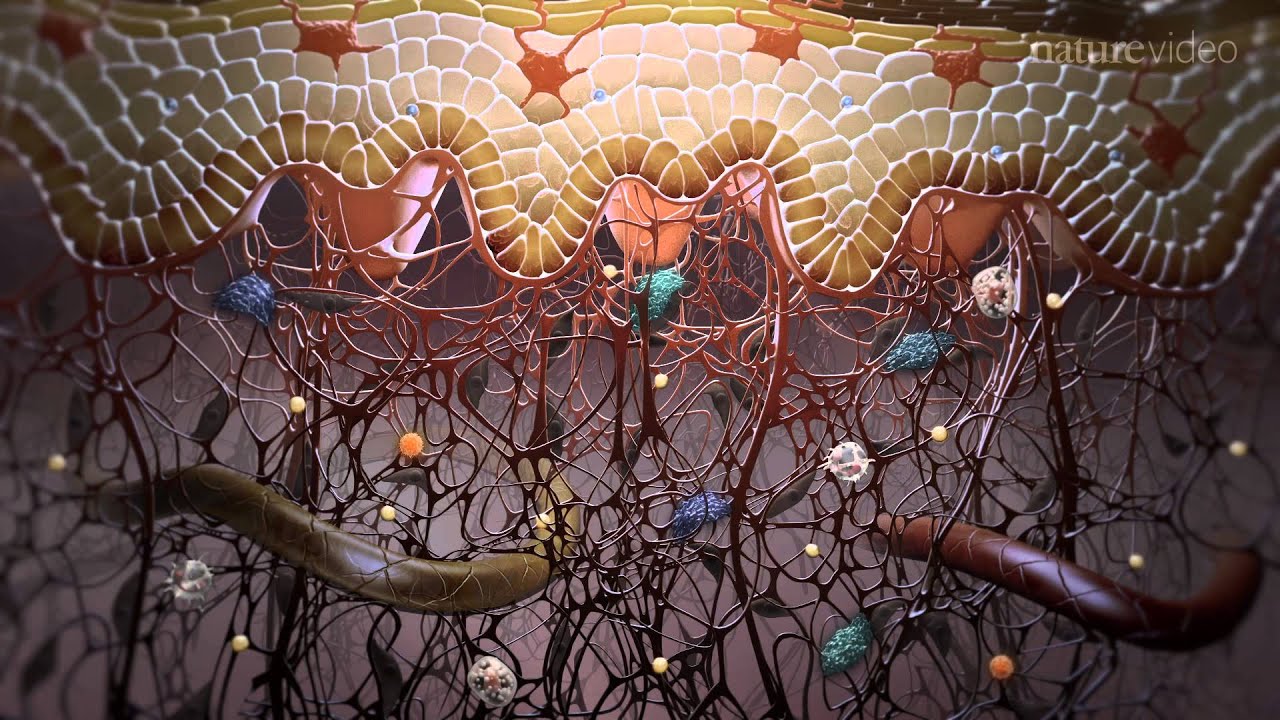
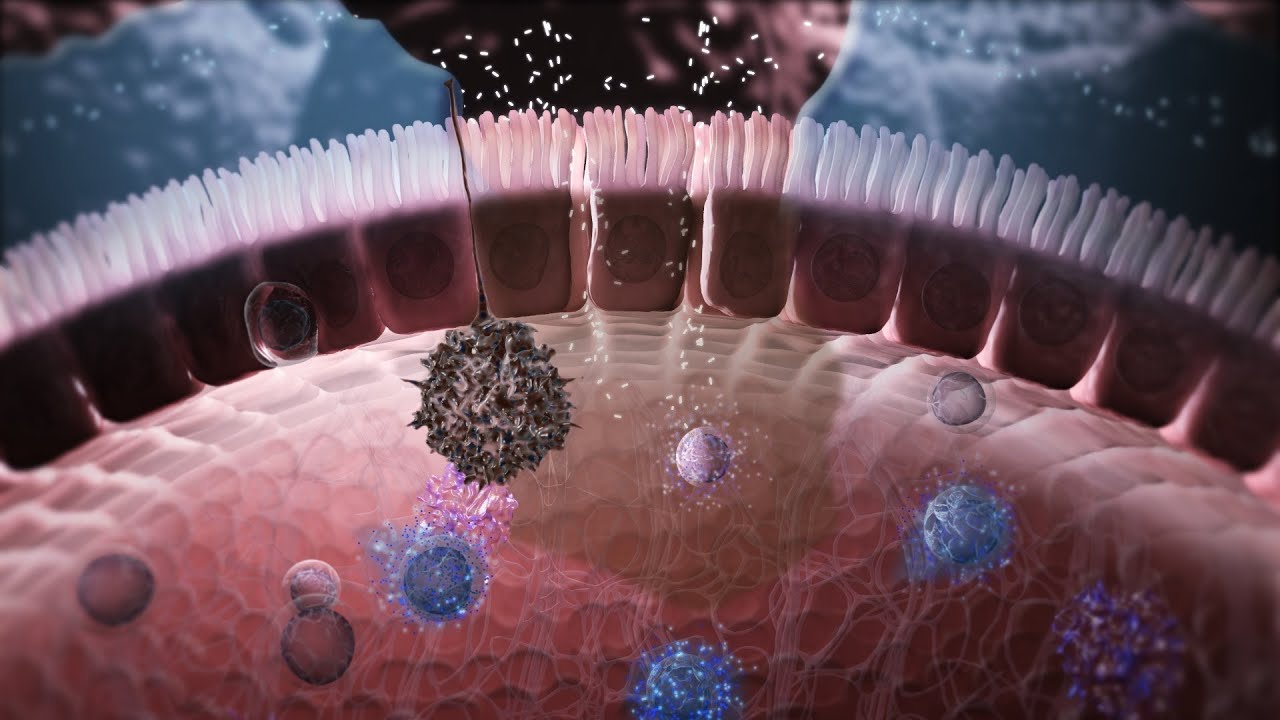
a thin layer of cells called the retinal pigment epithelium or RPE the RPE forms a honeycomb structure sandwich tightly between the photoreceptors and a basement membrane this RPE layer transports nutrients from the blood to the retina and hoover's up the toxic byproducts created by the photoreceptors as they react to light once these RPE cells are damaged they don't regenerate meaning they can no longer support the photoreceptors the macula is the part of the retina with the highest photoreceptor concentration when the photoreceptors here start to die detailed vision needed for tasks like reading begins to disappear
irreversibly over the past decade scientists have been edging closer to recreating parts of the retina in the lab the most advanced area of research involves replacing damaged RPE cells with new cells created from stem cells and there are two main approaches currently in clinical trials the first involves injecting a suspension of these new stem cell derived RPE cells directly into the retina this technique has worked in animal models and has been shown to be safe in humans but some researchers are doubtful about the ability of these free-floating new cells to organize into the tightly packed
well-ordered layer required to form a functioning RPE the alternative approach is to inject the new stem cell derived RPE as a fully formed layer clinical trials on for patients have reported some early success using these preformed sheets with two patients reporting improvements in their vision but larger trials are necessary while researchers are trying to perfect the use of sheets of cells in clinical trials for such as in the lab are making progress recreating fully formed 3d miniature retinas one day these mini retinas might be a one-stop shop for new transplantable retinal tissue and cells including
photoreceptors they might also make perfect models to examine how rare genetic diseases affect retinal development and could shed light on how individual patients will respond to drugs as our understanding of the retina and how to regenerate it comes into clearer focus therapies for diseases like age-related macular degeneration may soon be in sight [Music] you