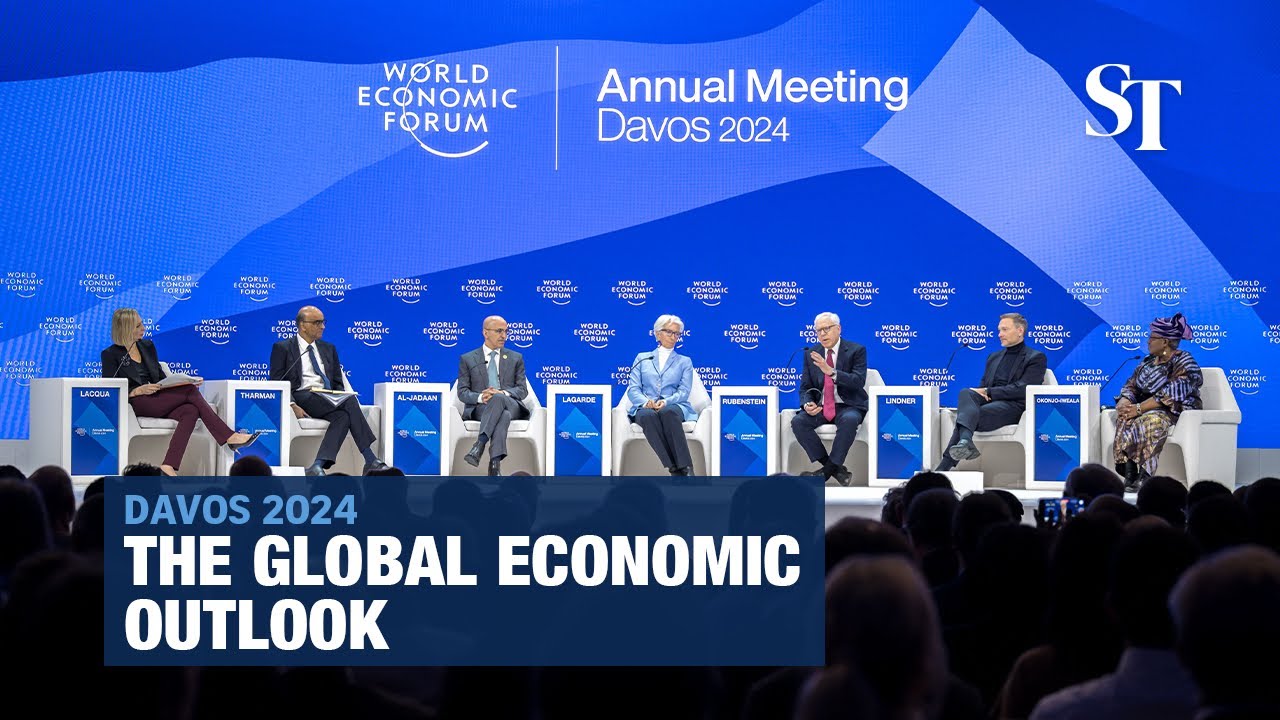
hello and welcome to this dw business special i'm rob watts and this week we're talking all about the future of globalization the world economic forum meeting in davos this year came with the usual messages about working together to solve the world's problems but this time round it also came against the backdrop of a fragmenting world the war in ukraine has forced nations to pick sides when it comes to trade often between the west and the rest i. e those countries unwilling to condemn russia for its actions what's more concern over chinese dominance has seen europe and the u. s take up a less cooperative and more competitive stance towards the asian economic powerhouse well to help us answer the question is this the end of globalization i'm joined firstly in the studio by dw's ben fazoulin he's been our man at the world economic forum annual meeting in davos and you're fresh off the plane as well from switzerland not all that fresh yeah we almost thought you were going to make it so we're very happy to have you with us we're also joined on the line by anahita toms from multinational law firm baker mckenzie she's going to be able to give us some insight into how world trade is changing thanks a lot for joining us anahita it's good to have you now i'll come back to our guests in a moment but first to explain talk of the end of globalization comes after decades in which the received wisdom has been that international trade leads to a more peaceful world well since the turn of the millennium we've seen countries cooperating on goods and services like never before in the year 2000 just have a look here global trade amounted to 6.
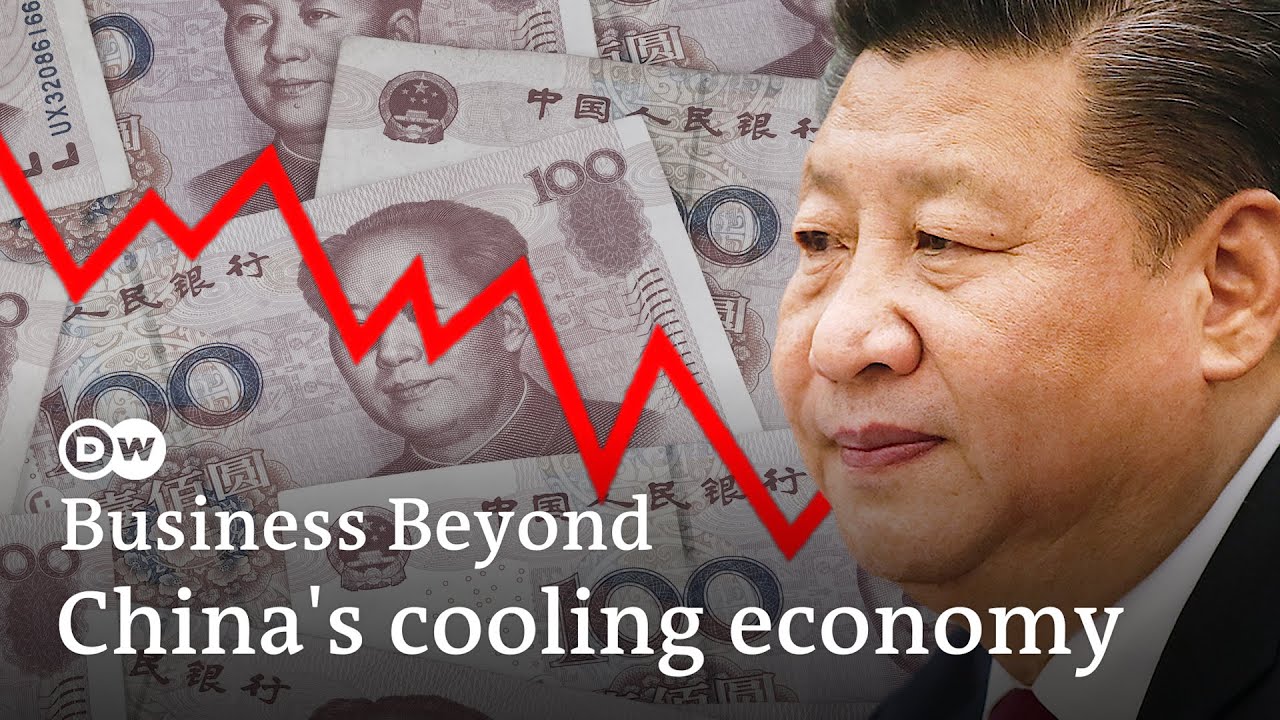
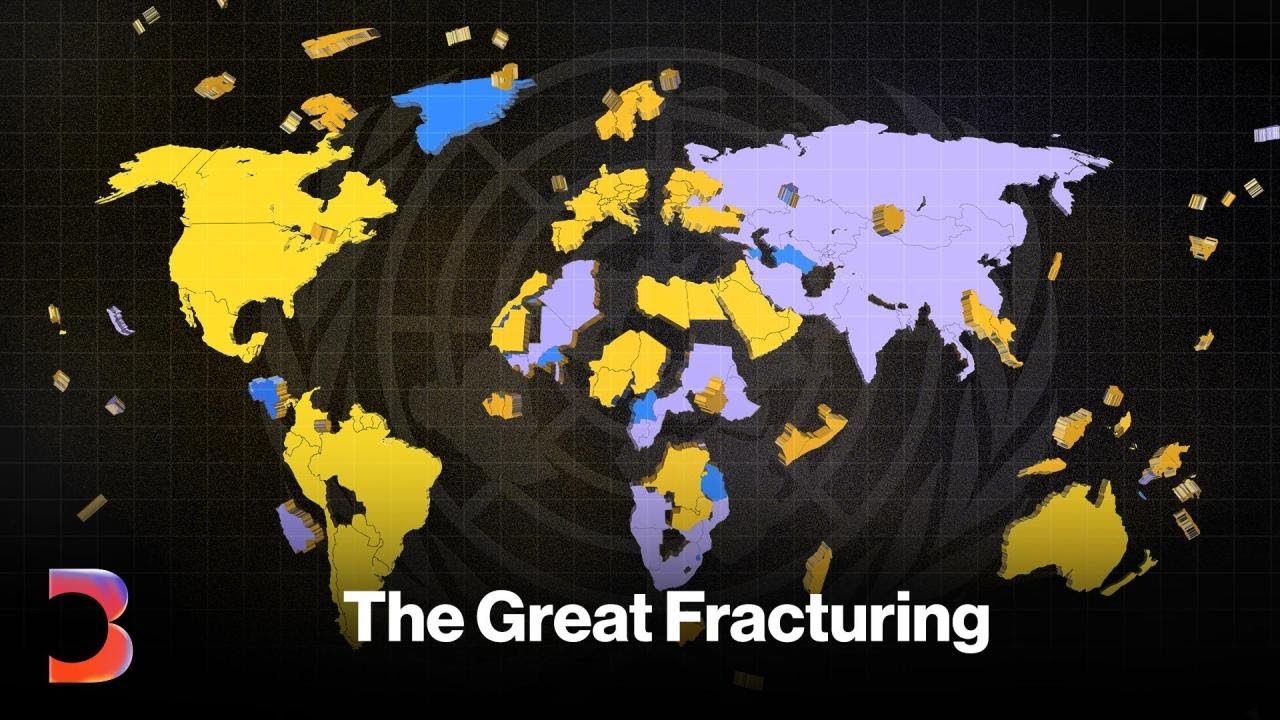
4 trillion u. s dollars but last year it was more than triple that at 19 trillion dollars even the coronavirus pandemic couldn't stop it hitting a record high so i'm going to begin by asking ben fazoulin here in the studio with me uh you've been at davos what's the feeling there is is globalization something that they're talking about or deglobalization perhaps more accurately this was a completely different davos to any other davos i've been to this was my seventh or eighth and every year it's about new partnerships trying to make globalization work trying to make a more global world despite all of the criticism that you get that it's only the wealthy who are who are benefiting from it in this case we've suddenly hit this point where everything's falling apart people are running around trying to do deals with this country in that country um and there was an urgency to this uh davos because of ukraine but also uh almost a a panic behind the scenes and i wouldn't say that we're seeing a deglobalization but rather a push towards a more sustainable globalization so de-risking of supply chains i spoke to one investor from zurich who said that we're too lazy we're too cheap and we don't learn russia had turned off the taps before as far as gas and ukraine go but it doesn't take a war or a pandemic all it takes is a ship getting stuck in the sewers canal to show that the system doesn't work yeah it's amazing that we have had all of these things just in the last couple of years is davos traditionally is it fair to say in a place where you're you're hearing pro globalization messages yeah definitely i mean that's where they've always said come on guys we've got to work together we've got to make this world a better place but that plan is not going to work anymore because of the way china's going because of what russia's done and also the economic side of things we've got to remember that china is no longer going to be giving us that stellar growth that the world has relied on for so long and this year we could see um china shrinking for the first time we could see the us outpacing chinese growth for the first time yeah we're going to talk plenty more about china during this of course and we'll also be talking great deal about russia as well but i just want to bring in anahita toms for the first time thanks a lot for joining us once again can you tell us whether you think that we are heading for a world actually where it's not so much about free trade between nations but actually where it's more restricted and more selective i would say that we are definitely more selective and we have to work towards diversification but globalization is not a thing of the past although the frontiers have changed and we're talking about geopolitical tensions but we have also seen a pandemic climate change and a question about our values our common values and because of these frontiers changing we really need to invest more into innovation we also need to invest more in resilience in our supply chain and this definitely includes diversification as well but i think we also need to have a very honest discussion because there are some products we cannot or do not want to do without and we can discuss about various products for example cobalt in congo and replacing specific products are is challenging and i would say the following because it was subject to various discussions in the past few months it is important to keep in mind that withdrawing from critical regions is not always the solution there are factories that would have to be closed because clearly there are you know handled under very bad conditions but our responsibility is to help local communities get better because what is clear too that many people are dependent on their incomes and if western companies just leave that can have major impacts on the local community community so i would echo that what we need to do is to work towards a more sustainable trade relationship and that includes having honest discussions i think that also includes not just uh companies because companies have been you know working out that their customers and their workers want to work for a company or be involved with a company that has values and has morals but it's also governments you know government's choices with whom they're going to work and to trade deals this is something i do want to talk a bit about actually which is how much government should be taking into account the ethics of the the places in which they want to invest and to trade i actually want to just hear a sound bite from someone from from davos so the war in ukraine has obviously brought about a massive shift in global trade the west and its allies have begun to isolate russia wherever it isn't too self-destructive to do so so just have a listen to director general of nato jens stoltenberg speaking in davos trade has brought a lot of prosperity and wealth to all of us but the problem is that it has a price because some of this trade some of this economic interaction with authoritarian regimes is undermining our security and then we have to choose security instead of vulnerability and overreliance on authoritarian regimes so this idea that you know we should free trade in natural gas meaning we can buy as much gas from russia as you want that's wrong it's dangerous yes ben is that a message that you were hearing while you were there that you need to be more selective or western nations you need to be more selective about who they trade with well more multinationals we're already seeing this pulling out of russia we just had starbucks was the latest more multinationals are pulling out of china as well there are reports that apple could be which would be very interesting and uh the west is likely to become a warrior importer of chinese goods at the same time china is looking at becoming more self-reliant and we've heard that time and again over the the past years from xi jinping and uh just this week as well actually you mentioned china because that is something that we we do need to talk about because europe is heavily reliant on china for all manner of technologies particularly future technologies and those associated with decarbonization just have a look here when it comes to electric car motors the eu imports 65 of its raw materials just look here the country also accounts actually for 54 of turbine components and it's not just in europe's clean energy sector where we see domination from china there's a key component of solar panels it's called a polysilicon and over the past decade china has increased its share of the global market to achieve almost total domination on that front um i just want to bring in anahita toms again on this one anahita is the idea of trying to change countries through trading with the vandal door candle that uh germany in particular has sought to espouse over the years is that is that something that's been shown to have failed i get this question all the time to think that trade interest would lead to an export and universal adoption of the western democratic model everywhere in the world has always been a wide-eyed approach if you look at the democracy index you you are aware that one third of the world's population lives in dictatorships still this being said to think that one has no influence on a country where you have entrenched trade is also incorrect i would say it is a nuanced analysis that we need to have and and again an honest discussion although the expert of the democratic model has not been effective in some countries economic relationships have influence and also influence on political decision making but also particularly on living conditions of local communities and we also have to take into account the positive examples if one regards nato and the eu historically these countries as you are very well were often at war and through interdependence and deep trade ties the platform for dialogue continuous dialect was created of course there are common values here but i think just because not everywhere we were quote unquote successful i think the underlying mechanisms of international cooperation and also through mechanisms like um the wto we can uh trigger change and i think also when you look at how how quickly can things actually change i think it is also an investment in time and i just want to reiterate just because in a few cases it didn't work it doesn't mean that through trade we cannot positively influence europe has tried to hang on to that idea of being able to work with china rather than against it for a little bit longer at least in the united states i want to play you another clip here secretary of state anthony blinken from the united states and he's made it very clear that the u. s sees china's increasing dominance as a threat and one that even surpasses russia even as president putin's war continues we will remain focused on the most serious long-term challenge to the international order and that's posed by the people's republic of china china is the only country with both the intent to reshape the international water and increasingly the economic diplomatic military and technological power to do it beijing's vision would move us away from the universal values that have sustained so much of the world's progress over the past 75 years then decoupling from china is uh a phrase that we've heard a lot decoupling was a bit of a buzzword in general and and regionalization localization uh all things that were talked about an awful lot at uh davao so we entering a more fractured world definitely and i would call it a disentanglement and regrouping because it's not just uh it's a two-way road here china it's heavily reliant on so many of its geopolitical rivals uh so taiwan um as far as uh products go it's aerospace industry it's like 98 reliant on on foreign help as far as that sector goes uh but also foreign expertise so germany japan south korea singapore um it's going to be complicated and we're entering a very complicated stage i think in in globalization and it's going to take a lot of like i said before behind the scenes work and i saw that as far as the oil sector went uh when i was in davos with a lot of people heading to the saudi arabia house including israel including germany including all of these big countries that are trying to fill the gap because it takes time as we heard from our guests um yeah they're playing catch-ups somewhat as well they are and it's an urgent situation because germany's trying to weed itself off oil by the end of the year and gas as well at some stage yeah there's been a real sort of swing that they've had to go through in the past few months and and maybe some of this was predictable certainly the united states would tell the germans yeah the germans that they predicted some of the problems they're currently having but speaking of the united states that's the world's you know biggest economy it's undoubtedly going to play a major part in whatever world emerges in the coming years so let's hear from dw's financial correspondent in new york jens quarter there is a lot of talk in the united states as well if we might be seeing the beginning of the end of globalization at least as we knew it in the past a couple of decades the term deglobalization might be a bit misleading because what most economists see is that we won't see at the end of international trade but that the united states for example is trying to cut the dependence um on the supply chain especially from south east asia there are terms like near shoring so for example that you try to bring a production closer to the united states for instance or the head of the treasury janet yellen she phrased it recently with um friendsharing so meaning that you try to bring production to countries that are friendly to you i mean that could for example in the case of the united states be mexico or um other nations and then we had see already some trend in the fashion industry to bring some production um closer to the united states to middle america for example countries um like guatemala or um honduras and bringing some of the production at least back um from southeastern asia and we've seen it not just what's happening with the war in the ukraine with the supply chains from china but also if you think back what happened when the surest canal was actually blocked so how vulnerable those supply chains are and that's why near shoring or french shoring might be a trend for the future jen's quarter in new york was friendshiping was a new one for me there uh anahita toms we were hearing the point of view from the united states there on what the future looks like is europe on the same page i think that the us and the eu are once again converging on global trade questions we had our own trade wars as you recall i would say that under president biden the u.
s is now again committed to the partnerships with friends and allies like germany like the european union and we are also seeing again a multilateral trade policy we're seeing negotiations we see the trade and technology council meetings in paris developing quite well where it's about strengthening trade and and labor dialogue as well as focusing actually on common values like um labor issues like human rights but also we're seeing that the us and is is getting back on track on um overarching common ambitions like climate change issues so i would say um that there is of course protection there is of course the bi-american wording that that president biden still uses and he will constantly defend u.