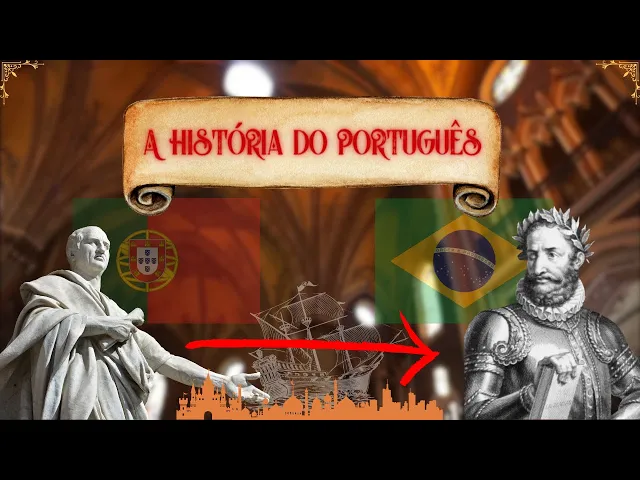
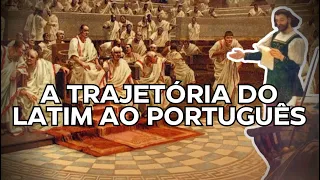
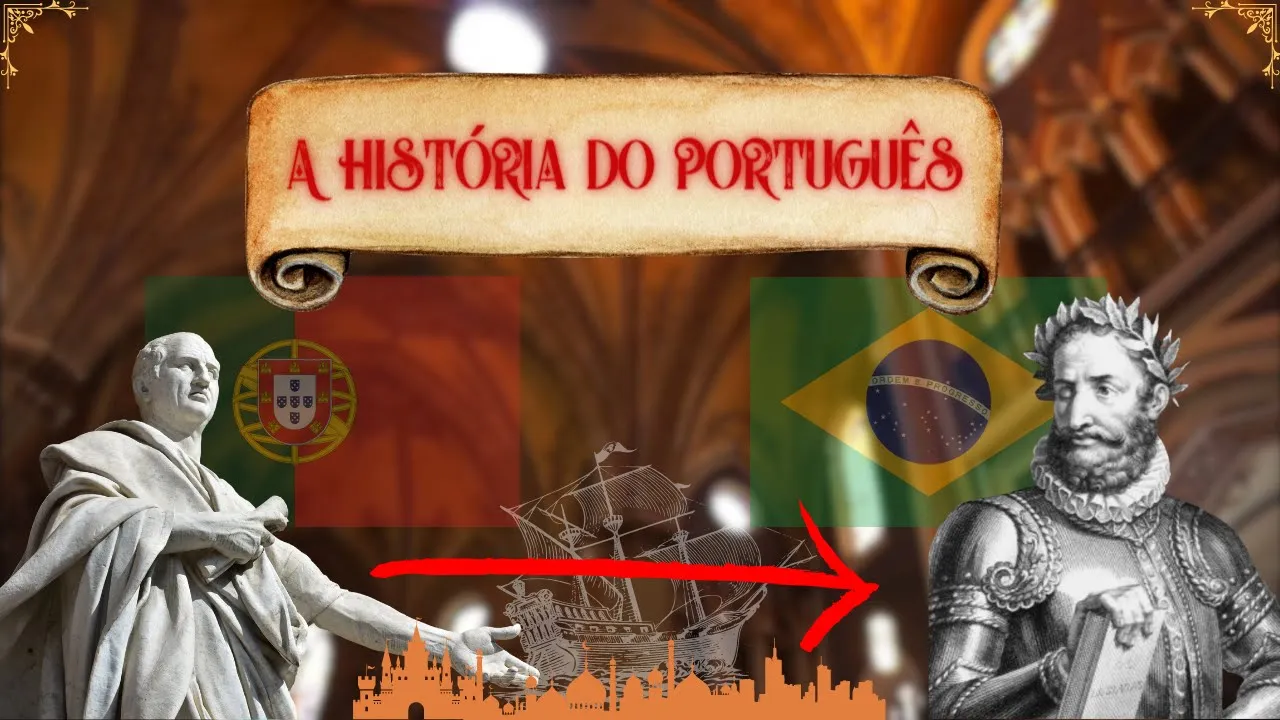
Oh, family memoirs, everyone has at least one, good ones or bad ones; ye know, languages are so alive that even they have families, and today I shall tell you the history of the family of this language that I am speaking, I shall tell you the story of portuguese. Ye probably heard that portuguese comes from latin, and it is true, but where does latin come from? From any where around this region, four thousand years BC, came our mother-tongue, the proto-indo-european, and it is from this language that came english, portuguese, polish, hindi, persian, all these languages, (see the description for a full tree ;)) and it works exactly like in biology, it is a cladistic stuff where a language evolves and becomes another.
Anywhay, it is because of this people that we call *indo*-european, now coming *back*. Then, proto-indo-european started to divide and split in various dialelcts, including one spoken in the Italian Peninsula, which generated the proto-talic, a language that later generated the oscan-umbrian and the latin-faliscan, and this last one generated our dear latin. The latin language spread in Europe through the romans and came to the Iberian Peninsula, where they found celtic peoples and a very interesting folk called the lusitanians.
The lusitanians, then, started to use latin and, as time passed latin became vulgar latin (which is cald "vulgar" for linguistic prejudice that I shall tell you in a later video). After the Western Roman Empire fell, various "barbarian" tribes came from the north, including the suebi and visigoths, that are germanic peoples and started to spread some words of their language in latin, including the word "ganso" (goose), the word "guerra" (war) -- they have a germanic origin. Also, a new way of creating surnames was introduced, by saying "son of.
. . ", so Fernandes, son of Fernando; Álvares, son of Álvaro; Nunes, son of Nuno etc.
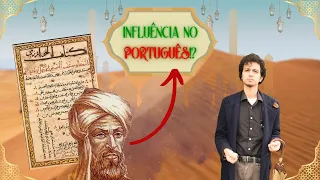
From the year 711 an arabian invasion started in the Iberian Peninsula and lots of arabian words, because it was a very long occupation, they stayed until the XV century. And words entered, especially the ones that start with "al-", like "algema" (handcuff), "almofada" (cushion). .
. "açúcar" (sugar), even though it doesn't start with "al-". .
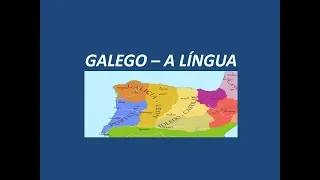
. Then, we arrive in the middle ages, the period of galician-portuguese (or medieval portuguese, or old portuguese). And, from the will of Alfonsus that said: "Eno nome de deus eu, usei rey don Afonso, pela graça de deus rei de Portugal.
. . " we started to call the language "galician-portuguese", and I shall make a video about it, it is very interesting, it is very worth it.
The language had a high lyrical prestige and, in prose, we have stuff such as the "Demand for the Holy Grail" of king Arthur. The language continued changing and by around the XV century, we call it modern portuguese with Camoës etc. With the portuguese expantion through the sea, the portuguese language spread through the globe, from Brazil, passing through Africa, to Macao in China, and lots of dialects exist today, like the "mineiro" and the "lisboeta", each one with its own particularities.
And now we have a tongue with many mutually intelligible dialects all around the world. And, if you can understand what I say, like this video, share it, follow us on social media, comment any doubt you have, and farewell.