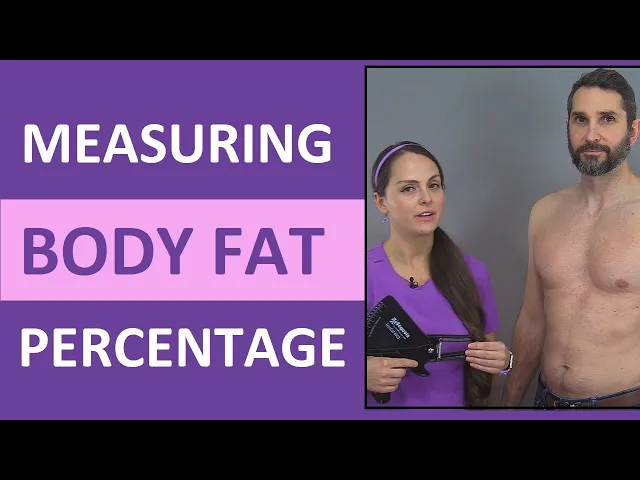
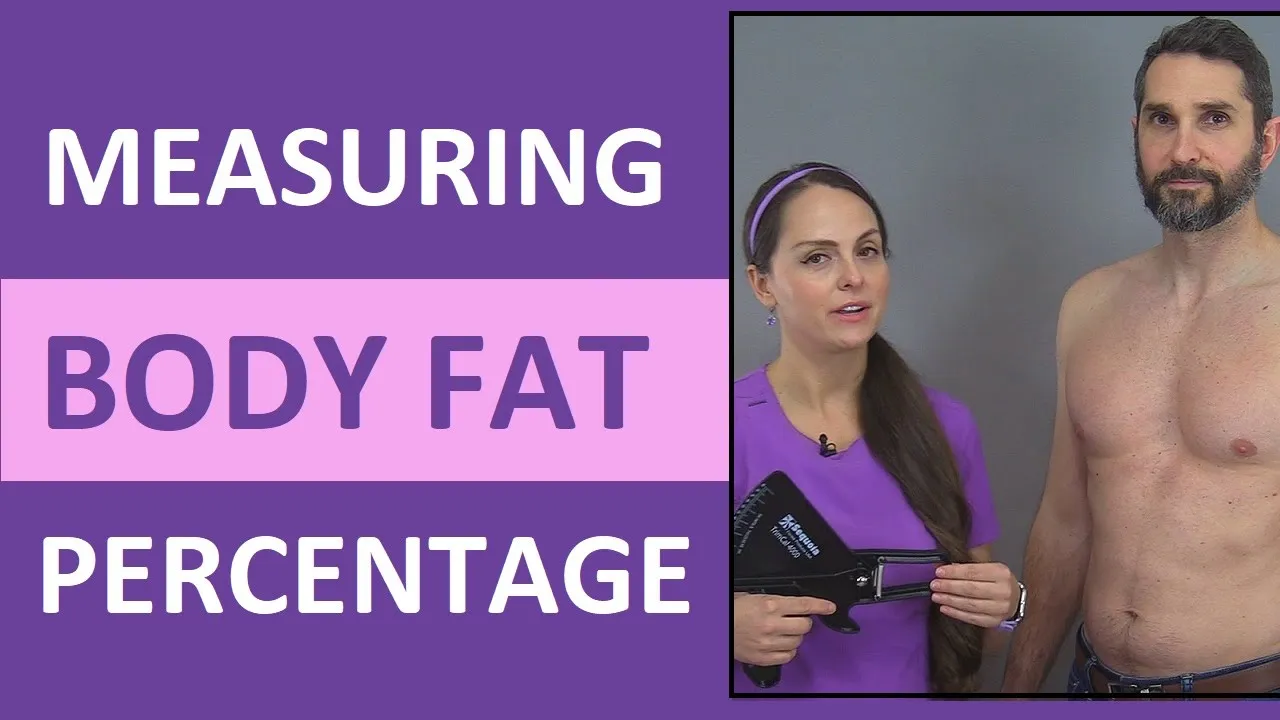
Hey everyone! In this video, I want to demonstrate how to measure body fat percentage on an adult male using skin fold calipers, which are going to measure the skin fold thickness at various sites on the body. The skin fold thickness measurement is part of the anthropometric measurements we assess, such as height and weight, and so forth.
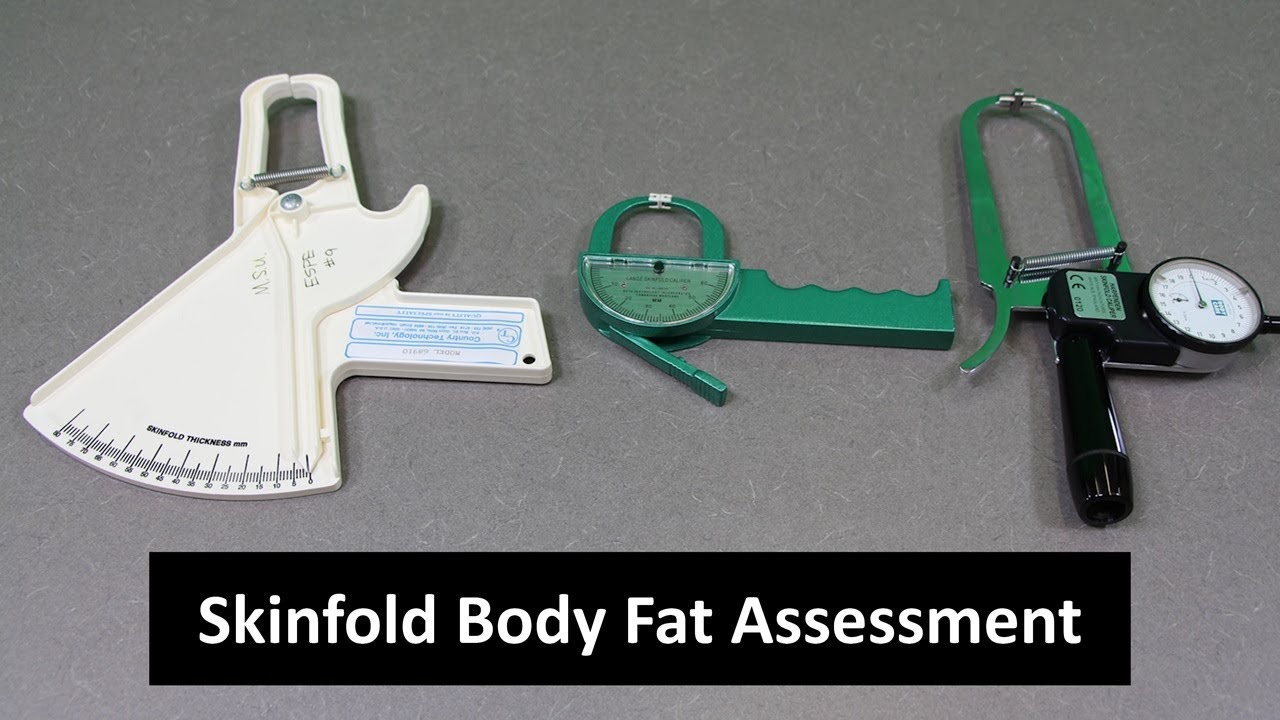
To perform this nursing skill, you're going to need some skin fold calipers, and here we're using some inexpensive calipers that we purchased from Amazon. Additionally, you need some materials to record the measurements that you get, a calculator, and a reference chart to determine the body fat percentage based on your measurements. To measure body fat percentage, there are various methods you can use, and in this video, I'm going to show you how to do the one-site, three-site, and seven-site methods.
Now, let's talk about how to use skin fold calipers. Whenever you're using these calipers, you want to make sure you refer to the manufacturer's instructions on how to use them. However, here are a few general tips that you want to keep in mind as you measure.
First, people often wonder how much skin you should pinch together. Well, you want to create a space of around three inches between your index finger and your thumb and grab the skin at that width. As you pinch the skin together, remember that you only want to fold the skin and the underlying subcutaneous fat in that area; you do not want to actually pinch the muscle.
If possible, while you're collecting these measurements, you want to use the right side of the body. Now, as you fold the skin, position the calipers around one centimeter under your finger and thumb. You want to place the caliper heads near the center of the skin fold as much as possible.
The caliper heads should be perpendicular to the fold that you create, and you want to make sure that you allow the caliper heads to adjust for a couple of seconds onto the skin fold before recording the measurement. When you record the measurement, make sure that you record it to the nearest millimeter. For increased accuracy, take three readings at each site and then average them out.
Lastly, always be sure that you clean your calipers and perform hand hygiene before and after doing this measurement test. First, I want to demonstrate a common method we use in nursing known as the triceps skin fold thickness measurement. You want to make sure that the patient's arm is relaxed and at their side.
Go halfway down the back of the arm and then pinch that skin together into a vertical fold, pulling it out gently. Use the same method discussed earlier to obtain the caliper reading to the nearest millimeter. Now, I'm going to demonstrate a method that uses three sites, known as the Jackson-Pollock three-site method.
It uses the chest, the abdomen, and the thigh to measure the chest skin fold thickness. Grab a three-inch portion of skin halfway between the nipple and the armpit and gently pinch it into a diagonal fold. Use the same method discussed earlier to obtain the caliper reading to the nearest millimeter.
To measure the abdomen skin fold thickness, grab a three-inch portion of skin around one inch to the right of the belly button and fold the skin into a vertical fold. To measure the thigh skin fold thickness, grab a three-inch portion of skin about halfway down the thigh and pinch it into a vertical fold. Finally, I'm going to show you the seven-site method by Jackson-Pollock, which uses the triceps, the chest, abdomen, and thigh in the same way I demonstrated before, but you'll also add the subscapular, suprailiac, and mid-axillary locations.
To measure the subscapular site, grab a three-inch portion of skin just under the shoulder blade and gently pinch it together into a diagonal fold. To measure at the suprailiac site, palpate to feel the top portion of the hip bone, which is called the iliac crest. Go just above that and grasp a three-inch portion of skin into a diagonal fold.
Finally, to measure at the mid-axillary site, pinch a horizontal fold below the armpit and measure using the same measuring techniques as before. Once you've recorded and averaged all your measurements, you're ready to calculate your body fat percentage. How you calculate it will be based on the method you used, as it will use a specific calculator, chart, or formula.
As an example, the calipers I used actually came with a chart, and it recommended that I use the three-site method. So I took those measurements, looked on the chart, and it told me based on the patient's age and measurement what the body fat percentage was. Here were my patient's measurements for the chest, abdomen, and thigh.
I added the average for each of these sites, and it gave me a total in millimeters. Once I looked up his age and that corresponding measurement, I was able to see that his body fat percentage using that three-site method was this percent. Now, if you're using your facility's charting system, it should automatically calculate that score for you once you enter the data in the required fields.
Finally, if you do not have a chart, you could use various body fat percentage calculators online that are free to use, such as the one from linear-software. com. They have a calculator for various methods, and all you have to do is enter your measurements.
I will then tell you your estimated body fat percentage, and here are the body fat percentage ranges for men and women according to the American Council on Exercise. Okay, so that wraps up this video on how to calculate body fat percentage for an adult male. If you'd like to watch more videos on this topic, you can access the link in the YouTube description below.