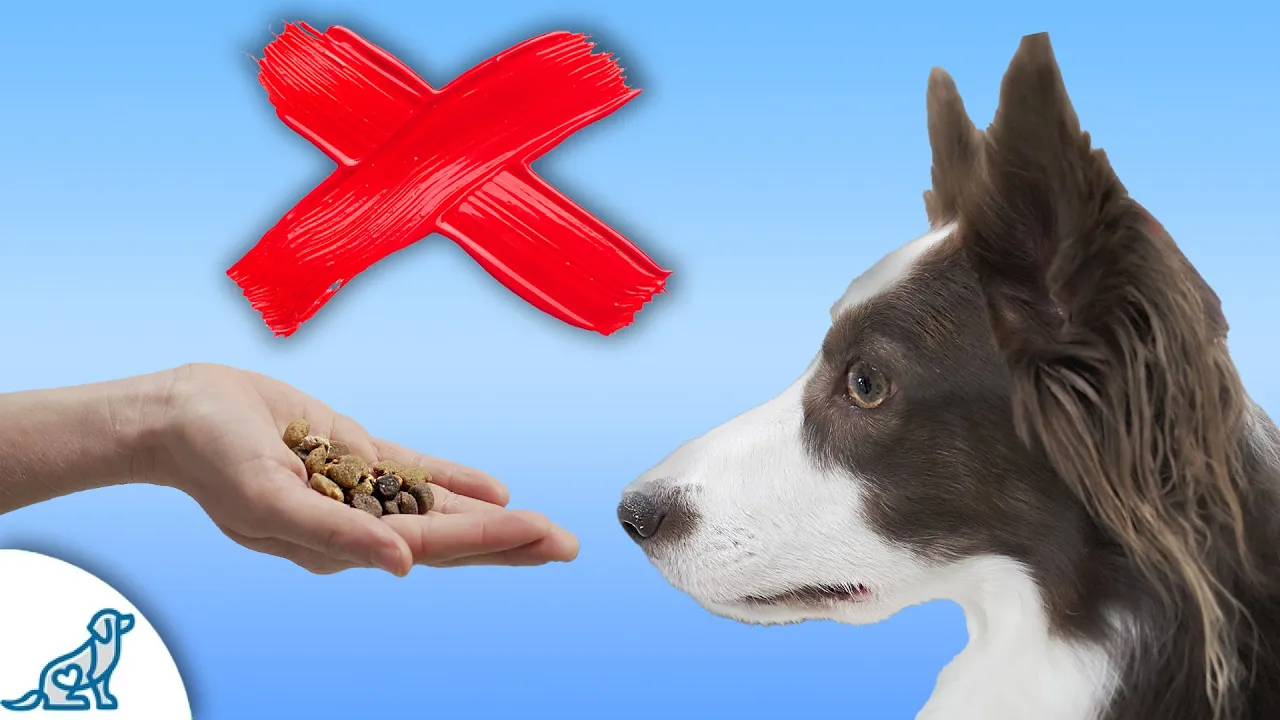
I've read the comment section and I know many of you are concerned about how many treats we use when training our young puppies I'm going to break things down for you today so that you understand how to train using treats what treats to use and most importantly how to ensure you don't end up with a fat puppy I'm instructor Meg welcome back to Mand [Music] dogs so you've brought your new puppy home and you've been told that you need to feed them three meals a day breakfast lunch and dinner but in addition to that you're
now watching all of these training videos where you see treat after treat after treat being given to these young puppies how can you possibly give them all of the food that they need to be healthy but then also use all these treats to ensure that you get a well-trained dog most of the time when I start teaching a new skill to a puppy I'm going to be doing that in a very low distraction environment when I do that training I'm actually using their meals to do so if I feed them say for example a cup
in the morning I'm going to be taking at least half of that food and before I even give them that meal I'm going to use those treats or those pieces of kibble in order to train them those skills so I take that food put it in a container put it in my pocket and that's going to be with me for that morning training session that ensures that I am using the food that they were already meant to have I don't use any high value treats when I'm working at home I'm going to teach the puppy
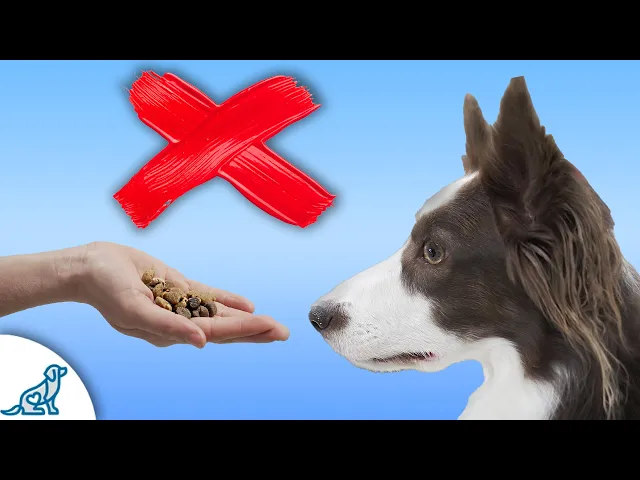
to work for their food one of the biggest problems actually that we see with a lot of puppies is that they're of offered really high value treats early on and then they learned that they don't really want to work for their kibble they don't want to work for their food what is a high value treat and when might you use that I'm going to be using different treats that I usually prepare for my dog maybe that is some cut up chicken some steak a little bit of leftover sausage from the dinner the night before you
may even buy some high quality treats from the pet store that you feel comfortable giving to your dog I'm going to give those when I really really need to capture my puppy's attention when the distractions are tougher maybe I decide instead of training in my kitchen I'm going to train my new puppy in the backyard there's lots of sights and smells and sounds that puppy is going to be very distracted in that case I bring out the big guns I bring out the cheese the chicken wieners whatever it is that I need to use to
capture my dog's attention we often talk about using a hierarchy of treats in our training we're going to use the lower value treats like their meals in those lower distraction environments but that's not going to cut it when things get tough so often we do use those higher value treats when we really need some help I'm not going to do that over and over and over again I save those treats making sure that they only come out occasionally when I need to get my puppies Focus the other thing that I always consider is that if
I'm giving those extra high value treats I might even give a little bit less of their food so if I use those treats I take away a little bit of those meals breakfast lunch dinner whatever is required one of the easiest ways you can tell if you are overfeeding your puppy is if they're no longer interested in the food that you're offering them so if you do say a 20-minute training session then you go to give your puppy the rest of their breakfast and they're not interested chances are they're no longer hungry take that food
away after 5 minutes and do not offer them any food again until their next meal we're not going to leave food out for the puppy to graze anytime they like they to learn to work for the food that's offered to them the other thing that might indicate that your puppy is getting too many treats is if they feel a little bit chubby we've talked about that in previous videos as well I should be able to see a nice tuck in my puppy's uh stomach they have an hourglass figure and I should be able to feel
ribs without pushing too hard on their ribs I know it would be so much easier if I could tell you exactly how much to feed your dog while you're doing all of this training but you need to train the dog in front of you when I train this dog he gets most of his meals directly from my hand because if I fed him his meals and then tried to train him on top of that he wouldn't be able to consume anymore this dog might get a little bit of her food in her dish but most
of the training again comes directly from my hand no matter what though I am picking rewards that create enough of a drive for my dog to do the behaviors that I want with all of that said just so you know treats aren't forever we are going to use treats early on in training to create value for doing things that we want the puppy to do if I have me versus a piece of steak with an eight week old puppy pretty much every single dog is going to choose that piece of steak my goal in training
is to teach the dog that doing things for me is just as valuable as that food but that's not going to be a natural reaction to most dogs eventually our dogs learn that they like to do things for us it's rewarding to sit when we ask them to it's rewarding to bring things back to us when we ask they're going to eventually work for our praise our touch we even use a lot of toys and training but those things are not all inherently going to be valuable to your dog when they come home as a
baby puppy so that's where the food comes in but it's not forever as I mentioned we often find that we need to feed over and over and over again when they're learning a new skill once that skill is established we can reward occasionally or sometimes we reward their biggest efforts or their best job but most of the time we simply praise them we talk to them touch them we play with them and those dogs really want to work for us this is because all of the value from those treats has been transferred to doing things
for us and working with us I understand that it's very difficult to figure out when do I feed when do I praise when does the dog need a little bit more help when do they need those higher value reinforcements this is where we come in as trainers I love to support students to figure out when the dog needs a little bit more help when you can step back when the treats are necessary or when your praise is going to get the job done these are things that we cover in our online training our puppy Essentials
program and our life skills program we want to coach students to the point that they know very clearly when to feed when to praise when to pull out the big guns and how to get the most out of their dog to get the job done we want to take the guesswork out of dog training if you're interested in joining us for inperson or online programs check out Mand do.com why would you want to make your life more difficult with without using food there's absolutely nothing wrong with rewarding a dog for a job well done would
you ever want to go to work and not get paid for the work that you do absolutely not the dog doesn't want you either so give them what's valuable to them and then as they realize that doing the work for you playing with you engaging with you is fun you can feed less and less food because then they recognize that the entire training process is exactly what they want to do as well make it so that they understand that every single time they interact with you good things happen but then the transfer is from food
to your relationship that's one of our biggest goals in dog training to make it so that you become the cookie you become the reward but that's not going to happen without making sure that you reward all of those good efforts along the way if you don't the dog might choose their own path which might not even involve you at all if you want to know what the best treat is for your dog check out this video right here and on that note I'm instructor Meg happy training