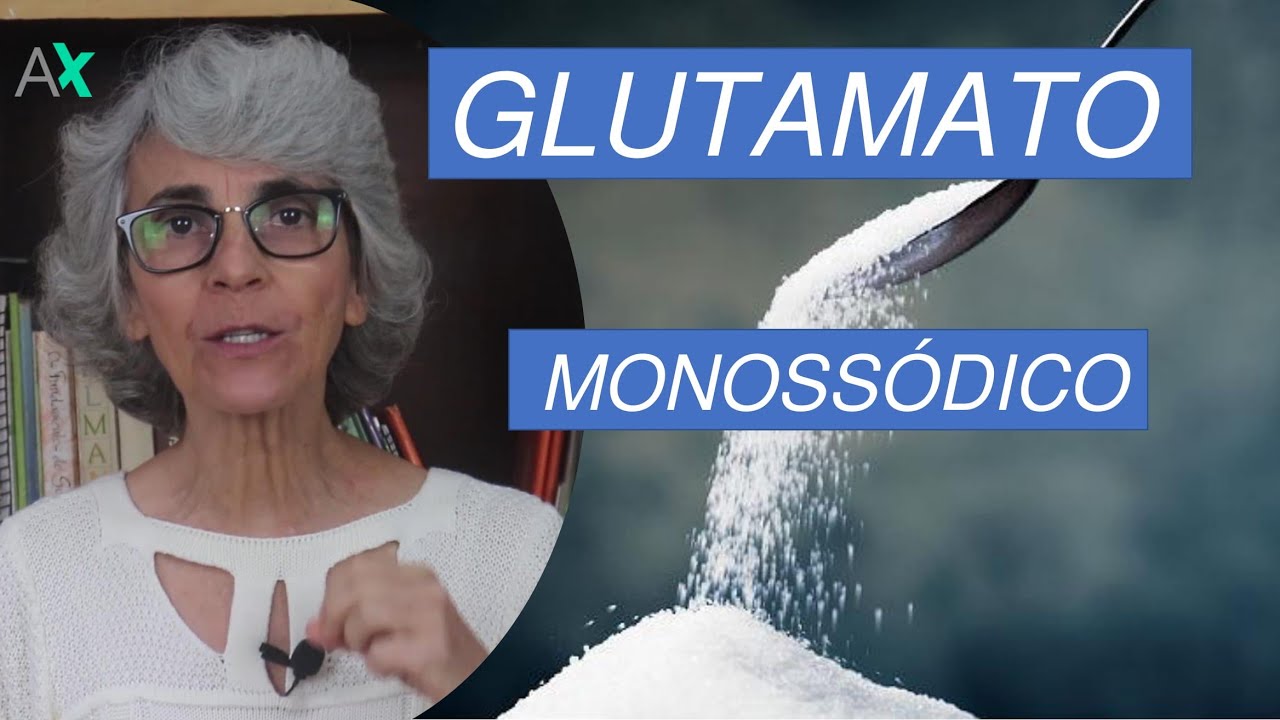
Hi, how are you? Today I want to talk about a subject quite controversial it's about ajinomoto or monosodium glutamate, for that I studied quite read enough, especially had aid of this book Dr Denise Carreiro, Food and Behavior Disorders and had also aid this book Koji Alchemy is a book that teaches about soy fermentation and everything. Are you already subscribed to my channel?
If you are not, please subscribe and activate the bell and also be a supporter of my channel with small monthly contributions, thank you. This video was a little long but I ask you to be patient because it will be very worth watching until the end, especially at the end I speak of my position in relation to monosodium glutamate. Protease is the name of the enzyme that breaks down protein into amino acids and the main amino acid is glutamic acid mainly when the amino acid it already contains in food is glutamine.
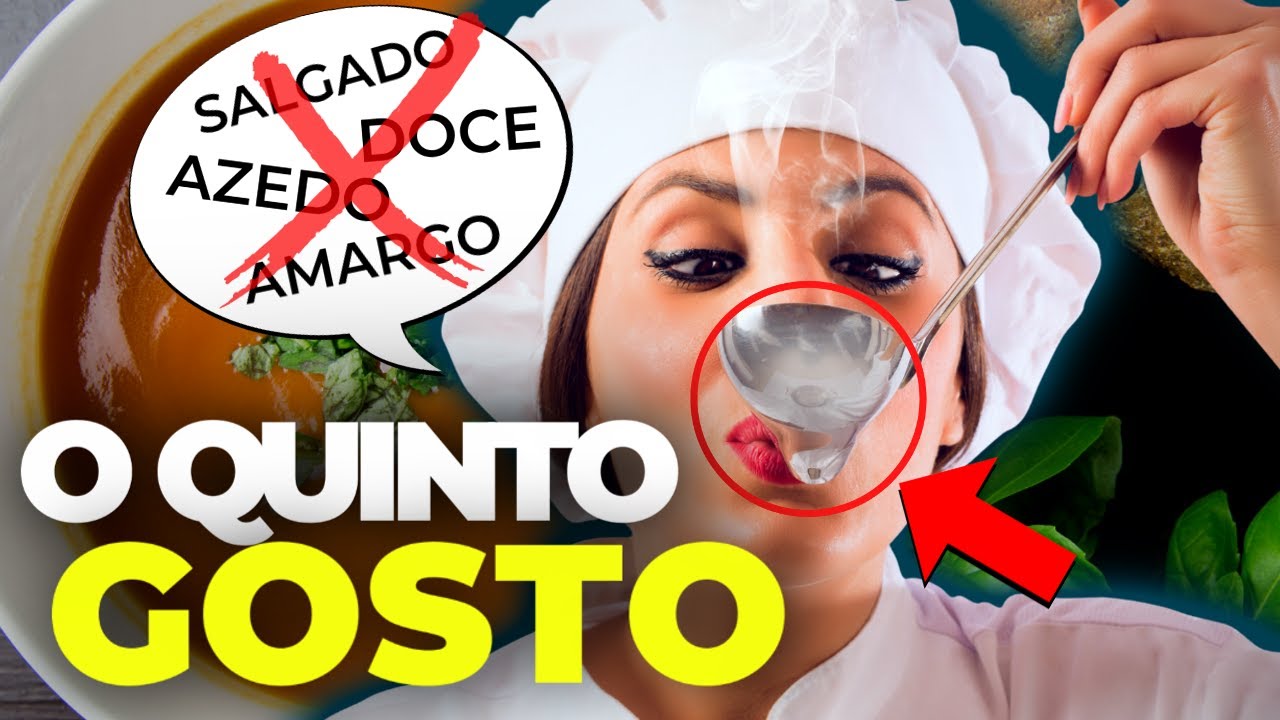
Glutamic acid and its derivative monosodium glutamate or monosodium glutamate are incredibly delicious and are the backbone of the fifth umami flavor. Umami gives depth and richness of flavor and leaves us sated and satisfied. That word umami means tasty.
Some natural foods can provide the umami flavor. Some specific Kombu and dried Mushroom algae , tomato and slices of dried beautiful fish. And observing these foods made possible the discovery of free monosodium glutamate also known as MSG in the early 1900s.
In 1908 MrIkeda registered the patent for ajinomoto in Japan and today free MSG is used in the study of flavors, it is the most stable form of amino acids that can be isolated and one of the known names is ajinomoto. Only in the year 2000 was it recognized by the scientific community when researchers from the University of Miami found specific receptors in our taste bud. The taste of glutamate has been characteristic of traditional foods around the world for centuries.
For example, the ancient Romans enjoyed the taste of glutamate in a fish sauce called Garum. It is interesting to note that foods and ingredients rich in glutamate are found in traditional foods and in condiments such as cured ham, cheese, anchovy sauce, soy miso paste, soy sauce soy, which are fermentation products, are naturally produced and are not added. The industrialized ones probably contain added ajinomoto.
These are foods that naturally contain glutamic acid , tomatoes, sour cream, butter, sauces that involve cheese, kombu seaweed, mushrooms, dried beautiful fish. The products that I will mention that are industrialized probably contain added glutamate. Concentrated meat extracts, tomato sauce, wood sauce in western countries, fish sauce, soy sauce, salad dressings, snacks that the vast majority like Cheetos, Fandangos, Cup Noodles, Nissin Miojo, cubes seasonings and etc.
Why are everyone attracted to amino acids? Why do they make your mouth water? Why do we feel so satisfied when we eat these foods?
Because it is an indication that there is a rich source of protein that is very nutritious. biologically speaking our body takes us to a protein source that is a greater source of energy and will make us feel satiated for longer than foods rich in carbohydrates. The food industry, knowing this basic need of the human body and knowing the physiology of umami , adds a pinch of MSG or some equivalent glutamate.
Glutamate metabolism has been studied more carefully due to the possibility of glutamate toxicity. During the reproductive process in the study with rats, mice, dogs and rabbits. Most of the glutamate present in food, whether added or present naturally in food, more than 95% of them are metabolized in the first instance and used as an energy source for our gastrointestinal system.
Studies with high toxic doses of glutamate were carried out in animals in the reproduction and breastfeeding phase with a 2-year follow-up and no changes were observed in terms of teratogenic toxicity. Experiment with adult humans made in Germany found no toxicity by adding up to 197 g of glutamate over a month. Oriental cuisine restaurants use ajinomoto and maybe others too.
Glutamic acid is a neurotransmitter that causes mental excitement. It is essential for learning, for short-term and long-term memory and is also a precursor to the inhibitory neurotransmitter Gaba. Excessive intake of glutamate generates a series of cascading effects that end up causing damage to the central nervous system.
Glutamine gives muscle strength if used just before physical exertion. The schism that ajinomoto is bad for health comes because of a possible disease, the Chinese Restaurant Syndrome. In 1968 when doctor Robert Ho Man Kwok wrote for an English medical journal reflecting on the possible causes of a Syndrome that he felt every time he ate in Chinese restaurants in the United States.
After that, numerous studies were done. In 2002 researchers from 4 renowned universities in the United States developed a double-blind, placebo - controlled protocol that involved the increasing use of monosodium glutamate. 130 patients who said they were sensitive to glutamate answered some questionnaires.
At the end of the study, only 2 people evaluated showed consistency in their responses and it was confirmed that there is no relationship. Glutamate was found to be safe in small amounts. Migraines and allergies have not been proven in research and as for hypertension, the use of glutamate can slightly reduce the use of sodium in food if you are careful to reduce salt.
Does monosodium glutamate contribute to the food acceptance of the elderly? A study developed by researchers at Okanoki Hospital in Japan, divided into two groups, one formed by 14 people with an average age of 83 years and another formed by 15 members with an average age of 84 years. The first group with 0.
5% glutamate added to each meal. The second group did not. After 3 months of analysis, the group that consumed the glutamate preparations showed significant improvements in food acceptance, nutritional status, immunity and well-being.
The control group did not show the same results. If umami taste improves the acceptance of food in the elderly who lack appetite, it would be interesting to add a dash of ajinomoto to the diet of these people who have a lack of appetite. Now I will speak my position regarding the use of ajinomoto.
I stopped using glutamate for many years. Today I am studying a lot about the umami flavor present in Koji, Shio Koji, Homemade miso and I'm even making homemade Shoyu. They are foods with natural glutamate.
I have my elderly parents with me aged 93 and 90 I have used a dash of ajinomoto to cook vegetables and broths. If you don't need to gain weight, why use a flavor-enhancing chemical. The ajinomoto box on the back contains the suggestion of consumption and it informs 1/2 teaspoon for 500g of food.
He suggests using 1/2 teaspoon for example for grains, a cup of rice put 1/2 teaspoon for beans as well. For vegetables 500g of vegetables 1/2 teaspoon tomato, broccoli it also suggests the use of ajinomoto and even in meat 500g of meat and fish, chicken put 1/2 teaspoon. This 1/2 teaspoon measure is right, it ’s 0.
5% for 500g but what I don’t agree with is putting it in meat, beans, beans, in case it’s already tasty, you don’t need to put the flavor enhancer further In the case of proteins they are rich in glutamine, they have the umami flavor present there is no need to add even more flavor enhancer and not even rice I think. So in this case I use to add sautéed vegetables to vegetables , salads can put a pinch but I don’t use this amount that suggests here I use it a lot less because the problem there is a risk of us getting used to that flavor and when you taste a food there's glutamate you feel like it's a little . .
. something is missing here, it doesn't taste very good. So you run the risk of starting to feel like this and also more and more, using more, you know, putting more is a risk that can lead to health problems , because within this 0.
5% range it is guaranteed by the studies that were done until now. I believe that there were many other studies that we should be aware of in relation to this. Thank you so much for watching until the end.
Please if you liked the content, like this video and share. A big hug to everyone.


![[Receita do sal de ervas]: O sal que melhora o colesterol](https://img.youtube.com/vi/gB2dCWeXNvg/maxresdefault.jpg)