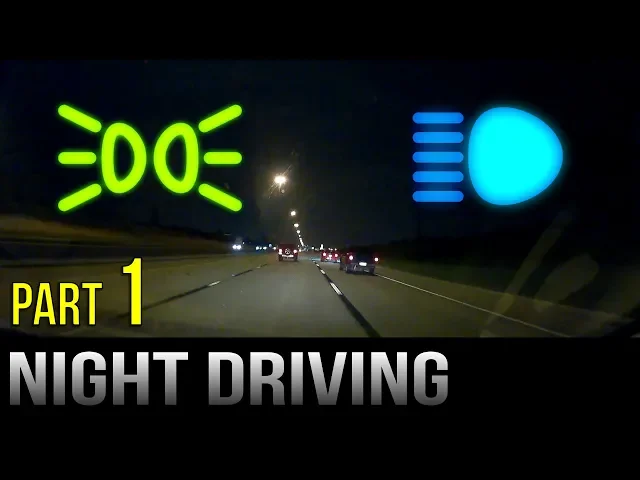
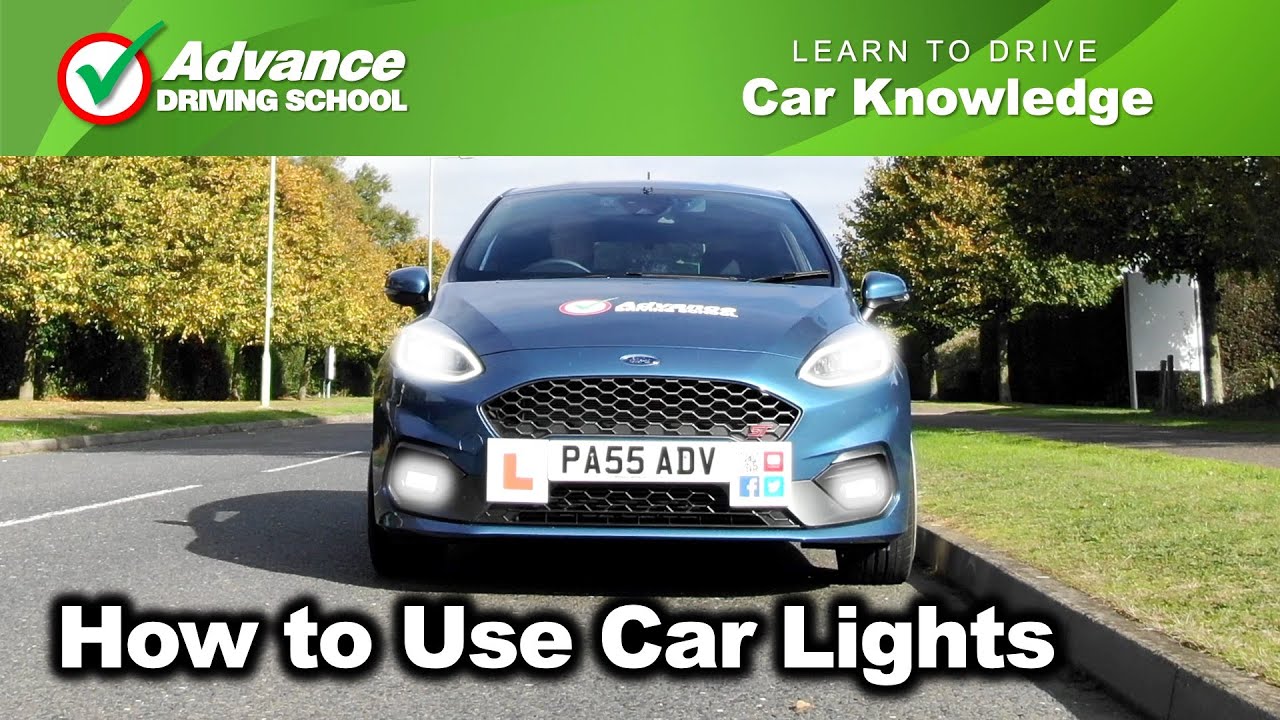
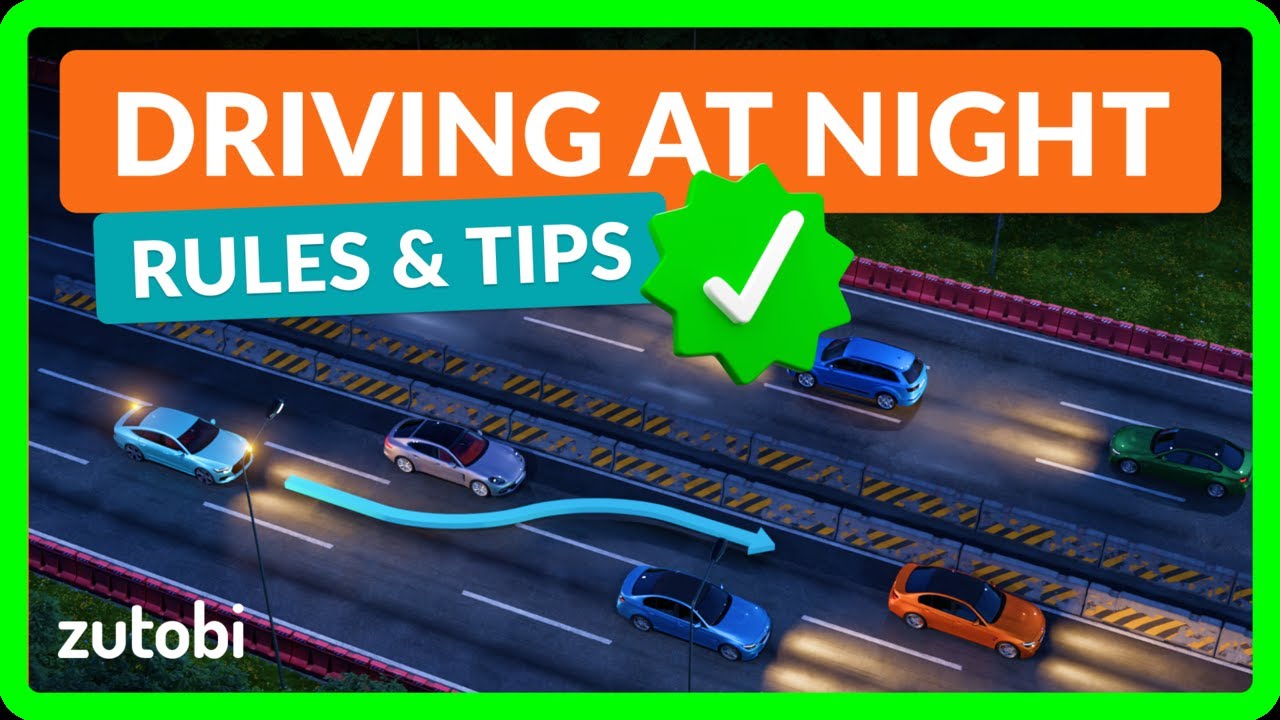
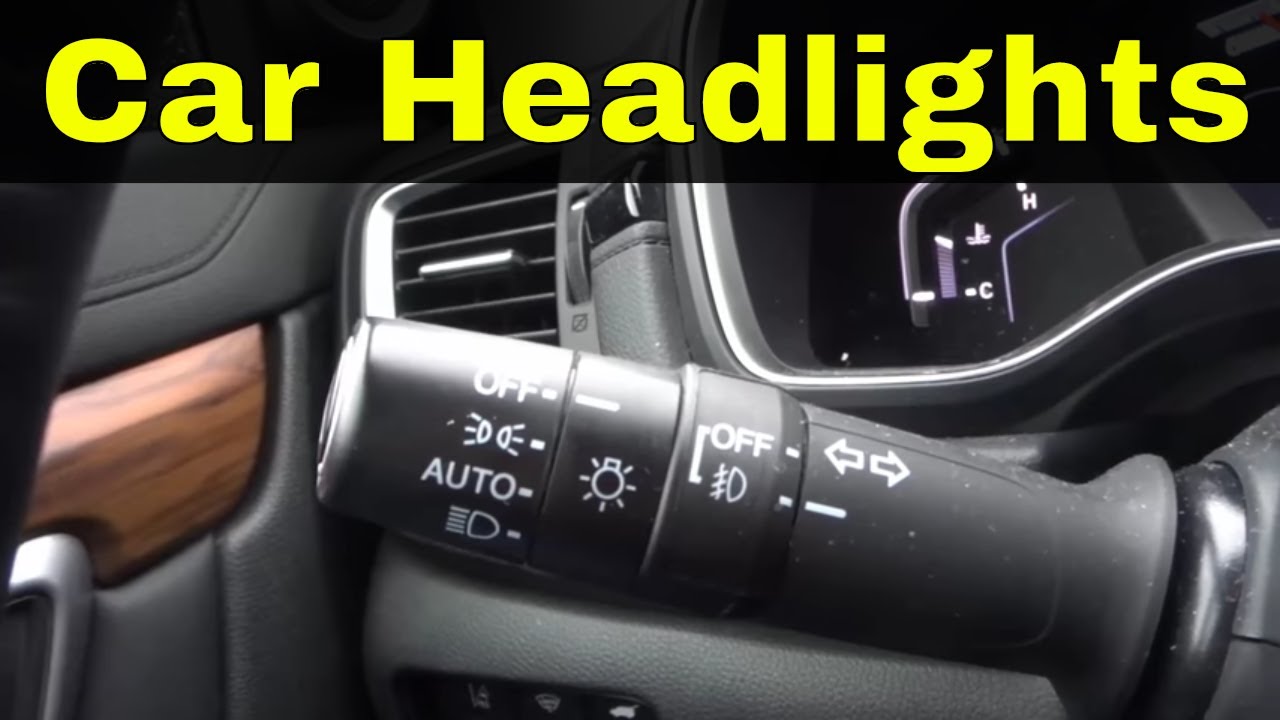
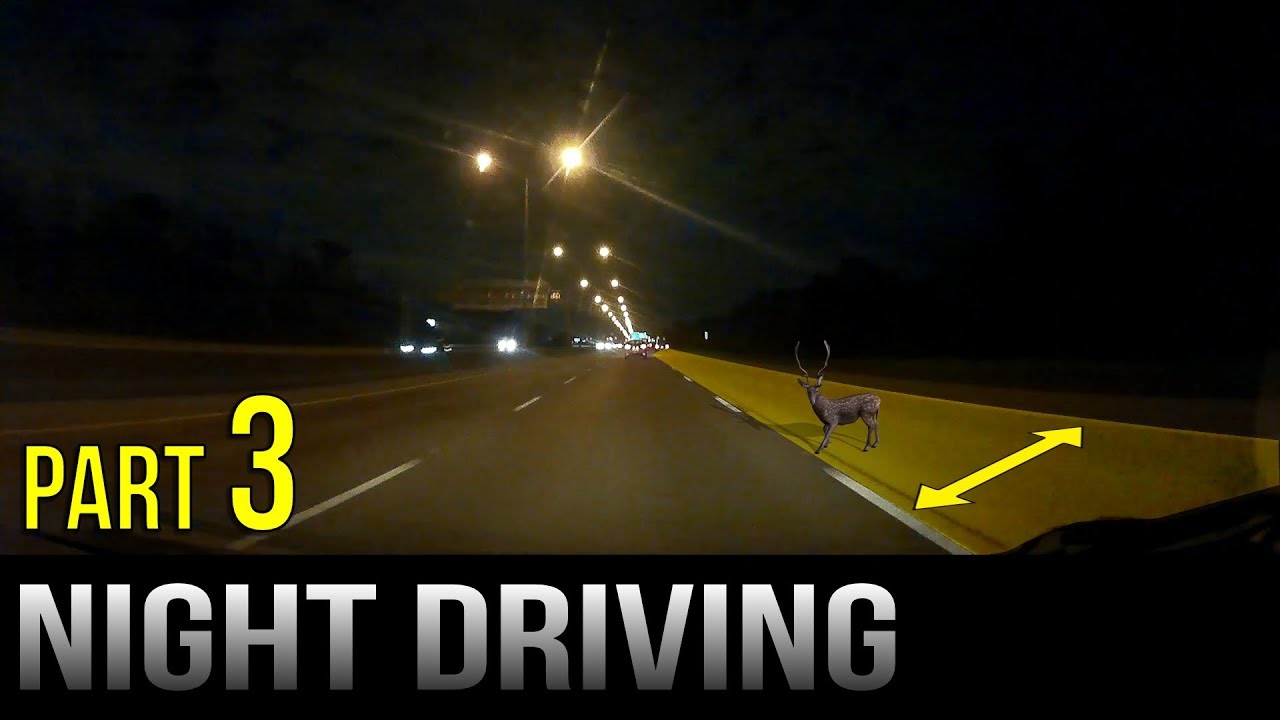
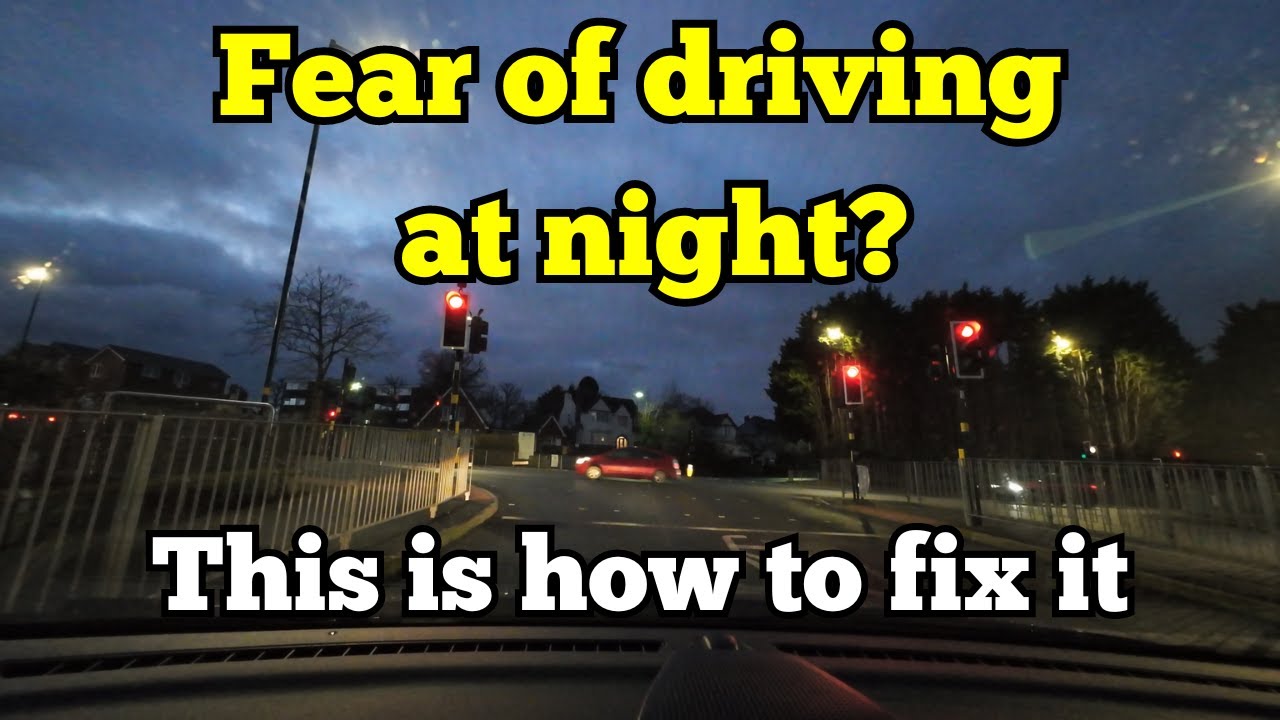
so obviously the first thing you need to do when driving at night is to turn on your lights the normal ones or the high beams depending on the situation where the light switch is located and how many positions it will have was vary depending on the vehicle but it's usually located on the turn signal lever or on the dashboard to the left of the steering wheel the most common positions are off in the off position which is pretty self-explanatory the lights are off but in some vehicles the day lights were still be on if the
engine is running more on that later the second position is for the daytime running lights also called fog lights sometimes what this will do will depend on the vehicle it can turn on the daytime lights the front parking lights the taillights the license plate lights the instrument panel or dashboard lights or any combination of those to be honest I never use this position I either leave the switch at the off position when lights are not needed or I turn it to the regular position whenever needed either at night or on low-light conditions and the third
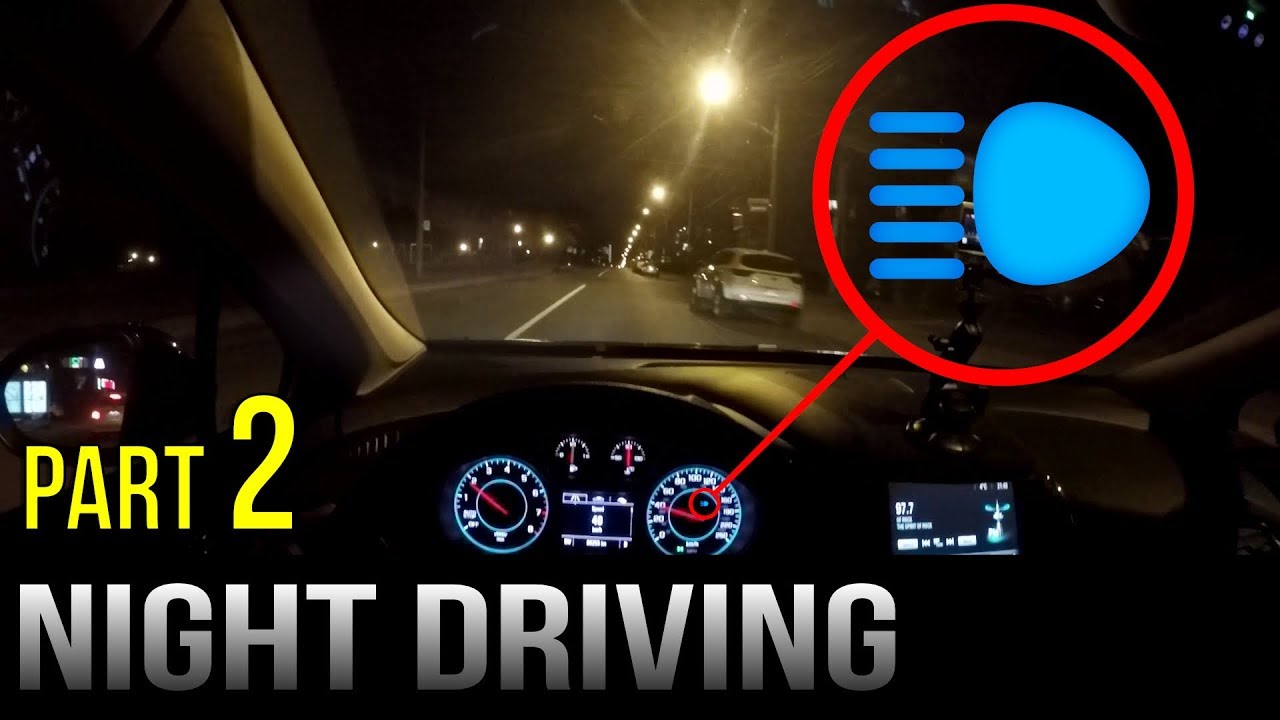
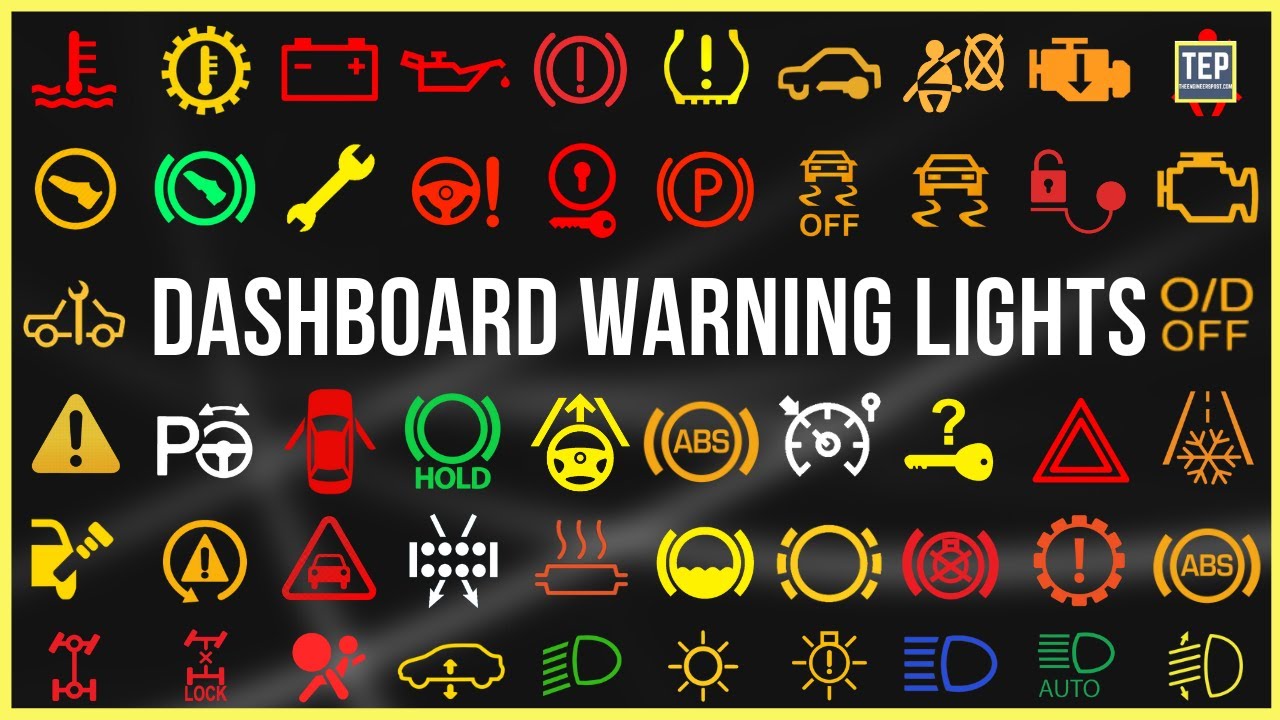
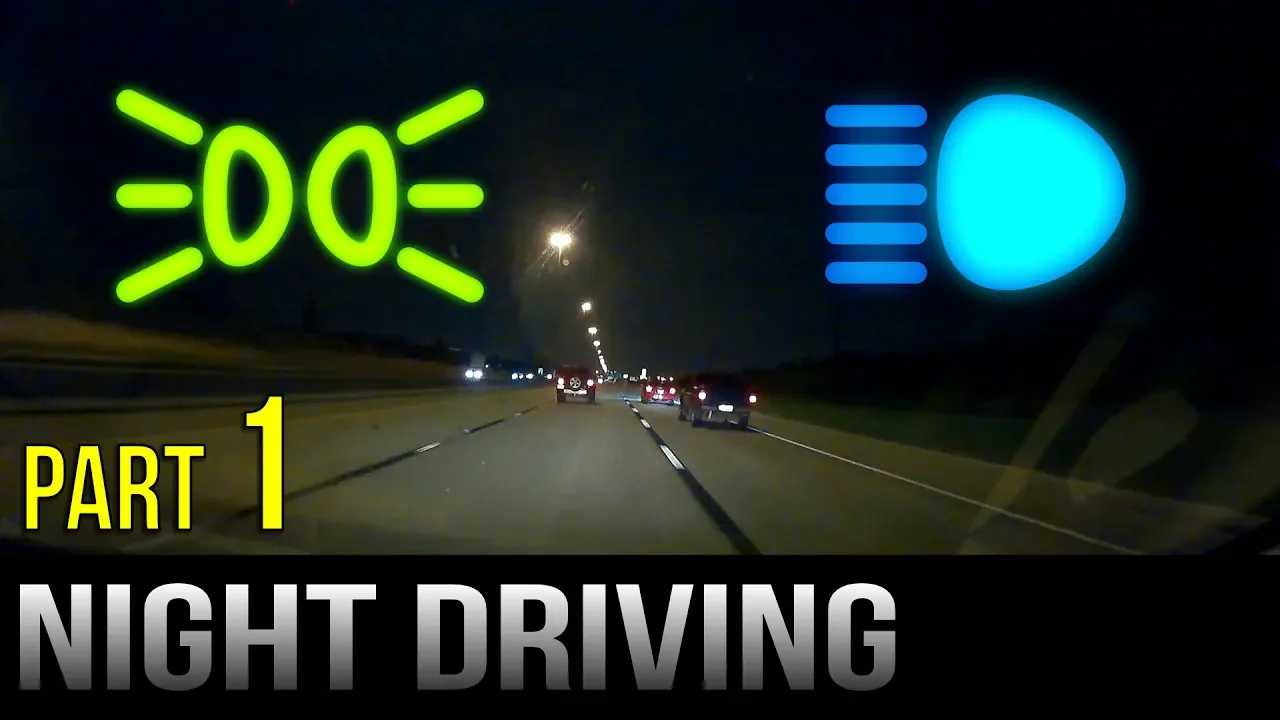
position is for the regular lights in this position all lights are on it's in this position that you should put the switch when driving at night now a very common misconception with students is that they think that the second position here is for the regular lights and the third one is for the high beams not so to activate the high beams you'll usually have to either push or pull on your flasher lever depending on the vehicle the daytime lights and the regular lights will be indicated by a green icon on the dashboard and the high
beams will be indicated by a blue icon I'll discuss the high beams in more detail in the next video some vehicles also have an auto position on the light switch if you leave the switch on that position the vehicle will take care of switching the lights on and off by itself depending on ambient light you might also have noticed a knob with an icon of a light bulb on your dashboard that's for controlling the intensity of the dashboard lights in these two cases you either rotate it or push it up or down up to increase
the intensity down to dim you can dim your dashboard lights when you're driving on very dark roads the more like you have inside the vehicle the less you'll see outside for that same reason you shouldn't drive with the interior lights turned on also if you're wondering if your lights are on because your dashboard sar to them it's probably because this knob is all the way down in some vehicles you can also adjust the angle of your lights so if you see a button with an icon that looks like this one you can roll the button
up or down to adjust the height of the light beam so these are the most common configurations for the light positions but like I said it will vary depending on the vehicle so check your manual for specific now I get this reaction all the time on most cars nowadays when I start the engine the lights automatically turn on so why should I turn them on at night with the switch first that isn't the case with all vehicles second and some vehicles the taillights won't turn on when you start the engine also these lights are dimmer
than when you turn the switch to the regular position the act more as lights to be seen instead of lights to illuminate the road ahead here's an example everything off engine on daytime running lights normal light also daytime running lights are not available in every country or on some older vehicles so always turn on your lights manually one need and don't wait until it's dark to turn your lights on during the transition period from evening tonight when our eyes are adapting to the darkness it might be difficult to see some users or objects so turn
your lights on a bit before it starts to get dark a little trick you can use when arriving at an intersection where you don't see much to the sides because of parked cars is to look for reflections on the cars part on the other side of the street if there are any you'll still have to advance far enough so that you see well to both sides before crossing the intersection but this gives you an idea of what's coming before you even need to move forward you can also look through the windows of the parked vehicles
or look for the glow of the lights on the floor or on the sidewalks especially when the road is wet one thing you'll need to be aware of is road users that are barely visible like cyclists roller bladers and so on they should have lights on themselves but often they don't there's not much you can do besides being attentive especially in places where they are likely to be like on bicycle paths for cyclists for example near intersections where pedestrians can cross but really anyone to other crucial factors in night driving are fatigue and alcohol consumption
try not to drive for too long stretches at night since we tend to get more tired at night coupled with the fact that there are less users on the road we tend to be less alert so that makes it more likely that we fall asleep things like drinking coffee or energy drinks singing out loud opening a window or turning on the air-conditioning to stay awake our myths the only thing you should do if you feel tired is to stop somewhere safe and sleep a bit don't stop on the side of the road to sleep though
that's obviously dangerous and illegal in most places beware of the fact that we always think that we'll be able to stay awake that little bit more but you'd risk falling asleep at any moment without realizing it some of the places where people might fall asleep are boring roads or waiting at a red light because you stop and you have no mental stimulation also be aware of people driving under the influence because it's at night that you're most likely to encounter them if you see someone driving erratically try to keep your distance from them as much
as possible be especially aware of that during weekends and holidays finally don't leave things of value in plain sight in your car at night especially if you live in the city it might cost you those things plus a window also don't forget to turn your lights off before leaving the vehicle including the interior lights if you turn them on or you'll drain the battery although some vehicles have systems that turn the lights off automatically after a certain amount of time if the engine is stopped so again check your manual for that in the next video
I'll discuss the high beams when to use them and what not and how to deal with animals and driving on wet roads so stay tuned and thanks for watching