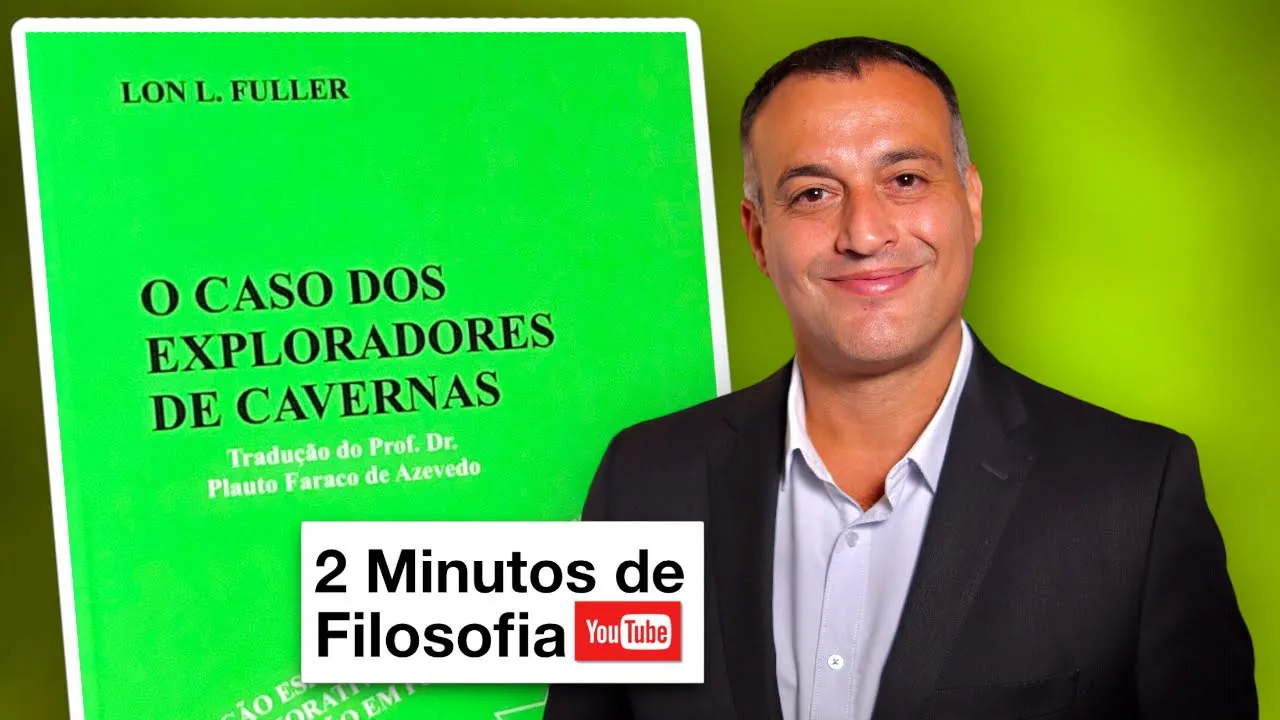
Hello everything is fine? I am Professor Leandro Cordioli, I teach and research in the areas of philosophy of law and theory of law, and today, in "Two Minutes of Philosophy", I would like to talk a little about The Case of the Cave Explorers. This famous little book formed many generations of jurists in the West, including here in Brazil.
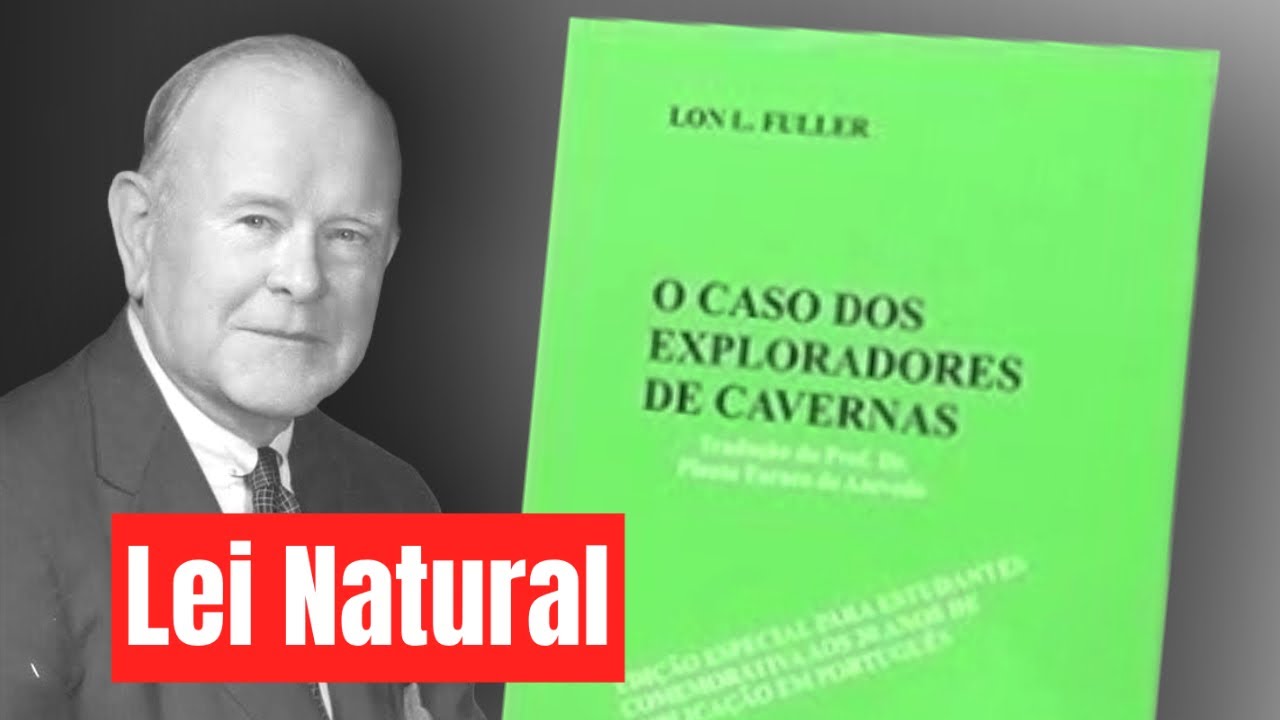
The Case of the Cave Explorers is a fictional work written by Lon Fuller, a Harvard professor. However, he was inspired by a real case that occurred in 1884: the sinking of the ship Mignonette. Four sailors were left adrift in a lifeboat, without food or water.
The youngest of them, Richard Parker, just 17 years old, was sacrificed by the ship's commander to serve as food for the others. When they were rescued, the sailors were put on trial for murder. If you haven't served on the jury in the Cave Explorers Case, you can't say you have a law degree.
And if your legal theory teacher hasn't carried out this activity yet, ask him to carry out a mock trial of this case! It is certainly one of the most memorable activities of the entire law school. Without further delay, let our clock begin!
In the work The Case of the Cave Explorers, the story takes place in a fictional time, in the year 4299, when five explorers are trapped in a cave after a wall collapses . On the twentieth day, they manage to contact the outside and are informed that they would probably die before being rescued due to lack of food. Then, the group's leader, Roger Whetmore, proposed that a draw be held to decide which of them would be sacrificed to serve as food for the others.
The draw was made, and Roger Whetmore was killed by his four colleagues, who used his body as food until they were rescued alive. In the first instance, the four explorers were sentenced to hang based on the law of the place. The book deals with the trial of the appeal of these explorers, who had been convicted of murder.
There are moral issues behind this case, such as the right to life and the state of necessity. Could the extreme situation in which they found themselves justify, or at least mitigate, the choice of murder? And what about the dilemma between the good of the majority, who would be saved, versus the good of a single individual, who would be sacrificed?
In legal terms, the prosecution's argument is that the explorers committed the intentional murder of an innocent person. The defense alleges the state of necessity and the extreme circumstances in which they found themselves, in addition to the fact that they were in a "state of nature". Five judges participate in the judgment of the appeal of the four explorers.
The first judge to vote is the President of Justice. He states that the judge must apply the law, even if the law is harsh. Therefore, they must be sentenced to death by hanging.
He suggests that the Executive Branch grant clemency, but states that this is not up to the Judiciary. Judge Foster decides to acquit the explorers, arguing that, under these circumstances, they were in a state of nature, and not in a state of law. It would be a case of self-defense or a state of necessity.
The most controversial vote comes from Judge Tatting, who decides to abstain from judging, refusing to make a decision. Judge Keen sentences him to hanging, considering the consequences for the legal system — allowing the murder would set a dangerous precedent. Ultimately, Judge Handy acquits the explorers, saying that public opinion was in favor of acquittal and that the explorers had made a fair contract inside the cave.
The end result of the trial, as you may have noticed, is that two judges convicted, two acquitted, and one abstained. As it was an appeal against a conviction and there was a tie, the Chamber judges decided to maintain the conviction. These were our "Two Minutes of Philosophy".
Don't forget to like the video, share it with your friends and help spread the philosophy and theories of justice. I would like to know your opinion on The Case of the Cave Explorers. But more than that, I would like to know if your law school professor did with you the trial or mock jury of this case.
Did you absolve or condemn the explorers? Be sure to check out the most complete version of this video here on the card. A big hug and have a good week!

![beautiful medieval music [playlist]](https://img.youtube.com/vi/9YiOvwesQFI/maxresdefault.jpg)