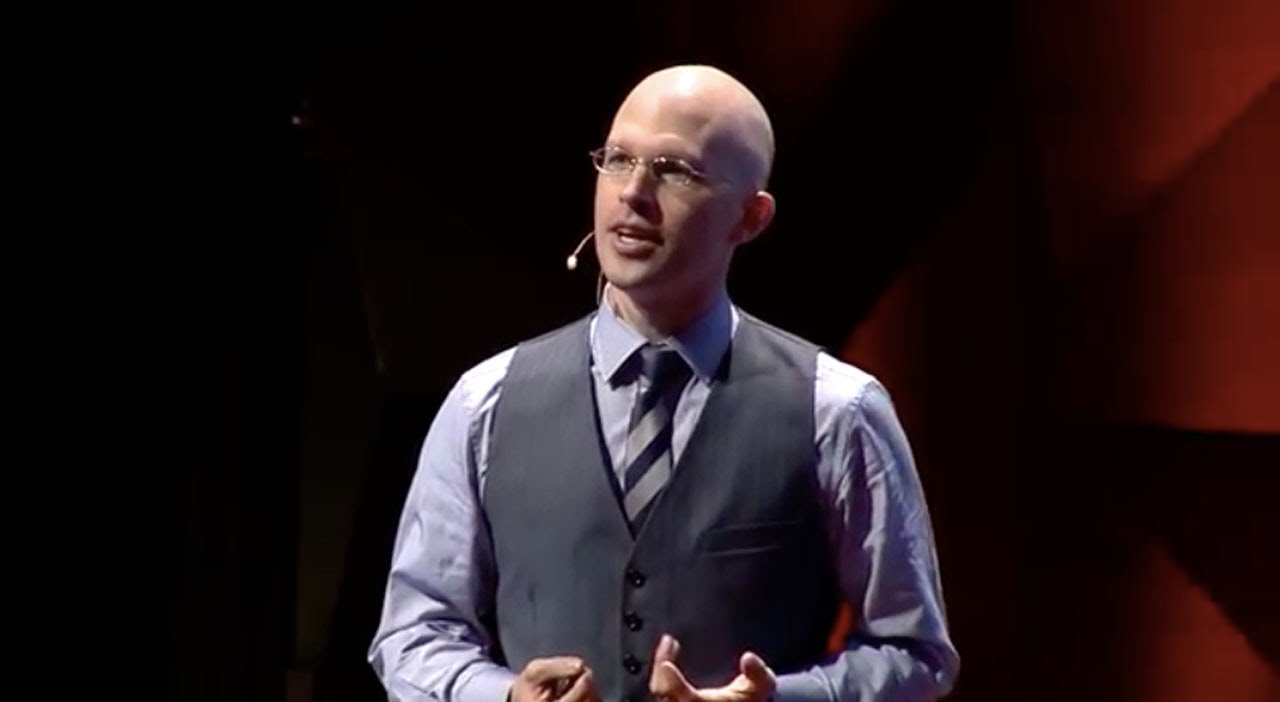
I am a research fellow at the Max Planck Institute in Germany currently very thankful visitor here at the alan turing institute where I'm learning heaps but since I'm really from Germany we are not used to this kind of snazzy TEDx presentations so I need some a no script if that's okay let me quickly put this here if I can yeah I think thank you rob I think that my presentation kind of follows follows on well quite nicely from Jonathan's talk I'm trying to look at the way that these kind of participatory processes have been used
in the field of constitution-making said so translated onto the national level so I will briefly sketch three case that is Iceland in Mexico City and Chile all of which employed digital technology in some form or another to foster digital engagement in constitution-making so I think that these these examples should illustrate some of the opportunities but also the limits of public participation at this constitutional level so why participation in Constitution making the first argument is a theoretical one the source of a constitution this does not work so I'll use this year the source of a constitution
is Jenny recognized as to be the people in a democratic society everyone should have a say on all the rules they live under and this is applied so this also applies pre-eminently to the most fundamental rules so practical speeds practically speaking this means that constitution-making should be inclusive and they'll involve as many citizens as possible the second argument is that public participation in Constitution making is assumed to make traditional text substantially better now this is an argument that has gained traction significantly over the last couple of years namely that including a wide range of people
allowance Constitution drafters to tap into the collective intelligence of the people so put differently the idea is to use crowds for idea generation and the last argument is that participation constitution-making should help help to form a we of a group of individuals so ideally more open more inclusive more transparent processes will foster a sense of ownership and legitimacy and thus ensure the stability of of democratic constitutional orders and I think that in view of the global increase of societal polarization and fragmentation the need for creating such a common base of values and principles in a
society is becoming more and more important so the participation and constitutional making makes a lot of sense in theory but in fact this has public participation is now generally and widely regarded as best practice some even consider participation as a legal right in constitution-making but this has not always been that way for most of history constitutional making has been reserved to lawyers and politicians and the people assumed a largely passive role citizen participation and constitution making has been essentially hourglass-shaped just as as I depicted it here with some participation at the beginning of the process
Frank for example by electing representatives of a constitution drafting assembly or at the end of the process via referendum but the mere aggregation of votes does not do much in terms of idea generation and it does not do much in terms of fostering meaningful deliberative reflection or the exchange of ideas on a society level so in the last 10 years or so public participation in Constitution making has been witnessing a number of democratic innovations that seek to widen the size and the waist of the hourglass by improving both the deliberative quality and the scale of
participate constitution-making and many of these innovations take inspiration from the success of digital participation at the local level but as I think will become clearer constitution-making is more complicated and I think that they also didn't make use of all of the most recent innovations that exist at the moment so technology has been employed to varying degrees and at varying different phases of constitutional reform of in over 15 countries mmm but I think that in Iceland Mexico City and in Chile technology played this a particularly central role and also all of these cases concerned complete constitutional
overhaul and not just constitutional reform or amendment which i think is less or more challenging more challenging so let's start with with the first case Iceland so the Icelandic process combined three forms of public participation randomly selected deliberative fora at the idea generation phase self selected online participation during the drafting phase and a non-binding popular referendum at the ratifying state the process was triggered by the Icelandic financial crisis and the breakdown of the public's trust in its political class in this mistrust against the politicians also characterized constitution-making as politicians were largely excluded or completely excluded
from the process so the process was kicked off with a one-day deliberative forum the National Forum which brought together 950 s randomly selected eyes lenders to produce a set of core values and visions that were to serve as the basis of the constitutional text and the outcomes of this national gathering were summarized by a group of experts in a report and this was originally planned to be the only form of public participation in the in the process but the Constitutional Council which was a group of 25 elected non-professional Icelanders decided to create a process as
transparent as possible and continue the debate with the public so the council members decided to open up the drafting process to the public and they did so by publishing working process work-in-progress drafts on a dedicated platform as well as social media web platforms including Facebook Twitter Flickr and YouTube and what emerged was in an iterative drafting process if you will in total 12 versions of constitutional drafts were elaborated by means of a kind of a feedback loop between citizens and the Constitutional Council so during this process the council received 311 proposed substantive proposals 3,600 comments
from the public and and well this doesn't seem a lot and this is an average of 130 proposals per hundred thousand voters which is much more than the celebrated participatory / analog participatory processes of South Africa or Brazil in the 1990 and 98 in 1994 but due to the ad hoc manner in which this input was solicited there was no systematic data analysis process but since the input was relatively small constitutional drafters were able to personally respond to most queries comments and suggestions and ultimately 29 or roughly 10% of the submissions it ended up in
the final constitutional text in a while the high impact of this form of participation is remarkable it also highlights the problem of self selection in broad scale participation 77% of the submissions came from men 80 percent of whom were between 40 and 65 years old so other than in the deliberative forum where the group was randomly selected and access was statistically equal here participation of society or certain parts of society exerted significantly more influence on the process than others so once the process drafting process was over iceland's approved the draft with the 2/3 and with
a two-thirds majority in a referenda but the process ground to a halt in the parliament which failed to ratify the constitutional draft in the end and this was idly arguably due to the one of the sheep key shortcomings of the Icelandic process as the the process allene eiated political elites who then were not willing to support the constitutional change so I think that despite the ultimate failure and the fact that Iceland size and homogeneous socio-economic makeup is hardly comparable to other context the Icelandic case still set new standards for public participation Constitution making it showed
how high-quality deliberation and direct participation could be effectively sequenced and offered an unprecedented access of the public to a drafting of a constitutional text but it also highlighted some of the some of the problems of the involvement of the some of the problems of self selection and the need for the involvement of political actors in such processes now the next case is doesn't concern a state but a City Mexico City and even though this is not technically a national process I think that the size of the city's population make the case comparable to other national
processes and in Mexico City the Constitution making process marked the transformation of the capital district of Mexico City into a federal state and so policymakers here focused predominantly at the idea generation phase combining different elements of participation and linking them to the work of the drafting body and so the first step of this process was an online and offline survey which was used to stimulate interest in the process and creative thinking about the citizens relationship with the city a total of 26 thousand residents from thousand four hundred neighborhoods completed the survey but the interesting thing
is that after completing the survey each respondent received a unique identifier which allowed them to link their answers with specific provisions in the draft constitutional text which was addressing the input so I think that it was this was an interesting method for fostering and sustaining public's interest in the process now for the second element of citizen engagement policymakers teamed up with change.org to solicit substantive input in the Constitution and so the process was basically a petitioning system setting particular thresholds 5,000 signatures meant that the submission would be sent to the drafting committee steagle experts for
review with 10,000 signatures or more petitioners would be invited to present the ideas at the drafting committee and 50,000 signatures or more meant an audience with a mayor and this basically allowed citizens to substantive - to voice substantive ideas by a topical representatives and at the same time it kept public participation and the input manageable for drafters the drawbacks though of this method was that it had no particular m deliberative quality a change.org presents choices as binary so there's little room for more nuanced exchange of arguments or debates and the competitive or viral if you
will format meant that many less popular proposals did not get seen so nevertheless I think that the simple method method was accessible well-received and and and effective by the end of the process more than 400,000 already put it up more than 400,000 users view the proposals and 280,000 people signed on 341 different petitions and also the petitions that serve or all the petitions that surpassed the 10,000 signature threshold were finally incorporated into the constitutional draft and the Constitution now entails 14 articles based on citizen petitions generated via the change at all platform so although the
process itself the drafting process itself was pretty tightly governed by political elites this did not frustrate public input probably because public input was relatively had gained quite a lot of bullets Kuwait's already so let's move on to the last case and I think the most interesting if most complicated case chilly so chilly trend in some ways to square the circle by attempting to combine the liberation and mass participation the constitution-making process was an executive initiative which President Bachelet at the time launched as a respond to long simmering demands for constitutional change since the process was
initiated by the executive and there was no broad political consensus on the need for constitutional change and the president's office thought that it would be good to create a participatory process to garner public momentum for the cause so the first phase of the process was an online survey which generated more than 90,000 responses the second step was a bottom-up deliberative deliberative process starting at the ED with deliberative assemblies at the local levels called Kabila's these were self convened local meetings composed of 10 to 30 people and at the end of the day more than 8,000
of these meetings were held with more than hundred thousand participants excuse me at the next step you have meetings at the at the municipal level and the regional level and at the end of the whole process 280,000 18,000 people participated in this process each now this is the complicated part each deliberative stage was organized around for constitutional themes namely values and principles rights duties and institutions and each of these themes now entailed a list of preconceived concepts so in the list of institutions you would have something like the judiciary for instance and now in a
first step participants were asked to choose seven of these preconceived principles and rank them in a pawns and participants also had option of adding new concepts to the list that the organizers had already put on there and in addition to this ranking of the concepts participants were asked to write a short argument explaining why each chosen principle was important for the Constitution now the result of this of this process was that all of these results were then uploaded onto on to an online platform feeding into a consolidated database now the deliberative goal of the process
was to get the people talking about constitutional issues and the participatory goal of the process was to use these sources of data and the ranking and the arguments to produce a body of core constitutional concepts ideas their swears are what they called them to guide the Constitution drafting and now although there is no official data on this judging from the interviews that I that I held with participants delete the the deliberative aspect was a huge success the Constitution eventually became a national debate and even those against constitutional reform felt that it was a useful exercise
at the same time the process suffered less from the self selection bias of other mass participation processes but the key challenge was the analysis of the data not only because the analysis of the process was something that the organizers of this process of the of the participation process did not think about before hands so it was done in a very on an ad-hoc basis in a very short timeframe and I think that I have a very short time frame too so I'll skip the the the way that they actually analyzed the the data so in
any case the drafting process then was held behind closed doors and and this arguably sucked out the life of this participate and while while the draft reflected some of the ideas raised during the the participatory process it is unclear how the appointed experts accounted for the public input and this lack of transparency in the analysis of the public data and of the ultimate drafting of the process a linear both the public who were not able to clearly trace their input in the Constitution and the politicians who felt that public participation and the drafting of the
process itself was an act of political maneuvering of the executive so ultimately the draft was not the Constitution was not adopted as Bachelet s-- successor panera won the presidential elections and shelf the document but the story is not over because as you might have heard and there were some uprisings last october one of the key demands of the protesters was a new constitution and they spontaneously set up these kabuto again that were used in the constitution making process these back end in that Constitution making process to think about how to solve the crisis and in
March you know in April they will vote on whether or not to hold a new constitution making process I think that will it will be interesting so very quickly a couple of observations incomplete observations which I think will may serve as talking points for the discussion so participation matters or does it public participation processes appear to have an impact on text a superficial analysis suggests that participation did indeed bring about new and innovative constitutional ideas which found their ways into the constitutional text so if our normative standpoint is that better text means more sophisticated more
liberal more progressive norms than constitutional text it's become better what is less clear is whether participation also helps to foster ownership creating a common base of values and principles possibly a sense of community but arguably such societal impact as is harder to measure could be achieved possibly through some kind of a debrief after a constitution-making process through surveys or appalling the second point is quantity matters and quality too so as we have seen different forms of public participation fulfill different requirements for participation in Constitution making mass participation is works well well for broad-scale inclusion and
the Adhan for idea generation but it relies on self selection and the deliberative quality is relatively long deliberative forearm foster mutual understanding and reflection and are well suited for questions that address value-based issues but by themselves they do not account for the importance of mass participation as a as an essential step for the validation of a constitutional draft so these examples though have shown how policymakers can make use of both elements in meaningful ways either by sequencing different forms of participation or by combining it as in Chilam but creating a working relationship between these two
is tricky and policymakers will have to think very carefully about which form of participation to use it which stages and how to integrate them holistically in the process for them to have an impact constitution-making participation does not matter all the time so in all cases public input tends to concentrate on rights provisions and they have less of an impact on norms that govern questions of institutional design so unlike rights norms that you can basically just add into a constitutional document and questions concerning institutional design are highly technical so if you change one aspect of the
political organization this will have trickle-down effects on other norms of the Constitution if you change the electoral system you will need to make adjust as adjustments to the institutional design as well in public input in both deliberation and mass participation was in no case nuanced enough to offer workable solutions that would allow for a constitutional system to function in predictable ways and related to dance elites meta norms concerning the institutional design the political aspects of a constitution there are always political and competitive in nature if you have a decision between a parliamentary and a presidential
system this is a binary decision and this will need to be negotiated there's there's a they had they carry a great importance for the distribution of political power and they will require political bargains and trade offs to get agreement on the Constitution among members of the politically so closed-door negotiations will probably still be necessary for agreements to struck to be struck finally context always matters constitutions are never written on a blank canvas but they are always embedded embedded in some pre-existing political institutional framework so for democratic innovations to to to to work policymakers will have
to ensure the effective collaboration between crowns and existing representative institutions which may mean that we have to temper some of our enthusiasm for these tools as much as we love them so I think that what what has become clear is that constitutions are slightly different animals to local and audre lawmaking the processes and and require different forms not just scaled up versions of what works for a town and a neighborhood I think and I think that because of this complexity participation needs to be nuanced targeted and and targeted and holistically planned all things that nearly
never happen in constitution-making so good luck [Applause]