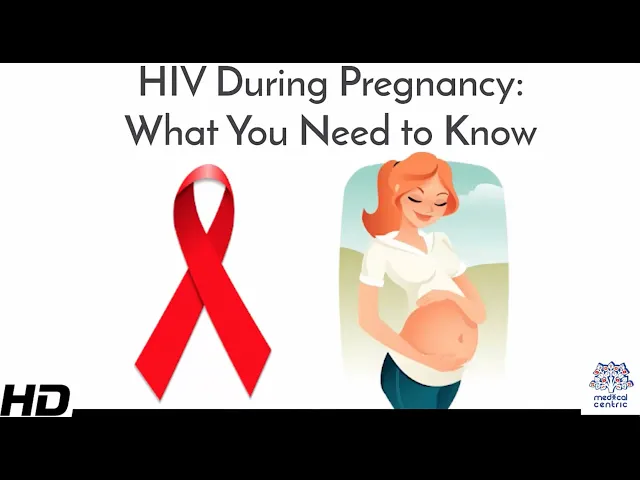
hiv during pregnancy what you need to know if you are pregnant and are diagnosed with an hiv infection it is quite normal to have several questions and concerns a 2018 study estimates that around 5 000 women with hiv give birth every year making it a fairly well known condition what you need to be sure of is that having hiv during pregnancy does not spell doom for you and your baby with the right treatment and precautions you will be able to give birth to a healthy baby let's look at this in detail what is hiv the
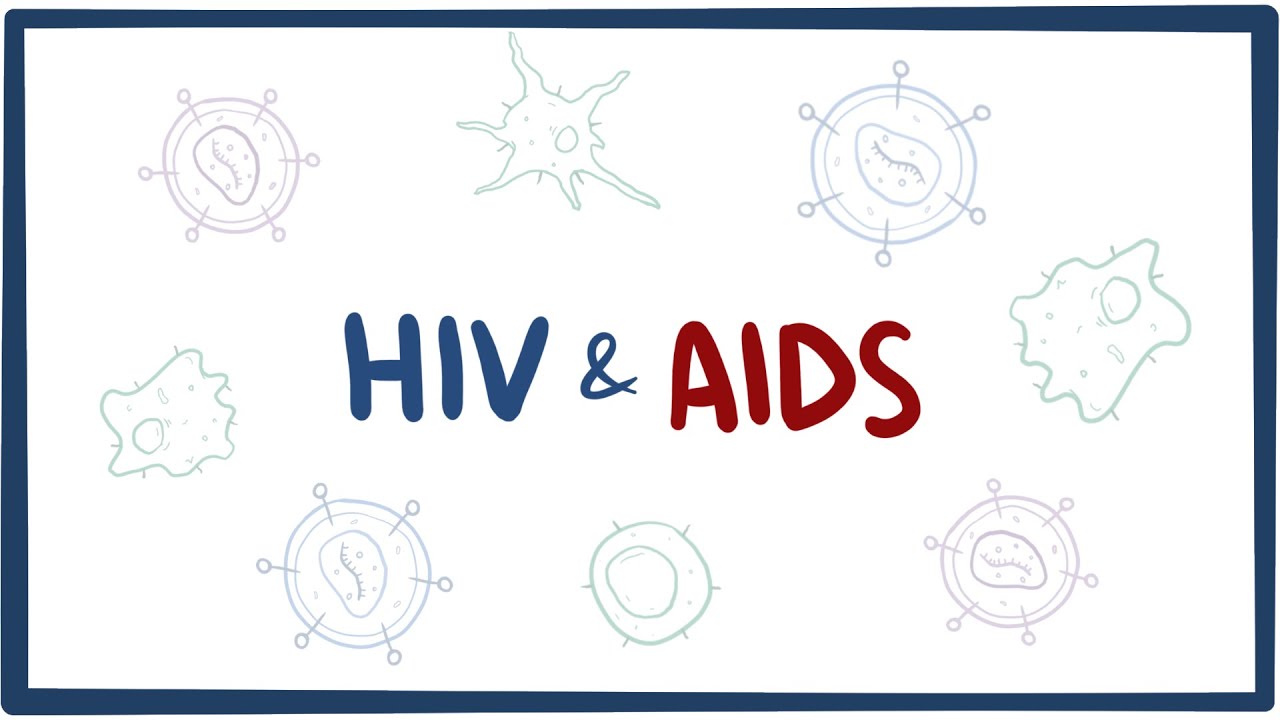
human immunodeficiency virus or hiv affects your immune system and weakens it to the point that your body gets susceptible to other infections and antigens the virus is transmitted through sexual contact and other means specifically by the exchange of bodily fluids you may have hiv and be a carrier without showing any symptoms making it important to get yourself tested for the virus however hiv does not mean that you have aids disease aids develops as a result of hiv and you will become susceptible to it if you let hiv stay inside your body without treatment you will
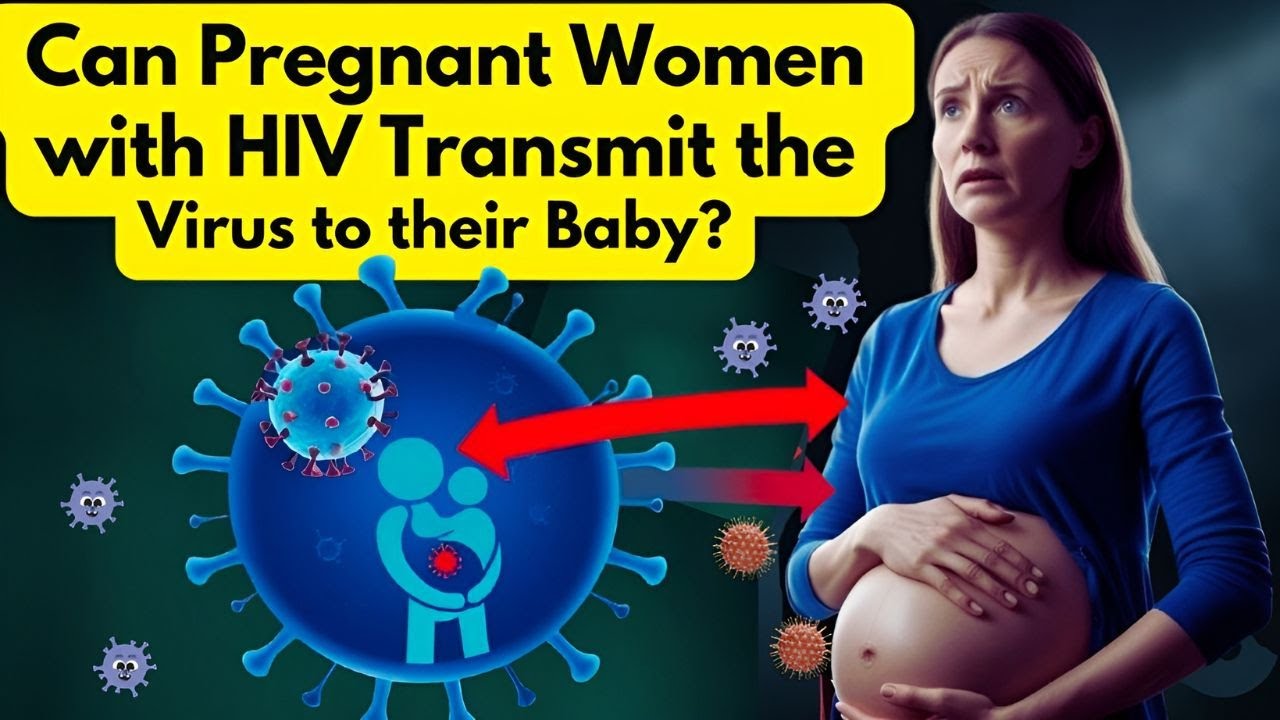
be monitored closely during treatment while the amount of hiv in your blood is regularly tested will the baby get hiv hiv does not take away the ability to get pregnant and neither does it interfere in a normal healthy delivery the baby does not usually get the virus if the mother is being treated however there is still a risk of transmission which can occur one during pregnancy from the blood in the placenta two during labor and delivery if the baby comes into contact with the mother's blood three through breastfeeding which increases a baby's chance of getting
hiv by 10 to 20 percent the risk of passing on hiv increases if one you have an illness caused due to hiv such as tuberculosis two you have a sexually transmitted infection or sti during pregnancy that has not been treated 3. having a high viral load but low immune cell count or cd4 how to minimize risk of passing hiv to the baby having hiv during pregnancy does not mean that you are confirmed to pass it to your baby by taking the right steps you can decrease the risk of transmission by 99 taking antiviral medication to
treat your hiv infection is the first step not all hiv medication is safe for a baby and you will need to consult your doctor for the medicines you and your baby need the medicine helps fight the infection in you and your baby secondly opting for a c-section or cesarean delivery decreases the chance of hiv transmission finally you have to avoid breastfeeding your baby although breastfeeding is important for a baby's development it can increase the risk of hiv transmission it is encouraged to breastfeed a baby if you are showing low viral counts but it is a
risk otherwise you may need to protect your baby and look for other solutions thank you for watching our video please do not forget to like and share the video also please subscribe to the channel to stay updated on our latest videos